
Safari in Kenya: Best Month for Wildlife in 2026
A current 2026 guide to choosing the best month for a safari in Kenya, balancing migration drama, Big Five sightings, lodge rates, school holidays and weather.
26 min read5views
“Imara” means strongin Swahili. We build every safari with that same strength — expert knowledge, honest pricing, and relentless attention to detail.
Tell us what you're looking for and we'll build a custom itinerary — free, no obligation, within 24 hours.
Start PlanningNo spam, ever. Unsubscribe anytime.
Protected by Cloudflare Turnstile & Google reCAPTCHA. Privacy & Terms apply.
Safari deals, travel tips & destination guides — straight to your inbox.
No spam, ever. Unsubscribe anytime.
Protected by Cloudflare Turnstile & Google reCAPTCHA. Privacy & Terms apply.
A current 2026 guide to choosing the best month for a safari in Kenya, balancing migration drama, Big Five sightings, lodge rates, school holidays and weather.
Quick answer
If you want one clear answer, choose August 2026. It sits in the middle of the long dry season, when grass is shorter, water sources matter more, and predators can read the landscape with ruthless efficiency. For many first-time travellers planning Kenya safaris, August gives the strongest blend of Great Migration Kenya drama, reliable resident game and comfortable touring weather.
September is the month we often recommend to guests who want the same premium wildlife conditions with less pressure at river crossing points, lodge lounges and airstrips. The herds are usually still in the Mara ecosystem, big cats remain active, and the light becomes particularly clean for photography as the season dries out further.
The best month for Kenya safari planning depends on what you value most. If your priority is migration crossings, think August and September. If your priority is an africa big five safari with fewer vehicles, consider February or June. If you are travelling as a family, avoiding the busiest school-holiday weeks may matter as much as animal density. If you want an affordable african safari without compromising guiding, late June can be strategically clever.
As of today, 16 June 2026, Kenya is moving out of the March–May long rains and into the long dry season. The Kenya Meteorological Department’s JJA 2026 outlook, issued on 30 May 2026, says June–August is not a major rainfall season in Kenya; most areas are generally dry, with mean temperatures typically ranging from about 16°C to 30°C by region.

Current season snapshot: 16 June 2026
For safari planning, that matters in practical ways. Narok County, which covers the Masai Mara, is grouped with the Rift Valley areas likely to receive near-average to below-average rainfall and intermittent dry spells. Kajiado and Taita-Taveta, important for Amboseli and Tsavo routing, are expected to be generally sunny and dry, with possible light rain or fog over higher ground. Nakuru may still see Rift Valley variability, while Samburu is expected to be sunny and dry in north-western Kenya.
Our packing advice for June to August 2026 is simple: dress in layers. Dawn game drives in open vehicles can feel surprisingly cold, especially in the Mara, Laikipia and the Rift Valley escarpments. By late morning, the same day may be warm and bright. Fog can affect highland transfers, and tracks usually become dustier as July and August progress, so a soft scarf, sunglasses and a lens cloth are not cosmetic extras; they are useful safari tools.
A safari in Kenya is not governed by one season only. Resident wildlife remains in Kenya all year; the Great Migration is the seasonal variable. The calendar below separates general game viewing from migration expectations so that your itinerary is built on probability rather than mythology.

The Masai Mara National Reserve is 1,510 km²; the migration concentration is described for July–October, involving about 1.3 million wildebeest, 200,000 zebra and 500,000 gazelles moving north from the Serengeti. The Mara River is the dramatic centrepiece, but it should never be treated like a scheduled performance.

Where to find the herds, month by month
The Great Migration is a continuous, year-round clockwise loop of over 1.5 million wildebeest and hundreds of thousands of zebra, driven by rainfall and fresh grazing across the Serengeti–Mara ecosystem. Use the live calendar below to see where the herds are right now — and plan your trip around calving or the famous river crossings.
Calving season begins on the southern Serengeti's short-grass plains around Ndutu. Roughly 8,000 wildebeest are born each day, drawing lion, cheetah and hyena.
Southern Serengeti
Ndutu & southern plains
The short-grass plains around Ndutu host the calving season — the densest concentration of newborns and predators in the entire cycle. Around 8,000 calves are born each day at the peak, drawing lion, cheetah and hyena onto the open plains.
Grumeti River
The herds push through the western corridor, where the Grumeti River and its giant crocodiles provide the season's first dramatic crossings, alongside the wildebeest rut. Exclusive reserves mean far fewer vehicles.
Kogatende & Mara River (TZ)
The Mara River runs through the northern Serengeti, making it the prime crossing zone from July to October — often with fewer vehicles than the Kenyan side, plus big resident lion prides.
Masai Mara, Kenya
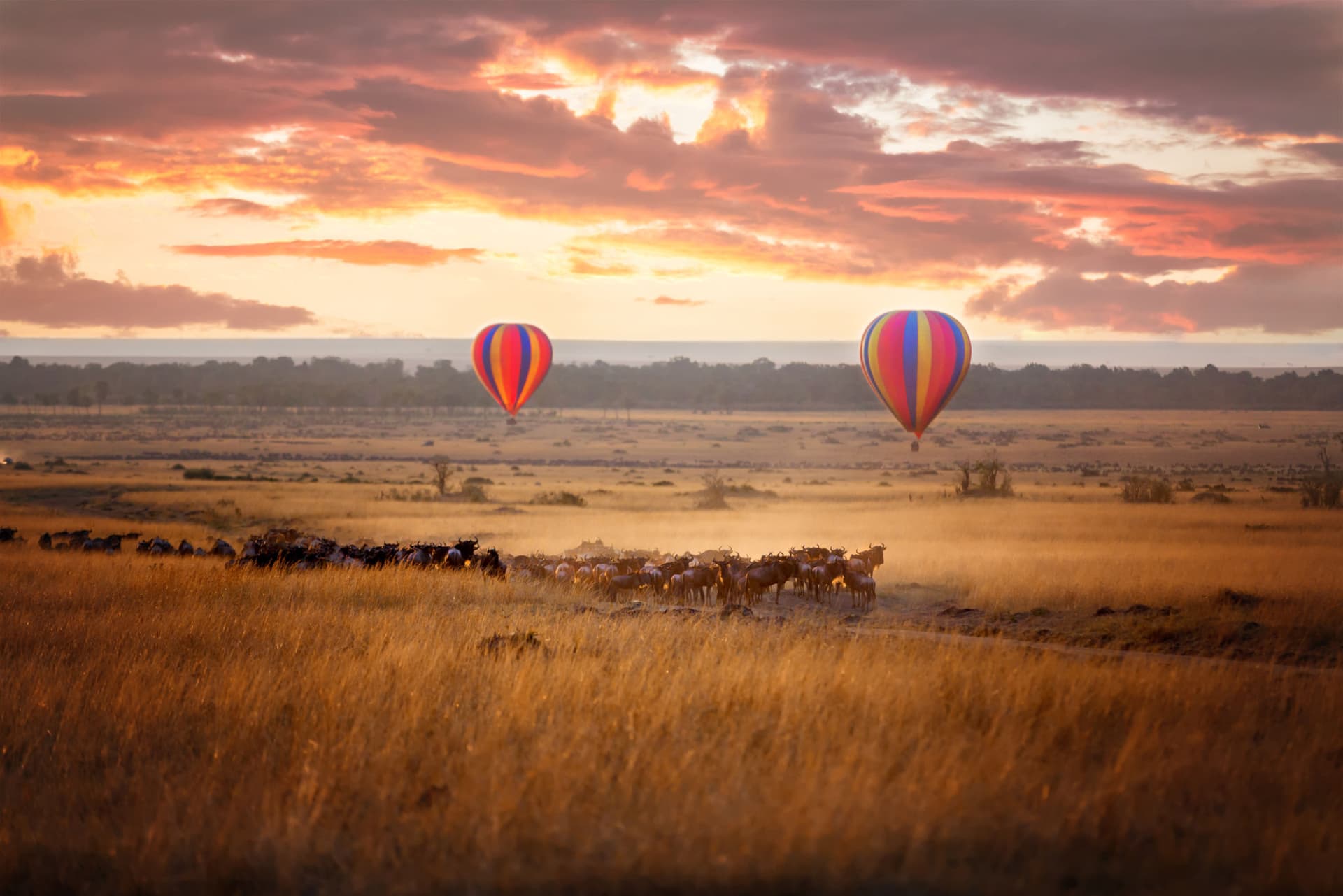
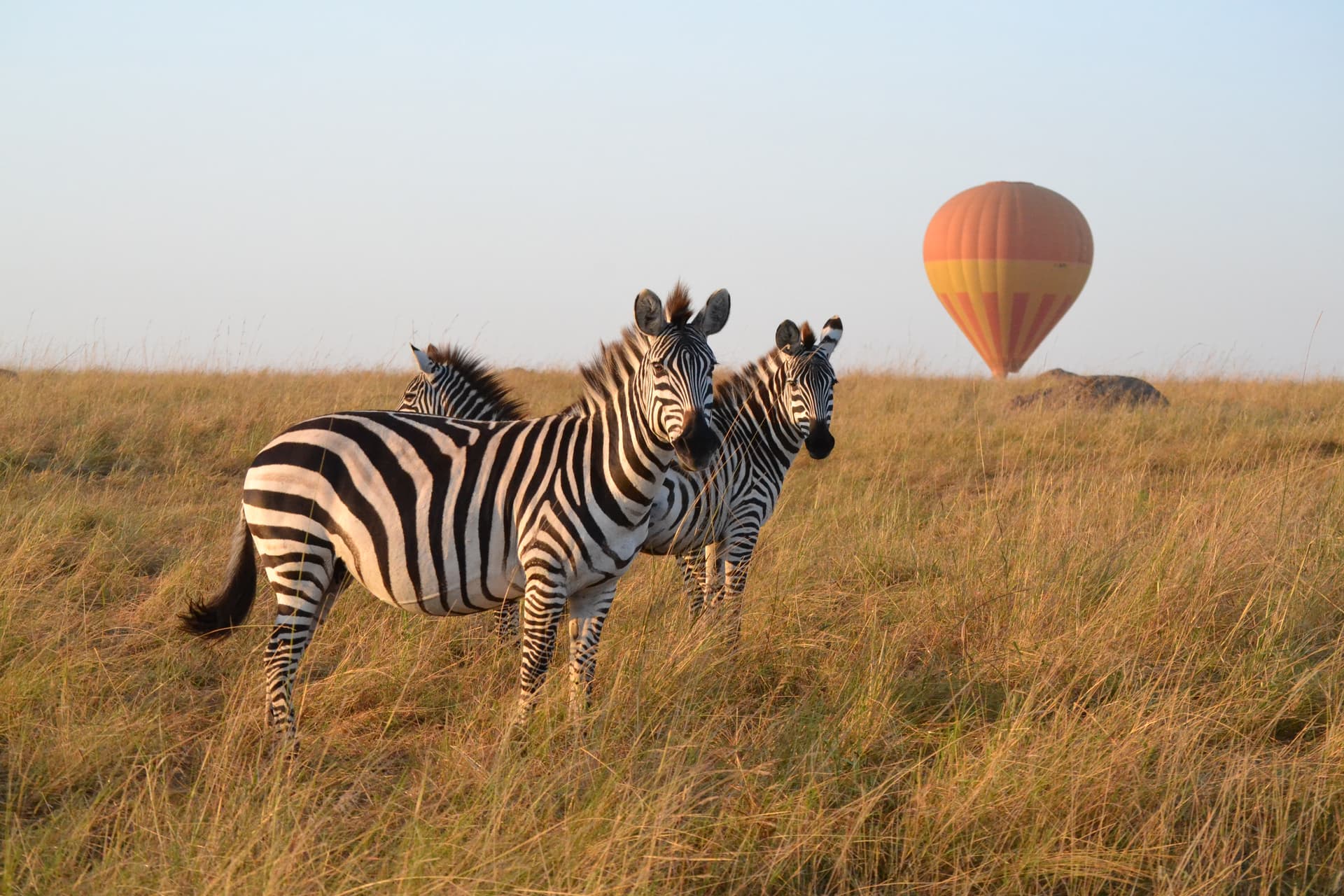
The northern stage of the loop. From August to October the herds spill across the Mara River into Kenya for heart-stopping crossings, with superb resident big cats and balloon safaris all year.

 KE
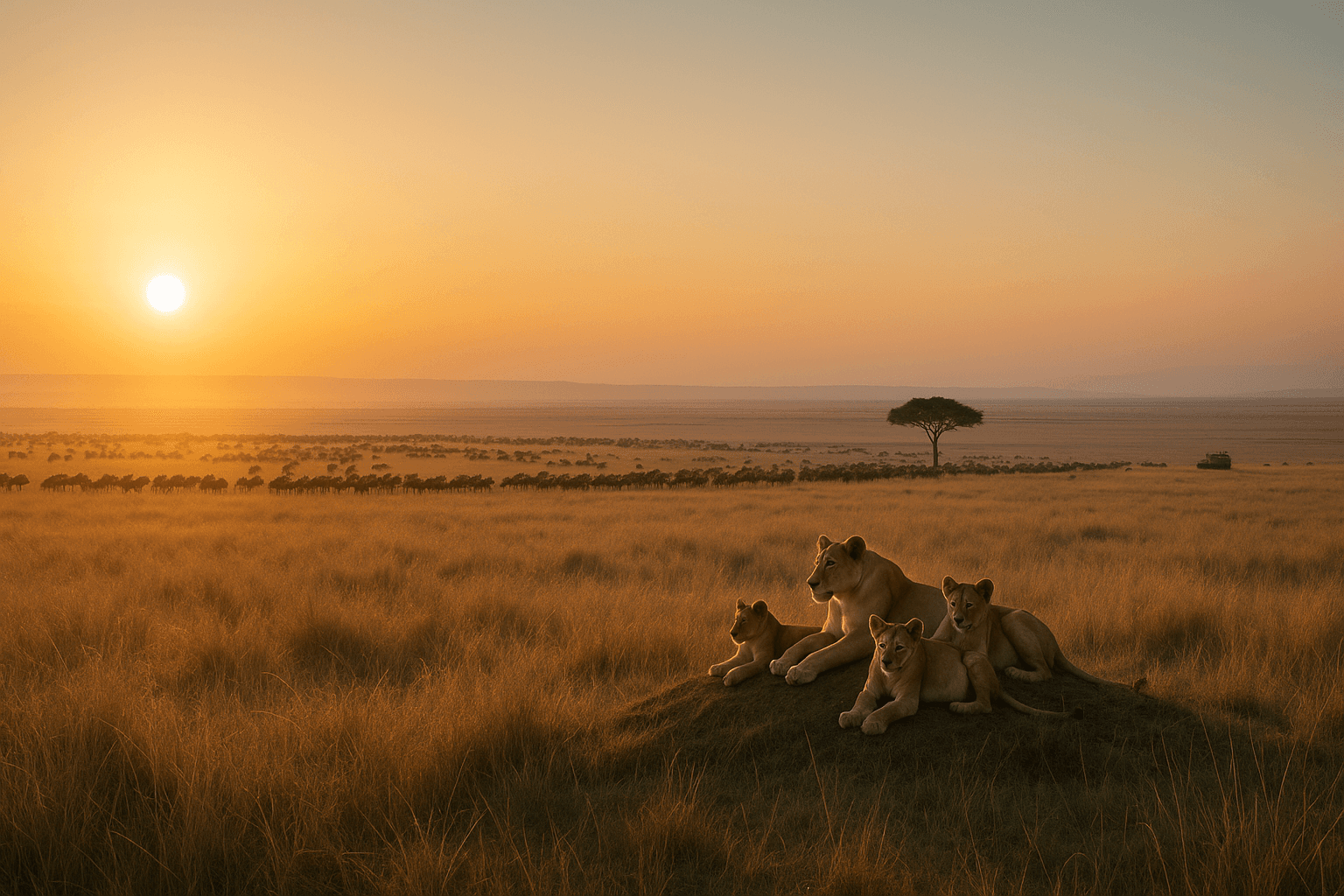
KEThe Masai Mara National Reserve in southwestern Kenya is a premier 1,510-square-kilometre wildlife sanctuary. Renowned for the annual Great Wildebeest Migration from July to October, it offers exceptional year-round Big Five viewing across open savannahs. The reserve is contiguous with Tanzania's Serengeti, forming a critical, biodiverse transboundary ecosystem.
August and September are the strongest months for a safari in the Masai Mara if your dream is to see large herds, predator pressure and possible river crossings. Yet crossings cannot be guaranteed. Herds respond to rainfall, grass quality, river levels, disturbance, predator movement and the pressure of vehicles. A wildebeest can stand above the Mara River for hours, then turn away for reasons that make perfect sense to the animal and none to the traveller.
“Our guide rule is simple: never chase a crossing at the expense of the safari. The best Mara days often begin with patience at the river and end with lions, cheetah or leopard away from the crowd.”
For migration-focused guests, staying inside the Reserve or Mara Triangle keeps you close to key river systems and early-morning game routes. Private conservancies north of the Reserve are better for lower vehicle density, controlled off-road access where permitted, night drives in designated areas and a more private africa safari rhythm. We often combine both when budget allows.
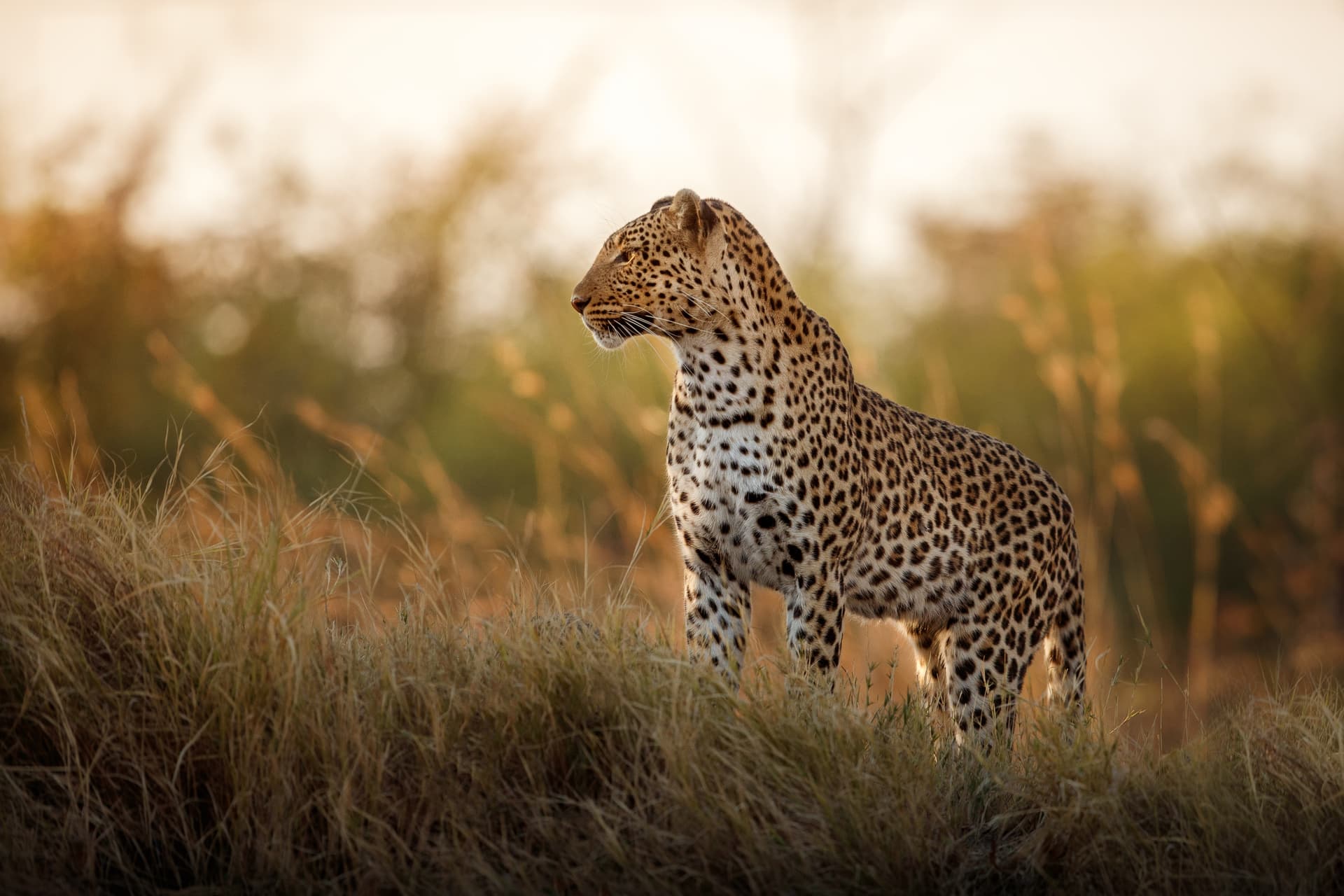
The phrases africa the big five and africa the big 5 sound simple, but in Kenya the reality is spatial. Lion, leopard, elephant and buffalo are strong possibilities in the Masai Mara, while rhino viewing is more reliable when you add Lake Nakuru or Ol Pejeta Conservancy. For a structured route, our 8-Day Kenya Big Five Safari works especially well in June, August, September and February.
 KE
KEKenya · Masai Mara National Reserve
August and September are best for density: short grass, dry-season water dependence and active predator-prey dynamics make sightings more legible. February is underrated because resident wildlife is excellent, lodges feel calmer and the light can be superb. June is the value-led Big Five month because conditions are improving quickly after the rains, while costs have not yet reached the full migration peak.
Rhino is the main reason not to rely on the Mara alone for an africa big five safari. Lake Nakuru National Park was expanded to 188 km² in 1974 and became Kenya’s first government-managed rhino sanctuary in 1987, making it a practical addition between Nairobi and the Mara.
Kenya is not only the Masai Mara. Amboseli National Park, Laikipia, Samburu, Lake Nakuru and Tsavo each have distinct seasonal strengths. The best safari in Kenya often uses the Mara as one chapter rather than the whole book.

 KE
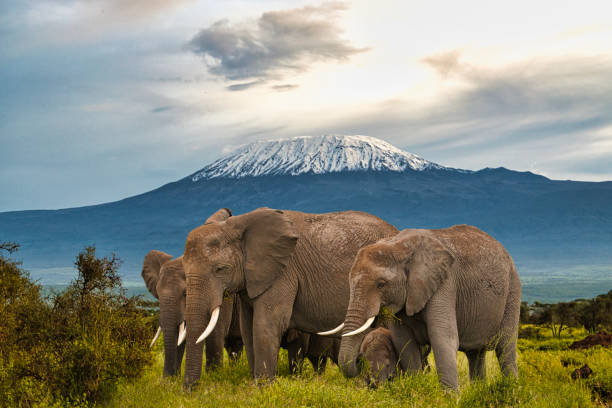
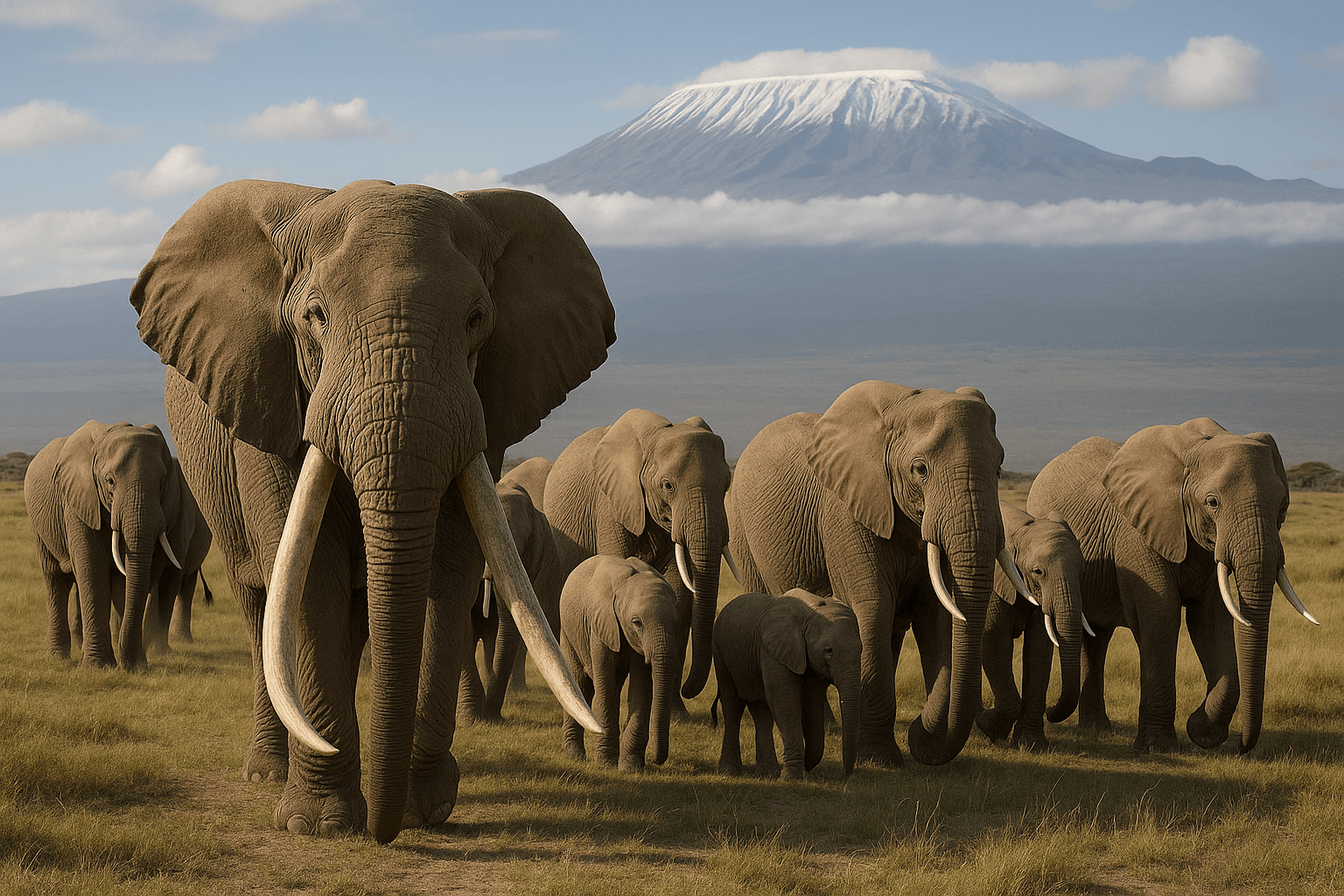
KEExperience the beauty of Amboseli National Park, one of Kenya's most famous safari destinations, renowned for its large herds of free-roaming elephants and breathtaking views of Mount Kilimanjaro, Africa's highest peak. Located in southern Kenya near the Tanzania border, Amboseli offers exceptional wildlife viewing, diverse habitats, and unforgettable photographic opportunities. From thrilling game drives and birdwatching adventures to cultural encounters with the Maasai community, Amboseli National Park delivers an authentic African safari experience surrounded by stunning landscapes and abundant wildlife.
Amboseli is strongest from June to October and again in January to February, when elephants use the swamp systems and dawn visibility towards Mount Kilimanjaro is often clearer before heat haze builds. The phrase Amboseli National Park Mt Kilimanjaro views matters because the mountain is weather-sensitive: early starts, cooler air and patient guides are far more important than luck alone. The 2024/25 National Wildlife Census recorded 2,113 elephants in the Greater Amboseli survey area, compared with 1,641 in 2021.
Laikipia and Samburu offer a different register: drier, more open, less migration-dependent and excellent for guests who want conservation depth and crowd avoidance. Samburu National Reserve is particularly rewarding in the dry months, when wildlife concentrates along the Ewaso Nyiro River and species such as Grevy’s zebra, reticulated giraffe, gerenuk, Beisa oryx and Somali ostrich give the north its own identity.
Tsavo East National Park covers 13,747 sq km, records about 500 bird species, and lists a non-resident adult entry fee of USD 80 on the Kenya Wildlife Service page. Its scale makes it feel wilder and less compressed than the Mara, especially for guests combining Amboseli, Tsavo and the coast.
First-timers should choose August if spectacle is the goal, or September if they want a more polished version of the same season. For a first safari in the Masai Mara, we prefer three nights as an absolute minimum; four nights is better in migration months because it gives the herds time to move and the guest time to settle.

Which Kenya safari month suits your travel style?
KEKenya · Amboseli National Park
Photographers should consider February, June, September and early October. February gives cleaner vehicle spacing and more relaxed subjects. June gives green backdrops with improving access. September gives dust, drama and long golden evenings. Honeymooners often prefer September because it feels less frantic than August but still deeply alive.
Families need a different calculation. July and August align with northern-hemisphere school holidays, so family tents, interconnecting rooms and the best guides book early. June or September may suit families better if school dates allow. For guests travelling with children, our 10-Day Kenya Family Safari uses pacing, pool time and short transfers as deliberately as game drives.
Solo travellers and repeat guests often enjoy November, February or June, when camps are more conversational and guides have more room to explore. Travellers seeking an affordable safari should not strip out guiding quality first; reduce internal flights, avoid over-expensive peak dates, choose fewer bases and spend longer in each place.
Kenya safari season affects both availability and cost. Peak migration months bring the greatest pressure on rooms, guides, vehicles, balloon slots and light-aircraft seats. In 2026 the fee structure makes the July shift especially important: published Masai Mara non-resident adult entry fees are USD 100 per person from 1 January to 30 June and USD 200 from 1 July to 31 December; children aged 9–17 are USD 50 and ages 0–8 enter free.
An affordable safari is still ethical and comfortable when it uses licensed guides, properly maintained vehicles, fair driving distances and reputable camps. A low price becomes a warning sign when it hides park fees, forces rushed routing, uses unsuitable vehicles or underpays the people responsible for your safety and wildlife interpretation.
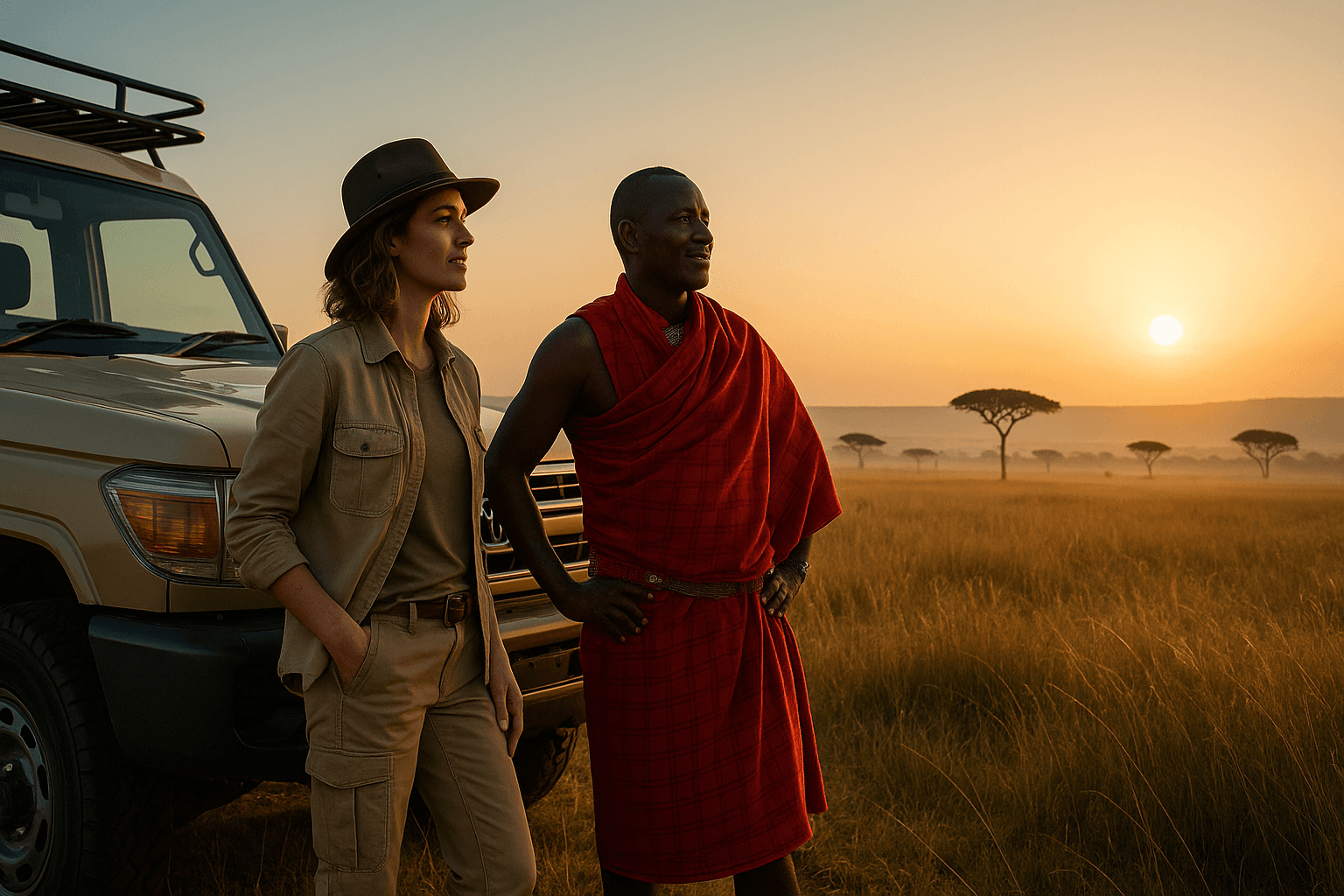
Where you sleep changes how your safari behaves. Inside the Masai Mara National Reserve, you are well placed for early starts towards the central plains and river systems. In the Mara Triangle, access to the western sector and Mara River can be highly practical in migration months. In private conservancies such as Mara North, Naboisho, Olare Motorogi and Ol Kinyei, vehicle density is usually lower and guiding can feel more flexible.

 KE
KEWhere Wildlife, Comfort, and Adventure Meet
Masai Mara, Kenya
Best Location
For August, we like a split stay: two or three nights in a migration-focused Reserve or Mara Triangle base, followed by two or three nights in a conservancy for privacy, night drives where permitted and slower big-cat work. This protects the guest experience when river areas become busy.
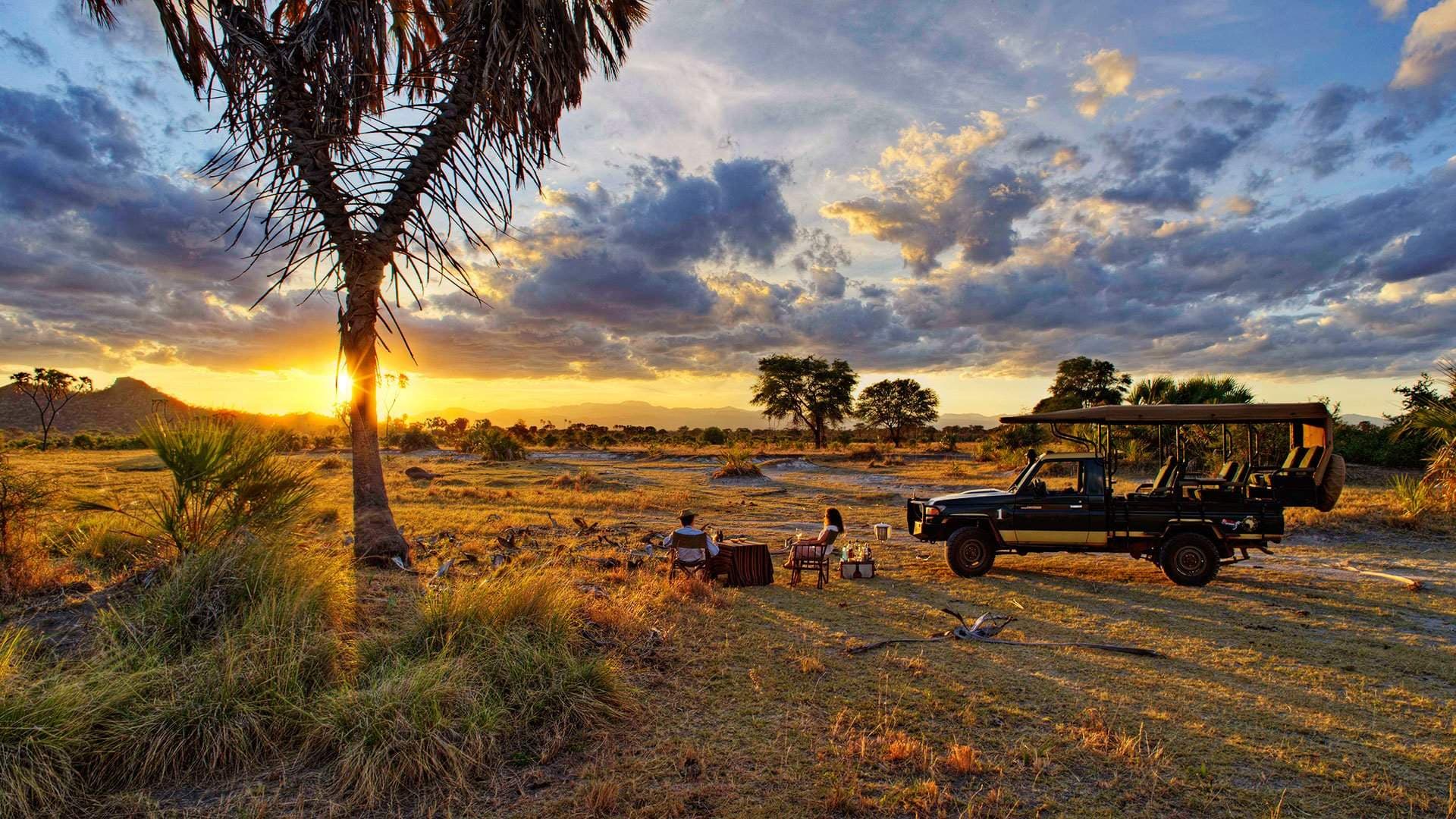
Lodges such as Sarova Mara Game Camp can be practical for families and guests who prefer larger facilities, while Mara Serena Safari Lodge is well positioned for parts of the Mara Triangle and escarpment views. Fly-camps and mobile camps suit adventurous repeat guests, especially in June, September and October, but they should be chosen for guiding quality rather than romance alone.
To choose the right safari in Kenya month, begin with your non-negotiable wildlife priority. If it is migration crossings, accept the cost and book August or September. If it is rhino plus big cats, use a Mara, Lake Nakuru and Ol Pejeta combination. If it is elephants and Kilimanjaro, give Amboseli at least two nights and start before sunrise.
As an East African luxury safari operator based in Nairobi, our role is to design around probabilities, not promises. Imara Africa Safaris can increase your odds through timing, routing and guide choice, but we will never guarantee a river crossing or a leopard on a particular branch.
The routes below are starting points. We adjust them around flight schedules, lodge availability, family ages, mobility, photography goals and whether guests want broader africa safaris across Tanzania, Uganda or Rwanda.
Migration travellers often ask whether to combine Kenya with Tanzania. If you are comparing the Serengeti and Mara, our Kenya versus Tanzania safari guide helps explain how the same ecosystem behaves differently on each side of the border. For broader Africa safaris, a Kenya safari can pair beautifully with Uganda’s Bwindi Impenetrable Forest or Rwanda’s Volcanoes National Park after the savannah portion.
Our recommendation is clear: choose August for spectacle, September for balance, June for value and February for green-season specialists. If you have fixed dates, we design around them. If you have flexibility, we start with the experience you want and then choose the month, park sequence and lodge style that make that experience most likely.
Tell us your dates, budget, wildlife priorities and travel style; our guides will shape a 2026 Kenya safari around real seasonal probabilities, not generic promises.
For most guests, the strongest 2026 plan is four nights in the Mara ecosystem paired with two or three nights in a contrasting region: Amboseli for elephants and Kilimanjaro, Ol Pejeta for rhino and conservation, Samburu for northern species, or Lake Nakuru for efficient Big Five support. That approach avoids the common mistake of turning a safari in Kenya into a single-park gamble.
Speak with Imara Africa Safaris for date-specific lodge availability, guide recommendations and realistic migration advice. We protect your safari through private guiding where it matters, carefully paced routing, honest expectations and camp choices that match the month rather than simply following the loudest trend in africa Kenya safaris.
Key facts at a glance
According to the Kenya Meteorological Department’s JJA 2026 outlook, issued on 30 May 2026, June to August is not considered a major rainfall season in Kenya. Most areas are generally dry during this period, with average temperatures typically ranging from 16°C to 30°C, depending on the region.
Lake Nakuru National Park was expanded to 188 km² in 1974 and became Kenya’s first government-managed rhino sanctuary in 1987. Today, it remains one of the country's leading conservation success stories and an important refuge for both black and white rhinos.
Decide whether you want Mara River crossings, africa the big five, elephant photography, rhino viewing, birding or a quieter family safari.
Use August or September for Masai Mara migration, June for shoulder value, February for green-season cats, and July–October for Amboseli’s dry-season elephant concentrations.
In 2026, Masai Mara fees and peak lodge demand make July–December planning materially different from January–June.
Do not chase the cheapest quote if it compromises private guiding, vehicle space, ethical wildlife positioning or realistic migration timing.
Pair the Masai Mara with Amboseli, Lake Nakuru, Ol Pejeta, Samburu or Tsavo to avoid over-reliance on one seasonal event.
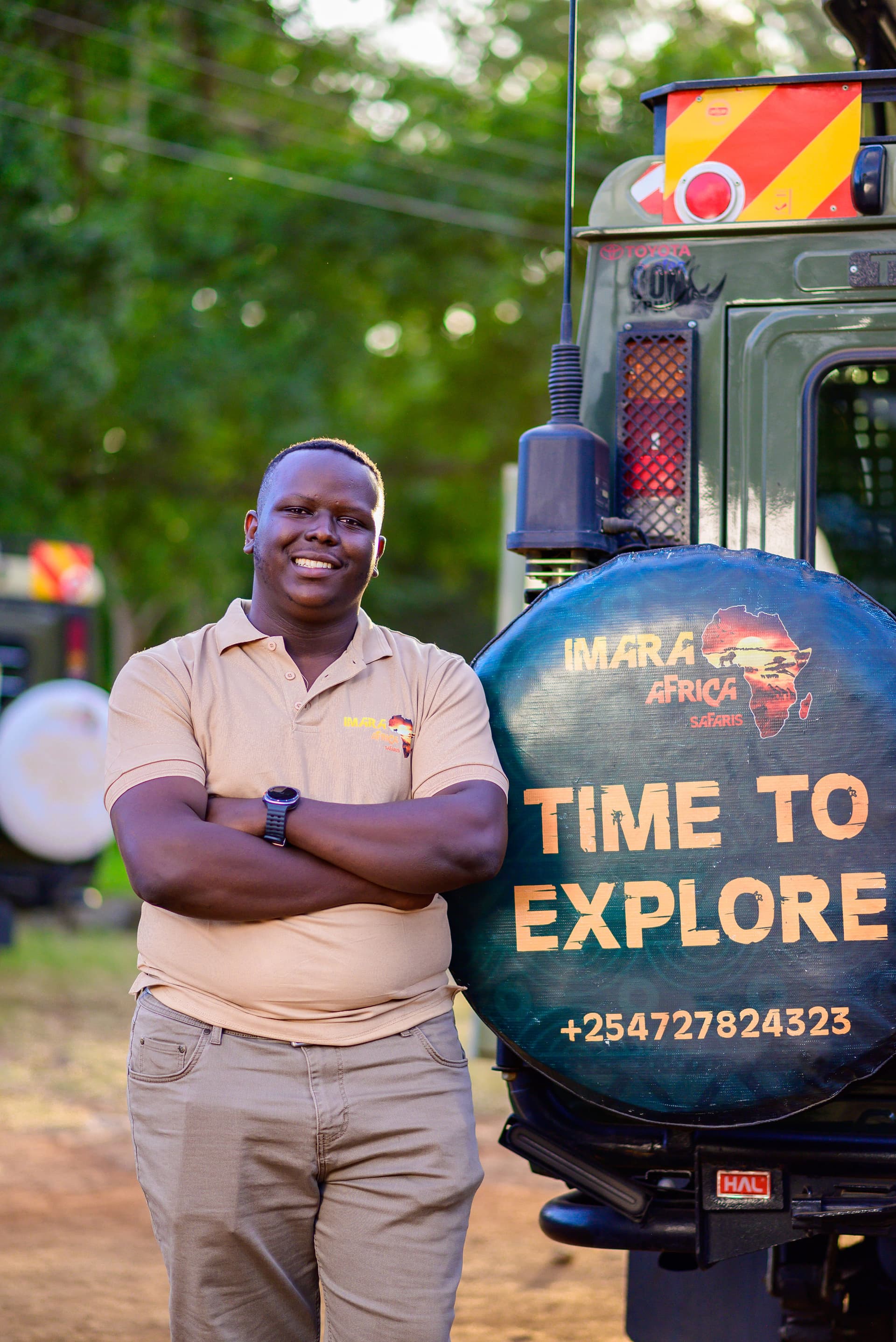
Lewis Munuhe
Founder & Director
Lewis founded Imara Africa Safaris with a vision to share the magic of East Africa with the world while supporting local communities and conservation. A lifelong wildlife enthusiast, he personally vets every experience offered.
Lewis Munuhe
Founder & Director
Lewis founded Imara Africa Safaris with a vision to share the magic of East Africa with the world while supporting local communities and conservation. A lifelong wildlife enthusiast, he personally vets every experience offered.
Lewis Munuhe
Founder & Director
Lewis founded Imara Africa Safaris with a vision to share the magic of East Africa with the world while supporting local communities and conservation. A lifelong wildlife enthusiast, he personally vets every experience offered.
Our trips
 Featured8d
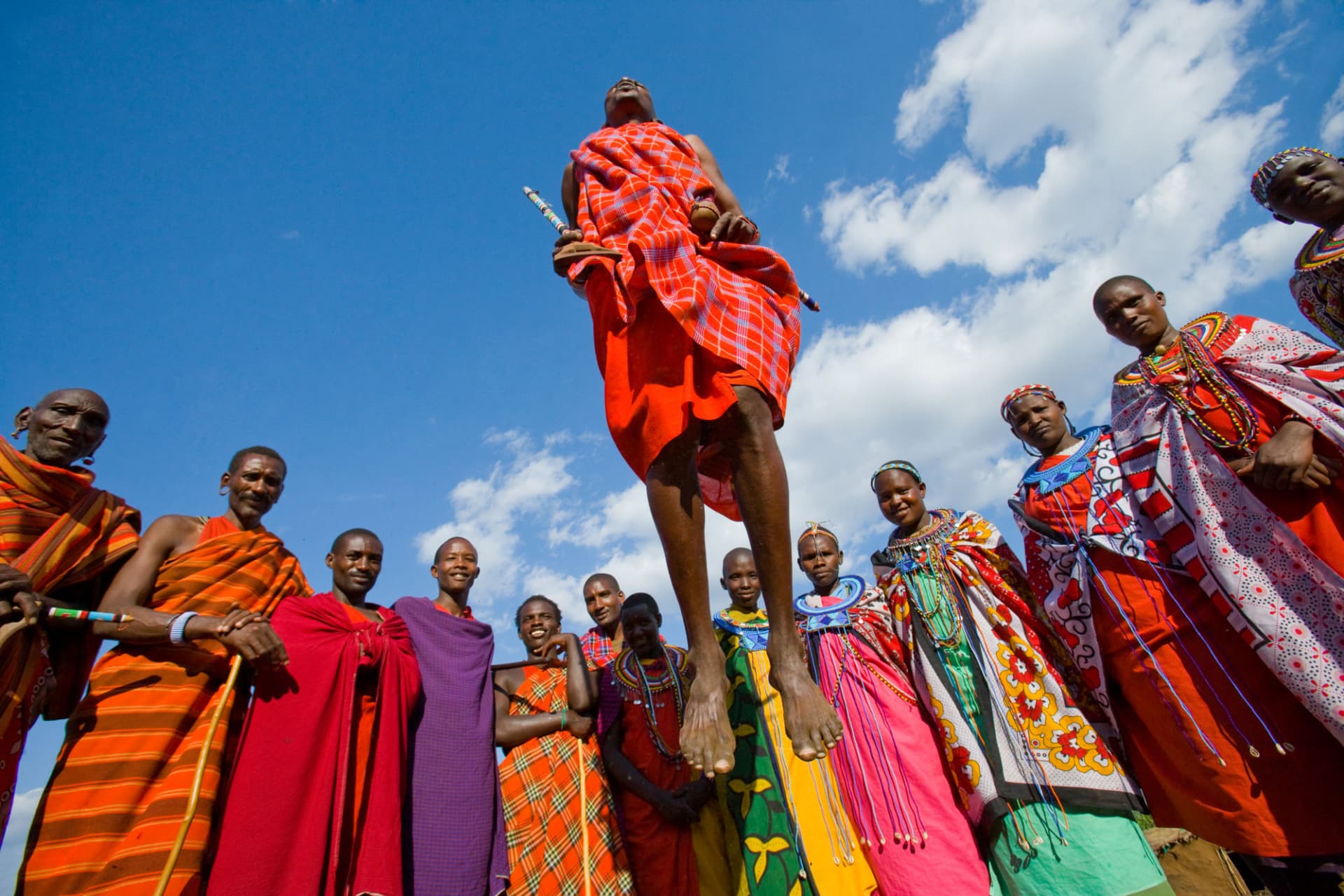 Kenya SafarisKenya Cultural Safari Experiences: practical guide 2026By Lewis Munuhe·23m read·1 views
18°C
overcast clouds
Feels like 17° · 72% humidity
🦁Right now in the bush: Night drive hour — hyenas, bushbabies, leopards.
Comments
Loading…