
Expert Advice: solo safari in kenya for 2026/27
A solo safari in kenya can be safe, sociable and richly rewarding when routes, camps and transfers are handled well. Here is our 2026 field advice.
28 min read70viewsUpdated Sep 28, 2026
“Imara” means strong in Swahili. We build every safari with that same strength — expert knowledge, honest pricing, and relentless attention to detail.
Tell us what you're looking for — we reply within minutes and send a free, no-obligation custom itinerary within 24 hours.
Start PlanningNo spam, ever. Unsubscribe anytime.
Protected by Cloudflare Turnstile & Google reCAPTCHA. Privacy & Terms apply.
Safari deals, travel tips & destination guides — straight to your inbox.
No spam, ever. Unsubscribe anytime.
Protected by Cloudflare Turnstile & Google reCAPTCHA. Privacy & Terms apply.
A solo safari in kenya can be safe, sociable and richly rewarding when routes, camps and transfers are handled well. Here is our 2026 field advice.
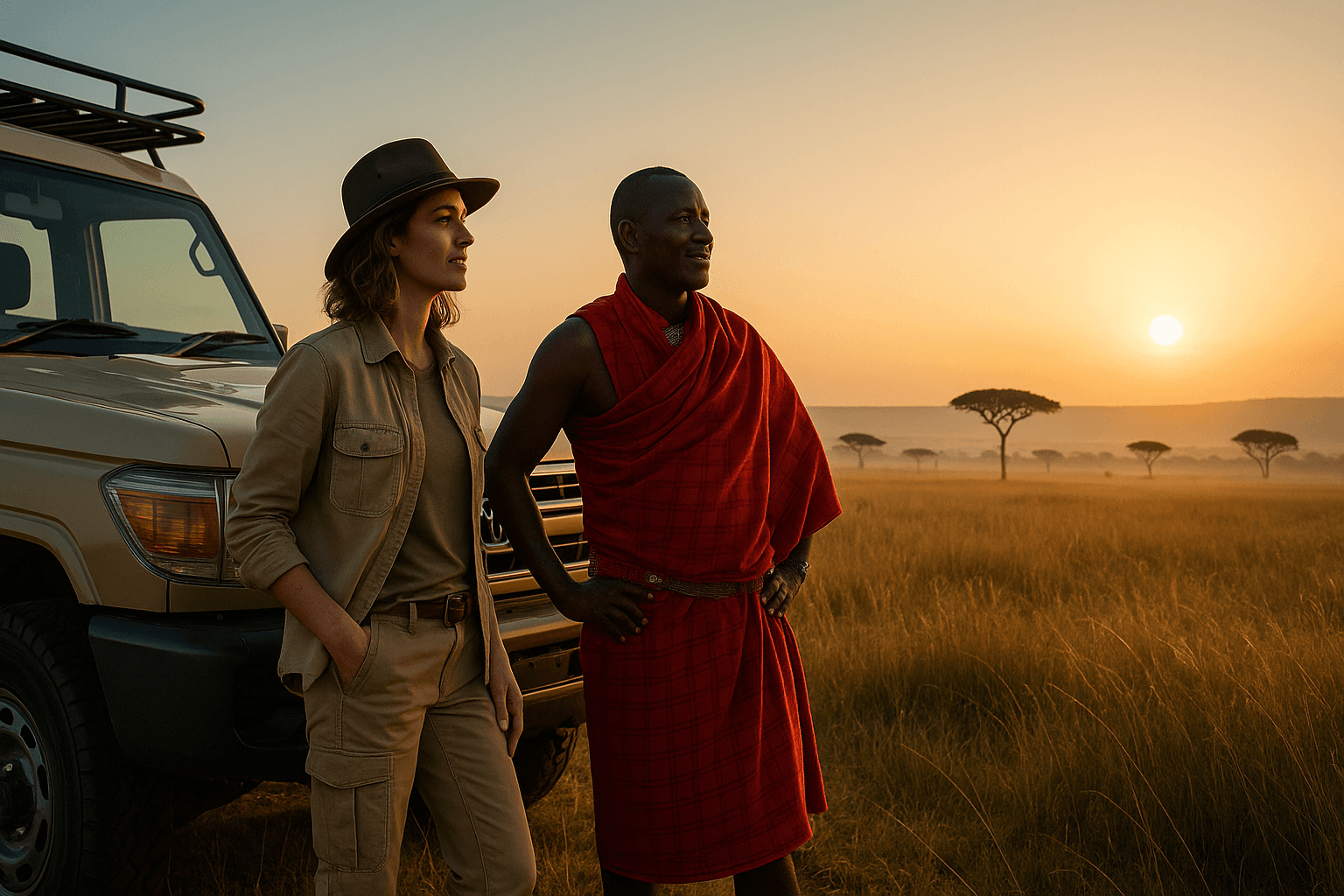
Yes, a solo safari in Kenya can be safe and deeply rewarding when the logistics are professionally managed. The important nuance is that Kenya is not a country for casual, improvised movement between cities, airports, remote roads and park gates. Safari areas such as the Masai Mara National Reserve, Amboseli, Lake Nakuru and Ol Pejeta are well established, but the safety margin comes from controlled transfers, known drivers, clear timings and lodges that are expecting you.
For one traveller, the first handover matters more than many people realise. We arrange a named meet-and-greet at Jomo Kenyatta International Airport, confirm vehicle registration details, share guide contacts before arrival and keep road transfers within sensible daylight windows. Couples or families can cross-check decisions among themselves; a solo traveller depends more heavily on the operator’s communication rhythm.
Current advisory reality calls for prudence, not panic. The U.S. State Department lists Kenya at Level 2, “Exercise increased caution”, while the UK FCDO advice was still current on 16 June 2026 and warns against travel to specific border and coastal areas, especially near Somalia and parts of the northern coast. These are not the normal safari routes we use for first-time solo guests. Nairobi requires urban awareness: planned transfers, low-profile valuables and no walking alone at night.
Solo female safari Kenya planning should include discreet lodge selection, escorted movement after dark, a guide who checks in without hovering and a room that feels secure but not isolated. LGBTQ+ travellers should discuss comfort levels privately before booking; we can recommend camps with mature, international management and avoid unnecessary exposure in public settings. Older travellers benefit from shorter transfer days, rooms near the main area, step-free access where possible and guides who are patient with vehicle steps, comfort breaks and medication schedules.
Kenya is one of the strongest places in Africa for a first independent safari because it combines high wildlife density, experienced guiding culture, short internal flights and lodges used to hosting sociable guests without forcing group activity. If you are comparing broad africa safaris or typing “africa safari” into search, Kenya is the country that most consistently balances big wildlife, accessible routing and cultural depth.
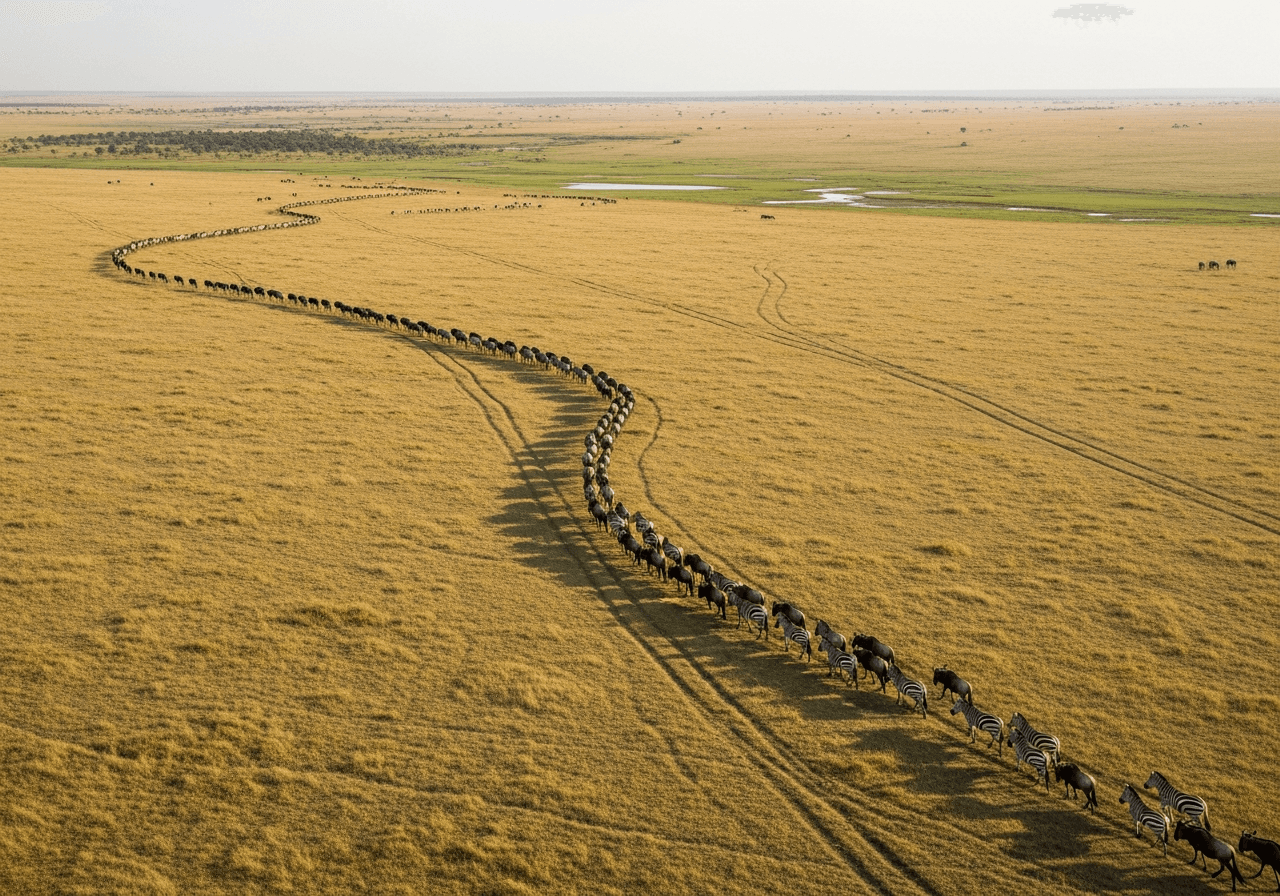
A safari in the Masai Mara is often the most rewarding first solo safari because the landscape is open, predators are well studied and a skilled guide can build the day around animal behaviour rather than a fixed sightseeing list. The Masai Mara National Reserve covers about 1,510 km², sits roughly 230 km from Nairobi and supports 95+ mammal species and 570+ bird species, which is why the Mara remains central to many Kenya safaris.
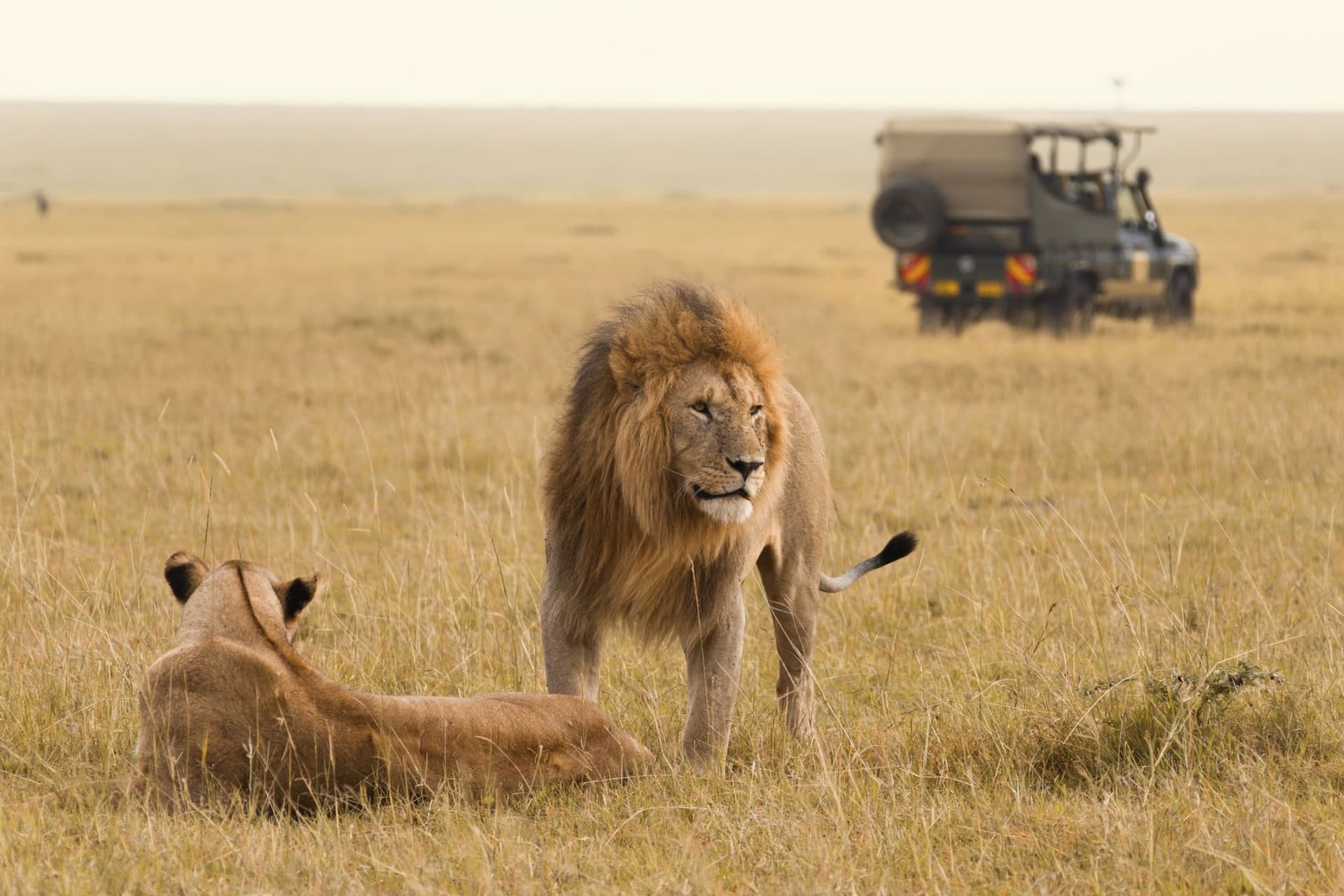
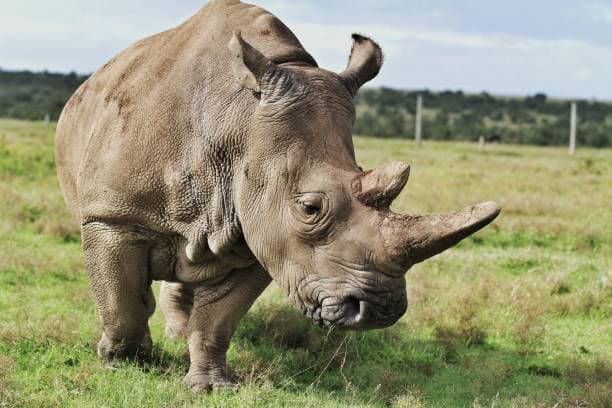
For classic africa the big five or africa the big 5 ambitions, the Mara is excellent for lion, leopard, elephant and buffalo, but rhino strategy needs thought. We often add Ol Pejeta Conservancy or Lake Nakuru National Park rather than pretending the Big Five will simply appear in one reserve. For specialist travellers, Kenya also offers Amboseli’s elephants, Laikipia conservation projects, Rift Valley birds and conservancy night drives beyond the standard tick-list safari.
If the Mara is your anchor, read our Masai Mara guide before choosing between the main reserve, Mara Triangle and private conservancies such as Mara North Conservancy. The right base changes your solitude, vehicle density, night-drive options and dining style.
16 June 2026 falls at the end of Kenya’s long-rain period and the beginning of the dry-season planning window. Expect green plains, cooler mornings, some residual mud on lesser-used tracks and improving visibility as grass gradually shortens. It is a good month for travellers who like atmosphere more than spectacle: fewer peak-season vehicles, dramatic skies and good photographic colour.
At a glance

 KE
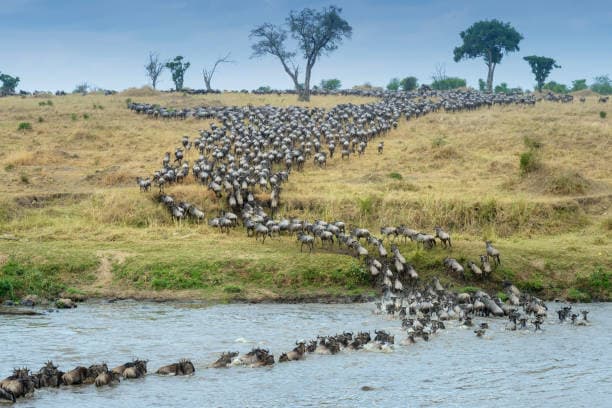
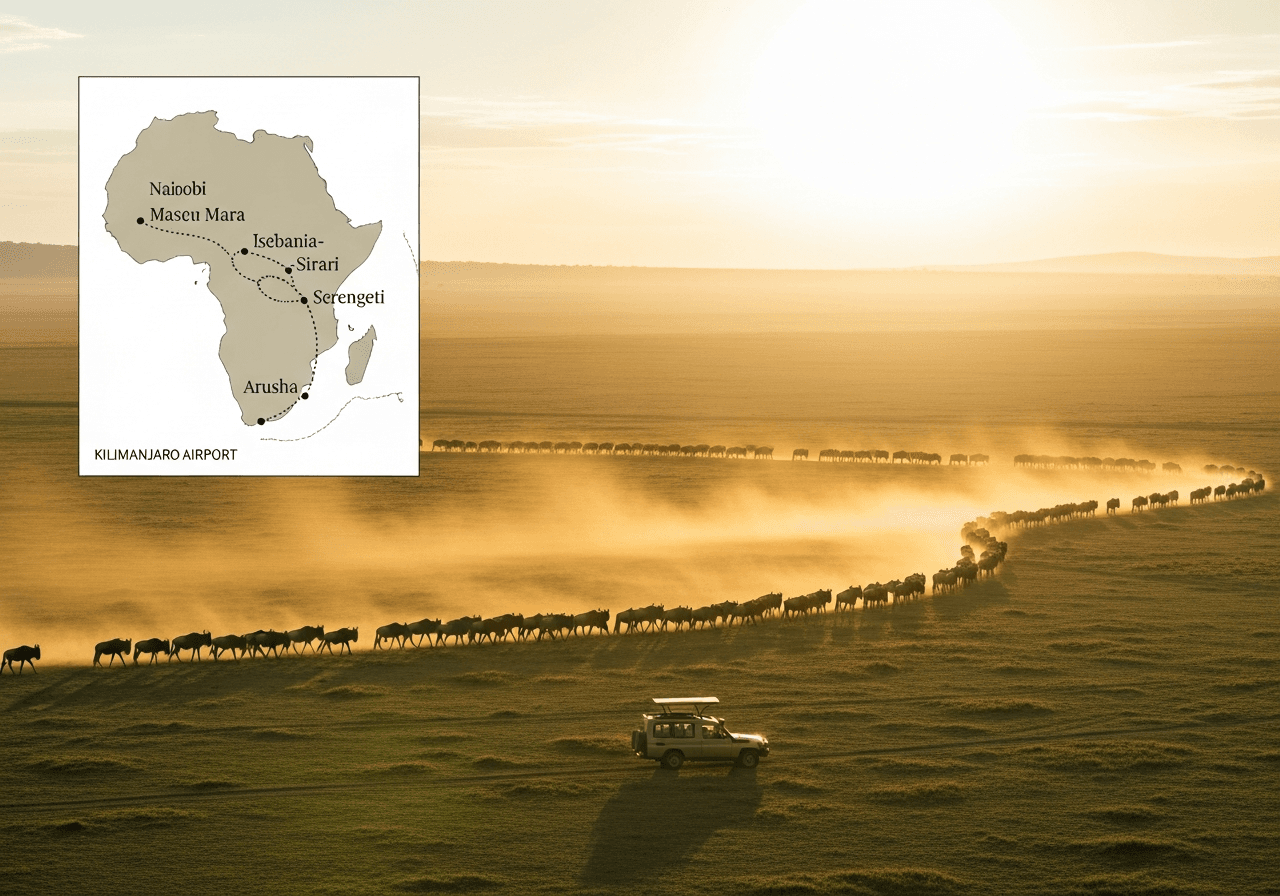
KEThe Masai Mara National Reserve in southwestern Kenya is a premier 1,510-square-kilometre wildlife sanctuary. Renowned for the annual Great Wildebeest Migration from July to October, it offers exceptional year-round Big Five viewing across open savannahs. The reserve is contiguous with Tanzania's Serengeti, forming a critical, biodiverse transboundary ecosystem.
 KE
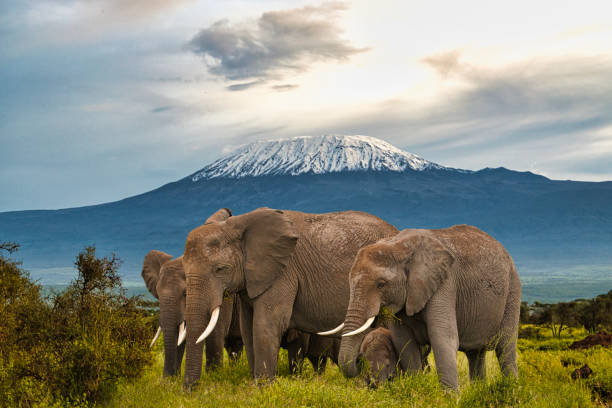
KEExperience the beauty of Amboseli National Park, one of Kenya's most famous safari destinations, renowned for its large herds of free-roaming elephants and breathtaking views of Mount Kilimanjaro, Africa's highest peak. Located in southern Kenya near the Tanzania border, Amboseli offers exceptional wildlife viewing, diverse habitats, and unforgettable photographic opportunities. From thrilling game drives and birdwatching adventures to cultural encounters with the Maasai community, Amboseli National Park delivers an authentic African safari experience surrounded by stunning landscapes and abundant wildlife.
 KE
KENairobi National Park offers a rare safari experience just minutes from the city, where wildlife roams freely against an urban backdrop. It’s perfect for a quick yet authentic introduction to Kenya’s wildlife.
 KE
KEDiscover Nairobi, the dynamic capital city of Kenya and the gateway to East Africa's most incredible safari experiences. Known as the "Green City in the Sun," Nairobi combines modern skyscrapers, rich cultural heritage, world-class restaurants, thriving nightlife, and unique wildlife attractions. Visitors can enjoy Nairobi National Park, the Giraffe Centre, David Sheldrick Wildlife Trust, museums, shopping centers, and vibrant local markets. Whether you're beginning a safari adventure, exploring Kenya's culture, or enjoying a city break, Nairobi offers unforgettable experiences for every traveler.
 KE
KEDiscover Meru National Park, one of Kenya's most spectacular and least-crowded safari destinations. Famous as the home of Elsa the Lioness from the iconic Born Free story, the park offers breathtaking landscapes, abundant wildlife, and authentic safari experiences away from the crowds. Visitors can explore vast savannahs, riverine forests, swamps, and palm-lined rivers while spotting elephants, lions, leopards, cheetahs, rhinos, and over 400 bird species. Meru National Park combines wilderness, conservation, and adventure, making it one of Kenya's most rewarding hidden safari gems.
 KE
KEExperience the beauty of Lake Nakuru National Park, one of Kenya's most celebrated wildlife destinations, famous for its thriving rhino populations, diverse birdlife, and breathtaking Great Rift Valley landscapes. Nestled around the scenic Lake Nakuru, the park offers exceptional wildlife viewing, including lions, leopards, Rothschild's giraffes, buffaloes, and hundreds of bird species. Whether you're seeking a rewarding safari, birdwatching adventure, or stunning photography opportunities, Lake Nakuru National Park provides an unforgettable wildlife experience in the heart of Kenya.
 KE
KEDiscover Lake Naivasha, one of Kenya's most beautiful freshwater lakes and a popular destination in the Great Rift Valley. Surrounded by lush landscapes, acacia forests, and abundant wildlife, Lake Naivasha offers unique experiences including boat safaris, walking safaris, birdwatching, and close encounters with hippos and giraffes. Whether exploring Crescent Island, enjoying a scenic boat ride, or relaxing at a lakeside lodge, Lake Naivasha provides the perfect blend of nature, adventure, and tranquility for travelers seeking unforgettable experiences in Kenya.
June is also the last sensible value window before the July–October Mara crush. The migration is never a guaranteed appointment, but demand for beds in the Masai Mara rises sharply once travellers start targeting river-crossing season. A solo safari in Kenya booked for June can often secure better rooms, calmer shared drives and more flexible guides than the same itinerary in August.
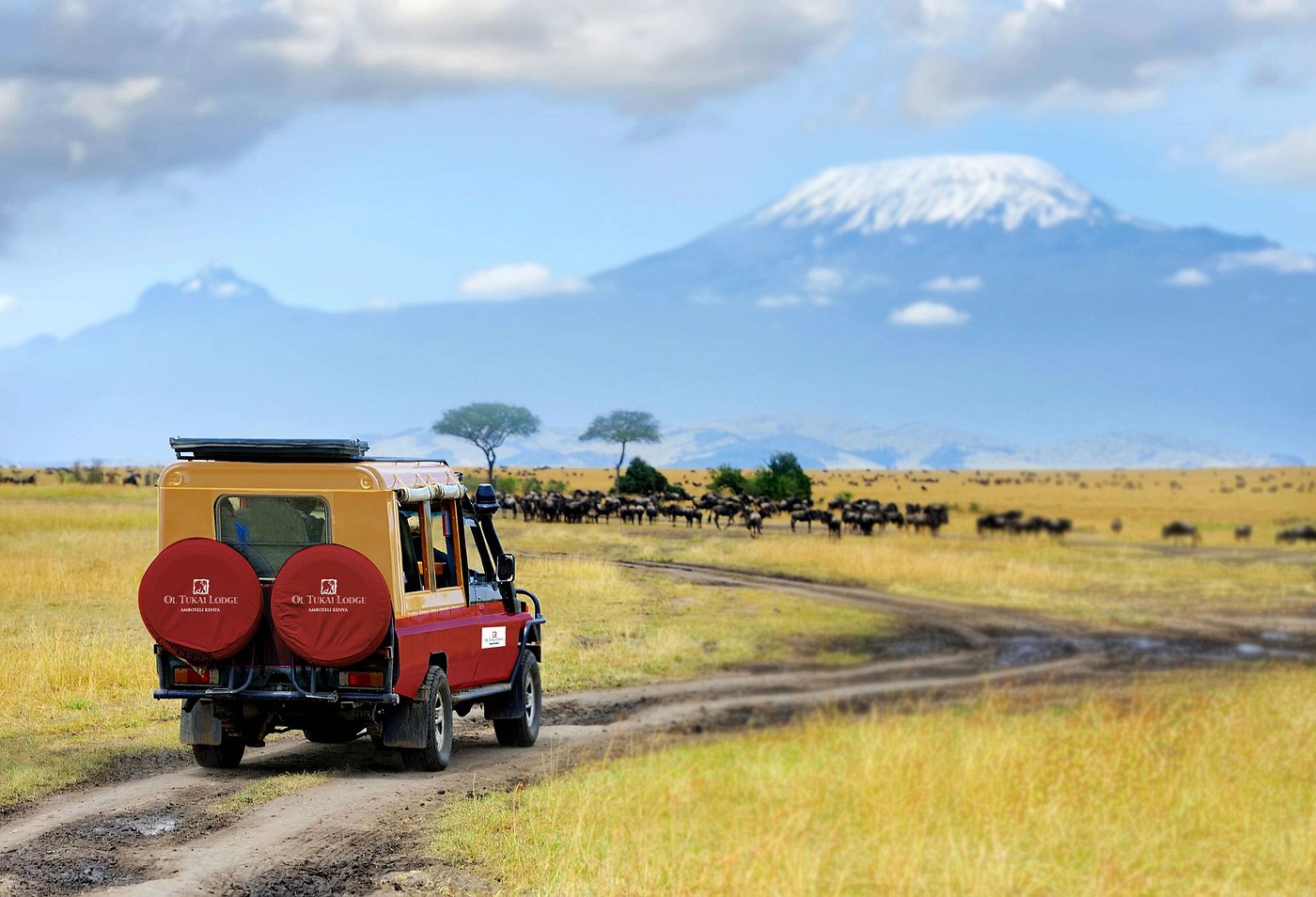
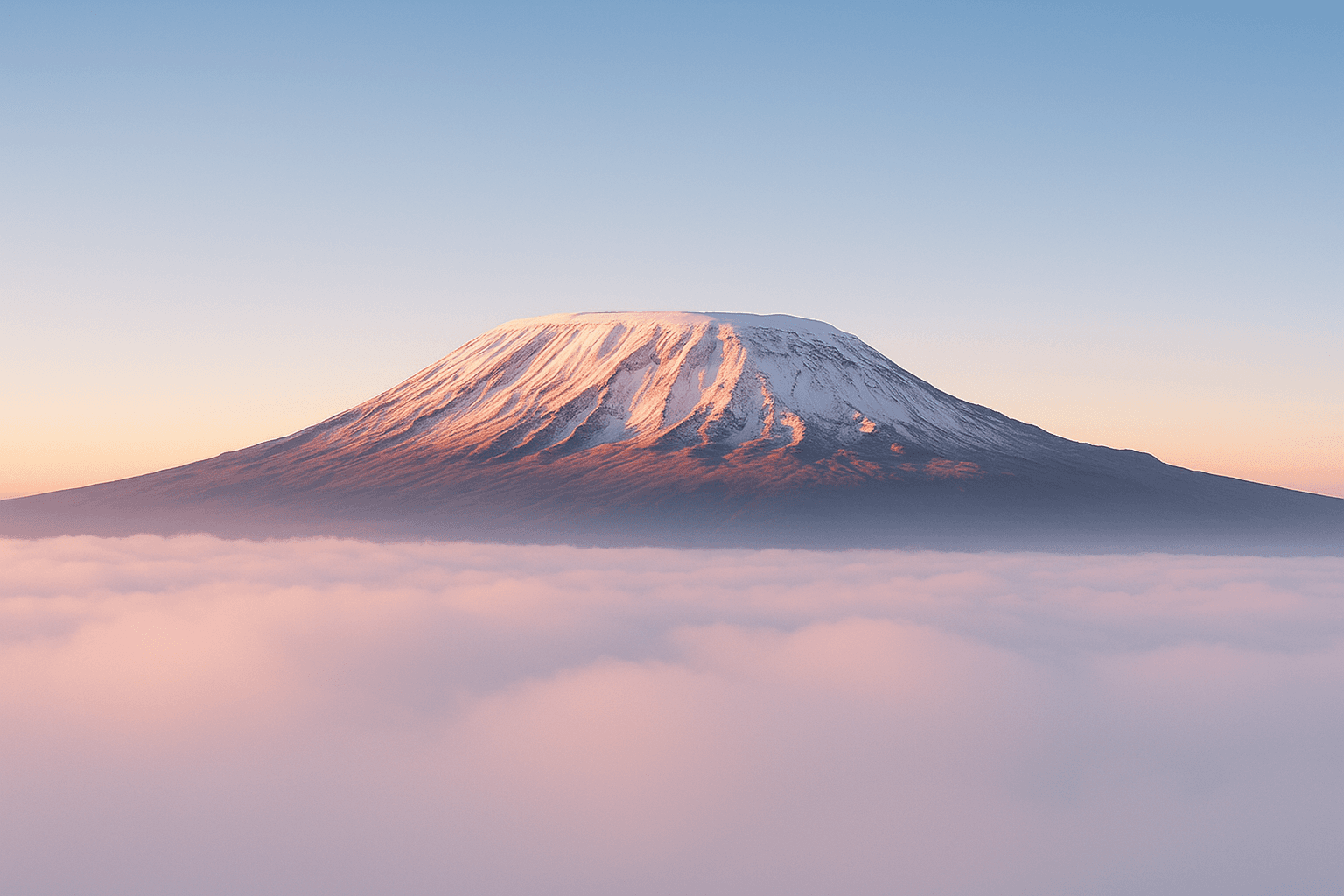
Amboseli National Park Mt Kilimanjaro views are usually best in the early morning before cloud builds over the mountain. Amboseli is 392.06 km² and forms the core of an 8,000 km² ecosystem; recorded birdlife exceeds 400 species, and Mount Kilimanjaro rises to 5,896 m across the border in Tanzania. For one traveller with a camera, that first pale light over elephants in the marshes is worth the early wake-up.
The classic first-timer route is Nairobi, Amboseli National Park, Lake Naivasha or Lake Nakuru, and the Masai Mara. It works because the journey builds gradually: elephants and Kilimanjaro, Rift Valley water and birds, rhino strategy, then the predator-rich Mara. Road transfers are substantial but manageable when broken properly.
KEKenya · Masai Mara National Reserve
A private safari Kenya arrangement gives the strongest safety rhythm: one vehicle, one guide, one clear chain of communication and the freedom to start early, wait patiently at a leopard sighting or return to camp when you have had enough. The drawback is cost. One traveller carries the full vehicle, fuel and guide cost that would normally be split between two to six guests.
Choose by comfort, budget, social style and wildlife priorities rather than price alone.
A shared safari Kenya option can be excellent when it means shared lodge game drives from a high-quality camp with open vehicles, radio networks, disciplined guest numbers and experienced driver-guides. It is less attractive when it means crowded minibuses, vague accommodation, cash-only park-fee handling or a departure that appears cheap because important items are excluded.
For solo guests, the best lodge is not always the most expensive; it is the one with mature management, escorted movement after dark, clear radio protocols, communal dining if wanted and staff who notice whether you have returned from a drive. We look closely at lighting between tents, room location, guide accommodation and how handovers work at arrival and departure.
 KE
KEWhere Wildlife, Comfort, and Adventure Meet
Masai Mara, Kenya
Best Location
 KE
KEAn Eco-Luxury Safari Oasis Situated Directly Inside Amboseli’s Elephant Heartlands
Amboseli National Park
Best Location
 KE
KEDiscover Authentic African Luxury in the Maasai Mara
Masai Mara, Kenya
Zebra Plains Mara Camp offers a selection of luxury tents that combine comfort with the raw beauty of the Masai Mara. Each tent is spacious and elegantly furnished, with a blend of African-inspired décor and modern amenities. The camp’s tented accommodations include:
 KE
KEA Luxury Riverside Safari Base in the Heart of the Masai Mara
Masai Mara, Kenya
Best Location
 KE
KEExperience the Untamed Beauty of the Maasai Mara
Masai Mara Reserve, Kenya
Eco-Friendly
 KE
KEAn Authentic Bush Experience Surrounded by Natural Beauty
Lake Nakuru National Park
Eco-Friendly
Inside the Masai Mara National Reserve, you gain direct access to early game drives but may face higher park-fee exposure depending on ticket validity and routing. Outside the gates, accommodation can soften cost, though gate timing becomes important. Conservancy camps, including those in Mara North Conservancy, often offer lower vehicle density, night drives where permitted and hosted meals, but conservancy fees must be included transparently.
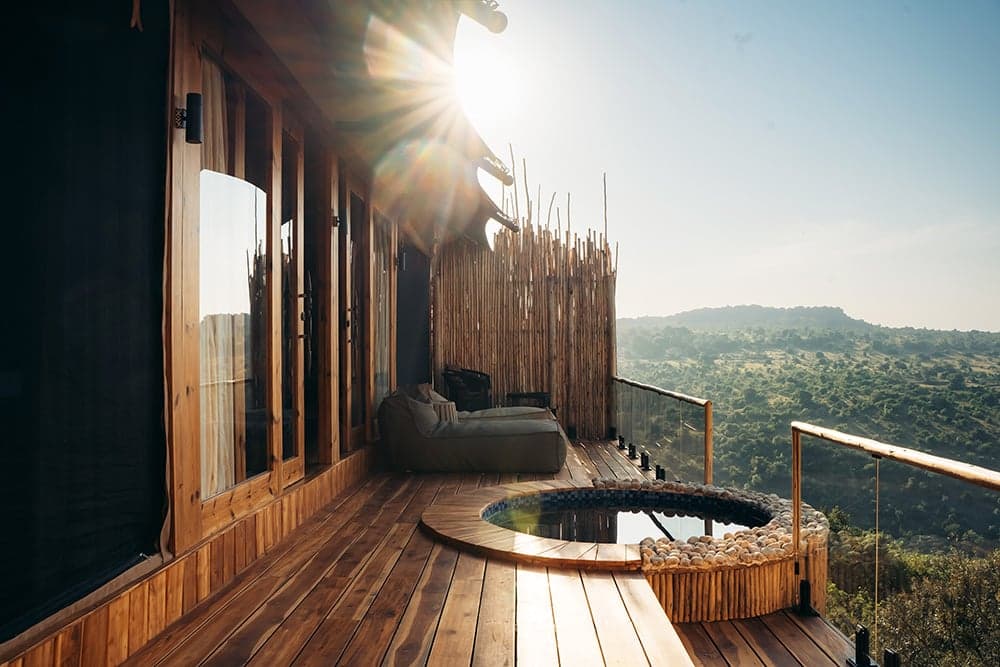
Established safari lodges such as Sarova Mara Game Camp or Ol Tukai Lodge can suit a solo traveller who wants reliable infrastructure, charging points, Wi-Fi in main areas and a less isolated evening atmosphere. Smaller conservancy camps suit travellers who prefer hosted tables, serious guiding and a quieter night soundscape. Ask for a room close enough to the main area to feel secure, but not beside the bar, generator or staff path.
The real cost drivers on a solo safari in Kenya are single supplements, private vehicle costs, park and conservancy fees, internal flights and guide quality. A suspiciously cheap quote usually removes one of those items or hides it until later. For 2026 Masai Mara entry, non-resident adults are listed at US$100 per day from January to June and US$200 from July to December, so the same Mara itinerary can price very differently depending on date.
Current Kenya Wildlife Service conservation fees list Amboseli and Lake Nakuru at US$90 per non-resident adult per day, while Tsavo East and Tsavo West are US$80. These fees are not “extras” in a proper quote; they are core conservation costs and should be shown separately from accommodation, transport and optional activities.
As a working guide, use these indicative 2026 ranges: a carefully built mid-range solo itinerary may start from US$3,250 pp in June with selected shared drives; a more private 8-day safari may start from US$4,250 pp; peak July–October Mara routing can move beyond US$5,000 pp depending on camp level and flight choices. An affordable african safari is possible, but an affordable safari should never mean unknown drivers, night road transfers or unpaid park fees.
Kenya is superb for lion, leopard, elephant and buffalo, but rhino needs deliberate planning. The Mara has strong predators and buffalo herds; Amboseli is one of Africa’s signature elephant landscapes; Ol Pejeta and Lake Nakuru are the practical additions for rhino on an africa big five safari. No ethical operator should guarantee Africa the Big Five in a fixed number of days.
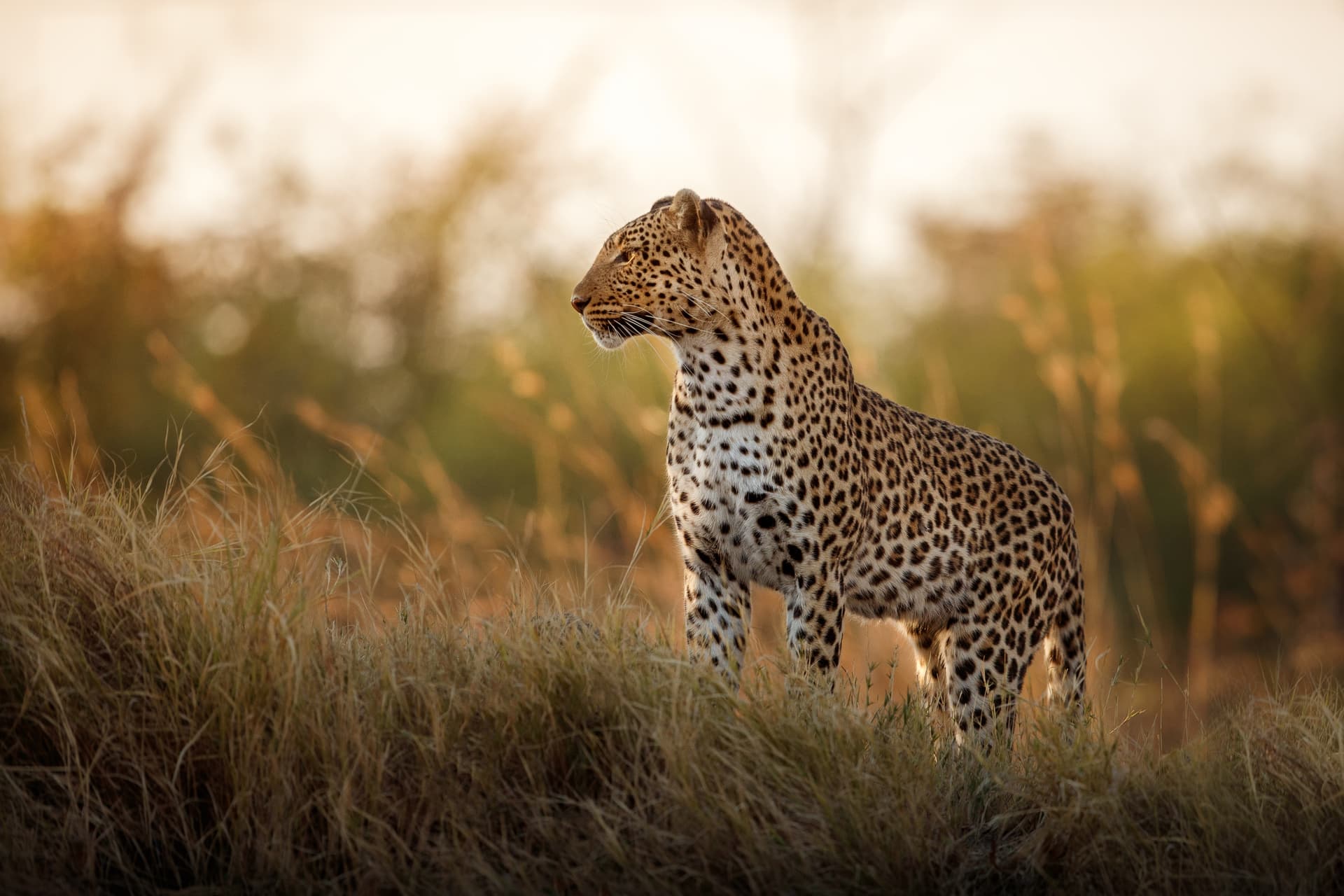
In the Mara, lions often use shade through the heat of the day and become more active in the cool edges of morning and late afternoon. Leopards demand more patience: riverine trees, drainage lines and rocky cover matter, and the best guides read alarm calls, vehicle behaviour and recent tracks rather than simply chasing radio noise.
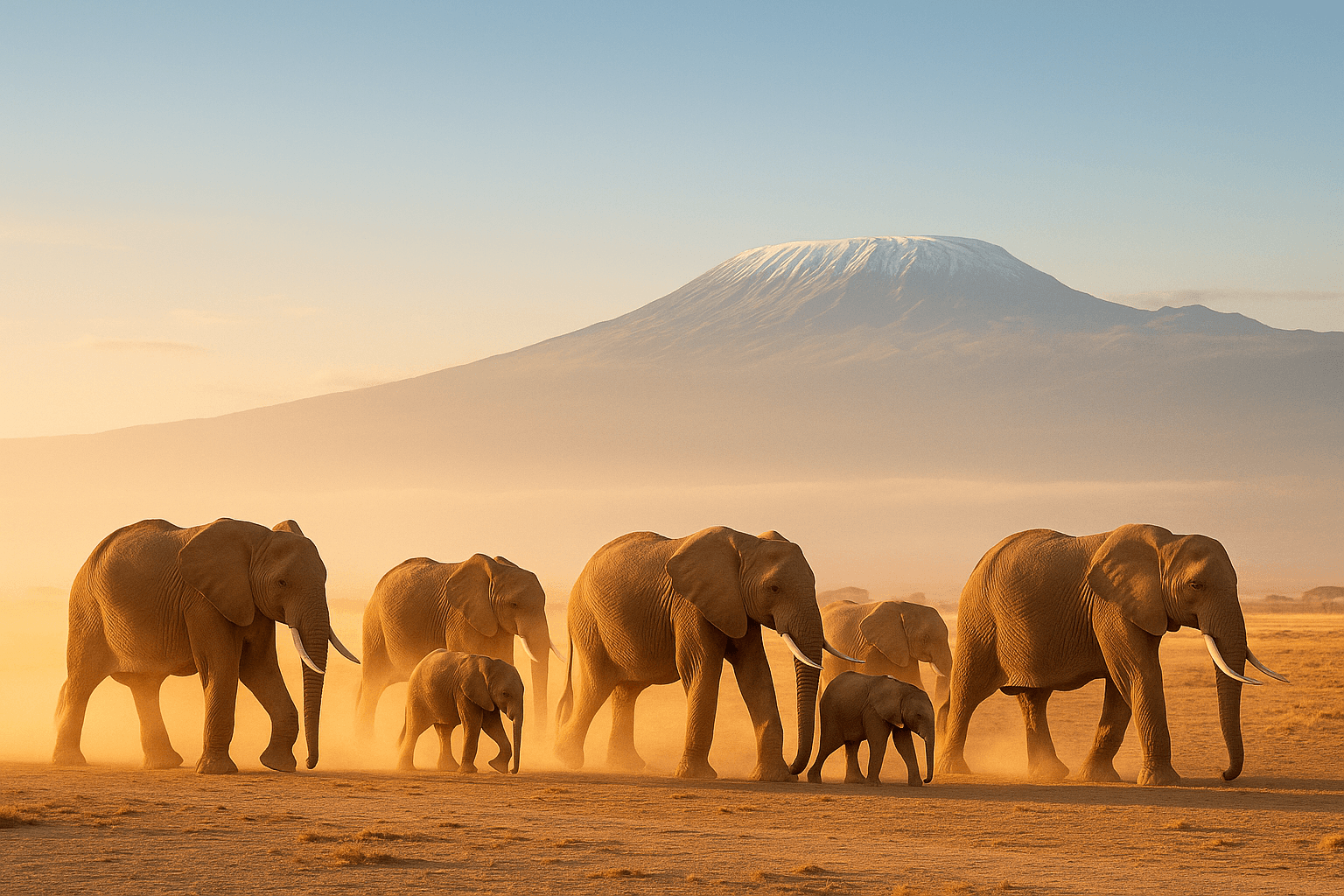
Amboseli’s elephants move between marshes, open plains and woodland according to heat, water and forage. In the dry season, the marsh systems become the theatre: cows, calves and older bulls crossing pale dust with Kilimanjaro behind them. Lake Nakuru National Park adds rhino, Rothschild’s giraffe and strong birding, while Ol Pejeta brings conservation context, black rhino strategy and the possibility of night drives where permitted.
“Our guide rule for solo guests is simple: do not rush the sighting everyone wants; wait long enough for the animal to reveal the story.”
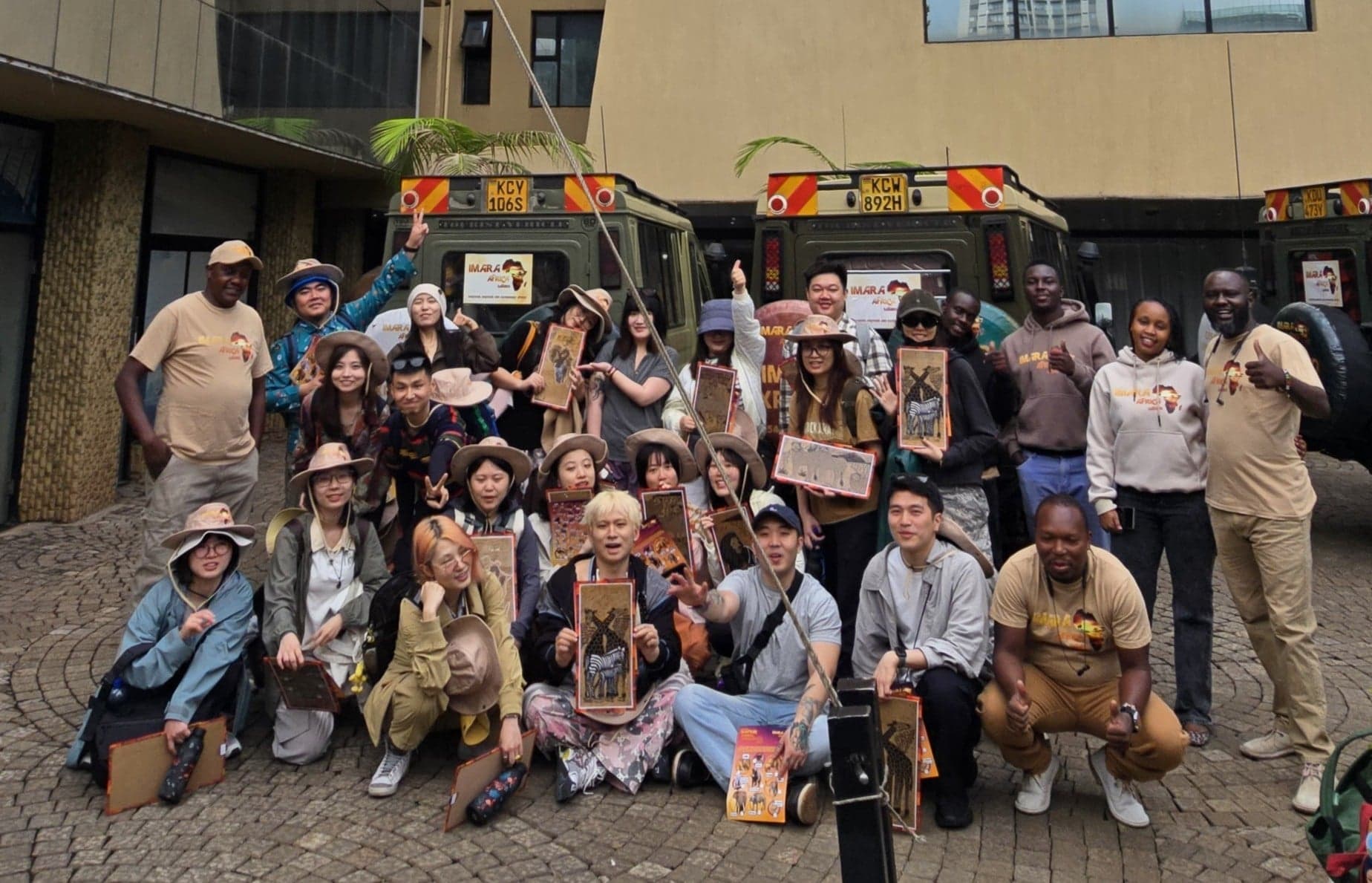
At Imara Africa Safaris, we treat a Kenya safari for solo travellers as a chain of small safeguards. Before arrival we share emergency contacts, arrival instructions and driver details. At the airport we use clear paging. During the safari, guides confirm daily plans, gate timings, fuel levels, tyre condition, water, charging access and the next lodge handover.
We record flight numbers, arrival times, passport names and emergency contacts before departure, then reconfirm any schedule changes.
Your driver or guide should be identifiable, expected and briefed; solo guests should not be negotiating transfers in the arrivals hall.
We tell camps when a guest is travelling alone, note room preferences and confirm escorted movement after dark.
Each guide briefing covers departure time, drive length, clothing, charged devices, comfort breaks and the next handover.
In Nairobi, use pre-arranged transfers, avoid walking alone at night and keep valuables discreet in public places.
Carry insurance details, a little cash, two payment cards stored separately and both printed and digital copies of essential documents.
In Nairobi, use planned transfers, avoid walking alone at night and keep phones, jewellery and camera bags low-profile. Carry limited cash, use cards where accepted, keep a small emergency float and separate cards between day bag and main luggage. Park fees should be handled transparently through receipts, vouchers or prepayment rather than improvised cash requests.
Medical readiness matters more when travelling alone. Share allergies, mobility concerns, medication schedules and emergency contacts with us before arrival. Comprehensive insurance should include safari activities, hospital care and evacuation cover; our travel insurance advice explains why this is not the place to economise.
June mornings can be cold in open vehicles, especially in the Mara and Laikipia. Pack layered neutral clothing: fleece, light down or softshell, long-sleeved shirts, comfortable trousers, sun hat, warm beanie, light scarf and a waterproof layer for the last of the seasonal showers. Avoid bright whites for dust and avoid heavy boots unless you are adding walking activities.
For solo photography, a beanbag is usually more useful than a tripod. Ask your guide for portraits during safe stops, not at sightings where vehicle movement disturbs animals. A discreet mini-tripod can work at camp, but drones are not appropriate in national parks and reserves without formal permissions.
Kenya’s safari circuit is friendly and English is widely understood in lodges, airports and park gates. A few Swahili phrases still go a long way: jambo for hello, asante for thank you, tafadhali for please and pole pole for slowly or gently. Use them lightly, not performatively.
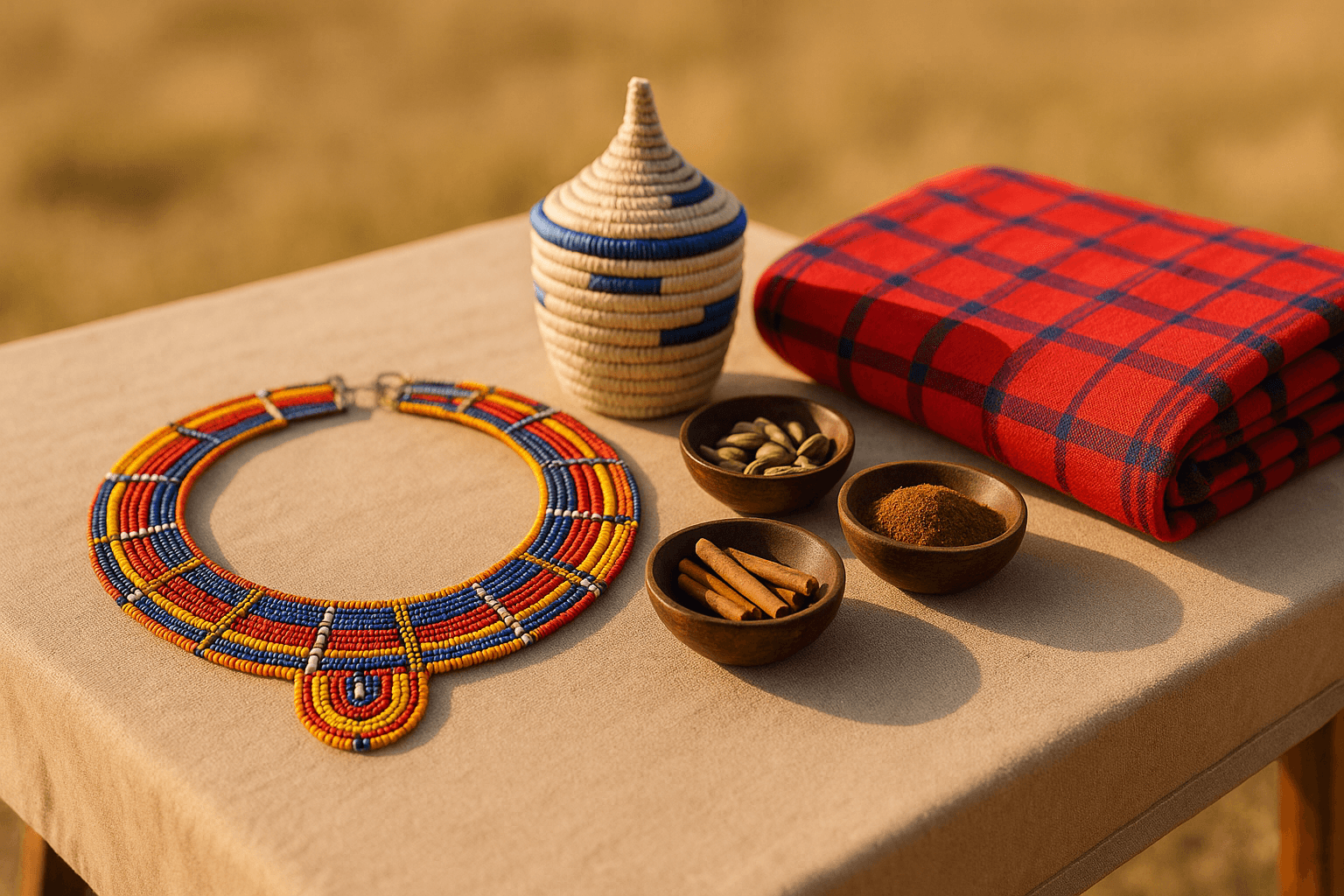
Maasai community visits should be arranged through recognised channels, with fees agreed in advance and photography only after permission. Do not photograph children, homesteads or ceremonies as if they are scenery. A respectful visit explains where money goes, who is hosting you and what is appropriate to ask.
Tipping is customary but not a fixed legal obligation. We give guests a practical range before travel, usually separating lead guide, camp staff and porters. If you share vehicles, be open but not intrusive: rotate seats fairly, avoid dominating sightings and remember that silence can be part of the safari. Solo travel Kenya safari experiences often become sociable naturally; they do not need to be forced.
An 8-day route gives one traveller enough time to see contrasting ecosystems without turning the holiday into a road race. Our 8-Day Kenya Big Five Safari can be adapted for private guiding, shared lodge drives or a hybrid, depending on budget and social style.
Private airport meet-and-greet, hotel check-in, safety briefing and time-zone recovery before the safari begins.
Travel south to elephant country, arrive for lunch and take a late-afternoon game drive when Kilimanjaro may clear.
Early start for elephants, marsh wildlife and photography, with a slower midday break at camp.
Drive towards Lake Naivasha for a gentler solo-travel day, optional boat trip and relaxed lodge evening.
Visit Lake Nakuru for rhino, buffalo, Rothschild’s giraffe and escarpment scenery before overnighting in the Rift Valley.
Continue to the Mara, settle into camp and take a first game drive across predator-rich plains.
Use an early start and patient guiding for lion, leopard, elephant, buffalo and seasonal migration movement.
Morning departure by road or optional flight to Nairobi, with onward international connection or an extra city night.
Nairobi. Arrive, meet your driver at the airport, transfer to a secure hotel and rest. Add Nairobi National Park only if flight timing is kind.
Nairobi to Amboseli. Drive 4–5 hours, arrive for lunch and take an afternoon elephant-focused drive.
Amboseli. Early Kilimanjaro photography, marsh game drive, relaxed midday and late-afternoon wildlife.
Amboseli to Lake Naivasha. A longer Rift Valley transfer, broken with planned stops; optional boat trip if timing and weather allow.
Lake Nakuru. Rhino, giraffe, viewpoints and birding; continue to a lodge positioned for the Mara drive.
Masai Mara. Enter the reserve or conservancy and take the first predator-focused drive.
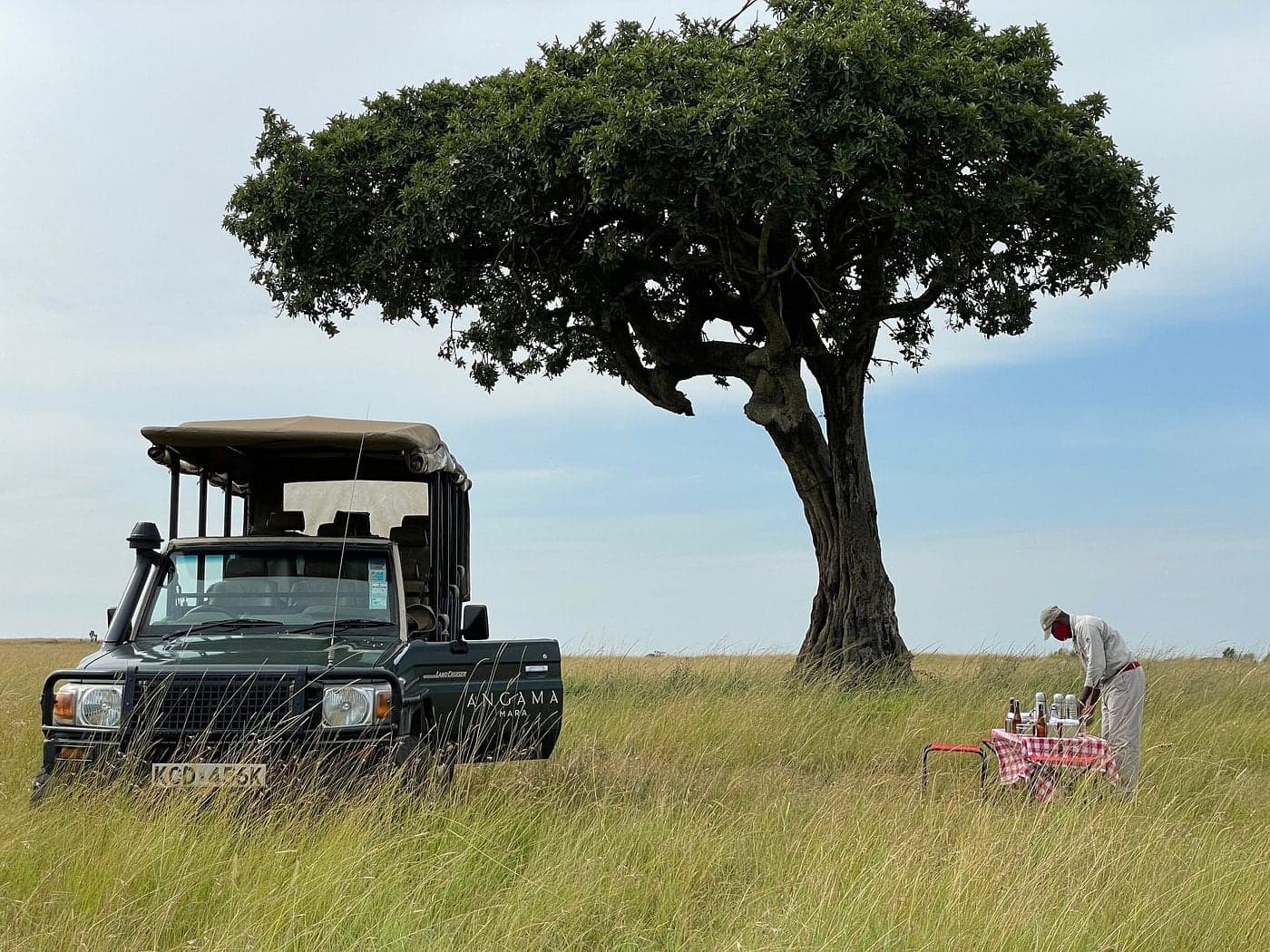
Masai Mara. Full safari day with an early start, picnic breakfast or lunch, and patient cat strategy.
Mara to Nairobi. Road transfer of roughly 5.5–6.5 hours, or fly back in about an hour if budget allows.
For travellers who dislike long road days, we slow the route by flying Nairobi–Amboseli or Mara–Nairobi, or by removing one stop and spending three nights in the Mara. Private guiding is most useful on road sectors; shared lodge drives may work well once you are settled in a strong Mara camp.
Kenya and Tanzania are the classic comparison for africa kenya safaris and wider africa safaris. Kenya often works better for solo travellers who want shorter routing, strong lodge culture and a first safari in the Masai Mara. Tanzania is superb when your priority is the Serengeti, Ngorongoro Crater or a Zanzibar beach finish, but distances and costs can rise quickly for one traveller.
KE+2Kenya · Nakuru City
Our Kenya versus Tanzania safari guide is useful if you are deciding whether to stay in Kenya or add Serengeti and Ngorongoro. As a general rule, do not stretch Kenya, Tanzania and the coast into too few days; solo travellers enjoy East Africa more when the itinerary breathes.
Uganda or Rwanda can pair beautifully with Kenya for gorilla trekking, especially for confident solo travellers who are comfortable with regional flights and early starts. A Kenya–Rwanda combination can deliver Mara predators and Volcanoes National Park gorillas with clean logistics. As an East African luxury safari operator, we can also stitch together Kenya, Tanzania and Rwanda through our Grand East Africa Safari when the budget and dates justify the extra movement.
Start by telling us your dates, budget range, comfort level, preferred social style and any safety concerns you would like handled discreetly. We do not need you to know every park before we speak; we do need to understand whether you want solitude, hosted meals, photography time, Big Five strategy, gentle pacing or the lowest safe cost.
Tell us your dates, comfort level and wildlife priorities. Our Nairobi team will design a Kenya safari with safe transfers, excellent guiding and lodges that suit travelling on your own.
Our process is consultative: we design the route, match lodges to your personality, plan transfers, separate park fees clearly, assign guides carefully and explain where shared game drives can reduce cost without weakening the experience. For July–October 2026, book early, especially for Masai Mara camps, single rooms and conservancy properties with limited tents.
Imara Africa Safaris designs each private safari Kenya journey from Nairobi with the same principle: no rushed routing, no vague handovers and no pressure to travel in a way that does not feel right. If you are considering a solo safari in Kenya, we would be glad to shape a safe, personal and unhurried journey around you.
Related: dry-season safari window.
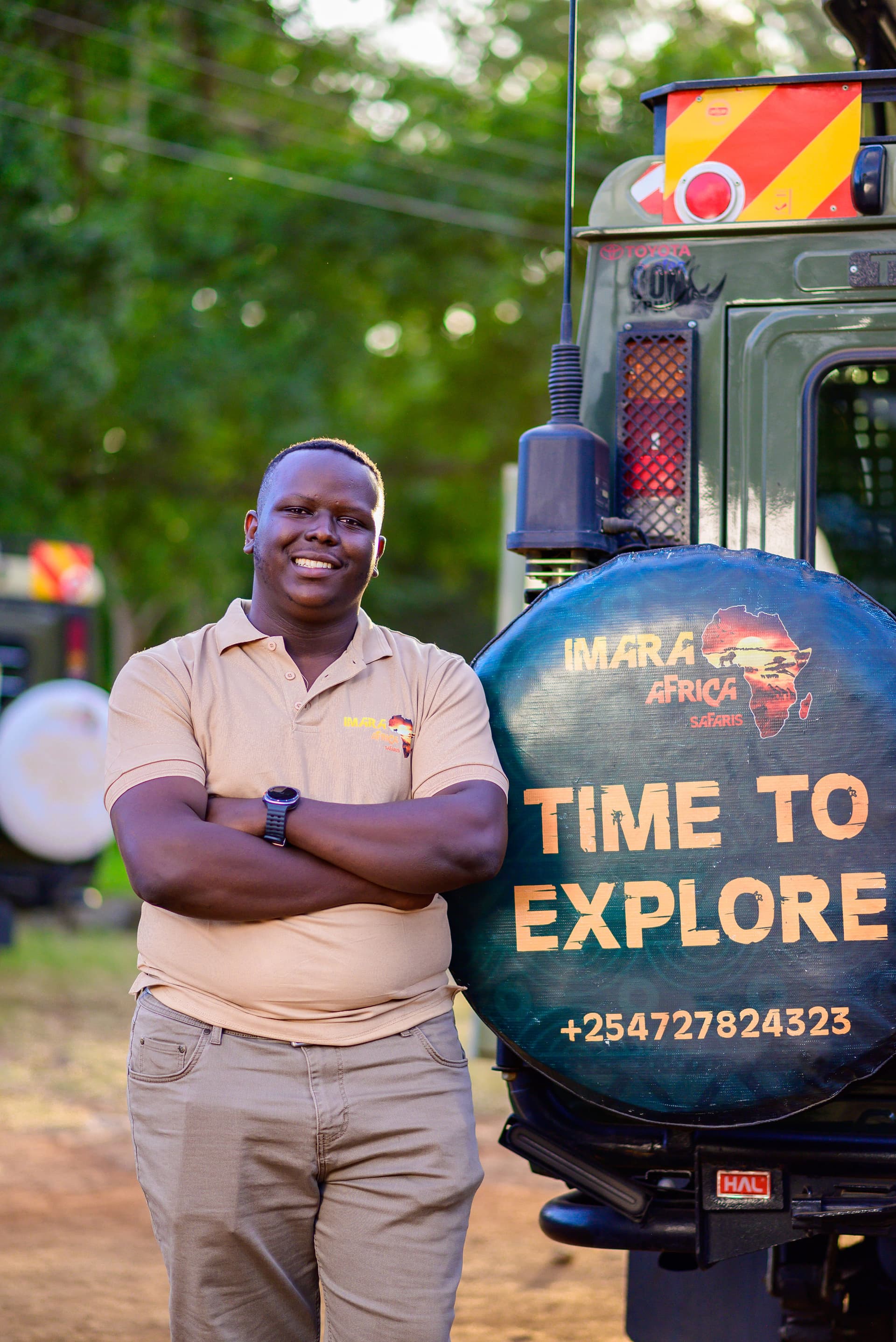
Lewis Munuhe
Founder & Director
<p>Lewis Munuhe is the Director and Owner of Imara Africa Safaris, a trusted safari company dedicated to creating tailor-made African safari experiences across Kenya, Tanzania, Uganda, and Rwanda. With a strong passion for African travel, wildlife, culture, and conservation, Lewis leads the company’s vision of delivering personalized, seamless, and unforgettable safari journeys for travelers from around the world.</p><p>Through Imara Africa Safaris, Lewis helps guests discover East Africa’s most iconic destinations, from the Masai Mara and Serengeti to Uganda and Rwanda’s gorilla trekking regions. His approach focuses on understanding each traveler’s interests, comfort level, budget, and expectations, then transforming those details into carefully curated safari itineraries that feel personal, meaningful, and well-planned.</p><p>As Director and Owner, Lewis is committed to maintaining high standards in safari planning, guest care, destination expertise, and responsible tourism. Whether arranging a luxury wildlife safari, honeymoon escape, family adventure, cultural journey, gorilla trekking safari, or multi-country East African itinerary, he ensures every experience reflects the quality, authenticity, and attention to detail that define Imara Africa Safaris.</p><p>Under his leadership, Imara Africa Safaris continues to help travelers experience the beauty of Africa through expertly planned safaris that celebrate wildlife, landscapes, local cultures, conservation, and unforgettable adventure.</p>
Lewis Munuhe
Founder & Director
<p>Lewis Munuhe is the Director and Owner of Imara Africa Safaris, a trusted safari company dedicated to creating tailor-made African safari experiences across Kenya, Tanzania, Uganda, and Rwanda. With a strong passion for African travel, wildlife, culture, and conservation, Lewis leads the company’s vision of delivering personalized, seamless, and unforgettable safari journeys for travelers from around the world.</p><p>Through Imara Africa Safaris, Lewis helps guests discover East Africa’s most iconic destinations, from the Masai Mara and Serengeti to Uganda and Rwanda’s gorilla trekking regions. His approach focuses on understanding each traveler’s interests, comfort level, budget, and expectations, then transforming those details into carefully curated safari itineraries that feel personal, meaningful, and well-planned.</p><p>As Director and Owner, Lewis is committed to maintaining high standards in safari planning, guest care, destination expertise, and responsible tourism. Whether arranging a luxury wildlife safari, honeymoon escape, family adventure, cultural journey, gorilla trekking safari, or multi-country East African itinerary, he ensures every experience reflects the quality, authenticity, and attention to detail that define Imara Africa Safaris.</p><p>Under his leadership, Imara Africa Safaris continues to help travelers experience the beauty of Africa through expertly planned safaris that celebrate wildlife, landscapes, local cultures, conservation, and unforgettable adventure.</p>
Lewis Munuhe
Founder & Director
<p>Lewis Munuhe is the Director and Owner of Imara Africa Safaris, a trusted safari company dedicated to creating tailor-made African safari experiences across Kenya, Tanzania, Uganda, and Rwanda. With a strong passion for African travel, wildlife, culture, and conservation, Lewis leads the company’s vision of delivering personalized, seamless, and unforgettable safari journeys for travelers from around the world.</p><p>Through Imara Africa Safaris, Lewis helps guests discover East Africa’s most iconic destinations, from the Masai Mara and Serengeti to Uganda and Rwanda’s gorilla trekking regions. His approach focuses on understanding each traveler’s interests, comfort level, budget, and expectations, then transforming those details into carefully curated safari itineraries that feel personal, meaningful, and well-planned.</p><p>As Director and Owner, Lewis is committed to maintaining high standards in safari planning, guest care, destination expertise, and responsible tourism. Whether arranging a luxury wildlife safari, honeymoon escape, family adventure, cultural journey, gorilla trekking safari, or multi-country East African itinerary, he ensures every experience reflects the quality, authenticity, and attention to detail that define Imara Africa Safaris.</p><p>Under his leadership, Imara Africa Safaris continues to help travelers experience the beauty of Africa through expertly planned safaris that celebrate wildlife, landscapes, local cultures, conservation, and unforgettable adventure.</p>
Our trips
Stories, sightings & itineraries from the field.
22°C
overcast clouds
Feels like 22° · 64% humidity
🦁Right now in the bush: Head to lodge shade — animals rest in midday heat.


Comments
Loading…