kenya african safari vs Tanzania: Which Is Better?
A kenya african safari is best for compact variety and easy logistics; Tanzania suits travellers wanting vast wilderness, Serengeti drama and Zanzibar after safari.
27 min read75viewsUpdated Sep 28, 2026
African Leopard
75views
Share
Listen~27 min
In this articleTap to view 13 sectionsTap a section to jump
As of 15 June 2026, Kenya and Tanzania are entering the dry season, with clearer sightings and rising demand for July to October travel.
Kenya is usually easier for first-time safari travellers who want big wildlife variety in 5–8 days with shorter transfers.
Tanzania feels larger and wilder, especially on the Serengeti, Ngorongoro and Tarangire circuit, and pairs naturally with Zanzibar.
The Masai Mara is a compact predator stronghold; the Serengeti is a vast seasonal ecosystem where location matters month by month.
For a Big Five safari in Africa, both countries work, but rhino usually requires a deliberate stop such as Lake Nakuru, Ol Pejeta or Ngorongoro.
Choose both Kenya and Tanzania only if you have at least 10–12 days and the budget for well-planned flights or unhurried transfers.
A kenya african safari is usually better for first-time travellers who want shorter drives, excellent value and the Masai Mara’s reliable big-cat sightings, while Tanzania is better for huge wilderness, the full Serengeti–Ngorongoro circuit and Zanzibar. In June 2026, both countries are entering prime dry-season game viewing.
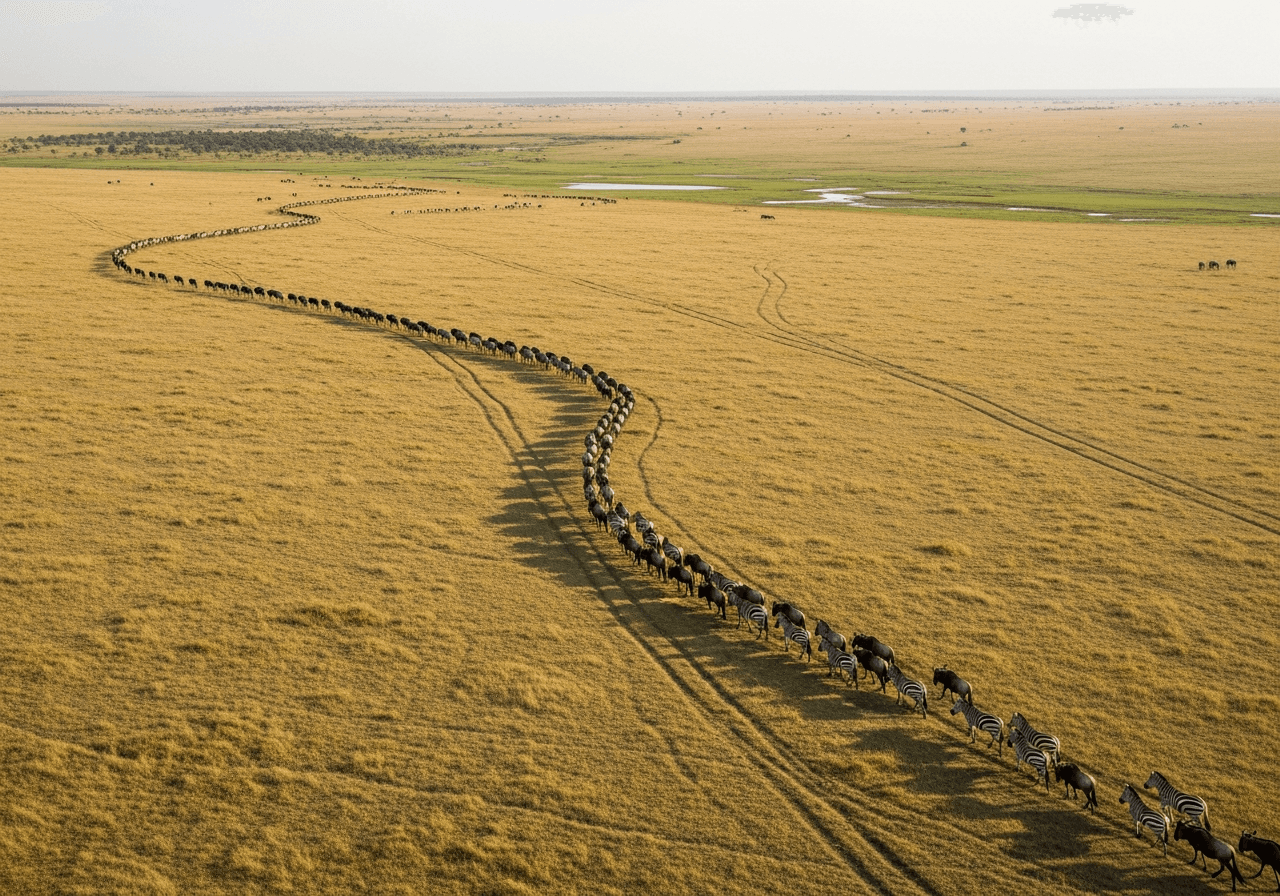
Golden light reveals the vast scale of the Serengeti as wildebeest trace ancient migration paths across the open plains.
Quick verdict: kenya african safari vs Tanzania for first-time travellers
For most first-time safari travellers, we usually start the conversation with Kenya. From our Nairobi base, a kenya african safari is often easier to pace well: you can land at Jomo Kenyatta International Airport, rest in Nairobi, then reach Amboseli, Lake Nakuru, Ol Pejeta or the Masai Mara without losing too many days to long road transfers.
Tanzania is not “better” or “worse”; it is different. It rewards travellers who have 7–10 days or more, a budget for longer routing or internal flights, and a strong wish to experience the scale of Serengeti National Park, Ngorongoro Crater and perhaps Zanzibar afterwards. If the Great Migration is in the northern Serengeti, or if the crater is your dream, Tanzania may be the stronger choice.
Searches such as Africa Kenya safaris, africa safari Kenya and Kenya Africa safaris often point to the same question: where should I begin? Our honest answer is that Kenya gives more variety in less time, while Tanzania gives more space, wilder distances and a deeper Serengeti–Ngorongoro arc. If you are leaning towards Kenya, our Kenya safari ideas are a useful place to compare routes.
Choose
Best for
Typical first safari length
Indicative private safari price
Kenya
Big cats, shorter transfers, strong value, classic Masai Mara safaris
5–8 days
from $2,350 pp for 5 days; from $4,250 pp for 8 days
from $3,250 pp for 5 days; from $5,200 pp for 8–10 days
Both
Travellers with 12+ days who want the Mara, Serengeti and crater without rushing
12–14+ days
from $7,850 pp, depending on flights and lodge level
Safari seasons in 2026: what June onwards means
As of 15 June 2026, the long rains have faded across much of Kenya and northern Tanzania. Grasses are still carrying a green flush in many areas, but visibility is improving each week as vegetation thins and wildlife begins to concentrate more reliably around rivers, marshes and permanent water.
A tense dry-season Mara River crossing captures wildebeest plunging into churning water as the herd gathers on dusty banks.
From July to October, both countries move into the famous dry-season window. In Kenya, this usually means excellent conditions for a safari in the Masai Mara, with big-cat sightings helped by shorter grass and prey movement. In Tanzania, June is particularly strong in the western and northern Serengeti as the migration pushes towards the Grumeti and Mara river systems.
The Serengeti–Mara Great Migration involves roughly 1.5 million wildebeest, about 200,000 zebra and hundreds of thousands of gazelles. It is one ecosystem, not a scheduled parade. The herds cross between Tanzania’s Serengeti and Kenya’s Masai Mara depending on rain, grazing and instinct, so the best country can change by month and even by week.
June 2026: improving dry-season viewing; strong western and northern Serengeti movement; good value before peak July demand.
July to October 2026: prime Mara and northern Serengeti season, with river crossings possible but never guaranteed.
November to early December 2026: quieter green-season value, softer light and fewer vehicles, especially outside school holidays.
January to March 2027: southern Serengeti calving season, with huge nursery herds and intense predator activity around Ndutu.
If your dates are fixed for July, August or September, book early. The best family tents, private guides and well-located migration camps can be heavily committed months ahead, especially in the Masai Mara, northern Serengeti and private conservancies.
Masai Mara vs Serengeti: the classic kenya african safari choice
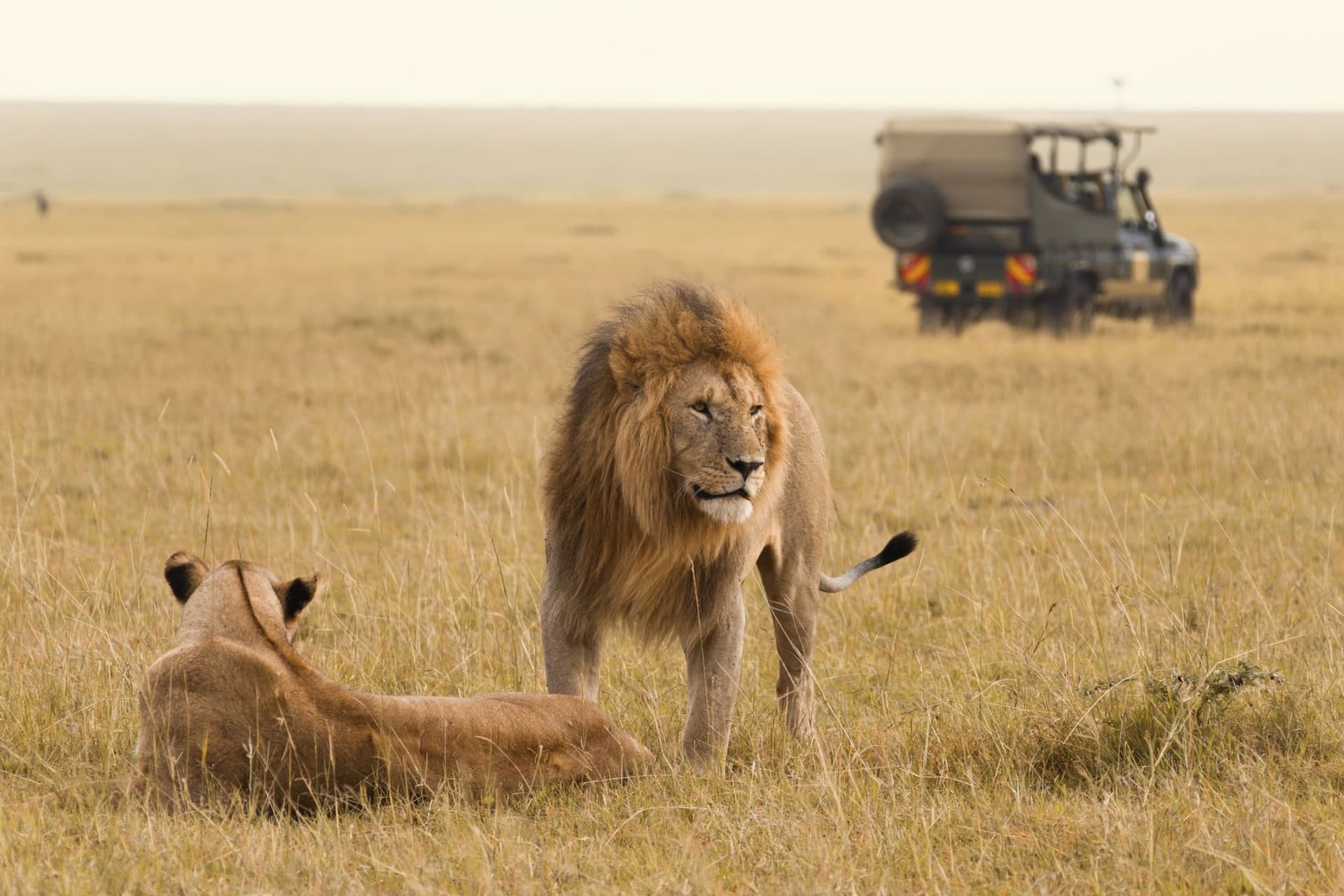
The Masai Mara is Kenya’s most famous safari area for good reason. The main reserve is compact, intensely wildlife-rich and superb for lions, cheetahs and leopards, especially over a short stay. Serengeti National Park is far larger and more seasonal, with wildlife spread across southern, central, western and northern zones depending on rain and grazing.
Serengeti National Park covers 14,763 sq km; Masai Mara National Reserve covers about 1,510 sq km. That difference explains much of the feel on the ground. The Mara can deliver extraordinary sightings in a three-night stay because distances between productive areas are often shorter. The Serengeti feels vast, open and elemental, but you must choose the right region for your month of travel.
Many travellers search for Masai Mara National Park Kenya, but the official name is Masai Mara National Reserve. Around it sit private conservancies such as Mara North, Olare Motorogi, Naboisho and Ol Kinyei, where visitor numbers are lower and night drives or walking safaris may be possible. Our Masai Mara reserve guide explains the difference between the reserve and the conservancies in more detail.
When people say Kenya Masai Mara and northern Serengeti, they are really talking about two sides of the same migration ecosystem. On the Kenyan side, the experience often feels more concentrated: rolling grasslands, riverine forest, lion prides and cheetahs using termite mounds as lookouts. On the Tanzanian side, the drama is scale: endless plains, kopjes, long horizons and seasonal movement over huge distances.
“
“Our Mara guides often say: “Do not chase the crossing; read the grass, the wind and the cats. The best safari moments usually happen when you stop trying to predict the wild.””
For a first kenya african safari of five or six days, the Mara is hard to beat. For travellers with more time, a well-planned Serengeti safari can feel deeper and more remote, especially if you combine central Serengeti with the north in dry season or the south during calving. If Tanzania is calling, browse our Serengeti safari route for a clearer sense of seasonal routing.
Big Five chances: Kenya and Tanzania compared
Africa the Big Five means lion, leopard, elephant, rhino and Cape buffalo. The phrase comes from old hunting language, but on a modern safari we use it carefully. The animals are not a shopping list; they are part of a living system of prey, predators, water, grass, weather and human protection.
A black rhinoceros grazes peacefully among Lake Nakuru’s fever trees, a quiet portrait of Kenya’s wild conservation landscapes.
Featured Mid Range
TZ
Wildlife Safari
Tanzania · Serengeti National Park
5Days
5-Day Serengeti & Ngorongoro Safari
Serengeti National ParkNgorongoro Crater Park
Two full days in the Serengeti — Africa's greatest wildlife arena
Descend into the Ngorongoro Crater for Big Five spotting
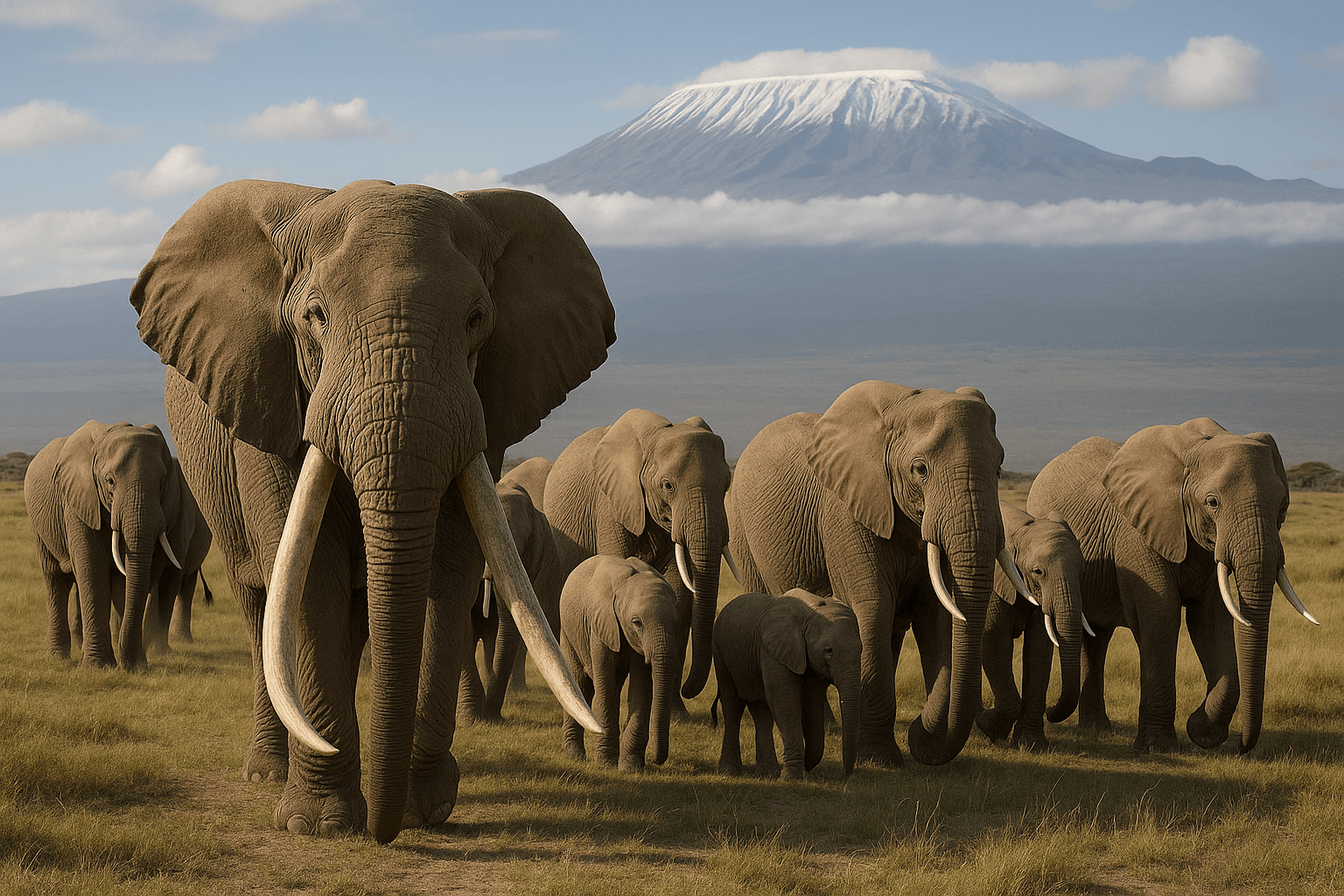
Kenya is excellent for big cats and buffalo in the Masai Mara, large elephant herds in Amboseli National Park, and rhino in Lake Nakuru National Park or Ol Pejeta Conservancy. Amboseli National Park covers 392 sq km and sits about 240 km south-east of Nairobi by road, making it one of the most accessible places in Africa to watch elephants crossing open plains below Kilimanjaro.
Tanzania is outstanding for predators in Serengeti National Park, dense wildlife viewing in Ngorongoro Crater and dry-season elephant herds in Tarangire National Park. Ngorongoro Crater’s floor is about 260 sq km and the caldera is roughly 610 m deep, which is why sightings can feel so concentrated compared with open plains ecosystems.
Rhino is the hardest Big Five animal in both countries. In Kenya, we often plan rhino viewing at Ol Pejeta, Lewa, Lake Nakuru or Nairobi National Park depending on the route. In Tanzania, Ngorongoro Crater offers one of the better chances, though black rhino sightings are never guaranteed and usually require patience, optics and good guiding.
Travellers sometimes search big 5 safari africa, africa big five safari or african big five safaris as if the answer is one park. In reality, the strongest itineraries combine habitats. For a kenya african safari, that might mean Amboseli for elephants, Ol Pejeta for rhino and the Masai Mara for cats. For Tanzania, it may mean Tarangire, Ngorongoro and Serengeti in one northern circuit.
Landscapes and photography: mountains, plains and craters
Kenya and Tanzania both photograph beautifully, but they do so in different moods. Kenya offers quick changes of scenery: Nairobi’s acacia-fringed national park, Amboseli’s marshes, the Rift Valley lakes, the Laikipia plateau and the golden grasslands of the Mara. In fewer days, you can move from elephants and snow-capped mountain views to flamingos, rhino and big cats.
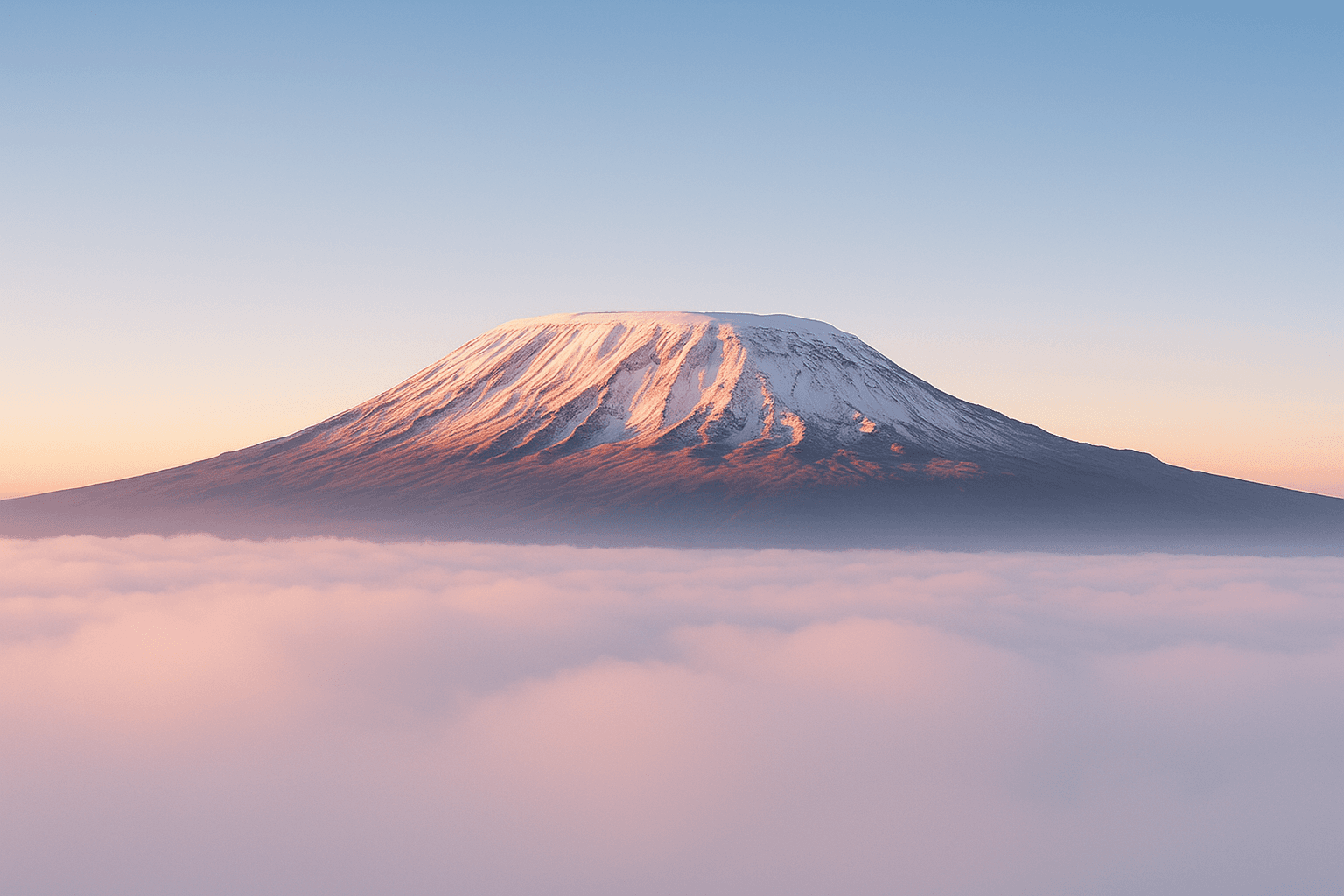
A serene Amboseli sunrise frames elephants moving across the marsh beneath the clear summit of Mount Kilimanjaro.
Amboseli is especially rewarding for photographers because elephants often cross open ground in clear morning light with Kilimanjaro behind them. Kilimanjaro is in Tanzania, but the classic elephant-and-mountain image is most often photographed from Kenya. Mount Kenya, the second-highest of the mountains in Africa, gives Kenya its own alpine presence, particularly around Laikipia and the central highlands.
Tanzania feels more cinematic and expansive. The Serengeti’s plains seem to breathe with space, especially when storm clouds build over kopjes or wildebeest spread in dark lines across the horizon. Ngorongoro is different again: a self-contained volcanic bowl where forest, lake, grassland and marsh sit inside steep crater walls. Tarangire adds baobabs, sandy riverbeds and elephants moving through dry woodland.
If photography is a major reason for travel, tell us your priorities before choosing the country. For portraits of elephants, Kenya’s Amboseli is exceptional. For wide migration landscapes, Tanzania’s Serengeti is difficult to match. For close predator work over a short trip, the Masai Mara often gives first-time travellers the most productive opportunities.
How easy is each country for a first safari?
Kenya is generally easier for a first safari because the logistics are simpler and the best wildlife areas can be linked in fewer days. International travellers arrive through Jomo Kenyatta International Airport, and light aircraft safaris usually depart from Wilson Airport, a separate domestic airport in Nairobi. Nairobi to the Masai Mara is typically 5–6 hours by road or 45–60 minutes by light aircraft from Wilson Airport.
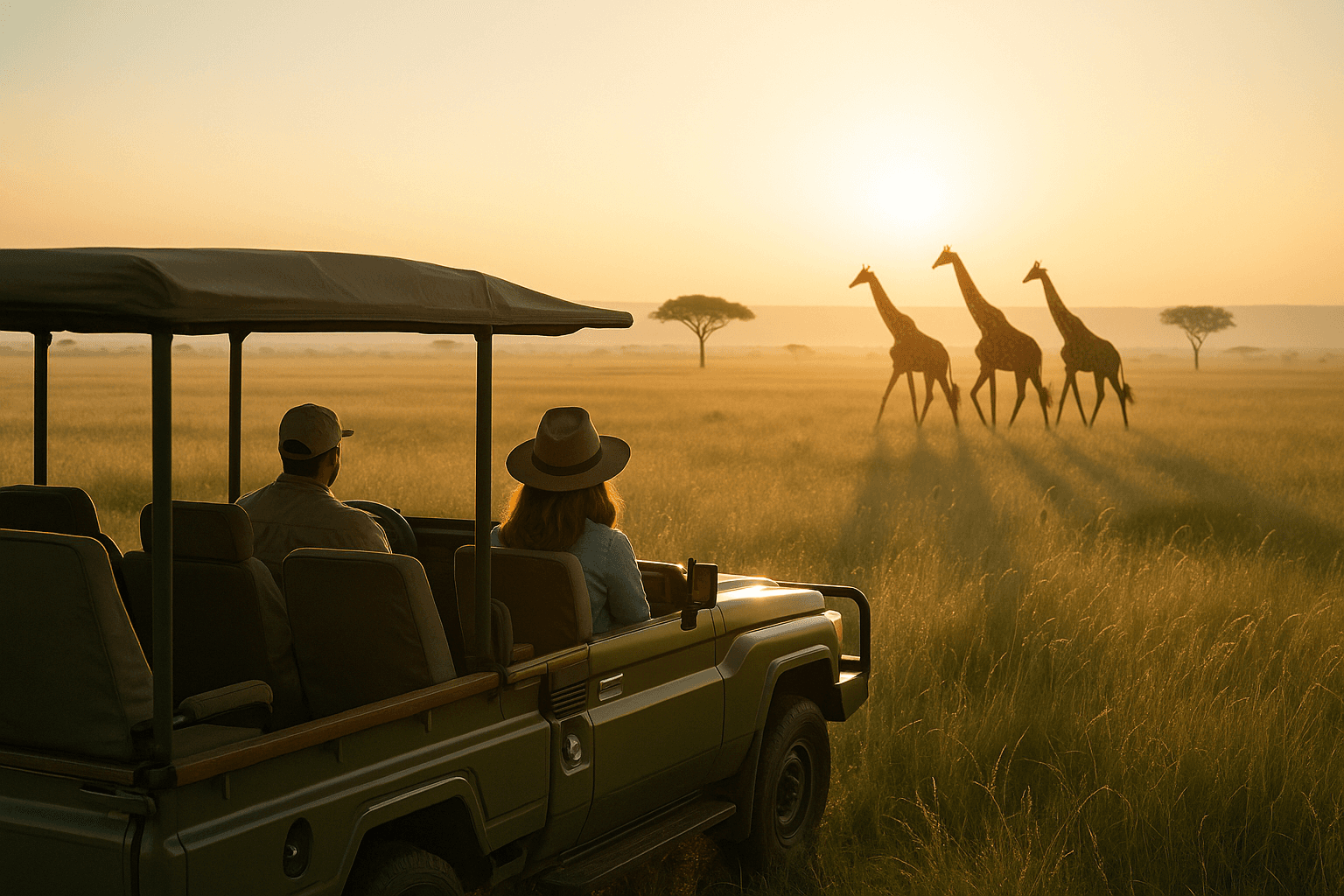
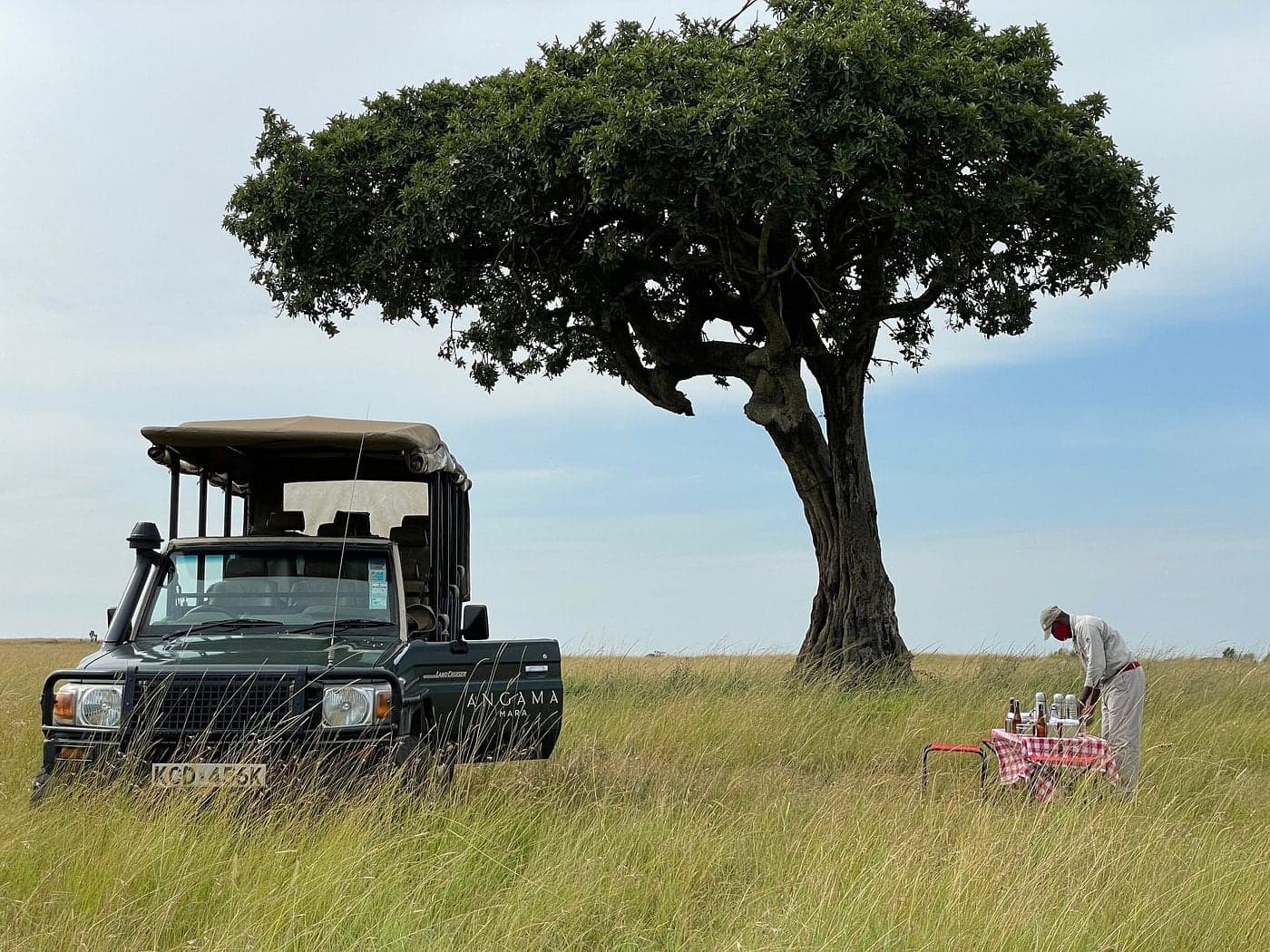
A seamless fly-in safari arrival connects bush airstrip simplicity with the comfort of private Land Cruiser transfers.
Tanzania’s northern circuit is usually built around Kilimanjaro International Airport and Arusha. From there, travellers drive west through Tarangire, Lake Manyara, Karatu, Ngorongoro and the Serengeti, or fly into a Serengeti airstrip to reduce road time. The routing is beautiful, but the distances are bigger and the most comfortable version often needs more days.
For travellers who dislike long drives, have limited mobility, are travelling with young children or arrive after an overnight flight, a fly-in kenya african safari can be far kinder. We often suggest a night in Nairobi before flying to the Mara, or a gentle road start to Amboseli with two nights before moving on.
Tanzania rewards those who enjoy a journey. The drive from Arusha through the highlands to Ngorongoro is scenic, and descending into the crater at first light is unforgettable. But trying to squeeze Tarangire, Ngorongoro and Serengeti into too few nights can make the safari feel like a transfer schedule rather than a wildlife holiday.
Traveller profile
Kenya advantage
Tanzania advantage
5–6 days only
Stronger pacing; Mara plus Amboseli or Ol Pejeta is realistic
Possible, but Serengeti and Ngorongoro may feel tight without flights
7–10 days
Excellent variety across Amboseli, Rift Valley and Mara
Ideal for Tarangire, Ngorongoro and Serengeti
Beach extension
Diani, Watamu or Lamu after Nairobi or the Mara
Zanzibar pairs very naturally with Arusha or Serengeti flights
Costs and value: where your safari budget goes
No single price can fairly answer a Kenya vs Tanzania safari question. Your cost depends on park fees, conservancy fees, guide level, vehicle use, internal flights, season and lodge category. A simple lodge safari by road can cost half as much as a fly-in private conservancy safari in peak season, even within the same country.
Kenya often offers better value because routes are shorter and there is a wider spread of mid-range camps. A well-paced 5-day kenya african safari combining Nairobi and the Masai Mara can start from around $2,350 pp in shoulder season, while an 8-day Kenya Big Five-style route with Amboseli, Lake Nakuru or Naivasha and the Mara may start from $4,250 pp, depending on dates.
Tanzania’s northern circuit can cost more because distances, premium locations and park or conservation fees stack up. A 5-day Serengeti and Ngorongoro safari may start from $3,250 pp, but peak-season fly-in versions, crater-rim lodges and well-located mobile camps can be significantly higher. Zanzibar adds beach value, but also flights and transfers.
In Kenya, Kenya Wildlife Service fees apply in national parks such as Amboseli and Lake Nakuru, while the Masai Mara has county reserve fees and separate private conservancy fees. In Tanzania, national park and conservation area fees are a major part of the budget, particularly in Serengeti National Park and Ngorongoro Conservation Area.
Budget item
Kenya notes
Tanzania notes
Park and conservancy fees
Can be efficient on shorter routes; Mara conservancies add cost but reduce crowding
Serengeti and Ngorongoro fees add up, especially over multiple nights
Transfers
Shorter road links; Mara flights save time
Longer drives unless using internal flights
Accommodation
Wide range from comfortable mid-range camps to premium conservancy properties
Premium mobile camps and crater-area lodges can raise the total quickly
High season
July–October and December holidays book early
July–October, calving season and Zanzibar holidays book early
For 2026, high-season booking pressure is strongest from July to October and again during the December holidays. If you need family tents, triple rooms, a private vehicle or a specific camp such as Rekero, Governors’ Camp, Kichwa Tembo, Lemala Nanyukie or Entamanu, early planning matters.
Accommodation styles: camps, lodges and conservancies
Kenya’s accommodation range is one reason a kenya african safari works well for first-timers. In the Mara, classic tented camps put you close to lion country without feeling too remote. Private conservancy camps usually offer a quieter, more flexible experience with excellent guiding, fewer vehicles and the possibility of night drives where permitted.
Lantern light and indigo skies set a quiet, exclusive mood at a luxury tented camp in the Masai Mara.
Amboseli has several larger lodges suited to families and travellers who want comfort, swimming pools and easy access to elephant-viewing areas. Around Lake Nakuru and Naivasha, cliff-top or lakeside stays can break up the journey and add a gentler rhythm between big game areas. Ol Pejeta and Laikipia add conservancy lodges with rhino protection stories and strong guiding cultures.
Tanzania is famous for mobile camps that move with the migration through the Serengeti, as well as permanent lodges in central and northern Serengeti. Ngorongoro offers crater-rim lodges with dramatic views and Karatu properties set among farms and forested slopes. Tarangire has intimate camps in baobab country, while Zanzibar adds beach resorts from relaxed boutique hotels to polished honeymoon properties.
For honeymooners, we usually prioritise privacy, views, outdoor dining and a soft landing after long flights. For families, we look at room layout, guide patience, swimming pools, child age rules and drive lengths. For photographers, vehicle configuration and guide skill matter more than thread count. For travellers with mobility needs, we check steps, tent access, bathroom layout and distance from rooms to the main area.
Culture, communities and responsible travel
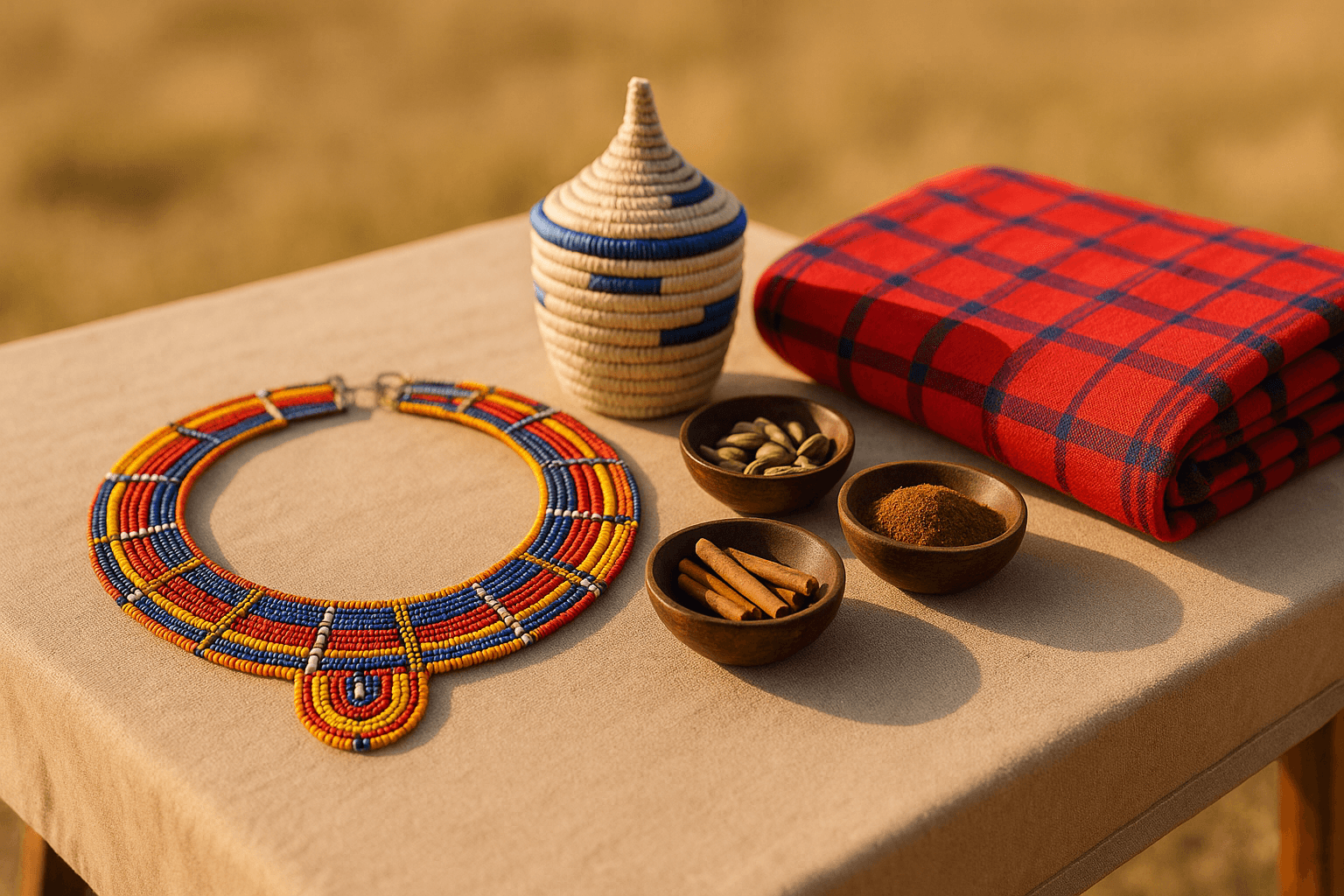
Both Kenya and Tanzania are home to Maasai communities, and Kenya also offers meaningful encounters with Samburu, Laikipia and coastal communities when planned properly. Around the Mara, Amboseli and northern Tanzania, cultural visits can be excellent, but only when they are respectful, fairly paid and not rushed as a five-minute performance between game drives.
We prefer community experiences that are based on consent, transparency and fair payment. A good visit may include time with a local guide, an explanation of grazing, beadwork, age sets or education projects, and space for questions. A poor visit feels staged, hurried and transactional. First-time travellers can usually sense the difference.
Community-owned and community-partnered conservancies are one of East Africa’s most important conservation models. Fees from camps and visitors can support rangers, grazing plans, schools, lease payments and habitat outside national parks. This matters because wildlife does not read park boundaries; lions, elephants and wildebeest all depend on land beyond formal reserves.
Responsible travel also means accepting limits. We do not crowd predators, pressure guides to chase crossings, fly drones in protected areas or ask people for photographs without permission. A good safari is not only about what you see, but how you see it.
Practicalities for 2026: visas, time and borders
For 2026, travellers to Kenya generally need to complete a Kenya eTA before arrival, while Tanzania uses a visa or eVisa system for many nationalities. Entry rules can change, so we check the latest requirements before travel. As a broad rule, passports should have at least six months’ validity and enough blank pages for immigration stamps.
Yellow fever vaccination is usually only required if you are arriving from, or transiting through, a yellow fever risk country under the relevant rules. It is not automatically required for every direct arrival from Europe, North America or many other regions, but routing matters. We always advise checking your airline itinerary as well as official entry guidance.
For anyone asking about the time for Kenya, the answer is simple: Kenya and Tanzania both observe East Africa Time, UTC+3, year-round with no daylight saving. This makes cross-border safari planning easier, especially for flight connections, early game drives and calls home.
Kenya and Tanzania are neighbouring African countries, but they have different currencies, entry systems, park authorities, borders and African flags. A cross-border day is not just a line on a map; it may involve immigration, luggage handling, vehicle changes and flight timing. We avoid same-day international arrivals into remote camps where possible because delayed bags, late flights and long transfers can spoil the first evening.
If you want a two-country safari, we usually build in breathing room. It is better to arrive, sleep well and start fresh than to land after an overnight flight and immediately rush towards a remote airstrip or border post.
Beach and add-on options after safari
Tanzania has the more obvious beach pairing because Zanzibar connects naturally with Arusha, Kilimanjaro International Airport and Serengeti airstrips. After dusty game drives in Tarangire, Ngorongoro and the Serengeti, a few nights on Zanzibar can feel wonderfully restorative, especially around Nungwi, Matemwe, Pongwe, Paje or the quieter east coast.
Soft golden light, turquoise shallows and a traditional dhow capture Zanzibar’s restorative island calm after safari.
Kenya’s coast is a strong alternative and often underrated by first-time safari travellers. Diani has wide white sand, warm water and a good choice of resorts and boutique stays. Watamu adds marine life, creek kayaking and a gentler coastal village feel. Lamu is slower, older and more atmospheric, with dhow sailing, Swahili architecture and fewer conventional resort comforts.
The flight logic is straightforward. From Serengeti or Arusha, Zanzibar is the natural add-on. From the Masai Mara or Nairobi, the Kenyan coast is usually smoother, with flights to Ukunda for Diani, Malindi for Watamu or Lamu via Manda. You can combine Kenya safari and Zanzibar, or Tanzania safari and Diani, but it may add time and cost.
For travellers extending beyond both countries, Uganda and Rwanda bring gorilla trekking into the picture. Bwindi Impenetrable Forest in Uganda and Volcanoes National Park in Rwanda are very different from a Big Five safari, and they work best as serious add-ons rather than quick extras. If gorillas are a priority, allow enough days and budget for permits, flights and rest.
Sample itineraries: which route fits your time?
The right itinerary depends less on a headline country and more on pacing. A five-day trip should not try to do everything. An eight-day trip can be beautifully varied. With 12 days or more, Kenya and Tanzania can combine well, but only if you avoid rushed border hops and allow for flights where they save meaningful time.
Featured Mid Range
KE
Safari
Kenya · Masai Mara National Reserve
8Days
Mid range 8 Days Kenya Safari – Amboseli, Lake Naivasha, Lake Nakuru & Masai Mara
Masai Mara National ReserveNakuru CityNairobi City+1
Masai Mara with Nairobi, or Amboseli plus Masai Mara by flight
Serengeti and Ngorongoro, ideally with at least one flight
Choose quality over quantity; two main areas is enough
8–10 days
Nairobi, Amboseli, Lake Nakuru or Naivasha, and Masai Mara
Tarangire, Ngorongoro, Serengeti and optional Zanzibar start
This is the sweet spot for a first serious safari
12+ days
Amboseli, Laikipia or Lake Nakuru, Masai Mara, then coast
Tarangire, Ngorongoro, Serengeti, then Zanzibar
Combine both countries only with good flight planning
A classic 5-day kenya african safari might focus on the Masai Mara for three nights, with arrival and departure nights in Nairobi, or combine Amboseli and the Mara if you are comfortable flying. This gives you elephants, big cats and excellent guiding without spending every day in transit.
For 8–10 days in Kenya, we like Nairobi, Amboseli National Park, Lake Nakuru National Park or Lake Naivasha, and the Masai Mara. This route gives mountains, lakes, rhino possibilities, elephants and one of Africa’s best predator landscapes. It also works well for families because drive days can be broken sensibly.
For 7–10 days in Tanzania, Tarangire, Ngorongoro Crater and Serengeti National Park make the strongest first route, with Zanzibar added if time allows. Browse our Tanzania safari ideas if you want to compare migration, crater and beach combinations.
With 12+ days, Kenya and Tanzania together can be superb. The key is not to force every famous name into one trip. A thoughtfully paced combined East Africa safari can link the Mara, Serengeti and Ngorongoro with far less stress than a do-it-all road itinerary.
Our 2026 recommendation: Kenya, Tanzania or both?
Our June 2026 recommendation is simple: choose Kenya if this is your first safari, your time is limited, you want strong value and you dream of the Masai Mara. Choose Tanzania if you have more days, want the full Serengeti–Ngorongoro story, or plan to end on Zanzibar. Choose both only if your budget allows sensible flights and unhurried pacing.
Featured Luxury
KE+2
Multi Country Safari
Kenya · Nakuru City
12Days
12-Day Grand East Africa Safari
Nakuru CitySerengeti National ParkVolcanoes National Park+1
Three countries in one epic journey — Kenya, Tanzania, Rwanda
Big Five across the Masai Mara, Serengeti, and Ngorongoro
First-time travellers with 5–8 days who want cats, elephants, rhino options and efficient routing
The Mara, Amboseli, Lake Nakuru and Ol Pejeta can be combined without excessive travel time
Choose Tanzania
Travellers with 7–10+ days who want wilderness scale, Serengeti movement and Ngorongoro Crater
The northern circuit is strongest when given enough time, especially with seasonal Serengeti routing
Choose both
Travellers with 12+ days, a healthy budget and a wish to compare the Mara and Serengeti properly
Flights can link the ecosystems smoothly, avoiding rushed border days and repeated long drives
For July to October 2026, secure Mara and northern Serengeti space early, especially private guides, family tents and small camps in prime wildlife areas. For December holidays, the best-value rooms disappear quickly. For January to March 2027, southern Serengeti calving camps should be planned well ahead.
If you are still unsure, that is normal. A safari is personal: dates, budget, flight route, mobility, children’s ages, photography goals and wildlife priorities all matter. Tell us what you most want to see, how many nights you have and how you like to travel, and we will shape a kenya african safari, Tanzania route or two-country journey around you.
Kenya is usually better for a first safari if you want shorter drives, excellent value and reliable Masai Mara big-cat sightings. Tanzania is better if you have more time and want the full Serengeti, Ngorongoro Crater and Zanzibar combination.
Kenya is often cheaper for comparable first-time routes because distances are shorter and there are more mid-range camp options. Tanzania can cost more due to longer routing, Serengeti and Ngorongoro fees, premium camp locations and internal flights.
Yes, both countries can deliver the Big Five: lion, leopard, elephant, rhino and Cape buffalo. Rhino is the hardest, so choose specific areas such as Ol Pejeta or Lake Nakuru in Kenya, or Ngorongoro Crater in Tanzania.
July to October 2026 is prime dry-season viewing for the Masai Mara and northern Serengeti, while June is already strong as the rains fade. November to early December offers quieter green-season value, and January to March 2027 is best for southern Serengeti calving.
No. Travellers often say Masai Mara National Park Kenya, but the official name is Masai Mara National Reserve, with private conservancies bordering it.
Kenya and Tanzania both use East Africa Time, UTC+3, throughout the year. Neither country observes daylight saving.
KE
Featured
Kenya
Masai Mara National Reserve
The Masai Mara National Reserve in southwestern Kenya is a premier 1,510-square-kilometre wildlife sanctuary. Renowned for the annual Great Wildebeest Migration from July to October, it offers exceptional year-round Big Five viewing across open savannahs. The reserve is contiguous with Tanzania's Serengeti, forming a critical, biodiverse transboundary ecosystem.
Everything you need for an unforgettable East African safari — organised, prioritised and ready to tick off.
0/62
Clothing & Footwear
0/12
Must
Must
Must
Must
Must
Rec
Rec
Opt
Rec
Must
Must
Rec
Safari Gear & Optics
0/12
Must
Rec
Must
Must
Must
Must
Rec
Rec
Opt
Opt
Rec
Opt
Toiletries & Health
0/12
Must
Must
Must
Must
Rec
Rec
Rec
Must
Rec
Rec
Opt
Opt
Great Migration Calendar
Where to find the herds, month by month
Live
The Great Migration is a continuous, year-round clockwise loop of over 1.5 million wildebeest and hundreds of thousands of zebra, driven by rainfall and fresh grazing across the Serengeti–Mara ecosystem. Use the live calendar below to see where the herds are right now — and plan your trip around calving or the famous river crossings.
1.5M+
Wildebeest on the move
300K+
Zebra & gazelle
~8,000
Calves born / day (Jan–Feb)
1,800 km
Annual circular route
JanuaryCalving
Calving season begins on the southern Serengeti's short-grass plains around Ndutu. Roughly 8,000 wildebeest are born each day, drawing lion, cheetah and hyena.
Southern Serengeti
Southern SerengetiLate Jan–Mar (+ Dec)
Western CorridorMay–Jul
Northern SerengetiJul–Oct
Masai MaraAug–Oct
Region
Southern Serengeti
Western Corridor
Northern Serengeti
Masai Mara
Peak season Herds present Not present
Southern Serengeti
Late Jan–Mar (+ Dec)
Ndutu & southern plains
The short-grass plains around Ndutu host the calving season — the densest concentration of newborns and predators in the entire cycle. Around 8,000 calves are born each day at the peak, drawing lion, cheetah and hyena onto the open plains.
Western Corridor
May–Jul
Grumeti River
The herds push through the western corridor, where the Grumeti River and its giant crocodiles provide the season's first dramatic crossings, alongside the wildebeest rut. Exclusive reserves mean far fewer vehicles.
Northern Serengeti
Jul–Oct
Kogatende & Mara River (TZ)
The Mara River runs through the northern Serengeti, making it the prime crossing zone from July to October — often with fewer vehicles than the Kenyan side, plus big resident lion prides.
Masai Mara
Aug–Oct
Masai Mara, Kenya
The northern stage of the loop. From August to October the herds spill across the Mara River into Kenya for heart-stopping crossings, with superb resident big cats and balloon safaris all year.
Climate change has shifted migration timing in recent years; the herds follow the rains, so actual movement may vary by a few weeks each year.
Masai Mara
Serengeti
Amboseli
75views
Share
About the author
Lewis Munuhe
Founder & Director
<p>Lewis Munuhe is the Director and Owner of Imara Africa Safaris, a trusted safari company dedicated to creating tailor-made African safari experiences across Kenya, Tanzania, Uganda, and Rwanda. With a strong passion for African travel, wildlife, culture, and conservation, Lewis leads the company’s vision of delivering personalized, seamless, and unforgettable safari journeys for travelers from around the world.</p><p>Through Imara Africa Safaris, Lewis helps guests discover East Africa’s most iconic destinations, from the Masai Mara and Serengeti to Uganda and Rwanda’s gorilla trekking regions. His approach focuses on understanding each traveler’s interests, comfort level, budget, and expectations, then transforming those details into carefully curated safari itineraries that feel personal, meaningful, and well-planned.</p><p>As Director and Owner, Lewis is committed to maintaining high standards in safari planning, guest care, destination expertise, and responsible tourism. Whether arranging a luxury wildlife safari, honeymoon escape, family adventure, cultural journey, gorilla trekking safari, or multi-country East African itinerary, he ensures every experience reflects the quality, authenticity, and attention to detail that define Imara Africa Safaris.</p><p>Under his leadership, Imara Africa Safaris continues to help travelers experience the beauty of Africa through expertly planned safaris that celebrate wildlife, landscapes, local cultures, conservation, and unforgettable adventure.</p>
<p>Lewis Munuhe is the Director and Owner of Imara Africa Safaris, a trusted safari company dedicated to creating tailor-made African safari experiences across Kenya, Tanzania, Uganda, and Rwanda. With a strong passion for African travel, wildlife, culture, and conservation, Lewis leads the company’s vision of delivering personalized, seamless, and unforgettable safari journeys for travelers from around the world.</p><p>Through Imara Africa Safaris, Lewis helps guests discover East Africa’s most iconic destinations, from the Masai Mara and Serengeti to Uganda and Rwanda’s gorilla trekking regions. His approach focuses on understanding each traveler’s interests, comfort level, budget, and expectations, then transforming those details into carefully curated safari itineraries that feel personal, meaningful, and well-planned.</p><p>As Director and Owner, Lewis is committed to maintaining high standards in safari planning, guest care, destination expertise, and responsible tourism. Whether arranging a luxury wildlife safari, honeymoon escape, family adventure, cultural journey, gorilla trekking safari, or multi-country East African itinerary, he ensures every experience reflects the quality, authenticity, and attention to detail that define Imara Africa Safaris.</p><p>Under his leadership, Imara Africa Safaris continues to help travelers experience the beauty of Africa through expertly planned safaris that celebrate wildlife, landscapes, local cultures, conservation, and unforgettable adventure.</p>
<p>Lewis Munuhe is the Director and Owner of Imara Africa Safaris, a trusted safari company dedicated to creating tailor-made African safari experiences across Kenya, Tanzania, Uganda, and Rwanda. With a strong passion for African travel, wildlife, culture, and conservation, Lewis leads the company’s vision of delivering personalized, seamless, and unforgettable safari journeys for travelers from around the world.</p><p>Through Imara Africa Safaris, Lewis helps guests discover East Africa’s most iconic destinations, from the Masai Mara and Serengeti to Uganda and Rwanda’s gorilla trekking regions. His approach focuses on understanding each traveler’s interests, comfort level, budget, and expectations, then transforming those details into carefully curated safari itineraries that feel personal, meaningful, and well-planned.</p><p>As Director and Owner, Lewis is committed to maintaining high standards in safari planning, guest care, destination expertise, and responsible tourism. Whether arranging a luxury wildlife safari, honeymoon escape, family adventure, cultural journey, gorilla trekking safari, or multi-country East African itinerary, he ensures every experience reflects the quality, authenticity, and attention to detail that define Imara Africa Safaris.</p><p>Under his leadership, Imara Africa Safaris continues to help travelers experience the beauty of Africa through expertly planned safaris that celebrate wildlife, landscapes, local cultures, conservation, and unforgettable adventure.</p>





Comments
Loading…