Safari In The Masai Mara: First-timer’s East Africa guide
A safari in the masai mara is a superb first step into East Africa; this guide helps you choose Kenya, Tanzania, Uganda or Rwanda routes with confidence.
22 min read107viewsUpdated Sep 27, 2026
107views
Share
Listen~22 min
In this articleTap to view 12 sectionsTap a section to jump
From mid-June 2026, East Africa is moving into the long dry season, with clearer wildlife viewing and cooler mornings.
Most first-time travellers do best with 7–10 days, not a rushed park-hopping itinerary.
Kenya is the easiest first base, pairing the Masai Mara with Amboseli, Lake Nakuru, Naivasha or Ol Pejeta.
A Big Five safari is possible, but rhino sightings usually need Lake Nakuru, Ol Pejeta or Ngorongoro in the route.
The Mara and Serengeti are one migration ecosystem; river crossings are never guaranteed to a date.
Book July–October 2026 and Christmas/New Year safari dates early, especially for private conservancy camps.
Start here: what a first safari really means
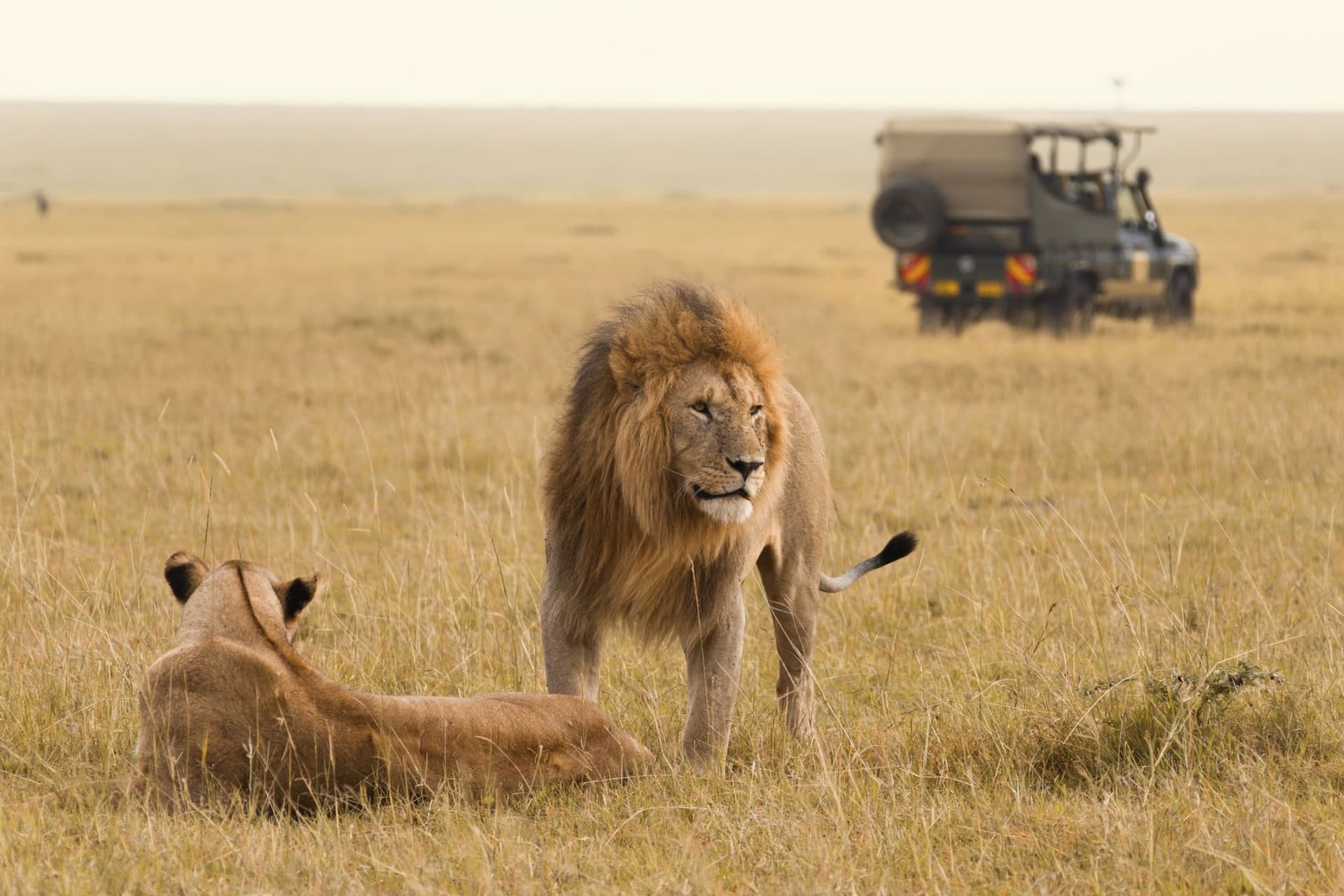
A calm lion pride rests in the Masai Mara grasslands as a safari vehicle keeps a respectful distance.
A safari is guided time in wild landscapes. It is not a zoo-style checklist, and it is rarely at its best when rushed. On a good safari, you may spend 40 minutes watching a lioness move her cubs through red oat grass, or sit quietly as elephants decide whether your vehicle is worth their attention.
Our guides read much more than the animal in front of them. Tracks in damp soil, oxpecker calls, the direction of the wind, nervous impala, circling vultures and a sudden silence among birds can all shape the drive. That is why the same route can feel completely different at dawn, at noon and again near sunset.
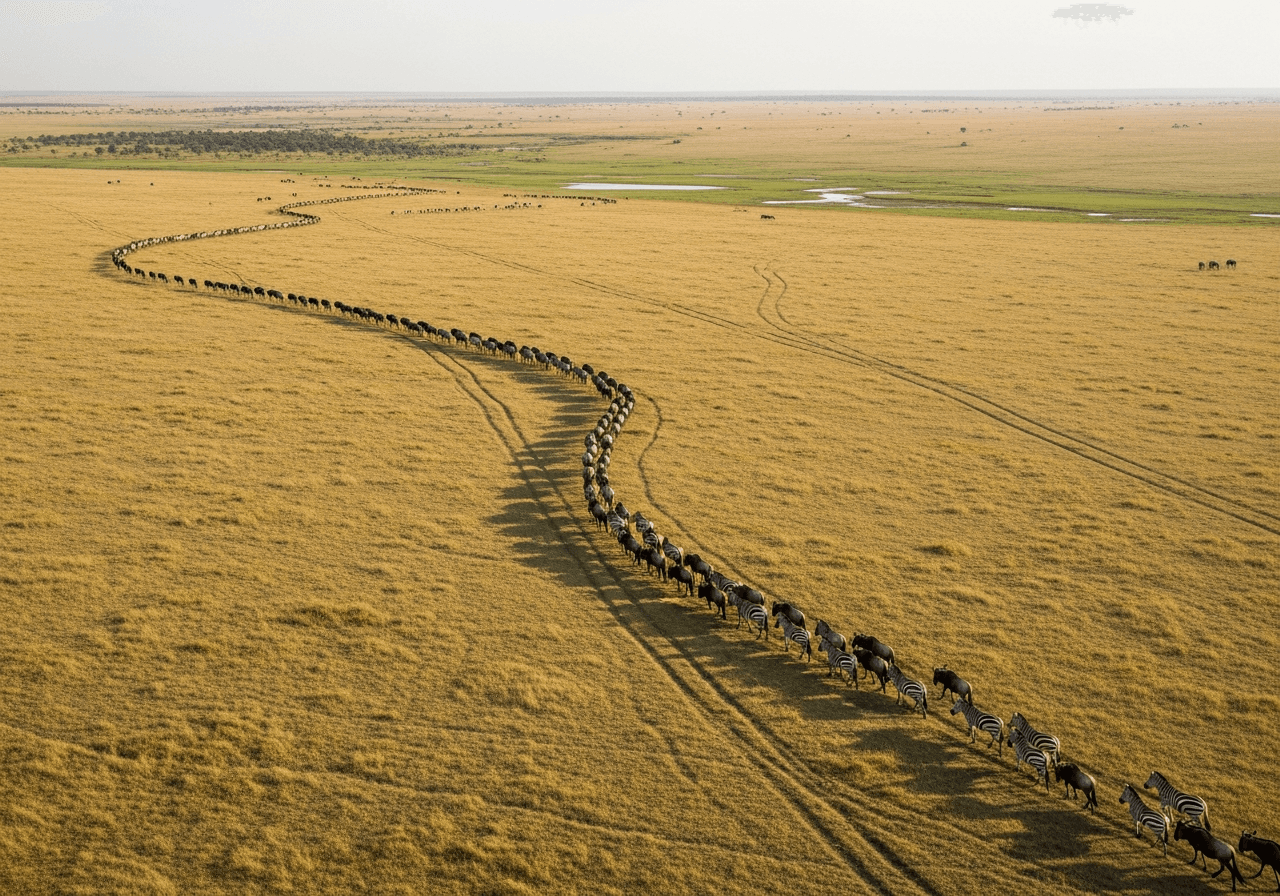
A wildebeest herd gathers at the Mara River, capturing the tension and scale of East Africa’s dry-season migration.
Expect early starts. In the Masai Mara, the first light is often the most productive part of the day, with predators still active and plains game moving before the heat builds. Late morning and midday are slower, restful hours for lunch, showers, reading, swimming or simply looking over the plains from camp.
Kenya is a gentle first base for Africa safari Kenya planning because Nairobi connects well to the Masai Mara, Amboseli National Park, Lake Nakuru National Park, Lake Naivasha and Ol Pejeta Conservancy. You can travel by road for value and landscape, or by light aircraft to protect time in the bush.
Why a safari in the Masai Mara is a natural first choice
The official protected area is Masai Mara National Reserve Kenya. Many first-time travellers search for Masai Mara National Park Kenya, but the key terms are the national reserve and the neighbouring private conservancies. The Masai Mara reserve is the classic core area, while conservancies such as Mara North, Olare Motorogi, Naboisho and Ol Kinyei border it and add a quieter, more flexible style of safari.
Masai Mara National Reserve covers approximately 1,510 sq km in south-west Kenya. It is compact by East African standards, but exceptionally rich. For first-timers, that matters. You do not want to spend all day chasing rumours of wildlife; you want a landscape where lion prides, elephants, buffalo, giraffe, hyena, topi, impala and warthog are part of the daily rhythm.
The Mara is also one of Africa’s best places to understand predator behaviour. Cheetah families use the open plains where they can scan for gazelle and avoid lion pressure. Leopards favour riverine woodland along the Talek and Mara rivers, where shade, ambush cover and impala are close together. Lions may be found on termite mounds at sunrise, bellies full after a night hunt, or walking the drainage lines when the heat drops.
Neighbouring private conservancies can improve a first safari in the Masai Mara if you value space and guiding depth. They usually allow activities that the main reserve does not, such as night drives, off-road viewing under strict rules, guided walks and bush meals. Vehicle numbers are controlled, and the atmosphere is often more intimate.
Choose the reserve for big landscapes, classic Mara scenes and easy access to river-crossing areas in migration season.
Choose a conservancy for fewer vehicles, flexible activities, strong guiding and a more private camp experience.
Combine both if you have at least three nights and want the broadest first-time Masai Mara safaris experience.
Best time for a safari in the Masai Mara in 2026
As of 15 June 2026, the long dry season is settling in across much of Kenya and Tanzania; grass is thinning, visibility is improving and mornings can feel cool. This is the point when the Mara begins to look more open, predators become easier to see, and travellers start watching migration updates closely.
July to October is peak season for a safari in the Masai Mara, especially for Great Migration river-crossing hopes. The Great Migration is commonly estimated at about 1.5 million wildebeest plus hundreds of thousands of zebra and gazelles. The drama is real, but crossings are wild and never run to a calendar. Rainfall, grass, herd pressure, river levels and predator presence all influence movement.
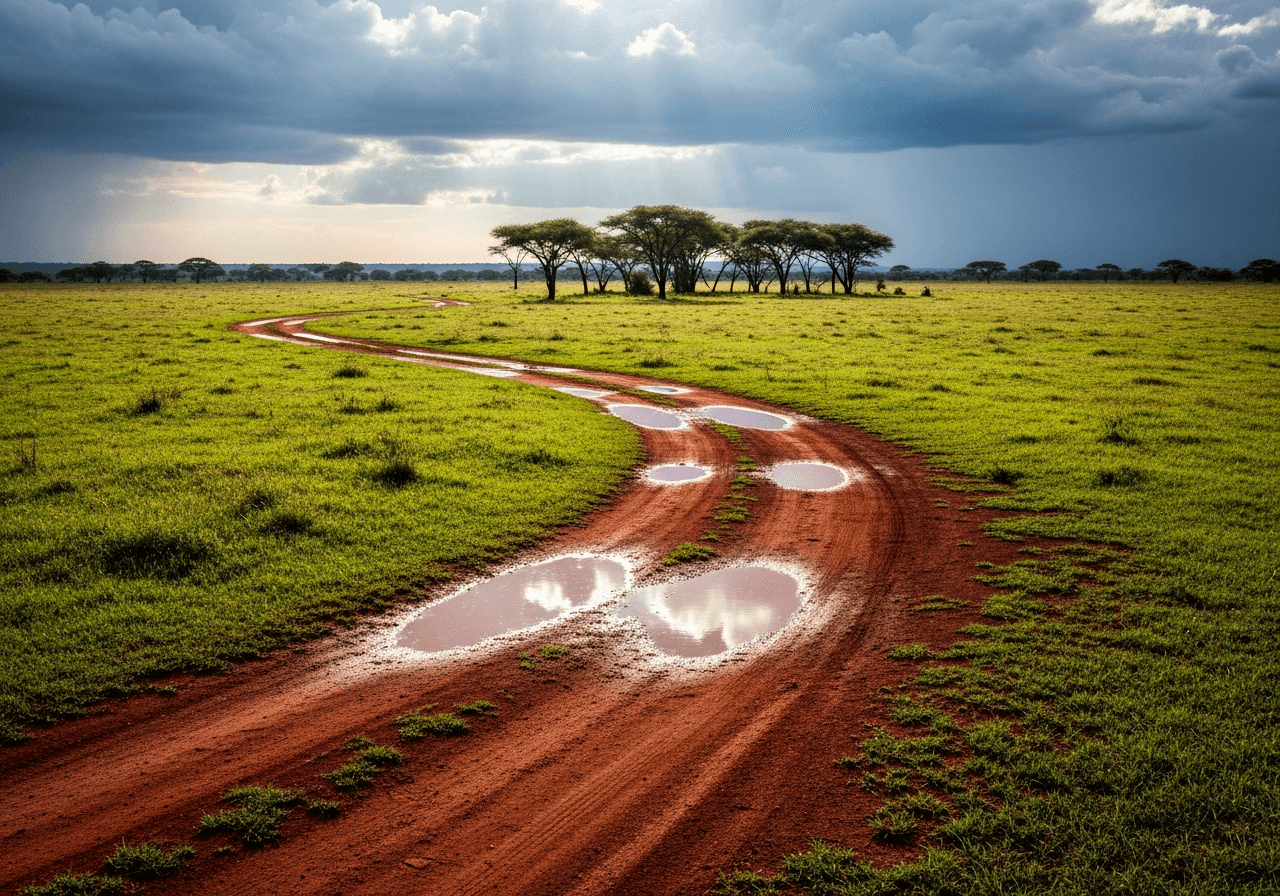
January to March is superb for green-season light, southern Serengeti calving and newborn antelope in Kenya. Birdlife is excellent, many plains are fresh and photogenic, and rates can be gentler outside festive dates. April and May bring heavier rains but better value; some camps close, roads can be muddy, and the experience suits flexible travellers more than first-timers on a tight schedule.
Season
What to expect
Best for
January–March
Green plains, clear light, many young antelope, excellent predator action in places
Peak Mara season, migration possibility, dry conditions, highest demand
First-timers wanting the classic Mara migration window
November–December
Short rains, fresh grass, dramatic skies, festive-season demand later in December
Repeat travellers, families, softer light and active wildlife
Choose your first route: Kenya, Tanzania, Uganda or Rwanda
East Africa is wonderfully varied, but it helps to start with what each country does best. Kenya suits classic africa Kenya safaris: Nairobi, Masai Mara, Amboseli National Park, Lake Nakuru, Lake Naivasha and Ol Pejeta. It offers strong wildlife density, manageable distances and excellent lodge choice for a first kenya african safari.
A light safari aircraft waits on a remote red-dirt airstrip, ready for seamless East African bush connections.
Featured Luxury
KE+2
Multi Country Safari
Kenya · Nakuru City
12Days
12-Day Grand East Africa Safari
Nakuru CitySerengeti National ParkVolcanoes National Park+1
Three countries in one epic journey — Kenya, Tanzania, Rwanda
Big Five across the Masai Mara, Serengeti, and Ngorongoro
For travellers who want a Kenya-first plan, our Kenya safari routes are usually the simplest place to begin. A well-paced itinerary can include the Mara’s big cats, Amboseli’s elephant herds, Lake Nakuru’s rhino and flamingo possibilities, and Ol Pejeta’s conservation story without crossing an international border.
Tanzania is best for the Serengeti, Ngorongoro Crater, Tarangire, Kilimanjaro views, Mount Meru extensions and Zanzibar beach time. It is especially strong if you want the migration across a broader ecosystem, because Serengeti National Park covers 14,763 sq km in northern Tanzania and the herds move through different regions across the year.
Uganda and Rwanda are the strongest choices for mountain gorillas, chimpanzees and lush highland scenery after a vehicle-based safari. Bwindi Impenetrable Forest in Uganda feels ancient and tangled; Volcanoes National Park in Rwanda is more open, volcanic and logistically smooth from Kigali.
African countries have separate entry rules, currencies and African flags, so we check requirements by nationality rather than assuming one regional rule. A Kenyan eTA, a Tanzanian eVisa, a Ugandan visa and a Rwandan visa are not the same thing, and transit rules can matter.
Country
Best first-time strengths
Good add-ons
Kenya
Masai Mara, Amboseli, Lake Nakuru, Ol Pejeta, easy Nairobi access
Lake Naivasha, Tsavo East, Diani Beach
Tanzania
Serengeti, Ngorongoro Crater, Tarangire, Zanzibar
Kilimanjaro foothills, Mount Meru, Ruaha for return visitors
Uganda
Gorillas, chimpanzees, forests, varied scenery
Queen Elizabeth National Park, Murchison Falls
Rwanda
Gorillas, short transfers, premium lodges, Kigali access
Golden monkeys, Nyungwe Forest, Akagera
Masai Mara, Serengeti or both?
The Masai Mara is compact, wildlife-rich and easy to combine with other Kenya areas, making it ideal for a first kenya Africa safaris itinerary. The Serengeti is much larger and more seasonal, with the migration moving through the south, central plains, western corridor and north at different times of year.
Together, the Mara and Serengeti explain why the migration is an ecosystem journey, not simply a few dramatic Mara River crossings. Wildebeest do not know the Kenya–Tanzania border. They follow grass and rain, calve in the southern Serengeti, move north and west, and may reach the Mara when conditions draw them there.
If you are choosing one, the Mara is usually easier for a short first safari. If you have 8–12 days, combining the Mara with Serengeti National Park and the Ngorongoro Crater can be magnificent. Light aircraft connections are worth considering because long overland transfers can consume the very hours you came to spend with wildlife.
Choice
Why choose it
Suggested length
Masai Mara only
High wildlife density, strong big cats, easiest first Mara focus
3–4 nights
Serengeti only
Vast landscapes, seasonal migration routes, superb lion country
4–6 nights
Mara and Serengeti
Best understanding of the wider migration ecosystem
8–12 days including transfers
Mara, Serengeti and Ngorongoro
Big cats, migration potential, crater wildlife and Tanzania scenery
10–12 days
How many days do you need?
Seven to ten days is the sweet spot for most first-timers. It allows two or three wildlife areas without making every second day a transfer day. A well-paced week might include Nairobi, Lake Nakuru or Ol Pejeta, and a safari in the Masai Mara. With ten days, you can add Amboseli, Lake Naivasha or the northern Serengeti depending on season.
A three- or four-day trip can work for a Mara-only safari or an Amboseli quick escape, especially if you are already in East Africa. For long-haul travellers, however, an extra night often changes the whole feel of the journey. You recover from the flight, settle into camp rhythms and give the wildlife time to unfold naturally.
Avoid one-night hops where possible. They look efficient on paper but often feel thin on the ground. Two nights is the minimum per park; three nights in the Mara or Serengeti is much better. The extra night is often when you stop trying to see everything and begin noticing behaviour: a hyena den, a saddle-billed stork fishing, a leopard returning to a hidden kill.
3–4 days: best for a focused Masai Mara or Amboseli short safari.
7–8 days: ideal for a first Kenya big 5 safari Africa route.
10–12 days: best for Kenya and Tanzania together, or a gorilla extension.
14 days or more: good for a slower multi-country safari with Zanzibar at the end.
Big Five, gorillas and other wildlife to expect
Africa the Big Five means lion, leopard, elephant, Cape buffalo and rhino. The phrase comes from old hunting language, but modern african big five safaris are about careful viewing and conservation. For an Africa big five safari, rhino strategy matters most, because rhino are protected in specific areas and are not widely scattered across every park.
A graceful Amboseli elephant herd moves across golden grassland with Mount Kilimanjaro rising clear behind them.
Featured Luxury
RW
Gorilla Trekking
Rwanda · Volcanoes National Park
3Days
3-Day Rwanda Gorilla Trekking Experience
Volcanoes National Park
One-hour encounter with a habituated mountain gorilla family
The Mara is strong for lions, cheetahs and leopards. Buffalo are common, and elephants move through riverine woodland and open plains. Rhino are present but rarely the easiest sighting, which is why we often pair the Mara with Lake Nakuru National Park or Ol Pejeta Conservancy for stronger rhino chances.
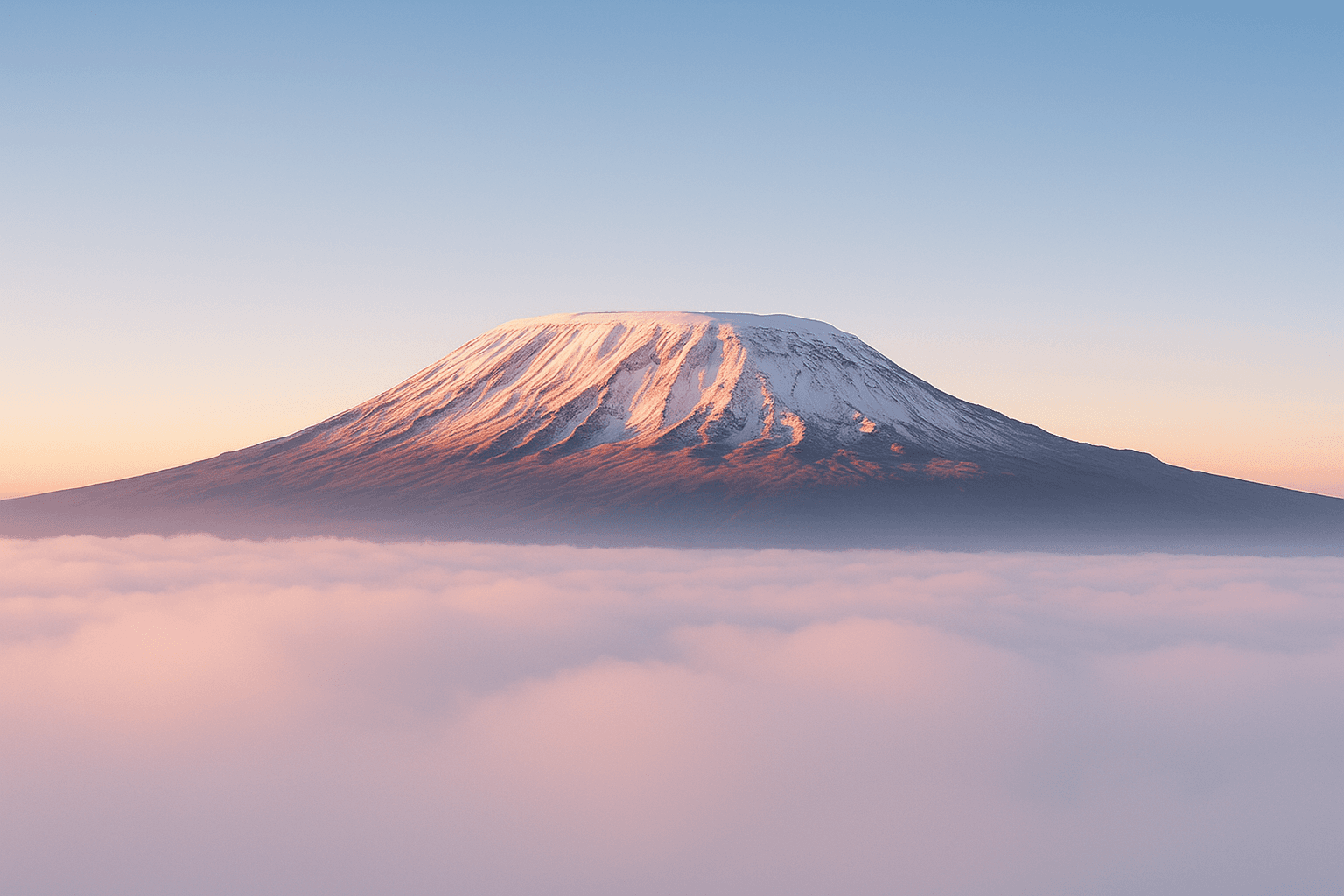
Amboseli National Park is famous for elephants beneath Kilimanjaro. Kilimanjaro rises to 5,895 m, making it Africa’s highest mountain and a clear-day backdrop to Amboseli. The sight of elephant families walking across dusty pans with the mountain above them is one of the great images of a Kenya African safari.
Ngorongoro Crater can be excellent for black rhino, while the Serengeti is one of East Africa’s great lion strongholds. Lake Nakuru adds rhino, Rothschild’s giraffe and seasonal flamingo possibilities, although flamingo numbers shift with water conditions. Ol Pejeta is especially strong for conservation-focused travellers, with black and white rhino, endangered species work and a different Laikipia landscape.
Mountain gorillas are a separate permit experience, not a vehicle safari. In Uganda, treks take place in Bwindi Impenetrable Forest or Mgahinga Gorilla National Park; in Rwanda, they take place in Volcanoes National Park. Foreign non-resident gorilla permits in 2026 are US$800 in Uganda and US$1,500 in Rwanda. These permits are limited and should be secured before international flights are finalised.
“
“Our guides often say: “The best safari moment is not always the rarest animal; it is the moment you stay long enough to understand what the animal is doing.””
Where to stay: lodges, tented camps and conservancies
First-time travellers often hear “tented camp” and imagine basic camping. In East Africa, that is usually not what it means. Most good tented camps have proper beds, en-suite bathrooms, hot showers, charging points, attentive staff and lantern-lit dining areas. Canvas simply brings you closer to the sounds of the night: lion calls, hyena whoops, scops owls and wind in the grass.
Warm lantern light brings an elegant Masai Mara tented camp to life beneath a soft violet dusk sky.
Reserve lodges suit short stays and big views. They are often larger, easier for families, and convenient for first-time safari logistics. Mara Serena Safari Lodge, for example, has a dramatic position on a hill with wide Mara views. Sarova Mara Game Camp is a practical, well-known option for travellers who want a classic reserve base and familiar comforts.
Conservancy camps suit privacy, guiding depth and flexible activities. They are often smaller, with fewer vehicles and a stronger sense of being hosted in the bush. They may cost more, but the value is in location, access and guiding rather than decoration alone.
Outside the Mara, useful first-time options include Ol Tukai Lodge in Amboseli, with easy elephant viewing and mountain views when Kilimanjaro is clear; Satao Elerai Camp, which gives a quieter Amboseli-area experience; and The Cliff Nakuru, perched above Lake Nakuru National Park. The right choice depends on your route, season, travel style and how much privacy you want.
Choose larger lodges if you like more facilities, easier meal flexibility and a sociable atmosphere.
Choose small tented camps if guiding, location and quiet evenings matter most.
Choose conservancies if you want night drives, walks, low vehicle density and a deeper sense of place.
What a first safari in the Masai Mara costs in 2026
Tailor-made private safari costs vary by season, lodge level, park fees, internal flights and whether game-drive vehicles are private or shared. Peak months, premium conservancies, fly-in routing, single supplements and family-room availability all change the final quote. We prefer to show first-timers where to save and where not to: guiding quality, location and pacing matter more than decorative luxury.
As a broad planning guide for 2026, a short road safari to the Mara can start from about US$1,950 pp sharing in lower-demand periods, while a fly-in conservancy safari in peak season may start from around US$3,900 pp sharing. A private 8-Day Kenya Big Five Safari style route is often from US$4,850 pp in comfortable mid-range lodges, rising with flights, premium camps and peak dates.
Gorilla permits are separate from accommodation and should be secured before finalising flights to Uganda or Rwanda. Zanzibar beach extensions also change the budget sharply depending on whether you choose a simple beach hotel, a boutique property or a private-island style stay.
Safari style
Typical 2026 starting point
What usually drives the price
3-night Masai Mara road safari
From US$1,950 pp sharing
Road transfers, reserve lodge level, season and park fees
3-night Masai Mara fly-in safari
From US$2,850 pp sharing
Light aircraft flights, camp location, shared or private drives
4-night conservancy-focused Mara safari
From US$3,900 pp sharing
Conservancy fees, camp size, private activities and peak dates
8-day Kenya Big Five route
From US$4,850 pp sharing
Number of parks, vehicle privacy, lodge level and routing
10–12 day Kenya and Tanzania safari
From US$7,800 pp sharing
Cross-border logistics, Serengeti sector, flights and crater access
Gorilla extension
From US$2,400 pp plus permit, depending on country
Permit cost, trekking location, lodge level and flight access
Health, visas, money and time
Kenya uses an electronic travel authorisation for most visitors; Tanzania, Uganda and Rwanda have their own visa or eVisa systems and passport rules. Requirements vary by nationality, passport validity, routing and transit points, so we always check the current official guidance before travel. Do not assume that one East African approval covers every border.
Ask a travel clinic about malaria prevention, routine vaccinations and yellow fever certificate rules if arriving from or transiting through a risk country. A safari is not medically difficult for most travellers, but remote areas make preparation important. Pack prescription medication in hand luggage, carry copies of prescriptions and tell us about mobility, dietary or medical needs before we design the route.
Time for Kenya is simple but important for arrivals and calls home. Kenya is on East Africa Time, UTC+3, throughout 2026 with no daylight saving time. Tanzania and Uganda also use East Africa Time, while Rwanda is one hour behind on Central Africa Time, UTC+2.
Safaris are commonly quoted in US dollars, while local spending uses Kenyan shillings, Tanzanian shillings, Ugandan shillings or Rwandan francs. Credit cards work in many lodges and city hotels, but small notes are useful for tips, markets and personal purchases. ATMs are available in major towns, not in the middle of the Mara.
Carry: passport, eTA or visa confirmation, insurance details, vaccination records where relevant and emergency contacts.
Budget for: tips, drinks not included, premium activities, souvenirs, laundry and optional city meals.
Pack soft-sided luggage, neutral layers, a warm fleece, sun hat, sunglasses, sunscreen, insect repellent and a light rain shell. Soft bags are especially important if your itinerary includes light aircraft flights, where strict weight and shape limits apply. Avoid hard suitcases unless we confirm they suit your route.
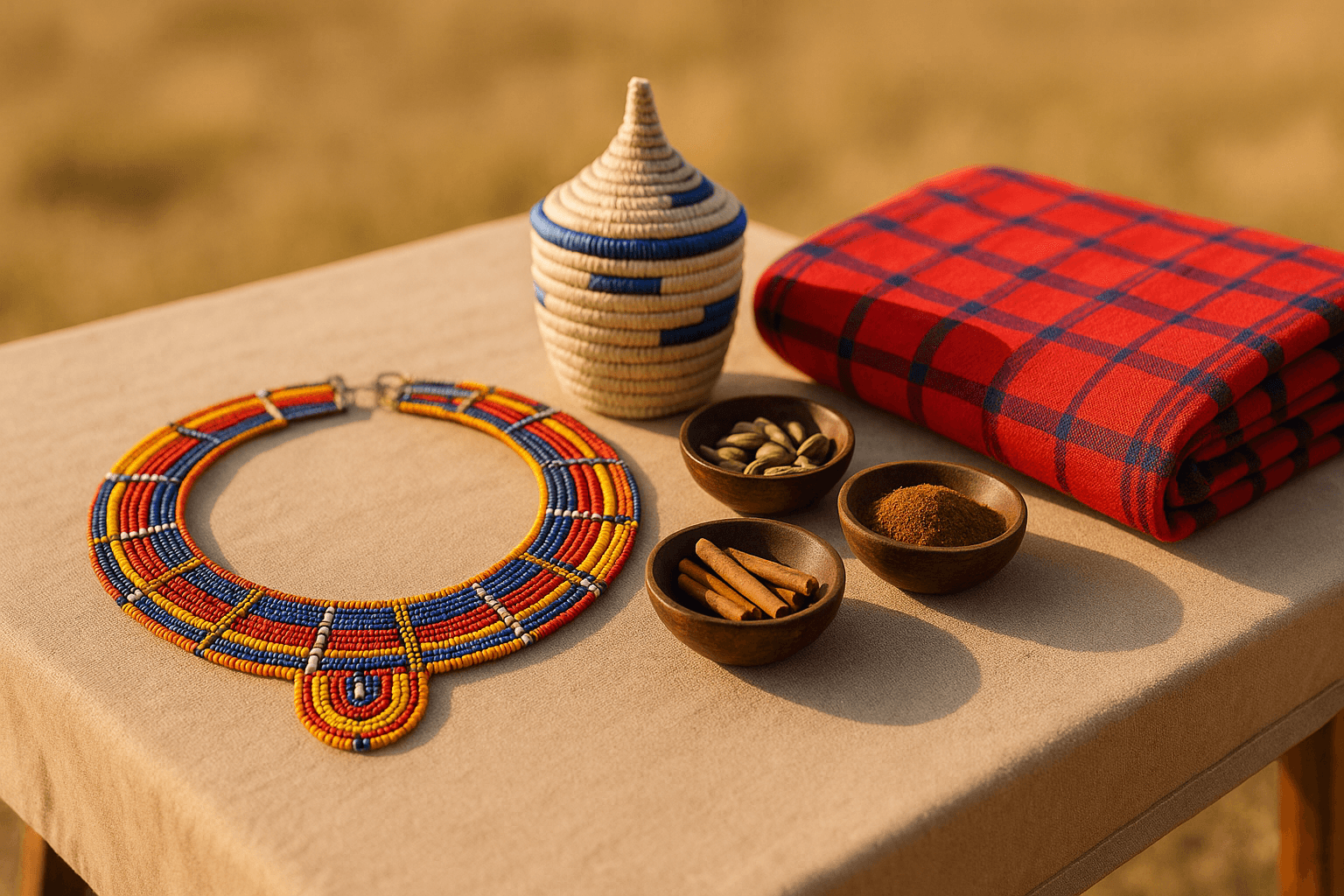
A calm, practical flat lay of light aircraft-friendly safari essentials for a well-prepared first trip.
Bring binoculars if you can. They transform a first safari, especially for birds, distant cats, rhino and small behaviour details. Spare camera batteries, memory cards, a small daypack and any personal medication should travel in your hand luggage. A phone is useful, but a camera with a moderate zoom is far better for wildlife.
For a more detailed pre-trip checklist, our safari packing list covers clothing, luggage, camera kit and small items first-timers often forget. The main principle is simple: pack light, pack layers, and choose comfort over safari costume.
Avoid drones unless permits are arranged in advance; they are restricted in many wildlife areas and can disturb animals. Respect strict plastic bag rules in Kenya and Rwanda. Single-use plastic carrier bags can cause problems at airports, so use cloth packing cubes or reusable pouches instead.
For mountains in Africa add-ons such as Kilimanjaro viewpoints, Mount Kenya or Mount Meru, pack warmer layers for altitude. Even if you are not climbing, mornings at higher elevations can feel surprisingly cold before the sun rises.
Clothing: khaki, olive, grey or beige layers; avoid bright whites and heavy camouflage.
Footwear: comfortable closed shoes for drives and camp, plus sandals for downtime.
Useful extras: lip balm, hand sanitiser, universal adaptor, torch and a dry bag for electronics.
Leave behind: bulky jewellery, high heels, hard suitcases, drones without permits and unnecessary formalwear.
Sample first-timer safari routes
The best first route depends on your flight schedule, budget, season and appetite for movement. We tailor the pace differently for families, honeymooners, photographers and travellers who want fewer transfers. A family route needs sensible drive times and pool time; a photographer may want three or four nights in one camp and a private vehicle; honeymooners often prefer fewer lodges with a strong sense of privacy.
A tranquil Zanzibar shoreline pairs turquoise shallows, white sand and a traditional dhow for a restorative island escape.
Featured Mid Range
KE
Safari
Kenya · Masai Mara National Reserve
8Days
Mid range 8 Days Kenya Safari – Amboseli, Lake Naivasha, Lake Nakuru & Masai Mara
Masai Mara National ReserveNakuru CityNairobi City+1
A classic 8-day Kenya Big Five route can combine Nairobi, Ol Pejeta or Lake Nakuru, the Masai Mara and Amboseli. This gives strong chances for lion, leopard, elephant, buffalo and rhino, plus contrasting landscapes from Laikipia or the Rift Valley to the Mara plains and Kilimanjaro country.
A 10–12 day East Africa journey can join Kenya Masai Mara, Serengeti, Ngorongoro and an optional Rwanda or Uganda gorilla extension. This is a bigger journey and needs careful planning, but it is one of the most complete ways to experience Africa the Big 5, the migration ecosystem and great ape trekking in a single trip.
A safari-and-beach route pairs the bush with Zanzibar, giving first-timers a softer finish after early mornings on game drives. Zanzibar works well after northern Tanzania, but it can also be reached from Kenya with the right flight connections. The beach is not essential, but after dust, dawn starts and intense wildlife days, many travellers are grateful for warm water and slow mornings.
Route idea
Length
Best for
Indicative starting price
Nairobi, Lake Nakuru, Masai Mara
6–7 days
First safari, rhino plus big cats, manageable budget
From US$3,650 pp sharing
Nairobi, Ol Pejeta, Masai Mara, Amboseli
8 days
Classic Kenya big five safari Africa experience
From US$4,850 pp sharing
Masai Mara, Serengeti, Ngorongoro Crater
10–12 days
Migration ecosystem, big cats, iconic East Africa
From US$7,800 pp sharing
Kenya safari plus Uganda gorillas
10–12 days
Big game and Bwindi Impenetrable Forest
From US$7,250 pp sharing plus permit
Serengeti, Ngorongoro, Zanzibar
9–11 days
Safari and beach, honeymooners, relaxed finish
From US$6,900 pp sharing
If you are planning for July to October 2026, especially for a safari in the Masai Mara, the most important decision is not only where to go but when to hold space. Good camps, family tents, private vehicles and migration-season flights sell early. We can shape the route around your dates, but the strongest first safari plans usually begin with honest pacing and the right camp in the right place.
Yes, the Masai Mara is one of the best first safari destinations in Africa because wildlife density is high, access from Nairobi is straightforward, and the guiding infrastructure is excellent. It is especially strong for lion, cheetah, elephant, buffalo and leopard sightings.
Seven to ten days is ideal for most first-timers, allowing two or three wildlife areas without feeling rushed. If time is short, a 3–4 night safari in the Masai Mara can still be very rewarding.
July to October 2026 is the peak season for a safari in the Masai Mara, especially for Great Migration river-crossing hopes, though crossings are never guaranteed. January to March is also excellent for green-season light, young animals and fewer crowds.
Yes, but rhino planning is key: combine the Masai Mara with Lake Nakuru, Ol Pejeta or Ngorongoro Crater for stronger Big Five chances. Lion, leopard, elephant and buffalo are commonly seen in well-planned Kenya and Tanzania routes.
Most visitors need a Kenya eTA, while Tanzania, Uganda and Rwanda have separate visa or eVisa systems with their own rules. We check current entry requirements by nationality, routing and passport details before travel.
Kenya is on East Africa Time, UTC+3, throughout 2026 with no daylight saving time. This is the same time zone as Tanzania and Uganda, while Rwanda is one hour behind at UTC+2.
KE
Featured
Kenya
Masai Mara National Reserve
The Masai Mara National Reserve in southwestern Kenya is a premier 1,510-square-kilometre wildlife sanctuary. Renowned for the annual Great Wildebeest Migration from July to October, it offers exceptional year-round Big Five viewing across open savannahs. The reserve is contiguous with Tanzania's Serengeti, forming a critical, biodiverse transboundary ecosystem.
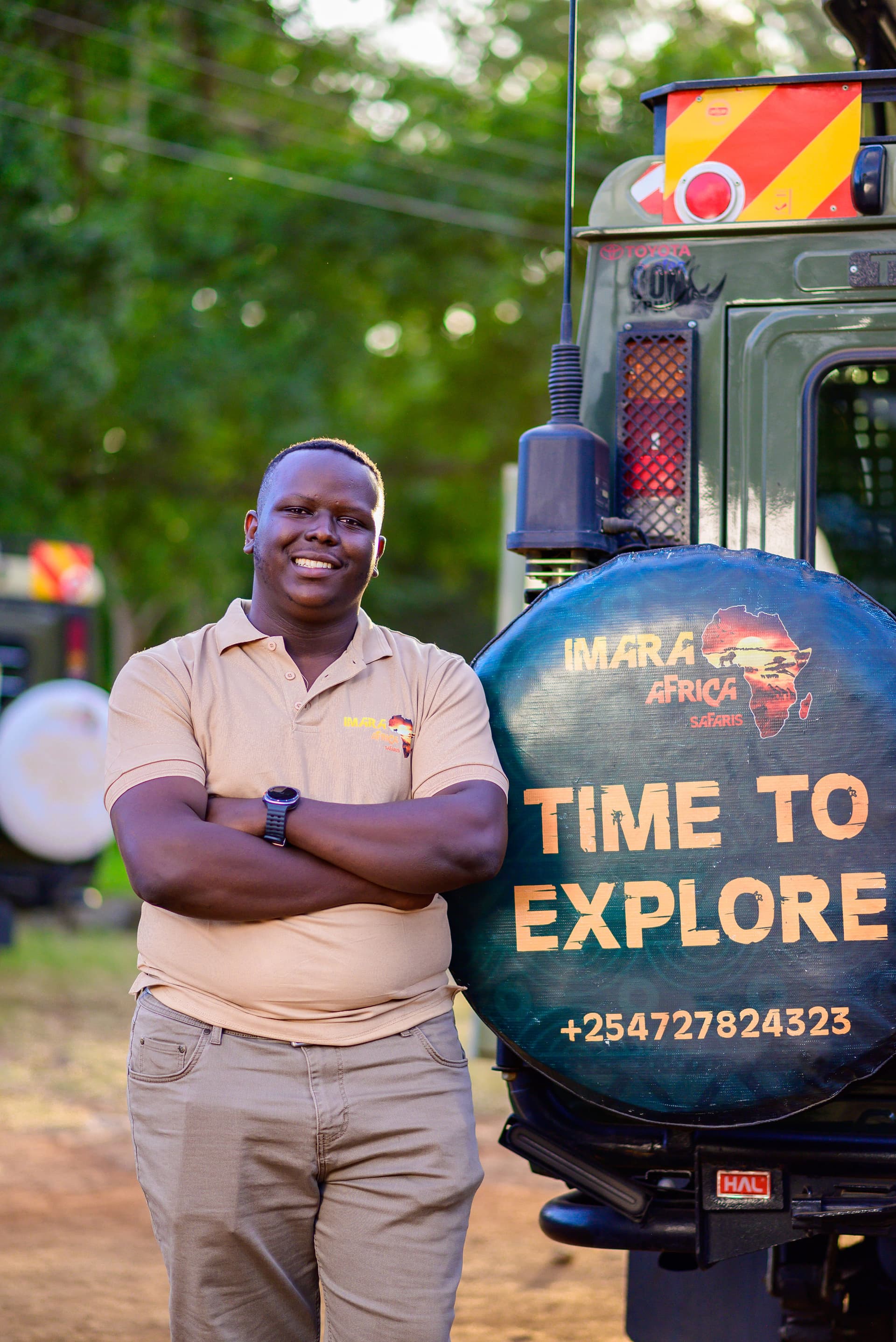
<p>Lewis Munuhe is the Director and Owner of Imara Africa Safaris, a trusted safari company dedicated to creating tailor-made African safari experiences across Kenya, Tanzania, Uganda, and Rwanda. With a strong passion for African travel, wildlife, culture, and conservation, Lewis leads the company’s vision of delivering personalized, seamless, and unforgettable safari journeys for travelers from around the world.</p><p>Through Imara Africa Safaris, Lewis helps guests discover East Africa’s most iconic destinations, from the Masai Mara and Serengeti to Uganda and Rwanda’s gorilla trekking regions. His approach focuses on understanding each traveler’s interests, comfort level, budget, and expectations, then transforming those details into carefully curated safari itineraries that feel personal, meaningful, and well-planned.</p><p>As Director and Owner, Lewis is committed to maintaining high standards in safari planning, guest care, destination expertise, and responsible tourism. Whether arranging a luxury wildlife safari, honeymoon escape, family adventure, cultural journey, gorilla trekking safari, or multi-country East African itinerary, he ensures every experience reflects the quality, authenticity, and attention to detail that define Imara Africa Safaris.</p><p>Under his leadership, Imara Africa Safaris continues to help travelers experience the beauty of Africa through expertly planned safaris that celebrate wildlife, landscapes, local cultures, conservation, and unforgettable adventure.</p>
<p>Lewis Munuhe is the Director and Owner of Imara Africa Safaris, a trusted safari company dedicated to creating tailor-made African safari experiences across Kenya, Tanzania, Uganda, and Rwanda. With a strong passion for African travel, wildlife, culture, and conservation, Lewis leads the company’s vision of delivering personalized, seamless, and unforgettable safari journeys for travelers from around the world.</p><p>Through Imara Africa Safaris, Lewis helps guests discover East Africa’s most iconic destinations, from the Masai Mara and Serengeti to Uganda and Rwanda’s gorilla trekking regions. His approach focuses on understanding each traveler’s interests, comfort level, budget, and expectations, then transforming those details into carefully curated safari itineraries that feel personal, meaningful, and well-planned.</p><p>As Director and Owner, Lewis is committed to maintaining high standards in safari planning, guest care, destination expertise, and responsible tourism. Whether arranging a luxury wildlife safari, honeymoon escape, family adventure, cultural journey, gorilla trekking safari, or multi-country East African itinerary, he ensures every experience reflects the quality, authenticity, and attention to detail that define Imara Africa Safaris.</p><p>Under his leadership, Imara Africa Safaris continues to help travelers experience the beauty of Africa through expertly planned safaris that celebrate wildlife, landscapes, local cultures, conservation, and unforgettable adventure.</p>
<p>Lewis Munuhe is the Director and Owner of Imara Africa Safaris, a trusted safari company dedicated to creating tailor-made African safari experiences across Kenya, Tanzania, Uganda, and Rwanda. With a strong passion for African travel, wildlife, culture, and conservation, Lewis leads the company’s vision of delivering personalized, seamless, and unforgettable safari journeys for travelers from around the world.</p><p>Through Imara Africa Safaris, Lewis helps guests discover East Africa’s most iconic destinations, from the Masai Mara and Serengeti to Uganda and Rwanda’s gorilla trekking regions. His approach focuses on understanding each traveler’s interests, comfort level, budget, and expectations, then transforming those details into carefully curated safari itineraries that feel personal, meaningful, and well-planned.</p><p>As Director and Owner, Lewis is committed to maintaining high standards in safari planning, guest care, destination expertise, and responsible tourism. Whether arranging a luxury wildlife safari, honeymoon escape, family adventure, cultural journey, gorilla trekking safari, or multi-country East African itinerary, he ensures every experience reflects the quality, authenticity, and attention to detail that define Imara Africa Safaris.</p><p>Under his leadership, Imara Africa Safaris continues to help travelers experience the beauty of Africa through expertly planned safaris that celebrate wildlife, landscapes, local cultures, conservation, and unforgettable adventure.</p>





Comments
Loading…