Kenya Safari Vaccinations: What You Actually Need Before You Go
Planning your dream trip? Our comprehensive guide to Kenya safari vaccinations covers mandatory entry requirements, malaria prevention, and practical health tips for the trail.
12 min read119viewsUpdated Sep 27, 2026
119views
Share
Listen~12 min
In this articleTap to view 7 sectionsTap a section to jump
A Yellow Fever certificate is legally mandatory if entering Kenya from a country with risk of transmission, or when crossing borders on multi-country itineraries.
Routine immunisations like Hepatitis A, Typhoid, and Tetanus are highly recommended for all travellers.
Malaria risk is altitude-dependent; it is low in Nairobi but higher in low-altitude savannahs like the Masai Mara and Amboseli.
Premium safari lodges provide safe, purified water for drinking and brushing teeth, though bottled water remains standard.
Consult a travel clinic at least 4 to 6 weeks before departure to allow vaccines to become fully effective.
Understanding Kenya Safari Vaccinations and Entry Requirements
Preparing for a dream trip to East Africa is an exciting journey, but navigating the health requirements for Kenya safari planning can feel overwhelming. The most important distinction to make is between legally mandatory vaccinations required for border entry and those recommended by medical professionals for your personal protection. While the legal barriers are minimal, ensuring your body is prepared for a new environment guarantees your holiday remains uninterrupted by preventable illnesses.
At a glance
Kenya Health Quick Facts
Recommended Prep Time
4-6 Weeks Before
Mandatory Vaccine
Yellow Fever (under conditions)
Malaria Risk
High in lowlands, low in Nairobi
Water Safety
Bottled/Filtered only
Early safari medical preparation is the key to a stress-free departure. We advise our guests to consult a travel health specialist in their home country well in advance. Gathering your records and booking an appointment allows you to map out any necessary booster doses and discuss specific health concerns related to your itinerary, ensuring you step off the plane in Nairobi feeling fully prepared and confident.
The recommended window to visit a travel clinic is 4 to 6 weeks before your departure. This timeframe is crucial because some vaccines require multiple doses spaced weeks apart to provide full immunity, while others take time to trigger a robust immune response in your system. Planning ahead ensures you are fully protected by the time you touch down on the savannah.
The Yellow Fever Certificate Kenya: When Is It Mandatory?
The rules surrounding the Yellow Fever certificate Kenya are a frequent source of confusion for travellers. If you are flying directly to Kenya from non-endemic regions, such as the United Kingdom, continental Europe, or North America, you do not legally need to show proof of a Yellow Fever vaccination to clear customs. However, the situation changes if your flight transit involves a country with a risk of Yellow Fever transmission for more than 12 hours.
Essential travel health documents, including the yellow international vaccination booklet, prepared for an African safari.
Yellow Fever Requirements Comparison
Know when you must show physical proof of vaccination
Direct Flight from Europe/US
Not Mandatory
Physical Yellow Card Required
10-Day Grace Period Applies
Recommended for Personal Health
Arriving from Endemic Country
Mandatory
Physical Yellow Card Required
10-Day Grace Period Applies
Recommended for Personal Health
Crossing Kenya-Tanzania Border
Mandatory
Physical Yellow Card Required
10-Day Grace Period Applies
Recommended for Personal Health
Compare
Not Mandatory
Direct Flight from Europe/US
Mandatory
Arriving from Endemic Country
Mandatory
Crossing Kenya-Tanzania Border
Physical Yellow Card Required
10-Day Grace Period Applies
Recommended for Personal Health
Featured Luxury
KE+2
Multi Country Safari
Kenya · Nakuru City
12Days
12-Day Grand East Africa Safari
Nakuru CitySerengeti National ParkVolcanoes National Park+1
Three countries in one epic journey — Kenya, Tanzania, Rwanda
Big Five across the Masai Mara, Serengeti, and Ngorongoro
The strict enforcement occurs when you cross land borders or travel between East African nations. For instance, entering Tanzania from Kenya yellow fever rules dictate that you must present a valid Yellow Fever certificate at the border post. Because we often guide guests across these iconic borders, we strongly advise obtaining the vaccine to prevent any unexpected delays or issues with immigration officers.
If you do require the vaccine, timing is everything. It takes exactly 10 days for the Yellow Fever vaccine to become legally valid after administration. Border officials will look at the date on your International Certificate of Vaccination or Prophylaxis (ICVP) to ensure this period has passed, so do not leave this injection until the last minute.
Highly Recommended Kenya Safari Vaccinations for East Africa
While only Yellow Fever has strict legal enforcement under specific border conditions, several other immunisations are highly recommended by the World Health Organization to safeguard your digestive and systemic health. These protect you against pathogens that are common in tropical climates or areas with different sanitation standards.
Hepatitis A and Typhoid vaccines are your primary shield against food and water-borne illnesses. Even though premium lodges maintain exceptionally high standards of hygiene, exploring local markets in Nairobi or visiting cultural homesteads can expose you to unfamiliar bacteria. Ensuring these vaccinations are up to date is a simple way to prevent severe stomach upsets.
You should also ensure your routine childhood boosters are current. Tetanus, Diphtheria, and Polio immunisations are vital, especially since a small scratch from a thorn or a minor scrape during a bush walk can easily introduce bacteria. Below is a quick-reference guide to the key immunisations to discuss with your doctor:
Vaccine / Booster
Type of Protection
Who Needs It?
Recommended Timing
Yellow Fever
Viral infection transmitted by mosquitoes
Mandatory if entering from endemic zones or crossing to Tanzania
At least 10 days before travel
Hepatitis A & Typhoid
Food and water-borne pathogens
Highly recommended for all travellers
2 to 4 weeks before travel
Tetanus, Diphtheria & Polio
Routine bacterial and viral infections
Anyone whose boosters are over 10 years old
Prior to departure
Hepatitis B
Blood-borne pathogens
Recommended for adventure travellers or long stays
Requires a multi-month schedule
Malaria Prevention East Africa: Assessing the Real Risk
Understanding malaria prevention East Africa is essential for anyone visiting the region. Malaria is transmitted through the bite of infected female Anopheles mosquitoes, which are most active between dusk and dawn. However, malaria risk is heavily dictated by altitude, temperature, and seasonal rainfall patterns, meaning the danger is not uniform across your entire itinerary.
KE
Featured
Kenya
Masai Mara National Reserve
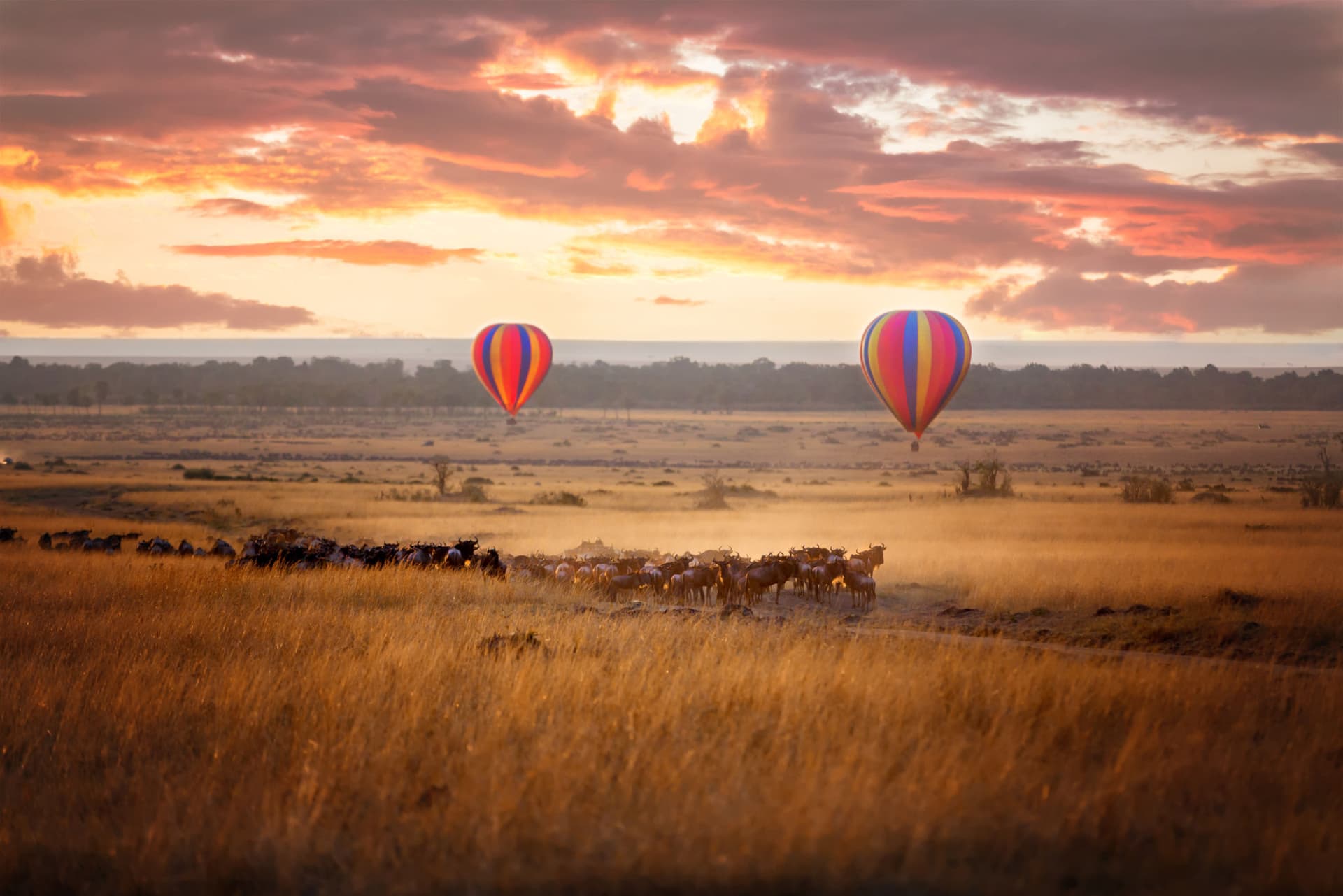
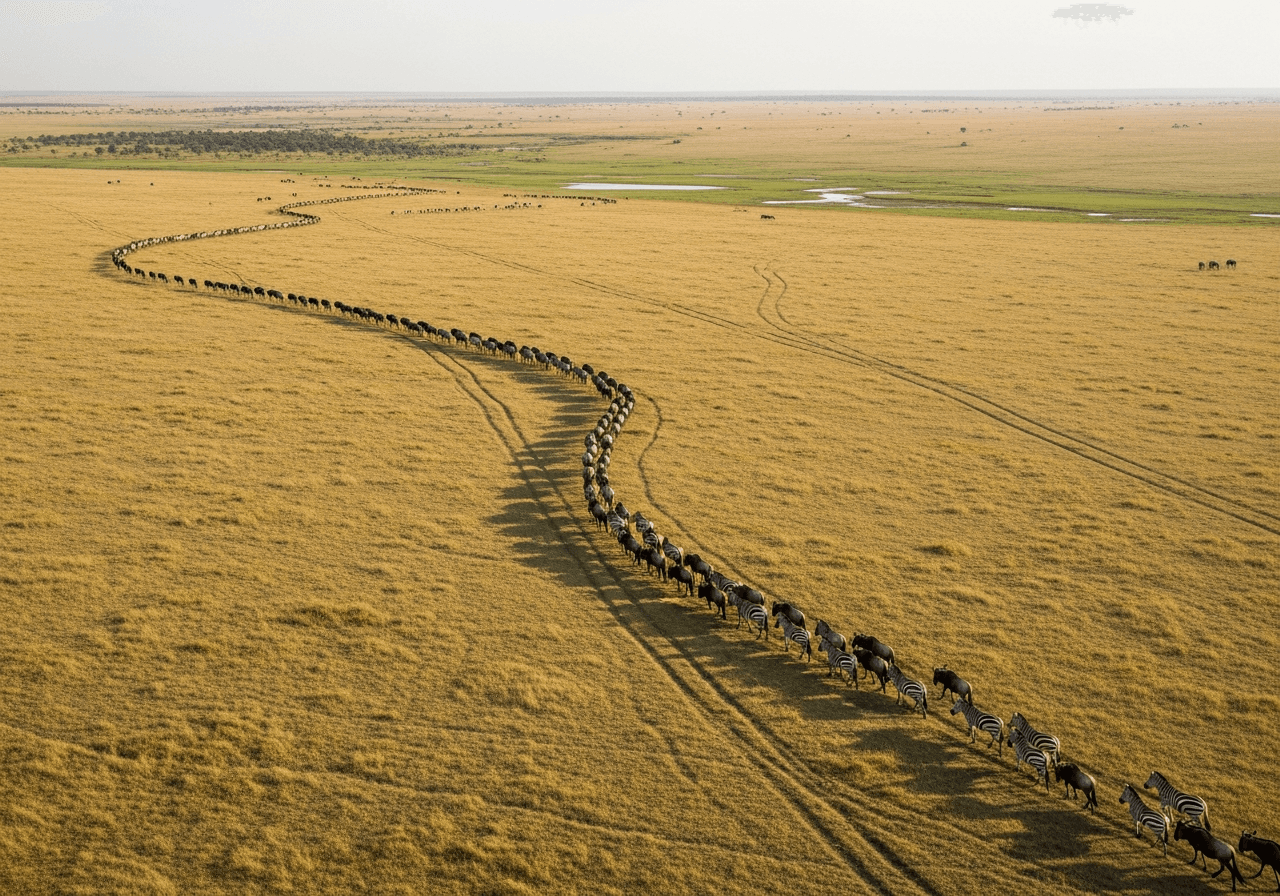
The Masai Mara National Reserve in southwestern Kenya is a premier 1,510-square-kilometre wildlife sanctuary. Renowned for the annual Great Wildebeest Migration from July to October, it offers exceptional year-round Big Five viewing across open savannahs. The reserve is contiguous with Tanzania's Serengeti, forming a critical, biodiverse transboundary ecosystem.
High-altitude areas, such as Nairobi (which sits at roughly 1,795 meters above sea level), have virtually no malaria transmission because the cool evening temperatures prevent the parasite from developing inside the mosquito. Conversely, low-altitude, warmer regions present a more consistent risk. When travelling through Amboseli National Park or Tsavo East National Park, the lower elevation and warmer climate make preventative measures highly necessary.
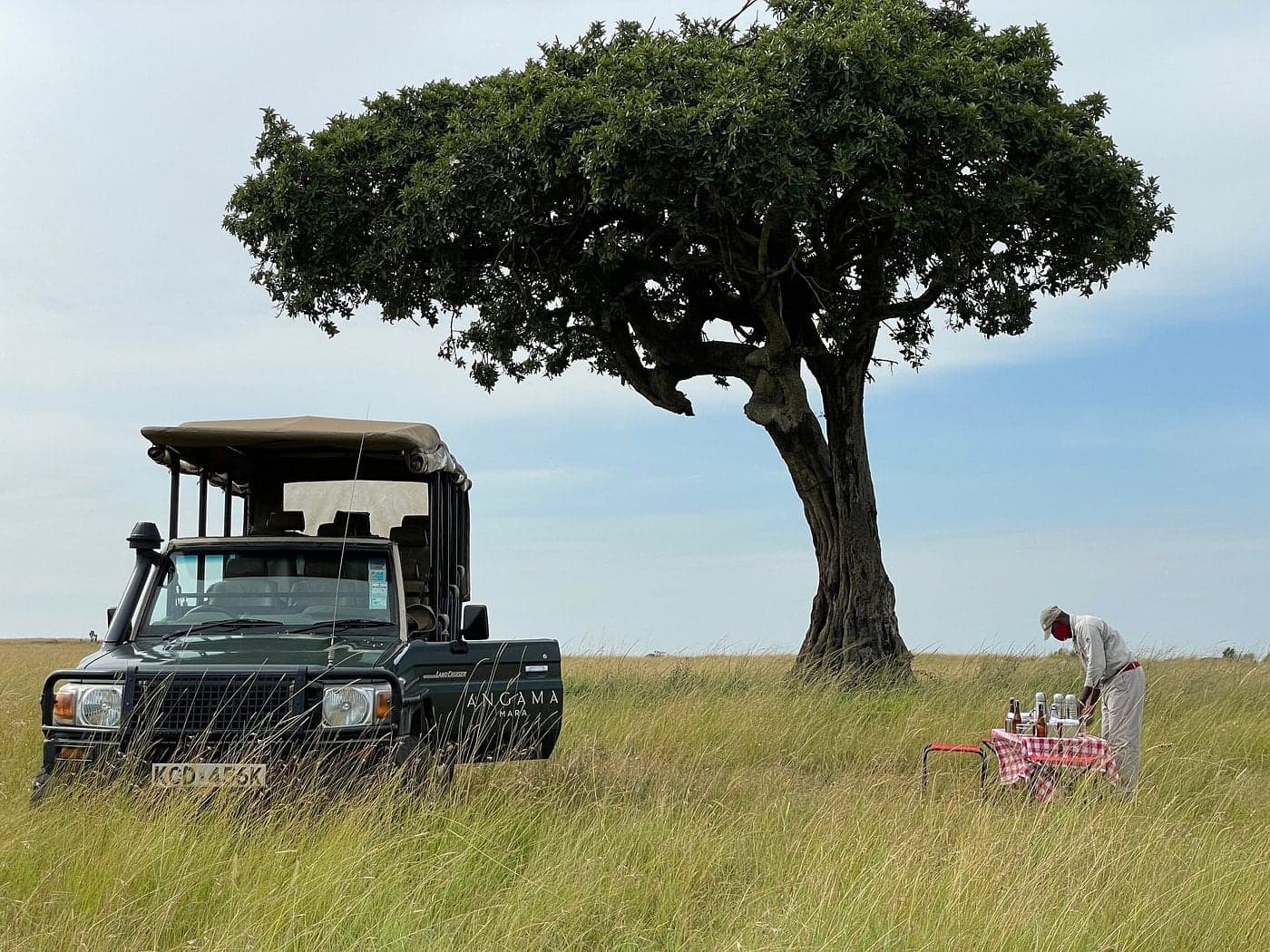
In the world-famous Masai Mara National Reserve, the risk is unique. The altitude of the Masai Mara is approximately 1600 meters, a height where malaria risk exists but is seasonally variable. During the dry season, mosquito numbers drop significantly, while the wet seasons bring higher activity. Regardless of the month, we always advise taking prescription antimalarial tablets. Your travel doctor can help you choose between options like Atovaquone/Proguanil (Malarone), Doxycycline, or Lariam, depending on your personal medical history.
Staying Healthy on the Trail: Practical Advice
Vaccines and pills are your internal shield, but simple daily habits provide your most effective external defence. Preventing mosquito bites in the first place not only protects you from malaria but also from other insect-borne viruses like Dengue fever. We recommend applying a repellent containing 30% to 50% DEET to exposed skin, and wearing long-sleeved shirts and trousers in neutral, light-coloured fabrics during early morning and late afternoon game drives.
Experience ultimate comfort in a beautifully designed, sunlit luxury safari suite overlooking the African wilderness.“
“"The best defence on safari is a simple routine: cover up at dusk, apply your repellent to ankles and wrists, and always sleep under the mosquito nets provided by your camp." — Guide Tip from the Imara Africa Safaris Team”
A common concern for first-time visitors to Kenya safaris is the safety of drinking water. We are proud to share that there is 100 percent availability of safe, purified water at premium partner lodges. Standard tap water in cities and rural areas should not be consumed, but our partner properties supply unlimited complimentary bottled or reverse-osmosis purified water for drinking and brushing your teeth.
Do not underestimate the strength of the equatorial sun. Dehydration and heat exhaustion can easily mimic the early symptoms of tropical illnesses. Wear a wide-brimmed safari hat, apply high-SPF sunscreen regularly, and carry a reusable water bottle to sip from throughout your game drives, even when the cool breeze of the moving vehicle makes you feel deceptively cool.
Your Personal Safari First-Aid Kit Checklist
While our custom-designed safari vehicles are equipped with first-aid kits and our guides are trained in basic first aid, carrying a small personal medical kit ensures immediate comfort for minor ailments. It is always best to have familiar brands on hand rather than searching for a pharmacy in rural areas.
Safari Packing Checklist
Everything you need for an unforgettable East African safari — organised, prioritised and ready to tick off.
0/62
Clothing & Footwear
0/12
Must
Must
Must
Must
Must
Rec
Rec
Opt
Rec
Must
Must
Rec
Safari Gear & Optics
0/12
Must
Rec
Must
Must
Must
Must
Rec
Rec
Opt
Opt
Rec
Opt
Toiletries & Health
0/12
Must
Must
Must
Must
Rec
Rec
Rec
Must
Rec
Rec
Opt
Opt
Prescription Medications: Pack more than enough of your daily prescriptions in their original pharmacy-labelled bottles, along with your antimalarial tablets.
Stomach Remedies: Include antidiarrheal medication (like Loperamide), rehydration salts, and mild laxatives to help your digestive tract adjust to new cuisines.
Pain and Allergy Relief: Antihistamines (crucial for insect bite reactions), Ibuprofen, and Paracetamol.
Wound Care & Protection: Antiseptic wipes, insect bite soothing creams (hydrocortisone), blister plasters, and a small roll of medical tape.
Before packing, it is also highly sensible to secure comprehensive travel protection. For detailed advice on protecting your investment and your health, read our guide on Travel Insurance: Don't Travel to Africa Without It.
Navigating Multi-Country Safaris with Imara Africa Safaris
For the ultimate African adventure, many travellers choose to combine destinations. If you are embarking on our signature 12-Day Grand East Africa Safari, you will experience the diverse landscapes of Kenya, Tanzania, and Rwanda. Managing the health logistics across multiple borders can seem complex, but our experienced team ensures a seamless transition at every checkpoint.
Crossing land borders between these nations means health officers will actively check your Yellow Fever certificates. Our guides handle the paperwork, guide you through the physical border stations, and ensure you know exactly what documents to have open and ready. We monitor local health regulations in real-time, meaning we will alert you to any changes in entry requirements months before you pack your bags.
Your well-being is our absolute priority. From selecting partner lodges that maintain rigorous food safety standards to providing clean, purified water in our vehicles, we take care of the details so you can focus entirely on the magic of the wild.
You only need a Yellow Fever certificate to enter Kenya if you are arriving from a country where Yellow Fever is endemic, or if you have transited through an endemic country's airport for more than 12 hours.
Malaria risk exists in the Masai Mara due to its altitude of 1,600 meters, but transmission is highly seasonal and lower than in coastal regions; taking prescribed antimalarial tablets is strongly recommended year-round.
No, you should not drink municipal tap water in Kenya, but premium safari lodges provide 100 percent safe, purified, or bottled water for drinking and brushing your teeth.
You should visit a travel health clinic 4 to 6 weeks before departure, as some vaccines require multiple doses and the Yellow Fever vaccine takes 10 days to become legally valid.
Shield
Hepatitis A & Typhoid
Protects against food and waterborne pathogens. Highly recommended for all travellers to East Africa.
Check
Tetanus Booster
Ensure your standard diphtheria-tetanus-pertussis vaccine is up to date (usually within the last 10 years).
Heart
Hepatitis B
Recommended for longer stays, adventure activities, or travellers seeking comprehensive protection.
119views
Share
About the author
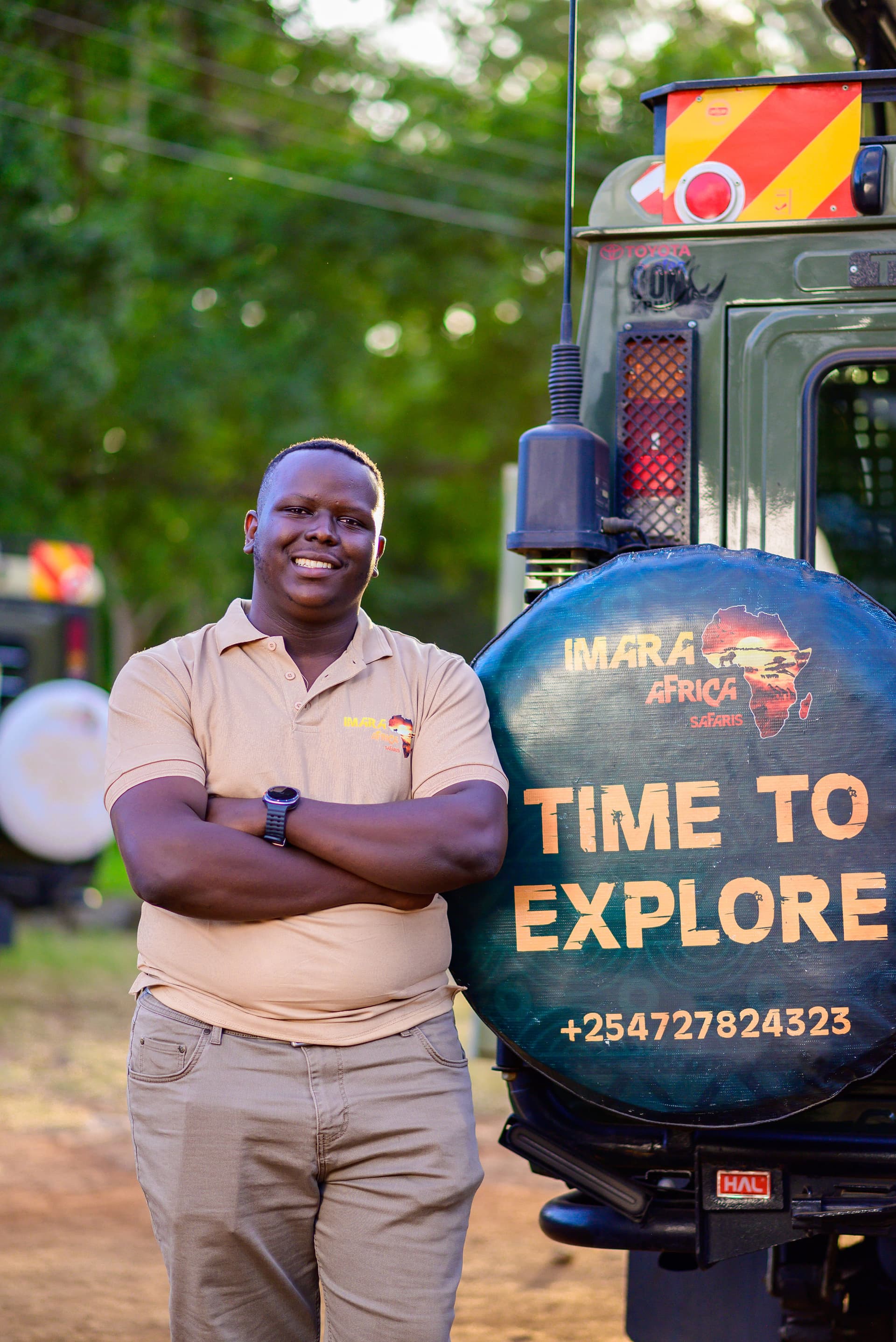
Lewis Munuhe
Founder & Director
<p>Lewis Munuhe is the Director and Owner of Imara Africa Safaris, a trusted safari company dedicated to creating tailor-made African safari experiences across Kenya, Tanzania, Uganda, and Rwanda. With a strong passion for African travel, wildlife, culture, and conservation, Lewis leads the company’s vision of delivering personalized, seamless, and unforgettable safari journeys for travelers from around the world.</p><p>Through Imara Africa Safaris, Lewis helps guests discover East Africa’s most iconic destinations, from the Masai Mara and Serengeti to Uganda and Rwanda’s gorilla trekking regions. His approach focuses on understanding each traveler’s interests, comfort level, budget, and expectations, then transforming those details into carefully curated safari itineraries that feel personal, meaningful, and well-planned.</p><p>As Director and Owner, Lewis is committed to maintaining high standards in safari planning, guest care, destination expertise, and responsible tourism. Whether arranging a luxury wildlife safari, honeymoon escape, family adventure, cultural journey, gorilla trekking safari, or multi-country East African itinerary, he ensures every experience reflects the quality, authenticity, and attention to detail that define Imara Africa Safaris.</p><p>Under his leadership, Imara Africa Safaris continues to help travelers experience the beauty of Africa through expertly planned safaris that celebrate wildlife, landscapes, local cultures, conservation, and unforgettable adventure.</p>
<p>Lewis Munuhe is the Director and Owner of Imara Africa Safaris, a trusted safari company dedicated to creating tailor-made African safari experiences across Kenya, Tanzania, Uganda, and Rwanda. With a strong passion for African travel, wildlife, culture, and conservation, Lewis leads the company’s vision of delivering personalized, seamless, and unforgettable safari journeys for travelers from around the world.</p><p>Through Imara Africa Safaris, Lewis helps guests discover East Africa’s most iconic destinations, from the Masai Mara and Serengeti to Uganda and Rwanda’s gorilla trekking regions. His approach focuses on understanding each traveler’s interests, comfort level, budget, and expectations, then transforming those details into carefully curated safari itineraries that feel personal, meaningful, and well-planned.</p><p>As Director and Owner, Lewis is committed to maintaining high standards in safari planning, guest care, destination expertise, and responsible tourism. Whether arranging a luxury wildlife safari, honeymoon escape, family adventure, cultural journey, gorilla trekking safari, or multi-country East African itinerary, he ensures every experience reflects the quality, authenticity, and attention to detail that define Imara Africa Safaris.</p><p>Under his leadership, Imara Africa Safaris continues to help travelers experience the beauty of Africa through expertly planned safaris that celebrate wildlife, landscapes, local cultures, conservation, and unforgettable adventure.</p>
<p>Lewis Munuhe is the Director and Owner of Imara Africa Safaris, a trusted safari company dedicated to creating tailor-made African safari experiences across Kenya, Tanzania, Uganda, and Rwanda. With a strong passion for African travel, wildlife, culture, and conservation, Lewis leads the company’s vision of delivering personalized, seamless, and unforgettable safari journeys for travelers from around the world.</p><p>Through Imara Africa Safaris, Lewis helps guests discover East Africa’s most iconic destinations, from the Masai Mara and Serengeti to Uganda and Rwanda’s gorilla trekking regions. His approach focuses on understanding each traveler’s interests, comfort level, budget, and expectations, then transforming those details into carefully curated safari itineraries that feel personal, meaningful, and well-planned.</p><p>As Director and Owner, Lewis is committed to maintaining high standards in safari planning, guest care, destination expertise, and responsible tourism. Whether arranging a luxury wildlife safari, honeymoon escape, family adventure, cultural journey, gorilla trekking safari, or multi-country East African itinerary, he ensures every experience reflects the quality, authenticity, and attention to detail that define Imara Africa Safaris.</p><p>Under his leadership, Imara Africa Safaris continues to help travelers experience the beauty of Africa through expertly planned safaris that celebrate wildlife, landscapes, local cultures, conservation, and unforgettable adventure.</p>






Comments
Loading…