
Safari in the Masai Mara: Migration When & Where
Our 2026 safari in the masai mara guide explains when Kenya’s Great Migration reaches the Mara, where to base yourself and how our guides track crossings.
24 min read104viewsUpdated Sep 28, 2026
“Imara” means strong in Swahili. We build every safari with that same strength — expert knowledge, honest pricing, and relentless attention to detail.
Tell us what you're looking for — we reply within minutes and send a free, no-obligation custom itinerary within 24 hours.
Start PlanningNo spam, ever. Unsubscribe anytime.
Protected by Cloudflare Turnstile & Google reCAPTCHA. Privacy & Terms apply.
Safari deals, travel tips & destination guides — straight to your inbox.
No spam, ever. Unsubscribe anytime.
Protected by Cloudflare Turnstile & Google reCAPTCHA. Privacy & Terms apply.
Our 2026 safari in the masai mara guide explains when Kenya’s Great Migration reaches the Mara, where to base yourself and how our guides track crossings.
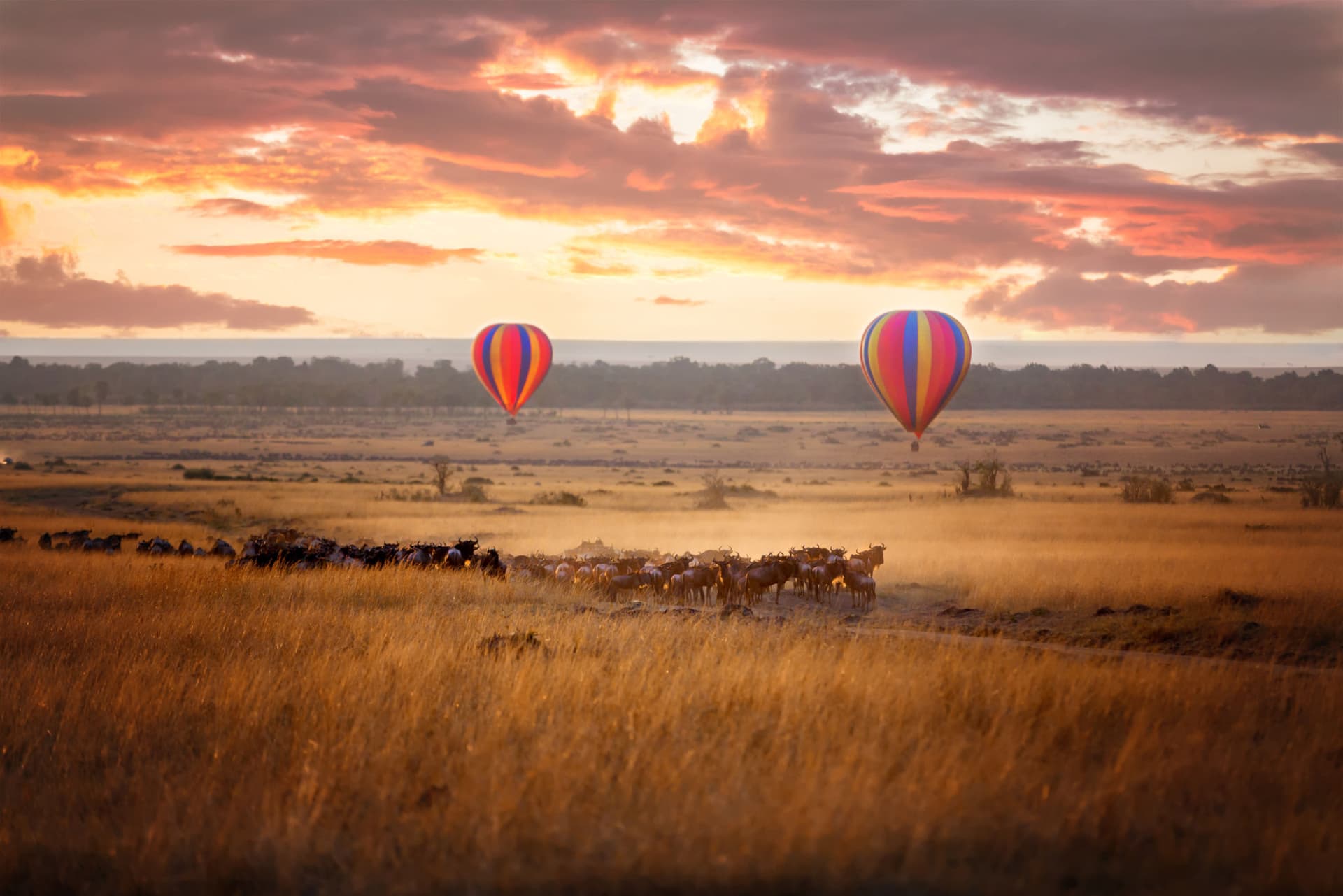
The best Kenya window for a safari in the masai mara is July to October, with August and September usually strongest for Mara River crossings. As of 16 June 2026, we would plan the Masai Mara as early season: excellent resident cats, dry-season light and flexible routing towards Sand River, Lookout Hill and the Mara Triangle as herds push north.
On 16 June 2026, the sensible expectation is not peak river-crossing drama yet. It is the beginning of the dry-season build-up: tawny grass, cooler mornings, sharpening visibility and resident predators already working the plains of the Masai Mara National Reserve. For guests already travelling, our guides would treat this as a high-quality wildlife safari with migration potential, not as a guaranteed Mara River crossing safari.
At a glance
The priority now is intelligence, not impatience. We would monitor the southern approaches near Sand River, the open country around Lookout Hill, the Mara River corridors and the Mara Triangle. Early scouts can arrive before the main columns, but the larger great migration Kenya period normally becomes more reliable from July into October.
August and September remain the most requested months because herds are often concentrated in the northern Serengeti and Masai Mara, creating the conditions for repeated river approaches. Even then, a mara river crossing is never scheduled by the animals; it is triggered by hunger, thirst, herd pressure, bank choice, crocodile risk, vehicle pressure and rainfall.
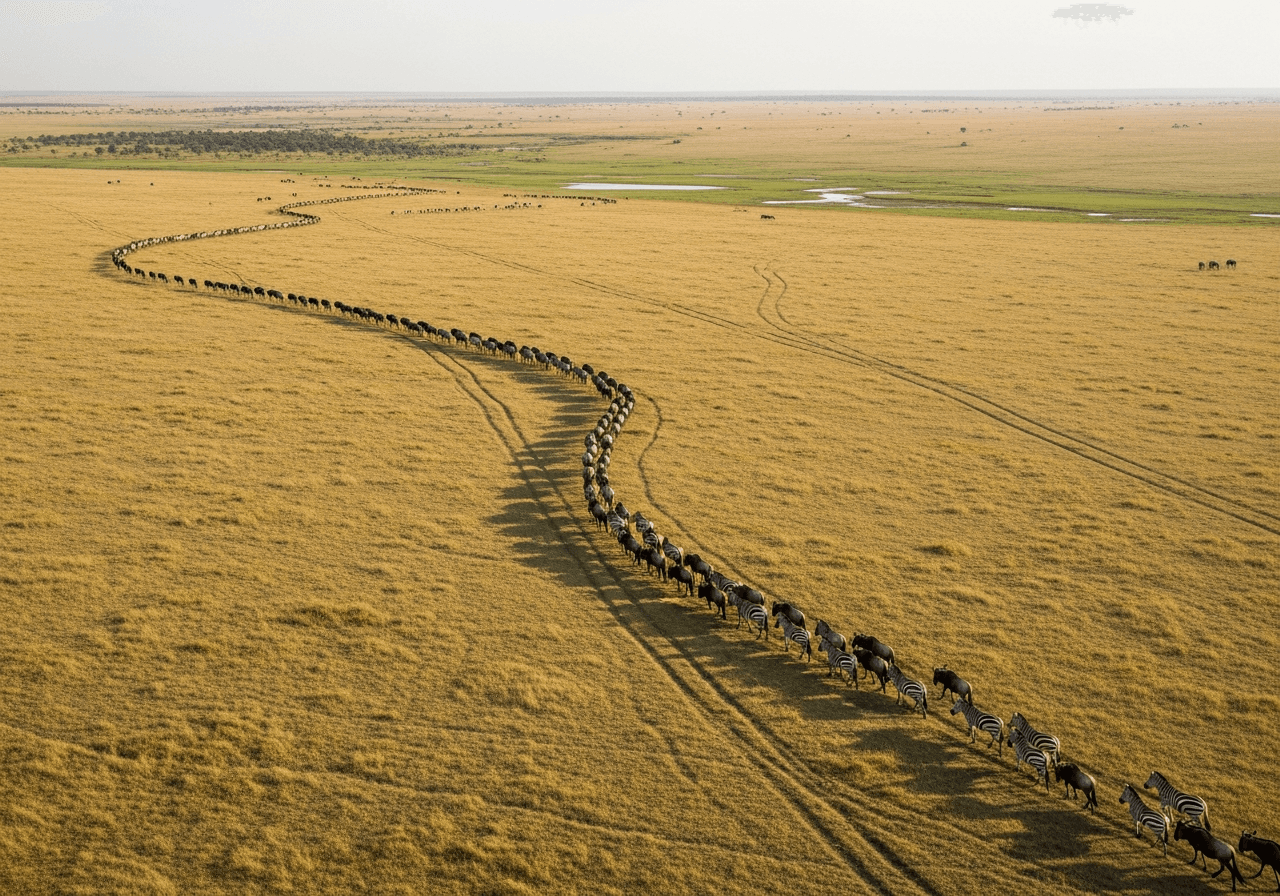
The migration is a rainfall-and-grazing circuit, not a single event with a fixed opening date. UNESCO describes the Serengeti migration as an annual 1,000 km circuit involving over 1 million wildebeest plus hundreds of thousands of other ungulates across Kenya and Tanzania. That simple fact matters: Kenya receives the northern chapter of a much larger ecosystem story, rather than owning the migration in isolation.

 TZ
TZDiscover the magic of Serengeti National Park, one of Africa’s most celebrated wildlife destinations and home to the spectacular Great Wildebeest Migration. Stretching across the heart of northern Tanzania, the Serengeti offers exceptional game viewing, breathtaking savannah landscapes, and unforgettable encounters with the Big Five. From luxury safari lodges and hot air balloon adventures to year-round wildlife experiences, the park provides the perfect setting for nature lovers, photographers, and safari enthusiasts seeking an authentic and unforgettable African wilderness adventure.
The herds move through the Serengeti–Mara system in response to fresh grass, water, safety for calving and the changing mineral quality of pasture. After the southern Serengeti calving season, columns of Blue Wildebeest, Plains Zebra, Thomson’s gazelle and eland gradually push west and north through Serengeti National Park. Some cross the Grumeti River; later, many reach the northern Serengeti and the Mara River, where Kenya becomes the focus.
Mara Conservancy describes the spectacle as about 1,245,000 wildebeest, 200,000 Burchell’s zebra, 18,000 eland and 500,000 Thomson’s gazelle moving through the landscape. In practice, guests experience that scale as sound, dust, smell and movement: a living front of animals that can cover a plain by breakfast and be gone by late afternoon.
Kenya’s portion is compact, predator-rich and particularly rewarding for a first safari in the masai mara. The reserve, the Mara Triangle and the surrounding conservancies compress open plains, riverine forest, escarpment views and dense predator territories into a manageable safari area. Masai Mara National Reserve covers about 1,510 km², with surrounding private conservancies adding roughly 1,500 km² of additional protected habitat.
For 2026, plan with seasonal probability rather than promises. Rainfall can pull the herds north early, hold them in Tanzania for longer, or split them into several moving fronts. A serious africa safari itinerary should therefore build enough time in the Mara, use guides who share daily field information and avoid the trap of chasing a single rumour for hours.
Where to find the herds, month by month
The Great Migration is a continuous, year-round clockwise loop of over 1.5 million wildebeest and hundreds of thousands of zebra, driven by rainfall and fresh grazing across the Serengeti–Mara ecosystem. Use the live calendar below to see where the herds are right now — and plan your trip around calving or the famous river crossings.
Calving season begins on the southern Serengeti's short-grass plains around Ndutu. Roughly 8,000 wildebeest are born each day, drawing lion, cheetah and hyena.
Southern Serengeti
Ndutu & southern plains
The short-grass plains around Ndutu host the calving season — the densest concentration of newborns and predators in the entire cycle. Around 8,000 calves are born each day at the peak, drawing lion, cheetah and hyena onto the open plains.
Grumeti River
The herds push through the western corridor, where the Grumeti River and its giant crocodiles provide the season's first dramatic crossings, alongside the wildebeest rut. Exclusive reserves mean far fewer vehicles.
Kogatende & Mara River (TZ)
The Mara River runs through the northern Serengeti, making it the prime crossing zone from July to October — often with fewer vehicles than the Kenyan side, plus big resident lion prides.
Masai Mara, Kenya
The northern stage of the loop. From August to October the herds spill across the Mara River into Kenya for heart-stopping crossings, with superb resident big cats and balloon safaris all year.
For travellers with fixed school-holiday dates, July and August can work very well if the itinerary is designed honestly. For photographers with flexibility, late August to late September is often the sweet spot: lower haze than some earlier weeks, strong predator interaction and a better chance of seeing herds move both into and out of the Mara.
Sand River and the southern approaches matter because they are among the first Kenya-side landscapes to receive animals moving up from Tanzania. When the first columns arrive, the scene can feel less theatrical than a river crossing but more revealing: zebra testing open ground, wildebeest feeding nervously and predators adjusting to a sudden change in prey density.

 KE
KEThe Masai Mara National Reserve in southwestern Kenya is a premier 1,510-square-kilometre wildlife sanctuary. Renowned for the annual Great Wildebeest Migration from July to October, it offers exceptional year-round Big Five viewing across open savannahs. The reserve is contiguous with Tanzania's Serengeti, forming a critical, biodiverse transboundary ecosystem.
Lookout Hill and the central plains are useful when herds are feeding, resting and consolidating before river pressure builds. From elevated ground, our guides can read dust lines, scattered files of animals and the direction of feeding fronts. This is also where a safari in the masai mara becomes more than a crossing chase; lion, cheetah and hyena behaviour often tells you where the grazing herds have been overnight.
The Mara River and Mara Triangle deliver the classic crossing theatre: steep banks, nervous lead animals, panicked reversals and the presence of Nile Crocodile in deeper channels. The Mara Triangle is especially valuable for long grassland views and for guests who want photography-led days with fewer unnecessary transit kilometres.
Do not ignore Talek, Musiara and the wider reserve. Late-moving wildebeest, large zebra aggregations and predator activity can sit away from the river when every other vehicle is watching a bank. Some of our most satisfying migration days have started with no crossing at all: a leopard in riverine shade, hyena clans carrying scraps at dawn, then thousands of animals appearing on the horizon by mid-morning.
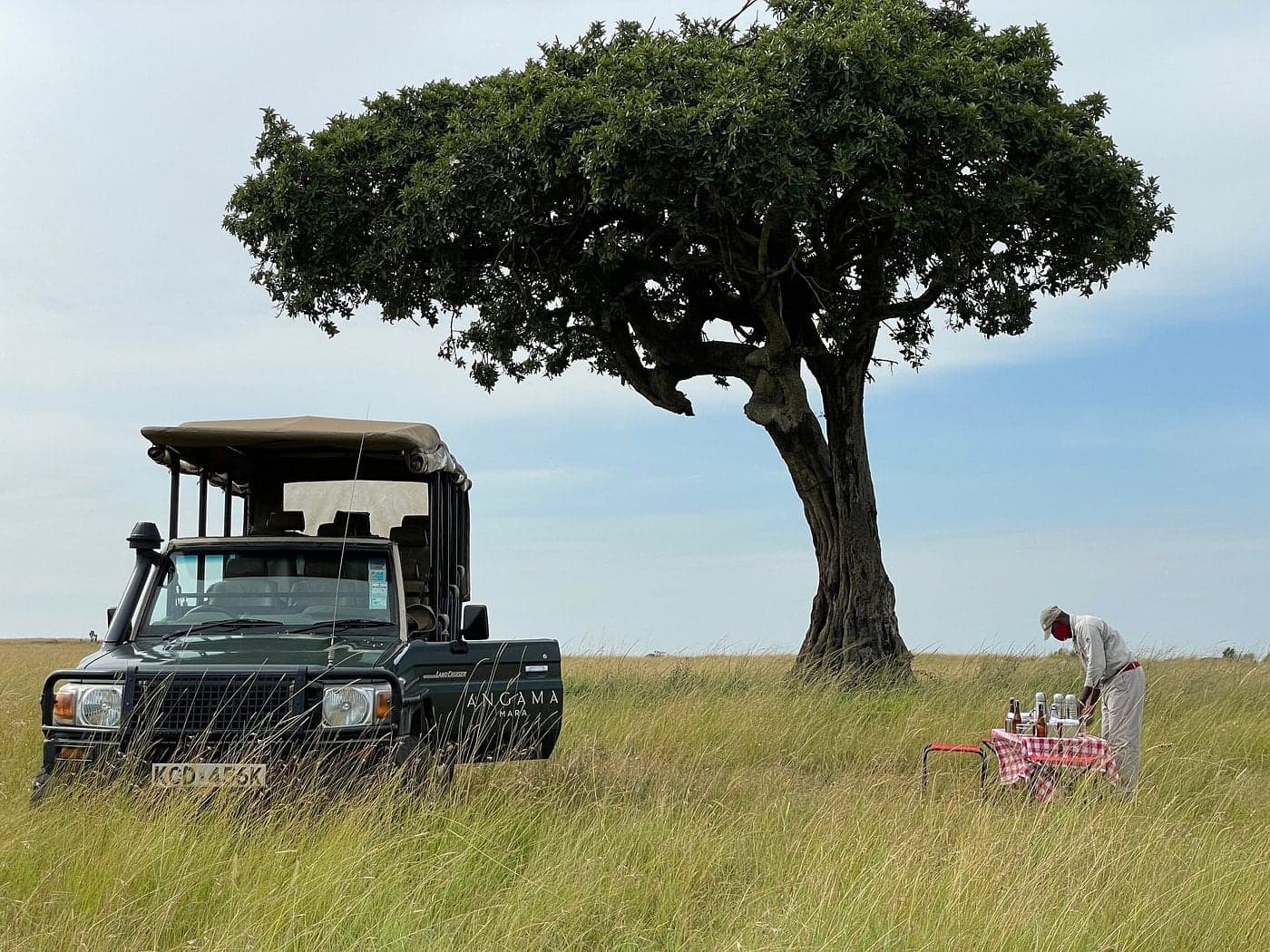
Your base shapes the rhythm of your safari more than most travellers expect. Staying inside the main reserve gives fast access to key crossing areas and classic plains; staying in the Mara Triangle sharpens river-focused logistics; staying in Olare Motorogi Conservancy, Naboisho or another private conservancy gives a quieter, more intimate safari style with night drives, off-road permissions where allowed and excellent resident cats.
Use this as a planning filter, not a rigid rule; live herd movement still matters.
 KE
KELuxury Safari Lodge in the Heart of Masai Mara
Masai Mara, Kenya
Best Location
For honeymooners, we often favour a conservancy-plus-reserve combination: quiet mornings with cats and evenings under big skies, balanced by full reserve days when the migration is active. For photographers, we prioritise vehicle quality, guide discipline, beanbags, early starts and camp location over decorative luxury.
Three nights is the minimum we recommend for a serious migration attempt. Two nights can deliver a wonderful africa safari, but it is thin insurance against weather, late arrivals, tired children, vehicle delays or a crossing that happens on the wrong side of the river just after you leave.
Four or five nights materially improve your chances without encouraging bad guiding. With enough time, our guides can wait, interpret and reposition calmly rather than racing between crossing points. This protects the animals, improves your photography and reduces the emotional pressure that often leads travellers to feel disappointed despite excellent wildlife.
The Masai Mara National Reserve lies roughly 230 km from Nairobi, making both scheduled flights and full-day road transfers practical for Kenya migration safaris. Flying saves time and energy, particularly for short safaris; driving can reduce cost and suits travellers building an affordable safari loop through the Rift Valley.
If you are new to East Africa, our first-timer’s Mara guide is a useful companion before deciding between a fly-in safari, a road safari from Nairobi or a wider Kenya and Tanzania route.
A Mara River crossing is rarely a sudden accident. It usually builds through signs: herd density rising behind the lead animals, dust thickening in the grass, contact calls becoming more urgent and lead cows making repeated approaches to the bank. Wildebeest may walk down, freeze, turn back, circle, feed and return several times before one animal commits.
Our guides assess bank slope, depth, current, crocodile presence, exit points and vehicle pressure before choosing a viewpoint. A steep entry may create drama but poor survival odds; a safer exit downstream may produce better behaviour and cleaner photographs. The best position is not always the closest position.
“Great migration guiding is the art of knowing when not to move: the river rewards patience more often than speed.”
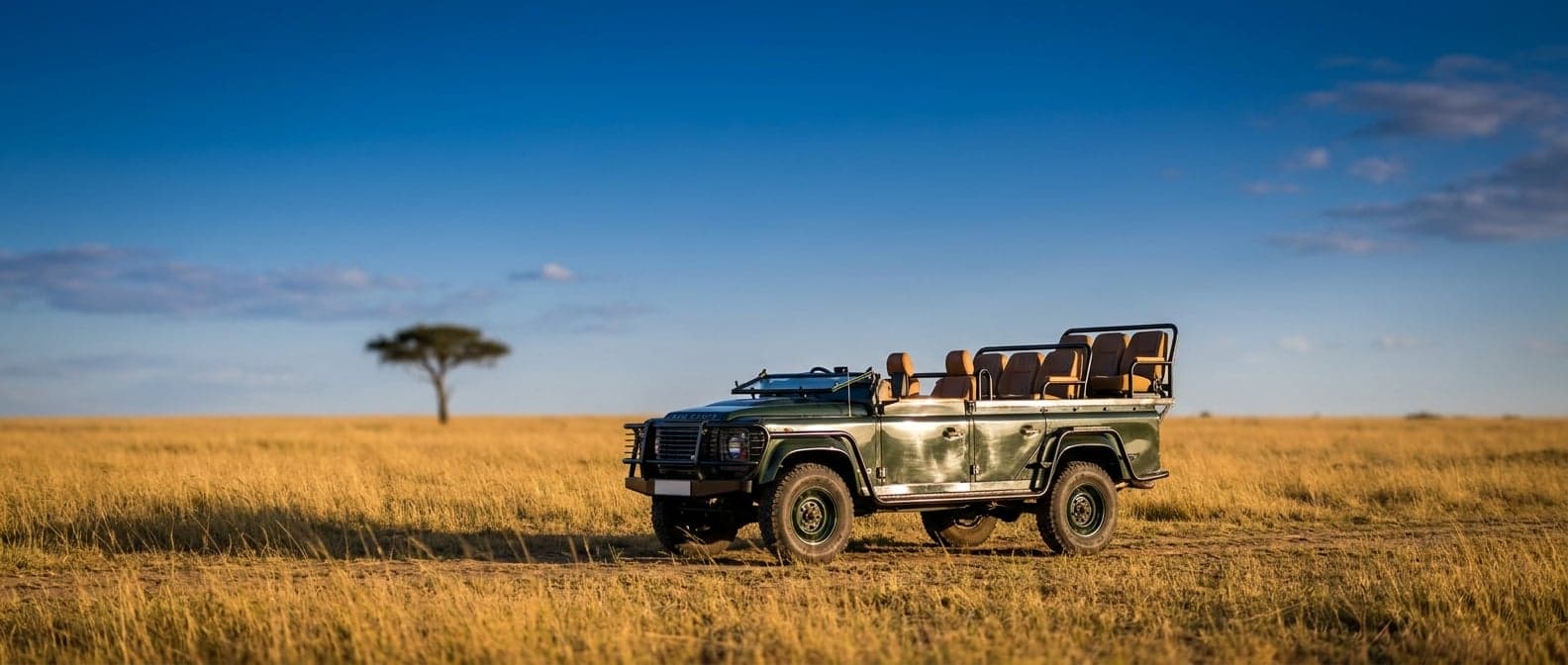
Vehicle pressure changes animal behaviour. If vehicles block a herd’s line, crowd the bank or split nervous animals, the crossing may stall or become unnecessarily dangerous. Expert positioning protects both the sighting and the animals: angled away from the herd, engine quiet when appropriate, no shouting, no sudden advances and no attempt to force a decision.
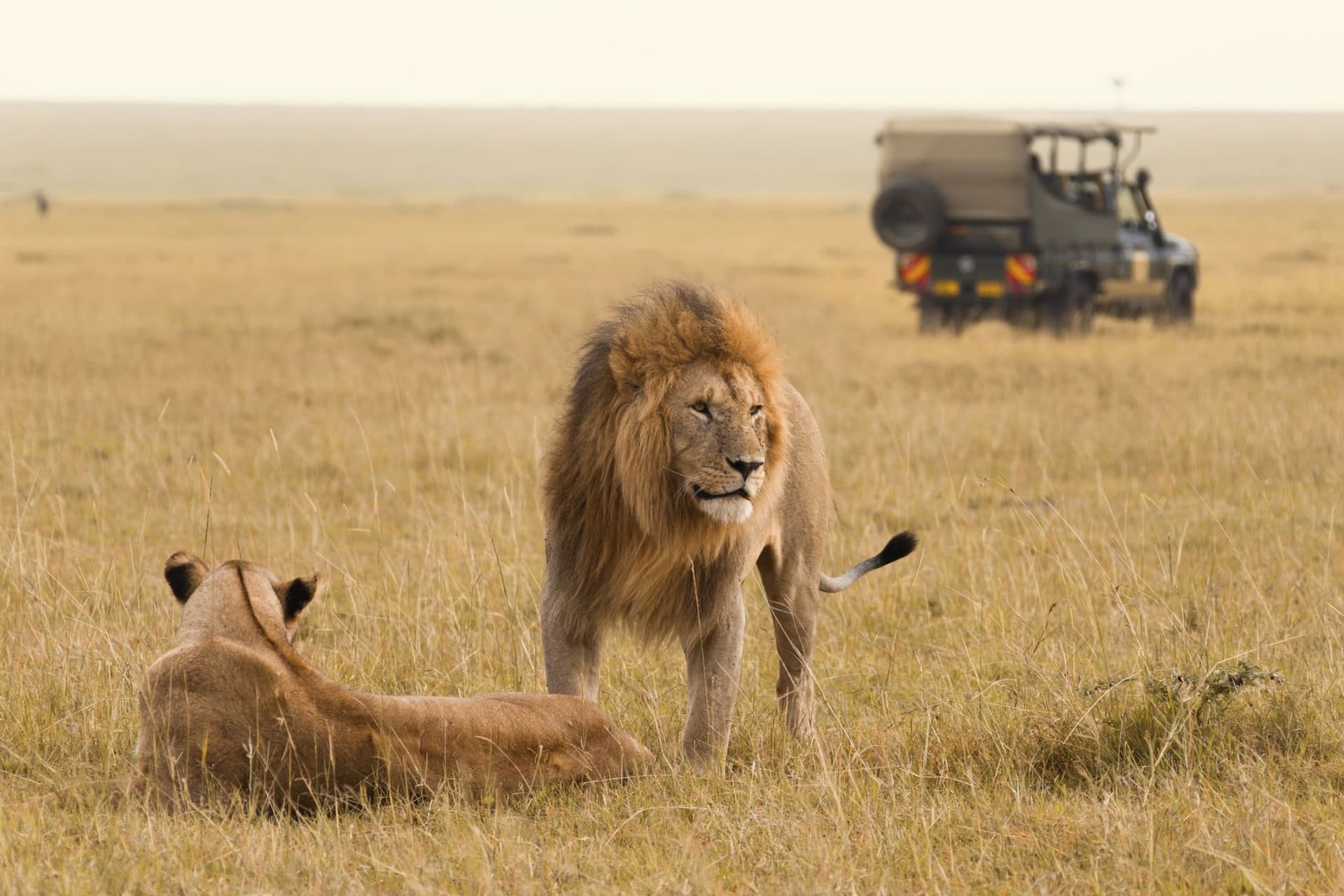
The migration changes predator behaviour. African lion prides may shift from territorial patrols to opportunistic ambush around drainage lines and trampled grass. Cheetah use the openness created by grazers but still need space to hunt. Leopards remain tied to riverine cover and woodland edges, while spotted hyena clans become conspicuous around kills, afterbirth and exhausted calves.
KEKenya · Masai Mara National Reserve
Nile Crocodile encounters are part of the Mara River story, but they should not be treated as the whole point. The most nuanced days often involve watching how predators select weakness: a limping wildebeest, an isolated calf, a zebra separated in dust, or a topi distracted by rutting behaviour.
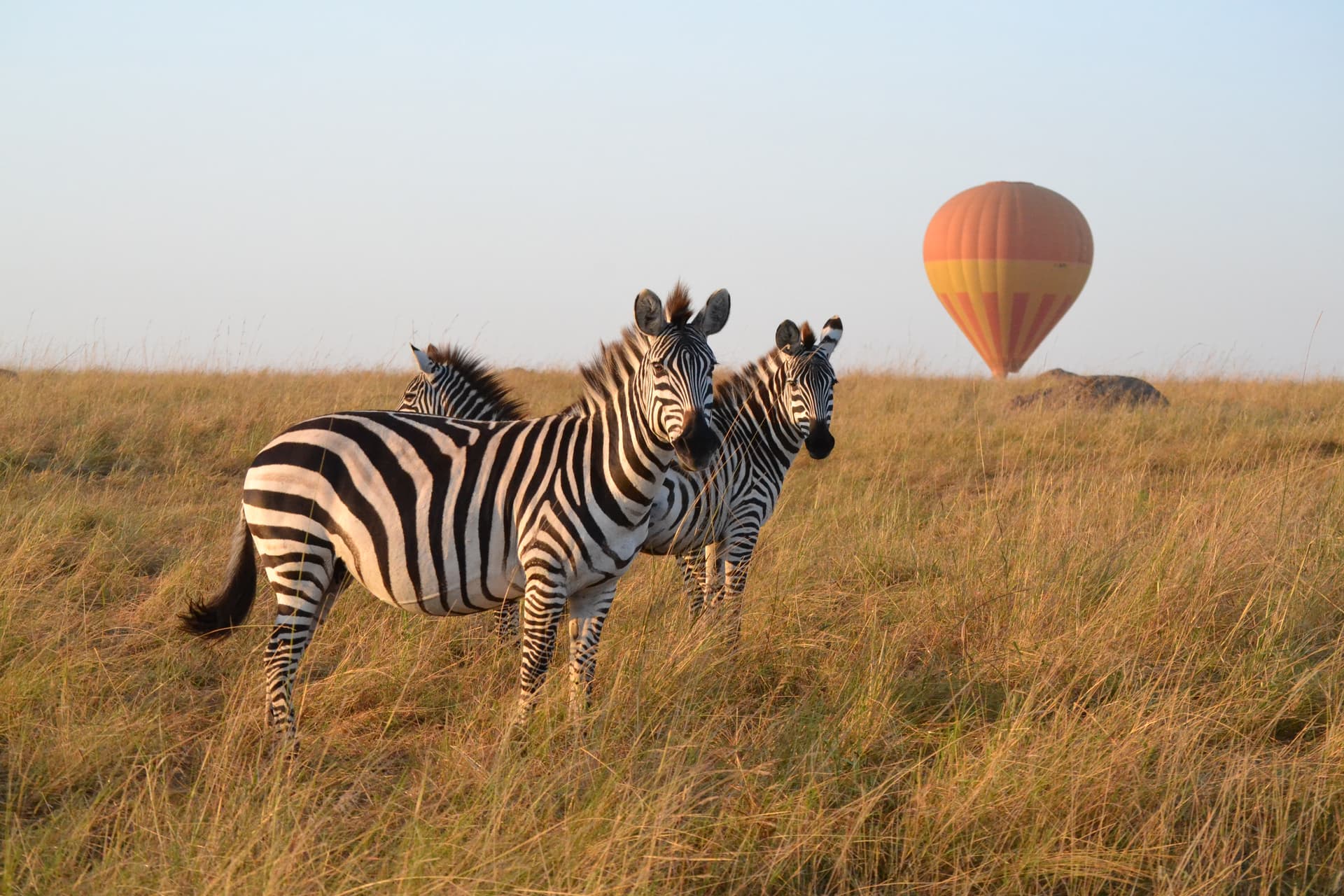
The companion grazers matter. The blue wildebeest is the principal animal of the migration, but plains zebra often move with or ahead of the herds, cropping coarser grass and exposing finer shoots. Topi, eland and Thomson’s gazelle shape the wider grazing mosaic and give predators different opportunities.
For guests asking about africa the big five or africa the big 5, the Mara is superb for lion, leopard, elephant and buffalo, but rhino sightings are rare and carefully protected. An africa big five safari is therefore better planned as a broader Kenya route, not only a river-crossing chase. Our 8-Day Kenya Big Five Safari pairs the Mara with other areas to strengthen rhino chances and overall diversity.
July to September demand affects everything: lodge rates, private vehicle availability, scheduled flights, guide allocation and even the best family-room inventory. Good camps in prime locations often sell out many months ahead, particularly for August. Waiting can still work, but usually with less choice and more compromise.
For 2026, published Masai Mara non-resident adult reserve fees are US$100 per day through 30 June and US$200 per day from 1 July; children aged 9–17 are listed at US$50. The reserve is managed by the Narok County Government, and these fees should be visible in any honest quote rather than hidden behind vague wording.
Practical levers for an affordable african safari include travelling in June or October rather than August, mixing one reserve camp with one conservancy camp, joining a small-group departure, reducing camp changes and using road transfers where time allows. Be cautious with ultra-low quotes that exclude park fees, private conservancy fees, flights, proper 4x4 vehicles or professionally licensed guiding.
Ethical viewing is not a soft extra; it is central to the survival of the experience. Vehicles must not block, push or split herds approaching the river. A wildebeest column under pressure can panic, reverse into other animals or abandon a crossing after hours of natural build-up.
Patient distance often produces better photographs than crowded bank positions. A slightly wider frame can show the herd, the dust, the river, the opposite bank and the decision-making process. Close-up chaos may feel dramatic, but it can flatten the story and contribute to vehicle congestion.
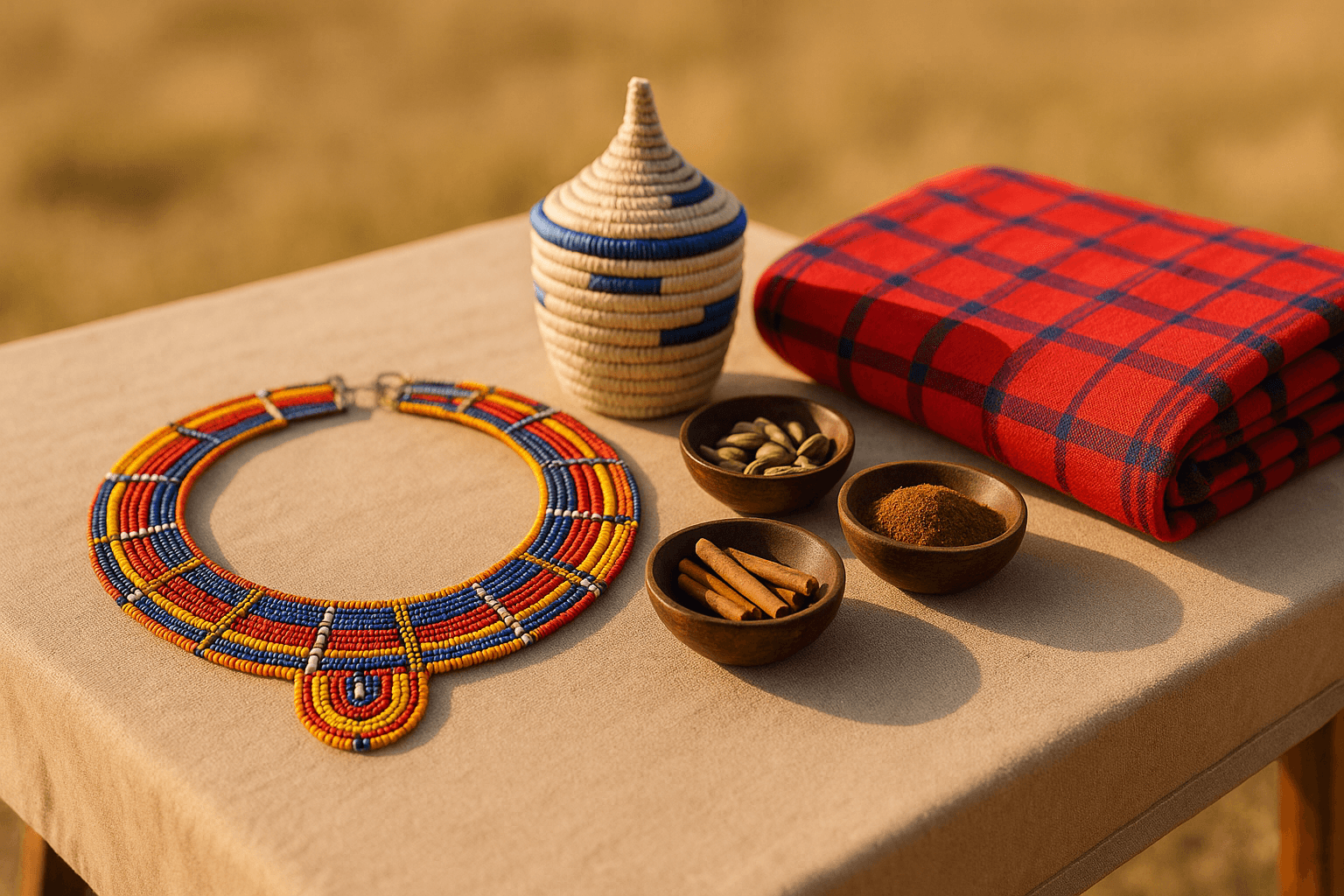
Guests should respect ranger instructions, Maasai landowners and conservancy rules. In private conservancies, tourism revenue supports land leases and helps keep wildlife corridors open beyond the reserve boundary. In the main reserve, discipline around roads, riverbanks and predator sightings protects both habitat and guest experience.
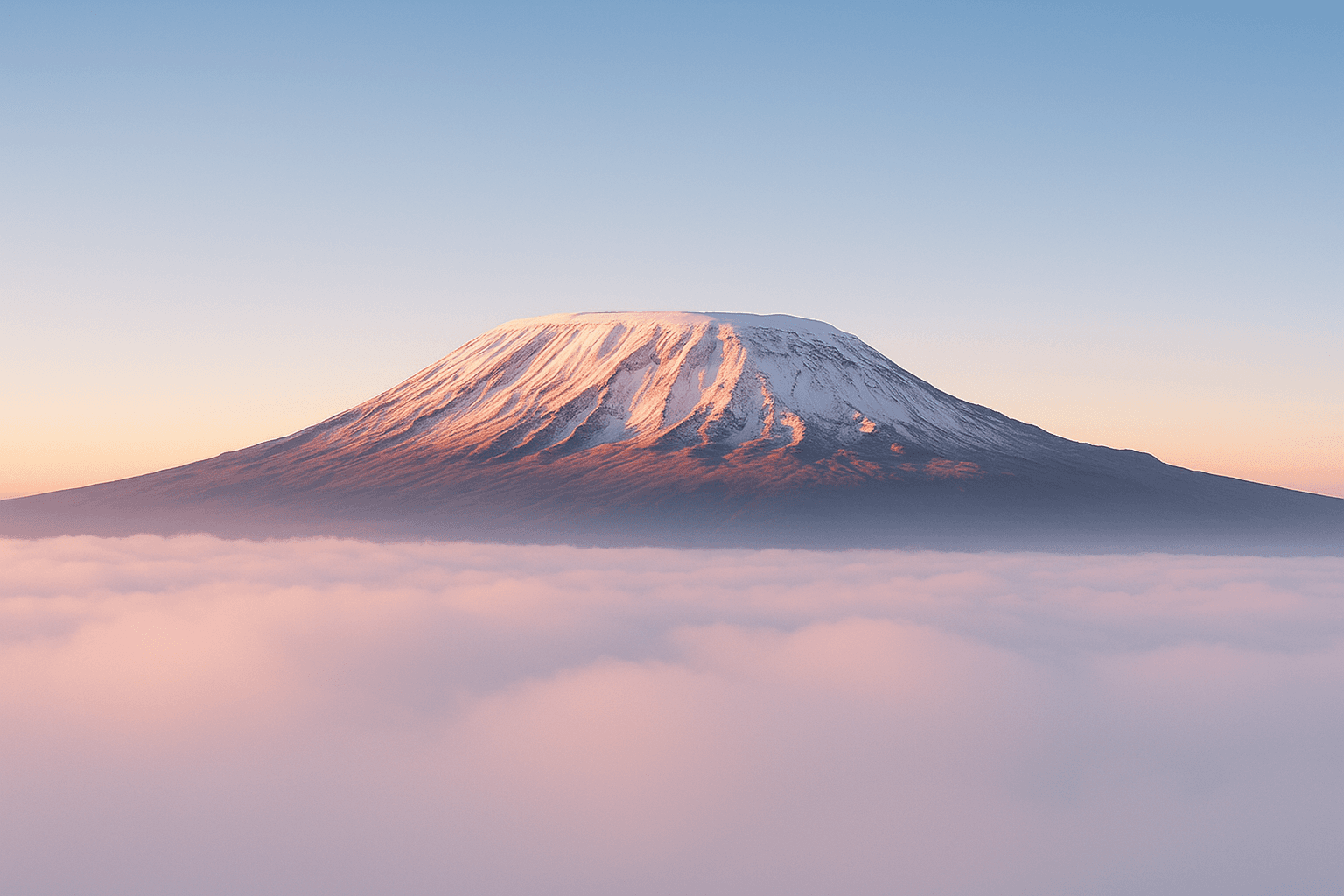
A safari in the masai mara is powerful on its own, but the best africa kenya safaris often combine contrasting ecosystems. After the Mara, Amboseli National Park gives elephants, marshland birding and those famous Amboseli National Park Mt Kilimanjaro views when the mountain clears in early morning or late afternoon.
KE+2Kenya · Nakuru City
Lake Nakuru or Ol Pejeta can strengthen the rhino component that the Mara cannot reliably provide. Lake Nakuru also adds Rift Valley scenery and, in some seasons, flamingo context; Ol Pejeta brings black and white rhino, excellent conservation interpretation and a useful stop between Nairobi and northern Kenya.
For a deeper East African luxury safari operator itinerary, link the Mara with Serengeti National Park and Ngorongoro Crater. This gives travellers the southern and northern logic of the migration rather than only the Kenya finale. Our Grand East Africa safari is designed for guests who want Kenya, Tanzania and Rwanda in one carefully paced journey.
Zanzibar works beautifully after dust, dawn starts and long game drives. We usually place the beach at the end, not the beginning, so travellers finish with warm water, seafood, Swahili history and proper recovery after their africa safaris.
Our planning starts with a practical brief: dates, budget, travel style, photography goals, mobility needs, family ages, preferred camp atmosphere and tolerance for long days in the vehicle. A serious safari in the masai mara is not built from a generic migration calendar; it is built from probabilities, field reports and the type of experience you actually want.
Tell us your dates, budget and travel style; we will match you to the right Mara base and a realistic migration strategy.
We start with what the herds are likely to be doing: arriving, gathering, crossing, feeding or turning south.
We shortlist reserve, Mara Triangle or conservancy camps according to the month, not simply by star rating.
We prefer at least three nights in the Mara and four or five when a river crossing is a central ambition.
If the river is quiet, we use resident lions, leopards, cheetahs, elephants, balloon safaris and conservancy drives intelligently.
We itemise park fees, conservancy fees, internal flights, private vehicle supplements and accommodation inclusions before booking.
Our guides explain distance, silence and vehicle positioning so guests understand why patience protects both sightings and animals.
As imara africa safaris, we match camps to likely herd movement rather than selling one fixed migration myth. Some years favour southern reserve access; others reward a Mara Triangle base; in quieter crossing weeks, a conservancy such as Olare Motorogi may deliver the richer all-round safari through lions, leopards, cheetahs, night drives and unhurried guiding.
We also plan contingencies. If the herds hold in Tanzania, we can lean into resident predators, conservancy drives, balloon safaris, walking where permitted or a Kenya–Tanzania extension. If crossings are active, we adjust wake-up times, picnic plans and drive length so your guide can remain in the field when it matters.
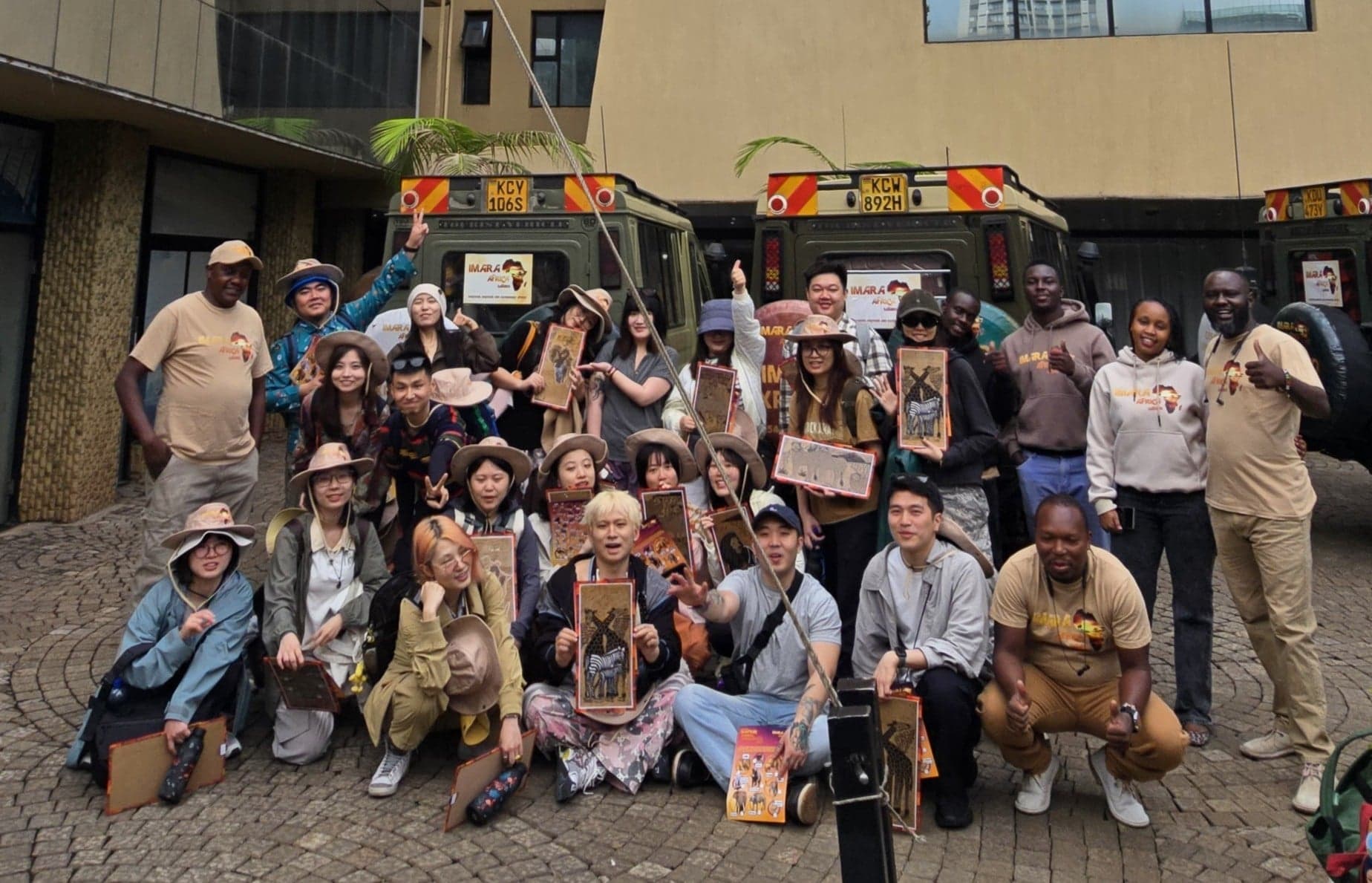
Tell us your ideal dates, group size and comfort level, and we will design tailor-made africa safaris across Kenya, Tanzania, Uganda and Rwanda. Whether you want premium lodges, an affordable safari, a family-friendly migration journey or a private photographic vehicle, our Nairobi team will build the route around real wildlife behaviour rather than a brochure promise.
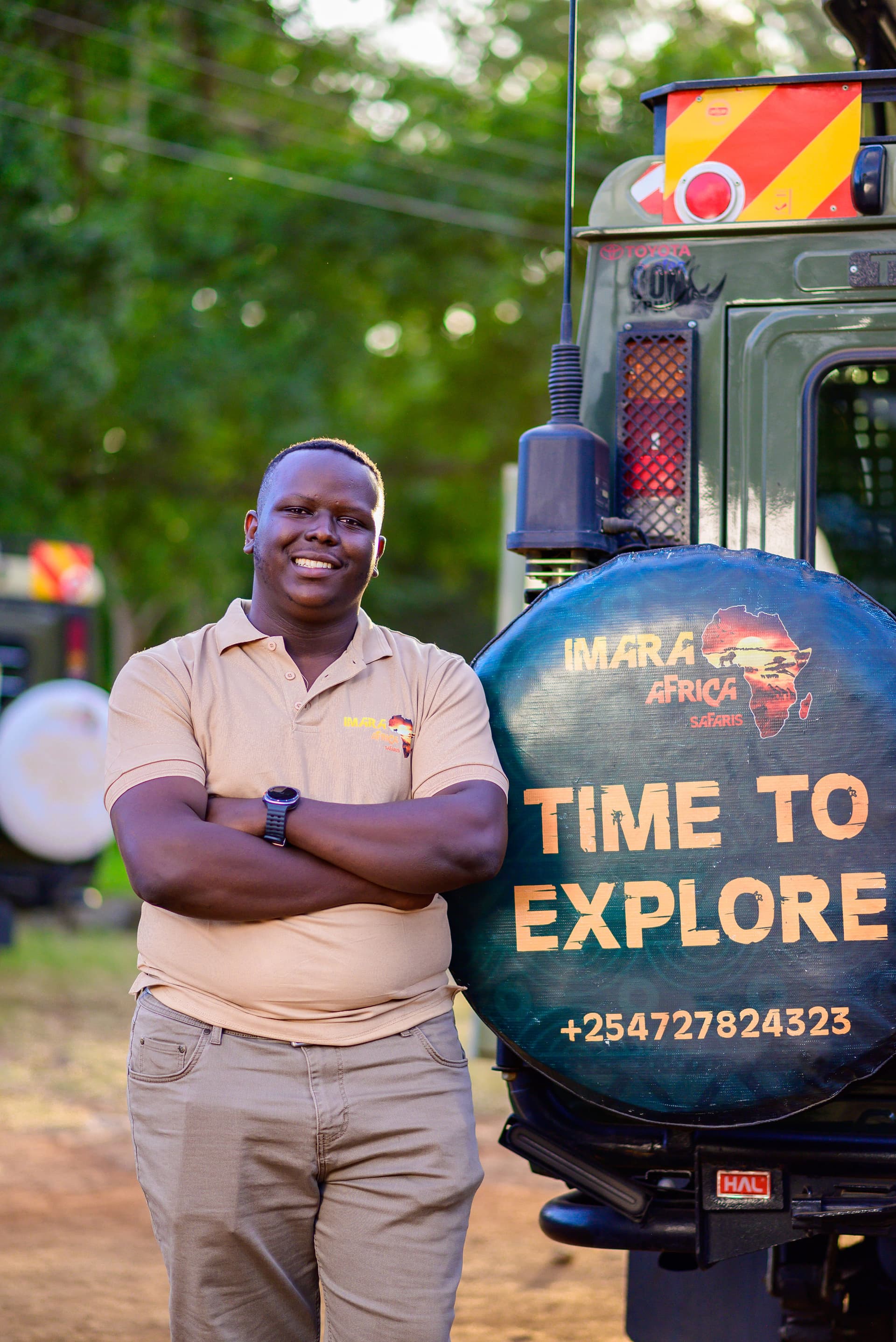
Lewis Munuhe
Founder & Director
<p>Lewis Munuhe is the Director and Owner of Imara Africa Safaris, a trusted safari company dedicated to creating tailor-made African safari experiences across Kenya, Tanzania, Uganda, and Rwanda. With a strong passion for African travel, wildlife, culture, and conservation, Lewis leads the company’s vision of delivering personalized, seamless, and unforgettable safari journeys for travelers from around the world.</p><p>Through Imara Africa Safaris, Lewis helps guests discover East Africa’s most iconic destinations, from the Masai Mara and Serengeti to Uganda and Rwanda’s gorilla trekking regions. His approach focuses on understanding each traveler’s interests, comfort level, budget, and expectations, then transforming those details into carefully curated safari itineraries that feel personal, meaningful, and well-planned.</p><p>As Director and Owner, Lewis is committed to maintaining high standards in safari planning, guest care, destination expertise, and responsible tourism. Whether arranging a luxury wildlife safari, honeymoon escape, family adventure, cultural journey, gorilla trekking safari, or multi-country East African itinerary, he ensures every experience reflects the quality, authenticity, and attention to detail that define Imara Africa Safaris.</p><p>Under his leadership, Imara Africa Safaris continues to help travelers experience the beauty of Africa through expertly planned safaris that celebrate wildlife, landscapes, local cultures, conservation, and unforgettable adventure.</p>
Lewis Munuhe
Founder & Director
<p>Lewis Munuhe is the Director and Owner of Imara Africa Safaris, a trusted safari company dedicated to creating tailor-made African safari experiences across Kenya, Tanzania, Uganda, and Rwanda. With a strong passion for African travel, wildlife, culture, and conservation, Lewis leads the company’s vision of delivering personalized, seamless, and unforgettable safari journeys for travelers from around the world.</p><p>Through Imara Africa Safaris, Lewis helps guests discover East Africa’s most iconic destinations, from the Masai Mara and Serengeti to Uganda and Rwanda’s gorilla trekking regions. His approach focuses on understanding each traveler’s interests, comfort level, budget, and expectations, then transforming those details into carefully curated safari itineraries that feel personal, meaningful, and well-planned.</p><p>As Director and Owner, Lewis is committed to maintaining high standards in safari planning, guest care, destination expertise, and responsible tourism. Whether arranging a luxury wildlife safari, honeymoon escape, family adventure, cultural journey, gorilla trekking safari, or multi-country East African itinerary, he ensures every experience reflects the quality, authenticity, and attention to detail that define Imara Africa Safaris.</p><p>Under his leadership, Imara Africa Safaris continues to help travelers experience the beauty of Africa through expertly planned safaris that celebrate wildlife, landscapes, local cultures, conservation, and unforgettable adventure.</p>
Lewis Munuhe
Founder & Director
<p>Lewis Munuhe is the Director and Owner of Imara Africa Safaris, a trusted safari company dedicated to creating tailor-made African safari experiences across Kenya, Tanzania, Uganda, and Rwanda. With a strong passion for African travel, wildlife, culture, and conservation, Lewis leads the company’s vision of delivering personalized, seamless, and unforgettable safari journeys for travelers from around the world.</p><p>Through Imara Africa Safaris, Lewis helps guests discover East Africa’s most iconic destinations, from the Masai Mara and Serengeti to Uganda and Rwanda’s gorilla trekking regions. His approach focuses on understanding each traveler’s interests, comfort level, budget, and expectations, then transforming those details into carefully curated safari itineraries that feel personal, meaningful, and well-planned.</p><p>As Director and Owner, Lewis is committed to maintaining high standards in safari planning, guest care, destination expertise, and responsible tourism. Whether arranging a luxury wildlife safari, honeymoon escape, family adventure, cultural journey, gorilla trekking safari, or multi-country East African itinerary, he ensures every experience reflects the quality, authenticity, and attention to detail that define Imara Africa Safaris.</p><p>Under his leadership, Imara Africa Safaris continues to help travelers experience the beauty of Africa through expertly planned safaris that celebrate wildlife, landscapes, local cultures, conservation, and unforgettable adventure.</p>
Our trips
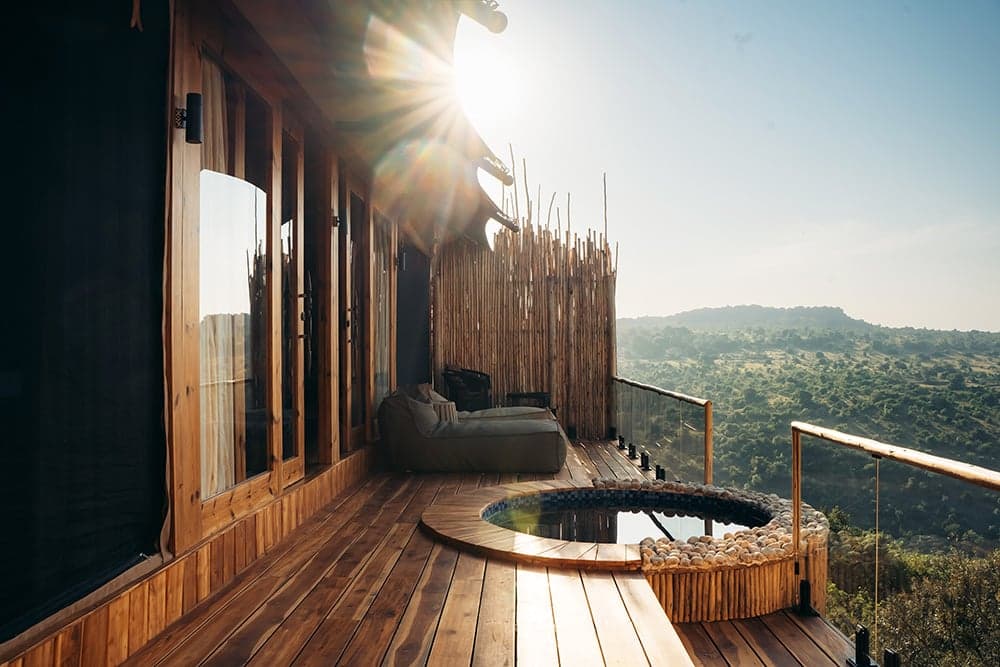 Kenya SafarisBest luxury safari lodges masai mara: 12 top staysBy Lewis Munuhe·23m read·100 views
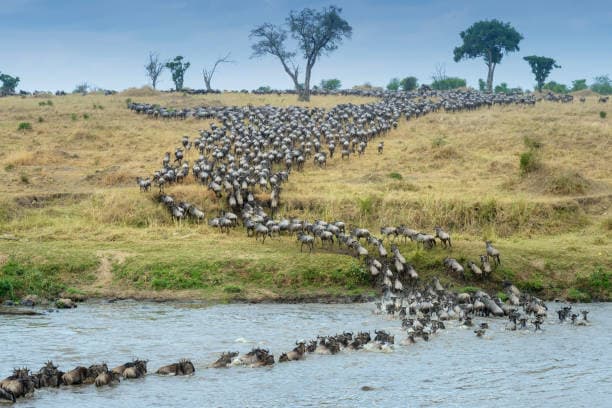 Kenya SafarisMasai Mara Safari: A Complete Migration GuideBy Lewis Munuhe·28m read·32 views
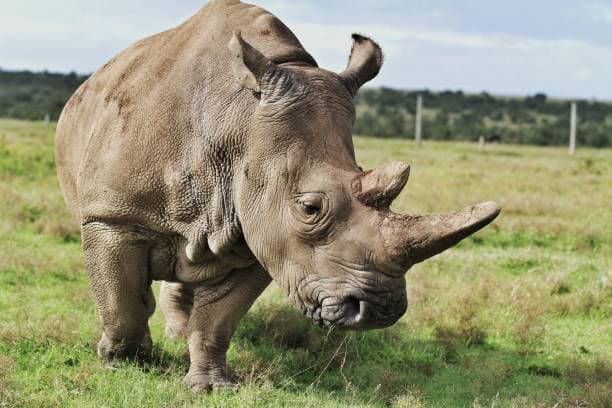 Kenya SafarisKenya Safari Wildlife: What Animals Will You See?By Lewis Munuhe·29m read·63 views
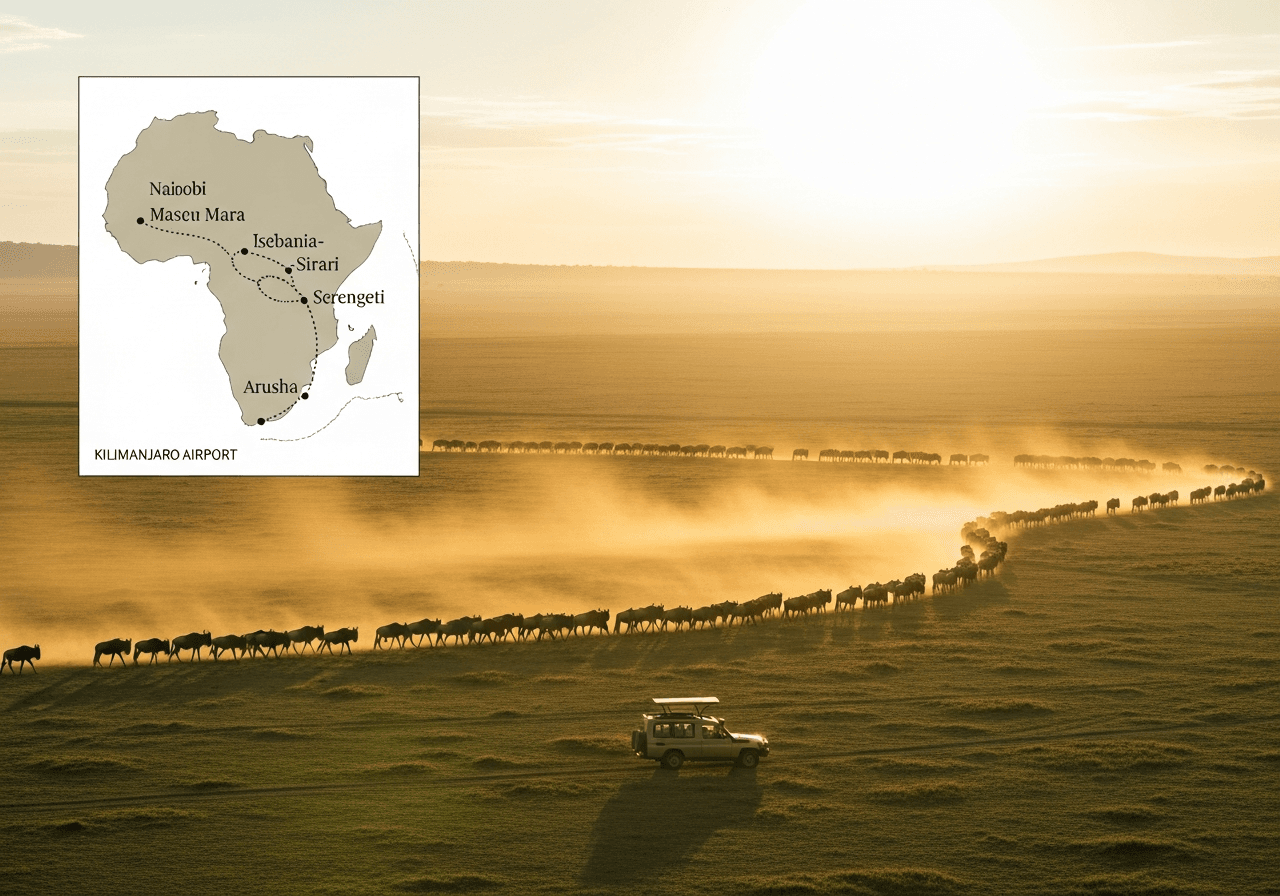 Kenya SafarisHow Much Does a Masai Mara Safari Cost in 2026/27?By Lewis Munuhe·10m read·60 views
22°C
overcast clouds
Feels like 22° · 64% humidity
🦁Right now in the bush: Head to lodge shade — animals rest in midday heat.


Comments
Loading…