
Africa Safari in Kenya: What to Expect in 2026/27
Wondering how an africa safari in Kenya actually unfolds? Our Nairobi team explains game drives, seasons, wildlife, costs, camps and 2026 travel essentials.
24 min read43viewsUpdated Sep 28, 2026
“Imara” means strong in Swahili. We build every safari with that same strength — expert knowledge, honest pricing, and relentless attention to detail.
Tell us what you're looking for — we reply within minutes and send a free, no-obligation custom itinerary within 24 hours.
Start PlanningNo spam, ever. Unsubscribe anytime.
Protected by Cloudflare Turnstile & Google reCAPTCHA. Privacy & Terms apply.
Safari deals, travel tips & destination guides — straight to your inbox.
No spam, ever. Unsubscribe anytime.
Protected by Cloudflare Turnstile & Google reCAPTCHA. Privacy & Terms apply.
Wondering how an africa safari in Kenya actually unfolds? Our Nairobi team explains game drives, seasons, wildlife, costs, camps and 2026 travel essentials.
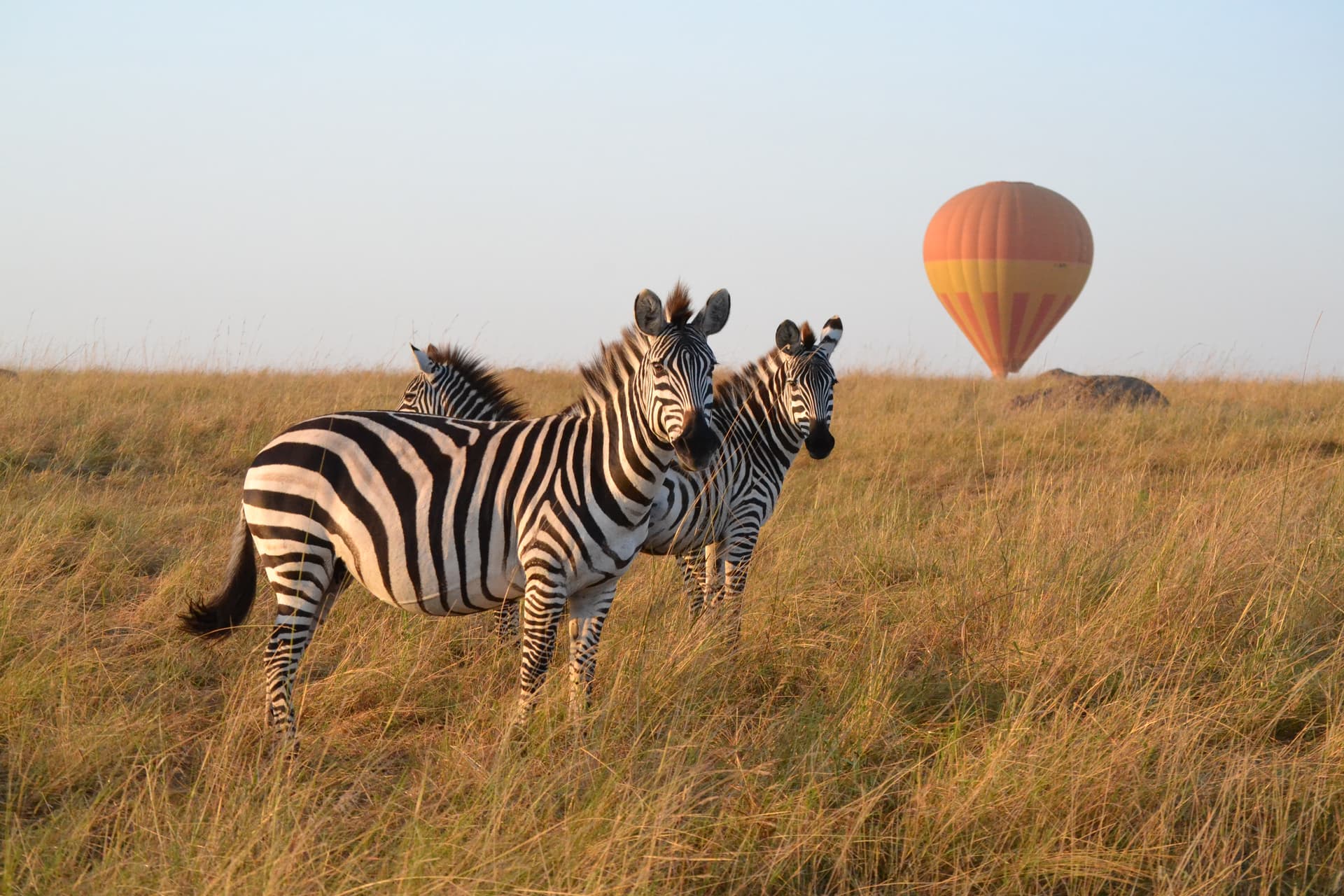
An africa safari in Kenya in 2026 means early starts, patient tracking and landscapes that change fast: open Masai Mara plains, Amboseli swamps below Kilimanjaro, Rift Valley lakes and the drier northern country. Plan around park fees, Kenya eTA timing, cool June mornings and strong July–October demand; the best safaris balance wildlife ambition with unhurried time.
As of 16 June 2026, Kenya is moving through the early dry season: the long-rain flush is still visible in many places, mornings can be surprisingly cool, and visibility generally improves as grass recedes and wildlife begins to concentrate around reliable water. First-time travellers should expect a safari in Kenya to be immersive rather than choreographed: dust, distance, quiet waiting, sudden acceleration, long silences and animal behaviour that ignores human timetables.
Kenya has depth far beyond one famous reserve. Kenya Wildlife Service states that its network includes 23 National Parks, 28 National Reserves and 4 National Sanctuaries, covering about 8% of Kenya's landmass. That network, alongside county reserves and private conservancies, is why Kenya safaris can combine big-cat plains, rhino sanctuaries, elephant country, Rift Valley lakes and semi-arid northern habitats in one intelligent journey.
Imara Africa Safaris is a Nairobi-based East African luxury safari operator, but luxury for us does not mean rushing guests between expensive beds. It means designing around local seasonality, excellent guiding, sensible routing and the right amount of time in each ecosystem. This practical guide sets realistic kenya safari expectations: what you will see, how days work, what to wear, what fees to budget for and which decisions matter before travel.
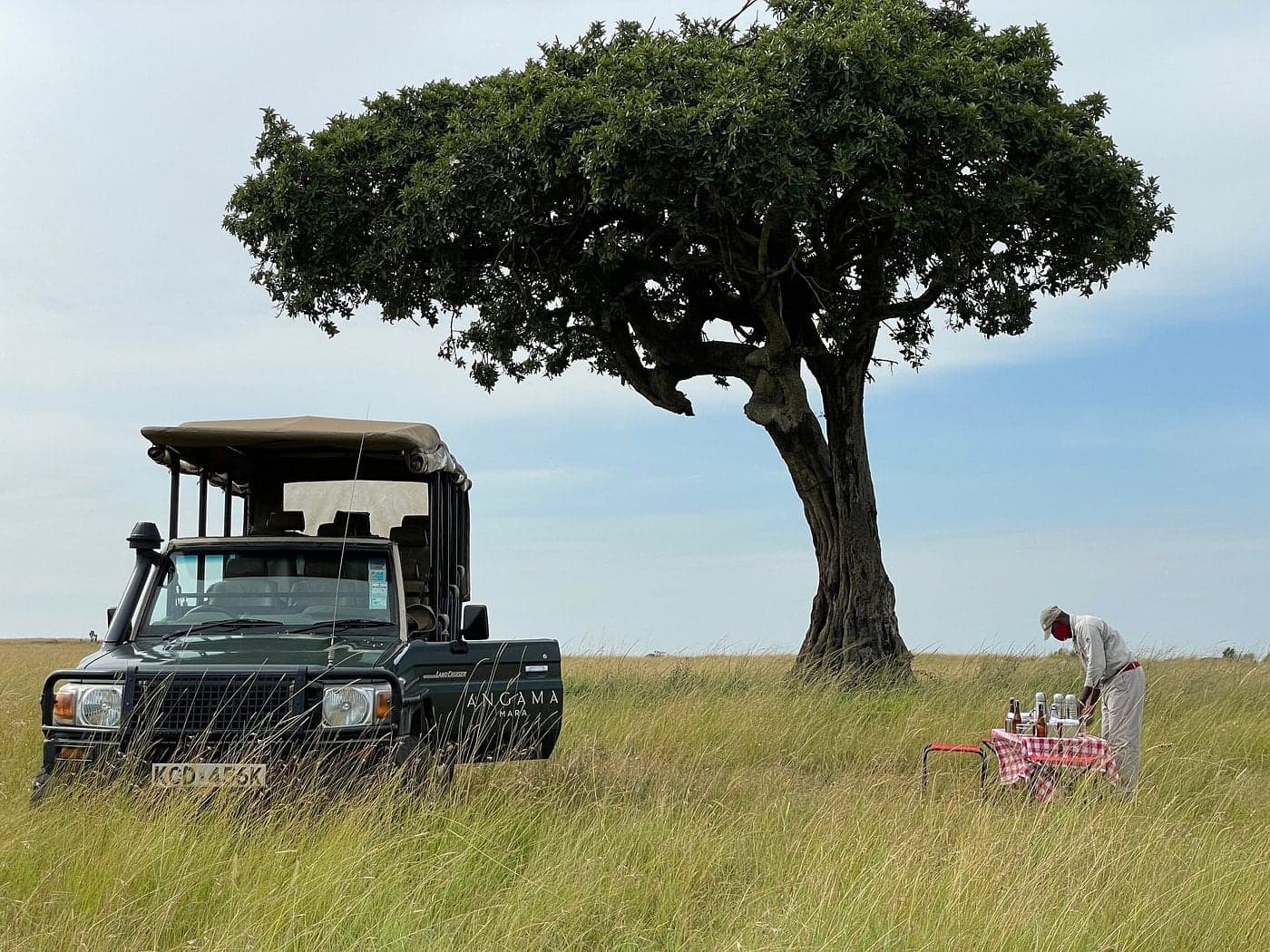
Most safari days begin before sunrise. Tea, coffee and a biscuit tray usually appear around 5:30, followed by departure at roughly 6:00. The first game drive often runs until 9:30, when predators are still active, grazers are moving into open ground and the light is low enough for good photography. Breakfast may be back at camp, packed as a bush breakfast or taken after a longer loop.
Tea, coffee and a light bite before the vehicle leaves while the air is still cool and predators may still be active.
Our guides track fresh prints, listen for alarm calls and position carefully for sightings without crowding wildlife.
Return for a proper meal, shower, notes, image backups or a short rest while animals retreat into shade.
Midday is slower for predators but useful for birding, reading, editing photographs or watching waterholes from camp.
Light softens, herbivores move out to graze and predators often begin repositioning for the evening.
Discuss the next day's plan, likely routes, wake-up time and any full-day drive or cultural visit logistics.
Good guides do not simply race from radio call to radio call. Our guides slow down to read spoor, alarm calls, wind direction, dust plumes and the way other vehicles are positioned. A leopard may be invisible for 40 minutes before stepping from a croton thicket; a lioness may stare in one direction long before the rest of the pride moves. Patient tracking is often the difference between seeing an animal and understanding a scene.
Full-day drives make sense in big landscapes such as the Masai Mara, Samburu or Tsavo when wildlife distribution, migration movement or distance between sectors justifies staying out with a picnic lunch. They are not automatically better: in Amboseli, for example, split drives can be more productive because heat, haze and animal movement change sharply through the day.
Camp life is more comfortable than many first-timers imagine. Most quality tented camps and lodges provide proper beds, flush loos, hot showers, charging points, generous meals and careful night security. Wi-Fi may be slow, laundry can be limited by sun and water, and the soundtrack may include hyena whoops, zebra barks or elephants feeding beyond the path.
Kenya is not one uniform safari stage. The Masai Mara gives grassland drama and big-cat density; Amboseli gives elephants against Mount Kilimanjaro; Lake Nakuru adds Rift Valley woodland, rhino and birds; Samburu brings dry-country species; Ol Pejeta and Lewa Conservancy deepen conservation and rhino viewing. The strongest africa safaris combine habitats rather than repeating the same wildlife experience in different lodges.
Use this to match your expectations with the right route.
Nairobi shapes almost every route. Jomo Kenyatta International Airport handles most long-haul arrivals; Wilson Airport, across town, is the hub for many light-aircraft safari flights. Drive-in safaris reduce flight costs and let guests see the Rift Valley escarpment, towns and farmland, while fly-in safaris save time and fatigue on routes such as Nairobi to the Mara, Samburu or Lewa.
When travellers ask about africa the big five or africa the big 5, they mean lion, leopard, elephant, rhino and Cape buffalo. In Kenya, an africa big five safari is realistic, but not guaranteed in every park. Lions and buffalo are widespread; elephants are superb in Amboseli, Samburu and parts of the Mara; leopards require patience; rhino viewing is strongest in fenced or intensively protected areas such as Lake Nakuru, Ol Pejeta and Lewa.
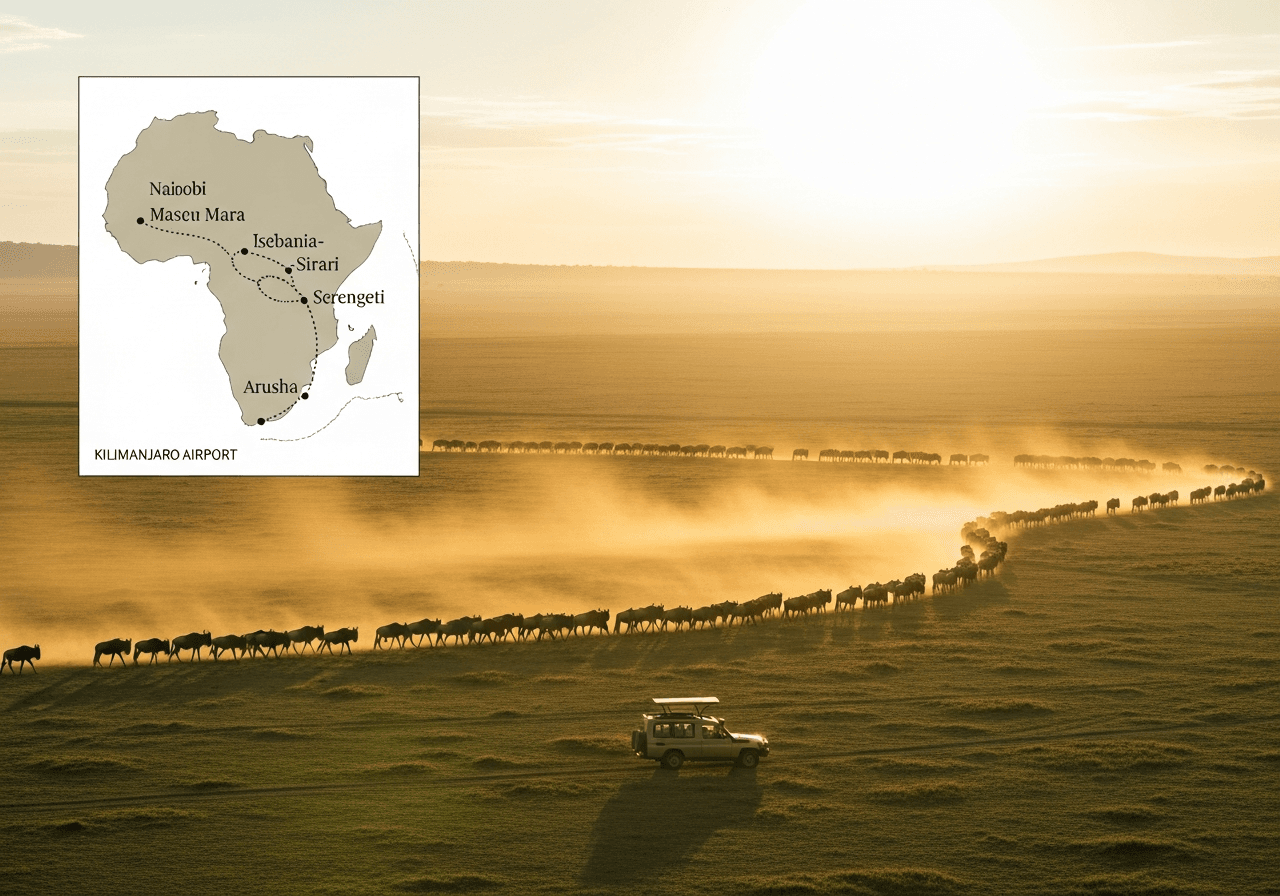
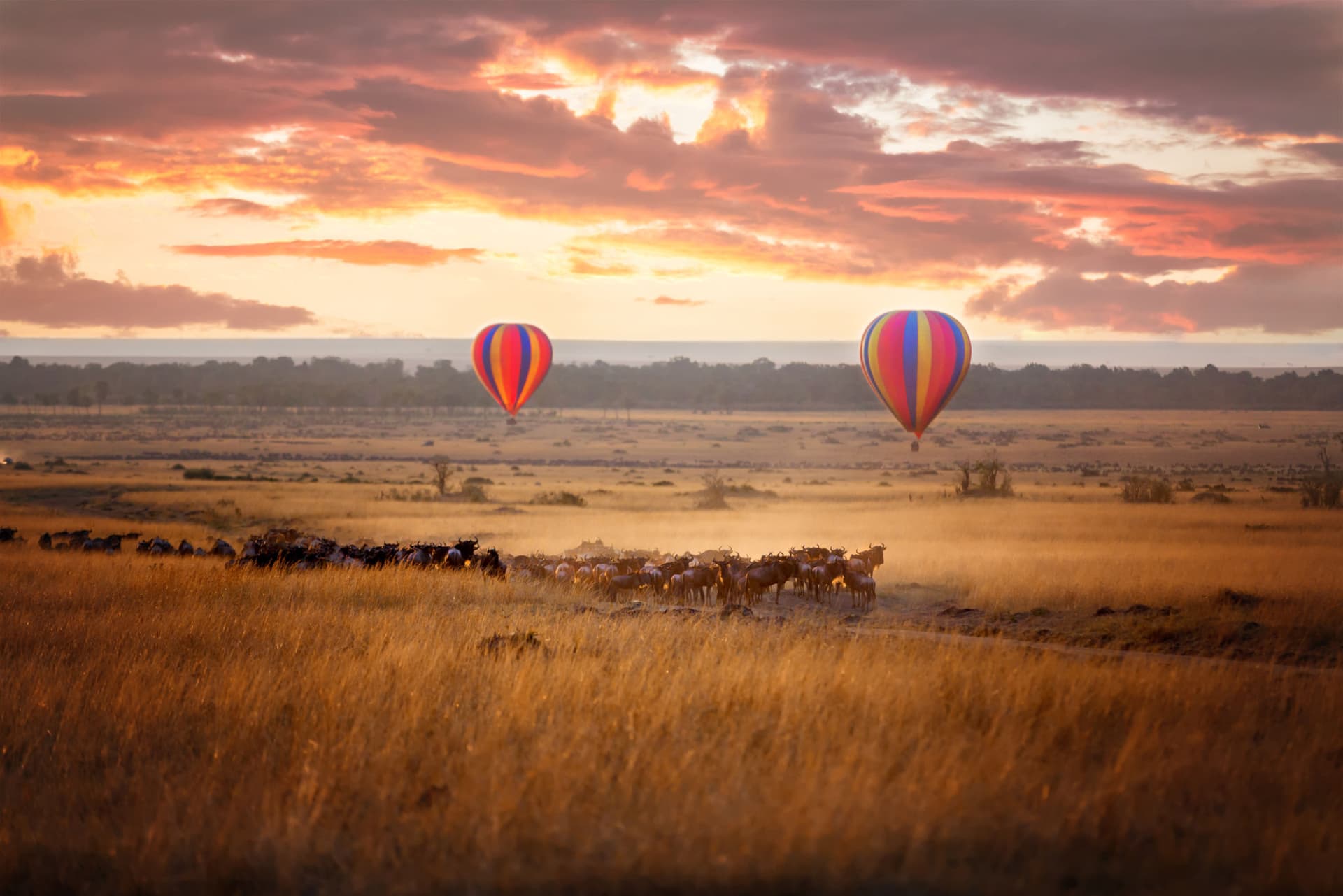
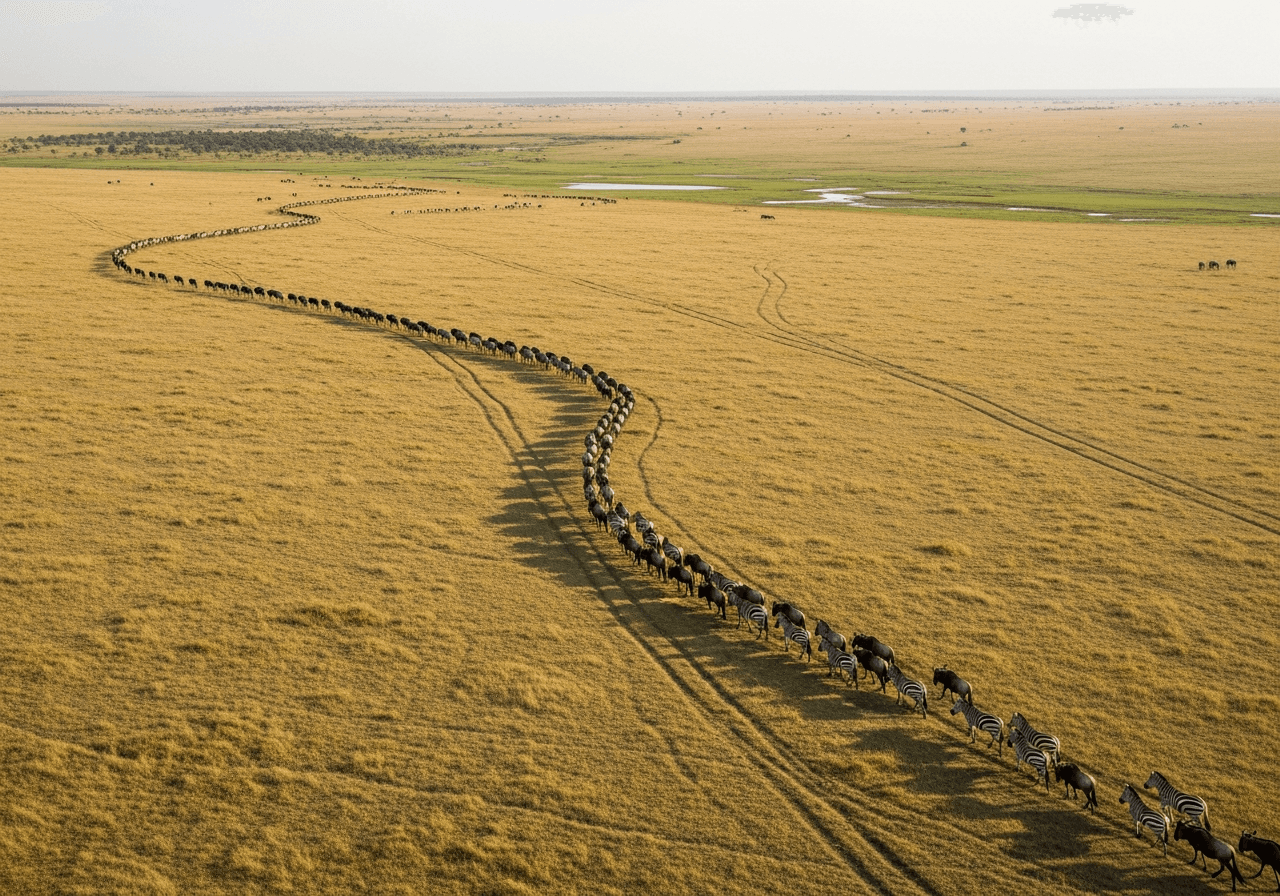
Resident wildlife and seasonal movement are different things. The Mara has resident plains game all year, but wildebeest, zebra, eland and Thomson’s gazelle shift across the Serengeti–Mara ecosystem according to rain and grass. By mid-June, expectations should remain measured: migration pressure usually builds from July into October, with exact river-crossing timing dependent on rain, grazing and herd decisions.
Predator behaviour is often misunderstood. African lion prides may hunt before dawn, then sleep through most of the day; for deeper context, our guide to African lion behaviour explains why resting cats are not inactive cats. Leopards favour riverine cover and rocky shade. Cheetahs often use termite mounds or slight rises to scan for gazelles. Hyenas patrol before dawn and can be more revealing than lions if you watch the direction of their movement.
Expert-level enjoyment comes from looking beyond headline mammals. Lilac-breasted rollers flash turquoise and violet from roadside shrubs; secretary birds stalk open grass; martial eagles and bateleurs ride thermals; jackals shadow cats; bat-eared foxes emerge in softer light; dung beetles roll perfect spheres across the track. On the best safaris, small details sharpen the entire landscape.
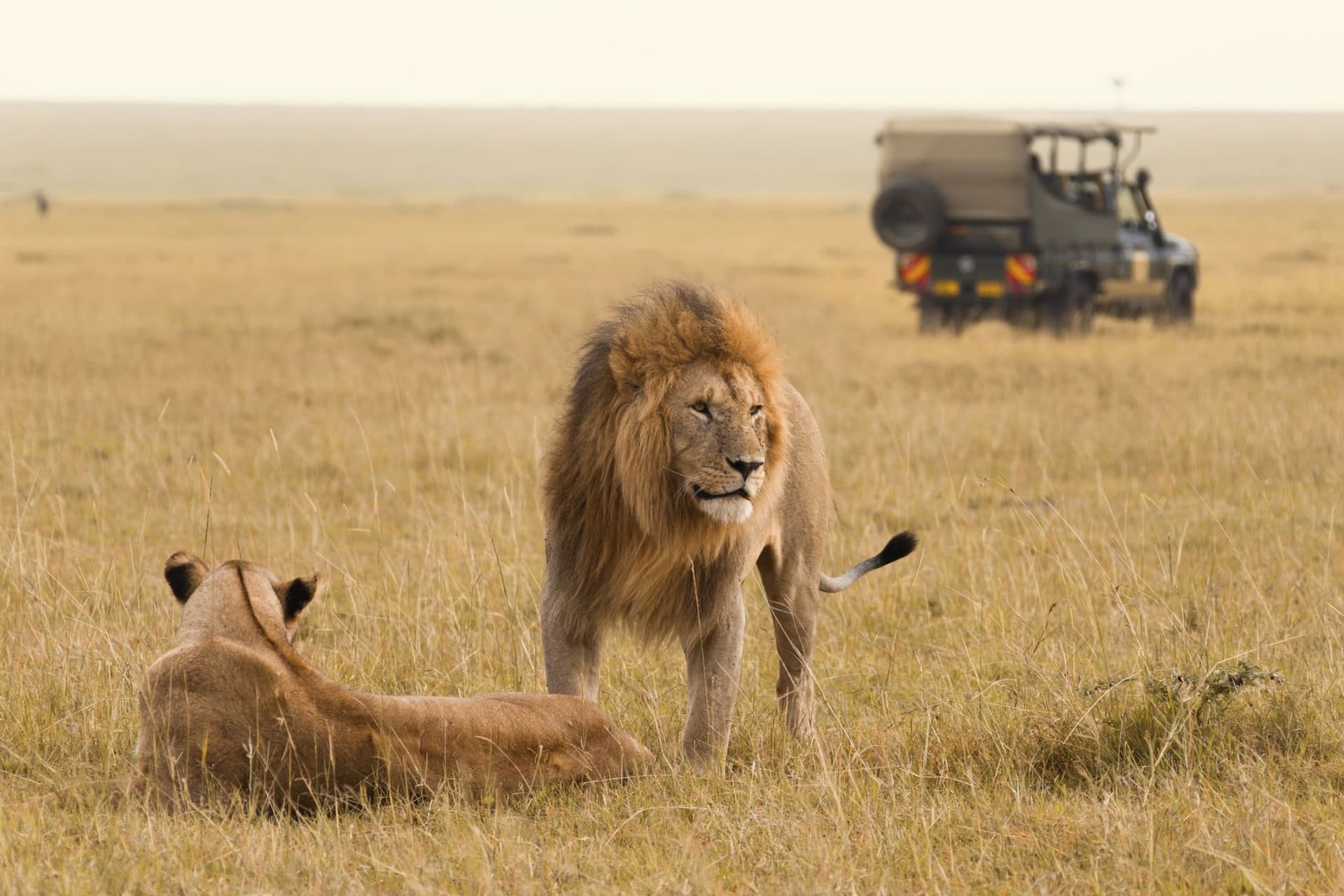
A safari in the Masai Mara delivers the Kenya many travellers imagine: open plains, big skies, riverine forest, lion prides, cheetah on short grass, leopard along drainage lines and, in season, migration pressure around the Mara and Talek rivers. The Masai Mara National Reserve covers 1,510 km²; the Mara Triangle covers 510 km², about one-third of the reserve.

 KE
KEThe Masai Mara National Reserve in southwestern Kenya is a premier 1,510-square-kilometre wildlife sanctuary. Renowned for the annual Great Wildebeest Migration from July to October, it offers exceptional year-round Big Five viewing across open savannahs. The reserve is contiguous with Tanzania's Serengeti, forming a critical, biodiverse transboundary ecosystem.
In peak areas, the Mara can have high vehicle numbers, especially near river crossings, cats on kills or photogenic cheetah families. We reduce that pressure by planning extra Mara nights, leaving early, using less crowded sectors, combining reserve and conservancy stays, and resisting the temptation to chase every rumour on the radio.
“Our guide rule in the Mara is simple: the best sighting is not always the closest one; it is the one where the animal remains relaxed and the story can unfold.”
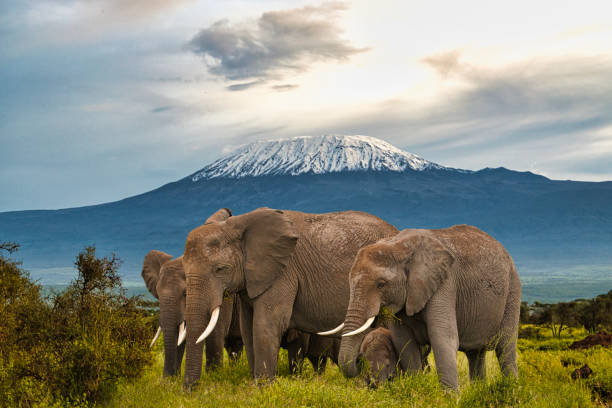
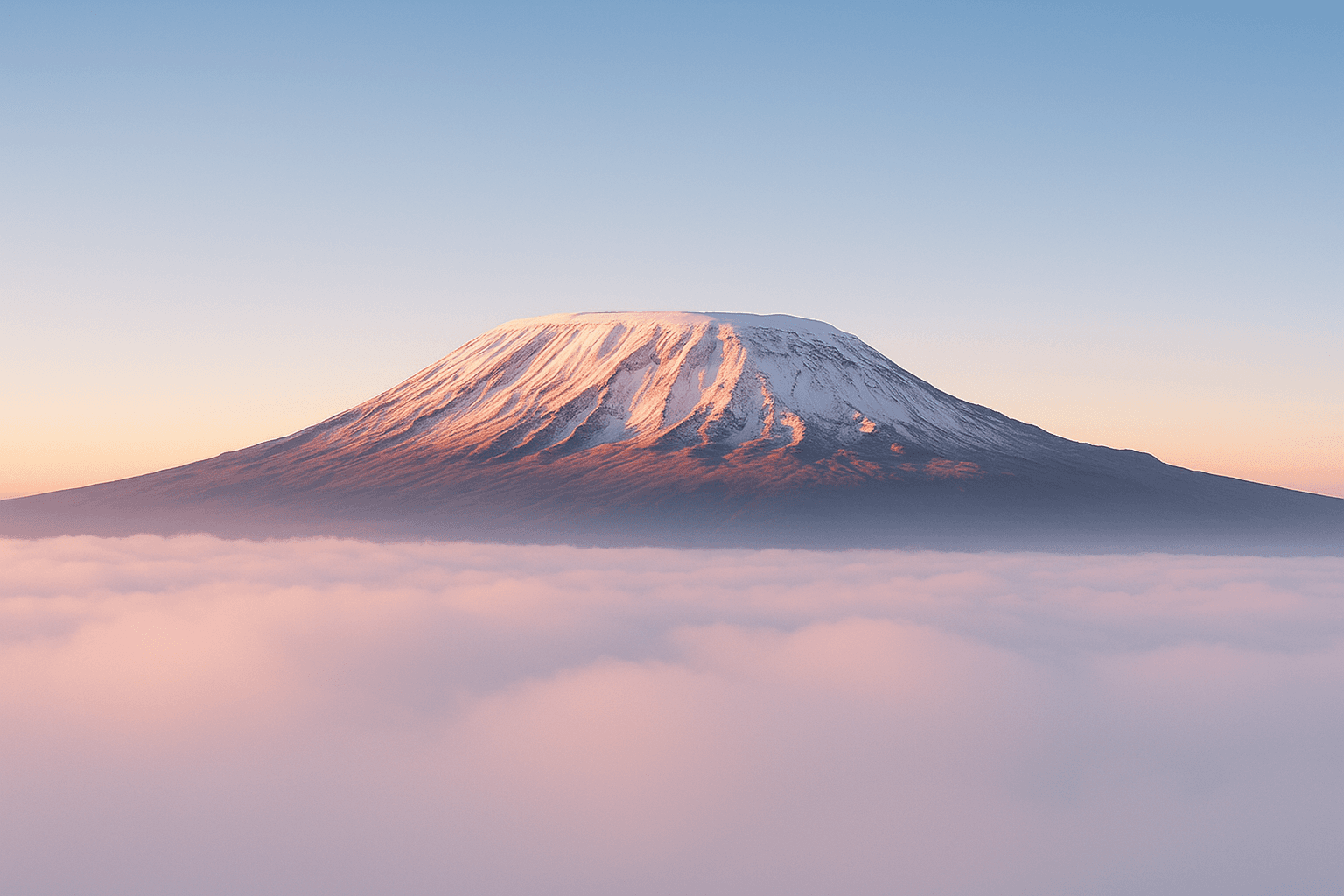
Amboseli National Park Mt Kilimanjaro views are one of Kenya’s classic safari images, but they are never guaranteed all day. The best chances are usually early morning or late afternoon, when cloud and haze are lower. Kilimanjaro is in Tanzania, yet from the Kenyan side it forms the immense backdrop to Amboseli’s swamps, open dust pans and elephant routes.
 KE
KEExperience the beauty of Amboseli National Park, one of Kenya's most famous safari destinations, renowned for its large herds of free-roaming elephants and breathtaking views of Mount Kilimanjaro, Africa's highest peak. Located in southern Kenya near the Tanzania border, Amboseli offers exceptional wildlife viewing, diverse habitats, and unforgettable photographic opportunities. From thrilling game drives and birdwatching adventures to cultural encounters with the Maasai community, Amboseli National Park delivers an authentic African safari experience surrounded by stunning landscapes and abundant wildlife.
KWS describes Amboseli National Park as the “Home of the African Elephant” and notes its swamps, marshland, savannah grassland, acacia woodland and Kilimanjaro-dominated scenery. Current KWS pages list Amboseli non-resident adult entry at USD 90 and child entry at USD 45, paid through eCitizen by M-Pesa or Visa card.
Expect elephant family groups moving between the swamps and open ground, buffalo in wetland areas, plains game, occasional lion sightings and rewarding birding where water concentrates life. Photographers should choose lodges or camps that reduce transfer time to the key swamp and observation areas; saving 30 minutes each way matters when Kilimanjaro clears for only a short window.
Safari accommodation names can confuse even experienced travellers. A tented camp is not necessarily basic, and a lodge is not automatically more comfortable. The important questions are location, guiding arrangement, vehicle density, power reliability, water systems, food standard and how quickly you can reach productive game-viewing areas.
 KE
KELuxury Safari Lodge in the Heart of Masai Mara
Masai Mara, Kenya
Best Location
Mara Serena Safari Lodge has a strong Mara Triangle position; Sarova Mara Game Camp suits travellers who prefer larger camp facilities; Satao Elerai Camp gives Amboseli-area views with a quieter feel; Ol Tukai Lodge sits in a prized Amboseli location near key elephant routes. Inside a reserve saves transfer time but may mean stricter activity rules. Outside a gate can be better value but adds daily access time. A conservancy often gives the most atmospheric safari rhythm, particularly at night.
For most private africa kenya safaris, we prefer 4x4 safari Land Cruisers with pop-up roofs, window seats, charging points, cooler boxes and enough space for camera bags. Vehicle allocation matters: six guests in a well-configured private vehicle can be comfortable; seven or eight with serious photographers is usually too tight.
Guide calibre is one of the strongest predictors of safari quality. Our guides manage distance, light angle, engine use and vehicle positioning around wildlife, especially cats on kills, elephant herds with calves and sensitive black rhinoceros sightings. They also know when to leave a sighting before animal stress or vehicle congestion builds.
The best photographs usually come from anticipation, not burst-fire impatience. Watch where the animal is looking, where the light is falling and what the rest of the herd is doing. A still vehicle often receives better behaviour than one constantly repositioning.
The main 2026 cost drivers are park and conservancy fees, accommodation tier, private vehicle use, guide calibre, internal flights, routing distance and season. For 2026, Masai Mara non-resident adult entry is USD 100 per day from 1 January to 30 June and USD 200 from 1 July to 31 December. That July fee change is a major reason peak migration safaris cost more than June or November trips.
An affordable African safari is not the same as a cheap safari. Smart savings come from shoulder-season dates, drive-in routes, fewer park changes, family rooms, longer stays in one ecosystem and transparent inclusions. Unsafe shortcuts usually appear as tired vehicles, vague fee handling, underpaid guides, unrealistic drive times or missing insurance.
KWS current pages list Amboseli and Lake Nakuru non-resident adult entry at USD 90 and child entry at USD 45, paid through eCitizen by M-Pesa or Visa card. Do not economise on guide quality, vehicle condition, park-fee budgeting, travel insurance or medical preparation; those decisions protect both the safari and the traveller.
Mid-June is typically cool at dawn, warmer by midday, greener after the long rains and progressively drier as July approaches. Nairobi and the Mara sit at altitude and can feel chilly in the morning; Tsavo and lower northern areas are generally hotter and drier. Pack for variation rather than a single temperature.
Do not bring hard-shell suitcases for light-aircraft routes, bright white clothing that shows dust and reflects glare, heavy perfume, drones without permits or excessive formalwear. Even premium camps are relaxed: dinner is more likely to require a fleece than a jacket.
Most visitors need to plan their Kenya eTA before travel unless exempt. Kenya eTA applications are usually processed in 3 days; the official portal recommends applying at least 2 weeks before travel. Carry both printed and digital copies of your approval, passport, insurance, flight details and safari itinerary.
Health advice should be personalised. Speak with a travel-health clinician about malaria prevention, yellow fever certificate rules for your exact routing, routine vaccines, prescription medication, altitude tolerance and any personal medical risks. This is particularly important for guests combining Kenya with Tanzania, Uganda or Rwanda.
On safari, safety is practical and guide-led. Keep tents zipped, use escorts after dark where camps require them, never approach wildlife on foot unless led by authorised guides and avoid wandering from designated areas. Road transfers can be long and scenic; flights save time but baggage limits matter. Heavy rain, roadworks and airstrip conditions can cause delays, so tight same-day international connections are rarely wise.
Responsible safaris support conservation fees, community land leases, local employment and habitat protection beyond the park gate. In the Mara ecosystem, private conservancies are especially important because they keep land open for wildlife while providing lease income to Maasai landowners. The Masai Mara National Reserve’s neighbouring private conservancies cover approximately 1,500 km² of additional protected land.
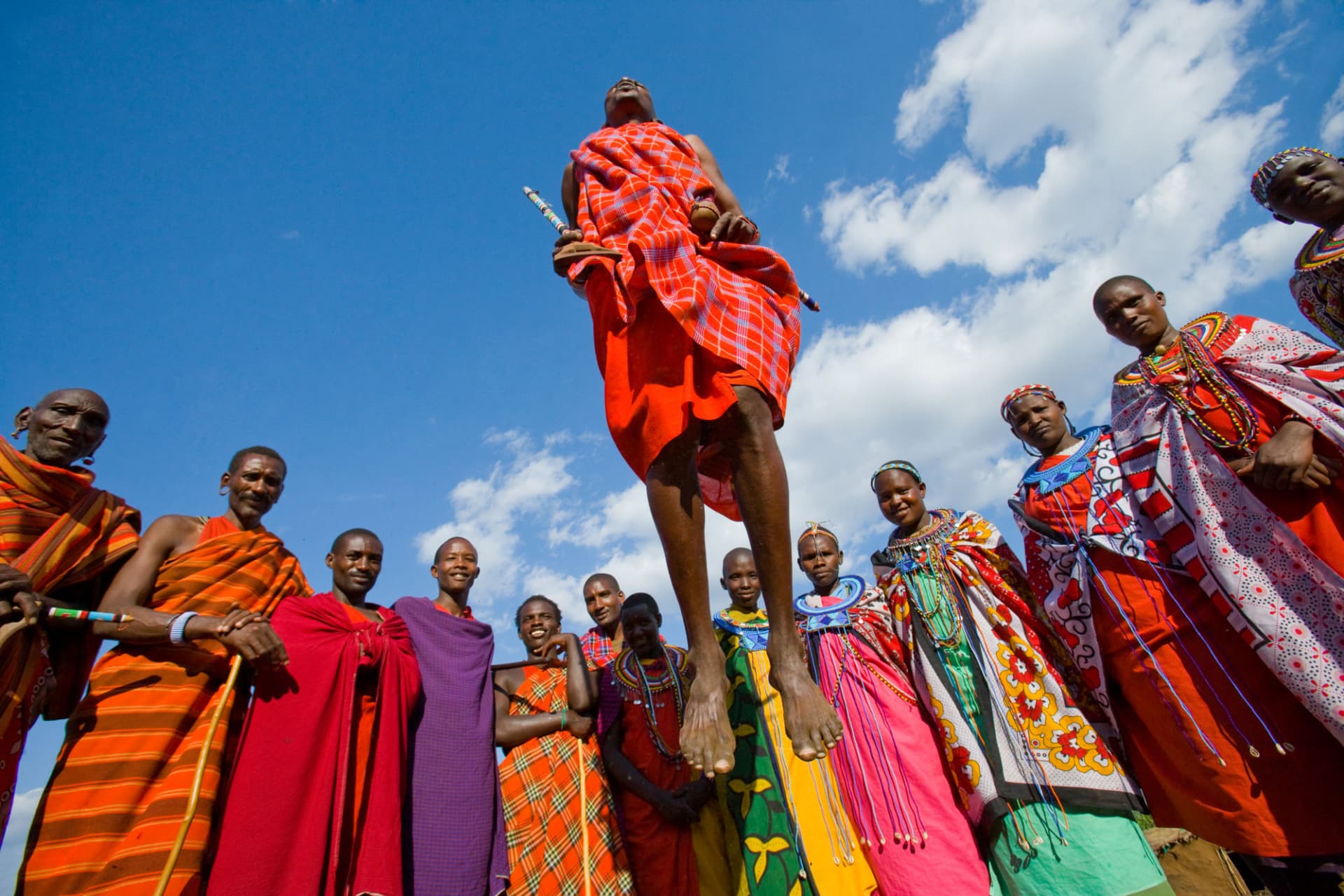
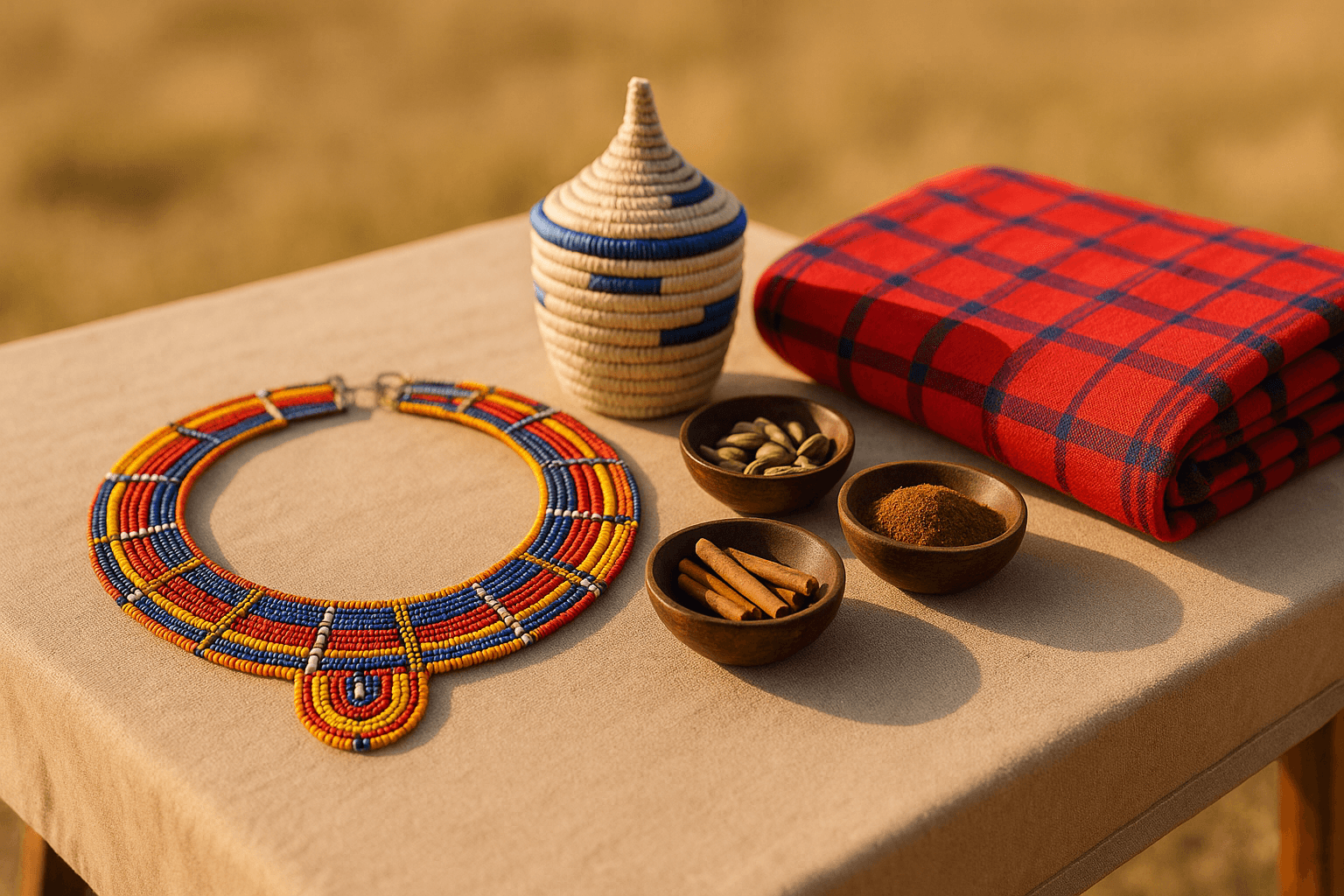
Maasai village visits should be respectful, pre-arranged and clear about fees. Ask permission before photography, avoid intrusive bargaining and treat beadwork, songs and homestead explanations as cultural exchange rather than performance on demand. We prefer visits where the host community controls the timing, fee structure and visitor boundaries.
The right itinerary depends on intent. Three to four days works for a quick Mara or Amboseli escape. Six to eight days is the sweet spot for a balanced safari in Kenya. Ten to twelve days suits families, photographers, honeymooners and travellers who want the rhythm to slow down rather than become a checklist.
Tell us your travel month, wildlife priorities, budget range and comfort style; we will shape a route that fits the season rather than forcing a template.
KEKenya · Masai Mara National Reserve
KEKenya · Tsavo East National Park
If you are still learning how East African safaris fit together, our first-timer’s East Africa guide is a useful companion. Our strongest advice is to choose fewer stops with better timing over an ambitious route that spends too much of your holiday on roads. Speak with Imara Africa Safaris about your 2026 dates, budget, wildlife priorities and travel style, and we will shape a tailor-made Kenya safari around the season rather than a template.
At a glance
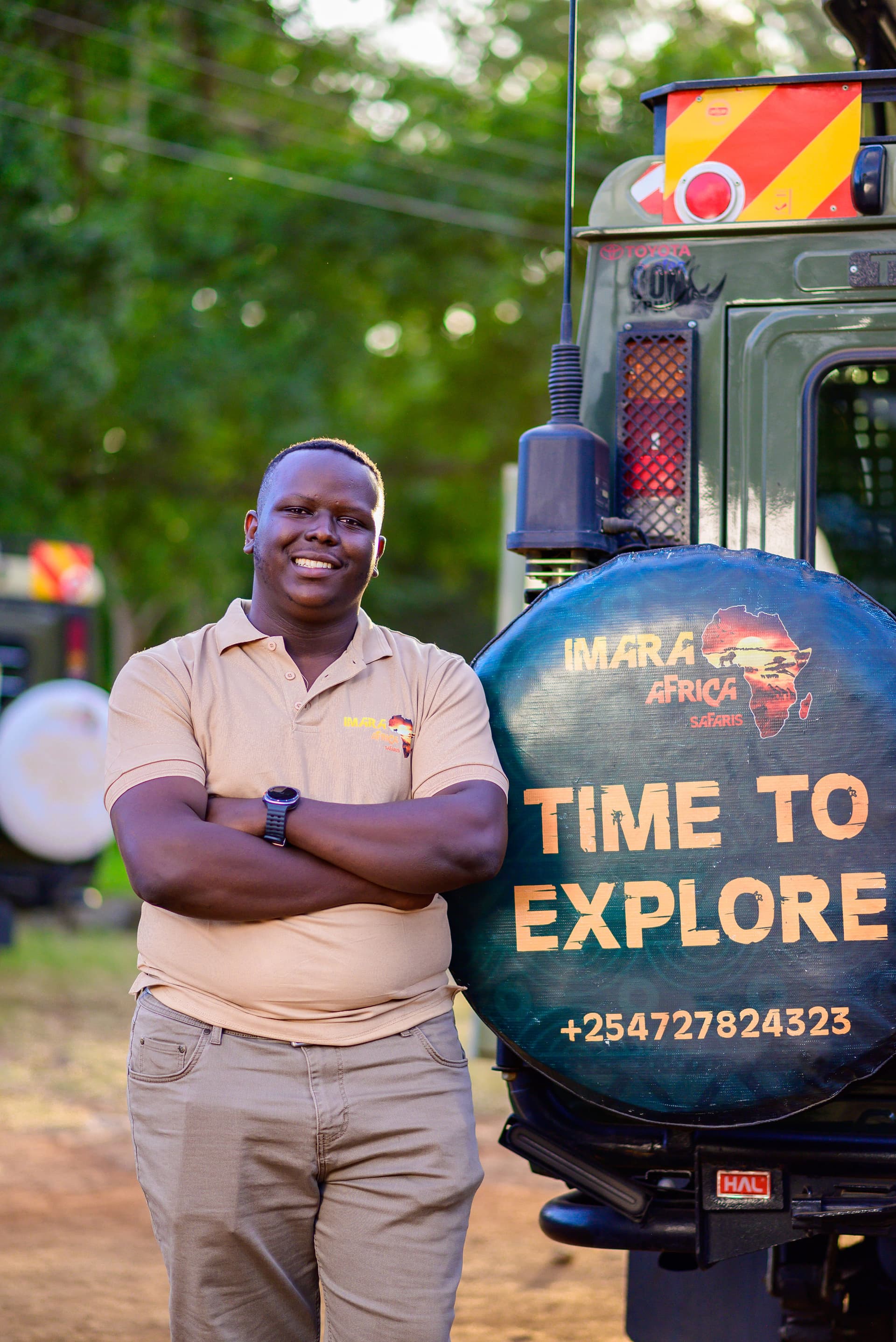
Lewis Munuhe
Founder & Director
<p>Lewis Munuhe is the Director and Owner of Imara Africa Safaris, a trusted safari company dedicated to creating tailor-made African safari experiences across Kenya, Tanzania, Uganda, and Rwanda. With a strong passion for African travel, wildlife, culture, and conservation, Lewis leads the company’s vision of delivering personalized, seamless, and unforgettable safari journeys for travelers from around the world.</p><p>Through Imara Africa Safaris, Lewis helps guests discover East Africa’s most iconic destinations, from the Masai Mara and Serengeti to Uganda and Rwanda’s gorilla trekking regions. His approach focuses on understanding each traveler’s interests, comfort level, budget, and expectations, then transforming those details into carefully curated safari itineraries that feel personal, meaningful, and well-planned.</p><p>As Director and Owner, Lewis is committed to maintaining high standards in safari planning, guest care, destination expertise, and responsible tourism. Whether arranging a luxury wildlife safari, honeymoon escape, family adventure, cultural journey, gorilla trekking safari, or multi-country East African itinerary, he ensures every experience reflects the quality, authenticity, and attention to detail that define Imara Africa Safaris.</p><p>Under his leadership, Imara Africa Safaris continues to help travelers experience the beauty of Africa through expertly planned safaris that celebrate wildlife, landscapes, local cultures, conservation, and unforgettable adventure.</p>
Lewis Munuhe
Founder & Director
<p>Lewis Munuhe is the Director and Owner of Imara Africa Safaris, a trusted safari company dedicated to creating tailor-made African safari experiences across Kenya, Tanzania, Uganda, and Rwanda. With a strong passion for African travel, wildlife, culture, and conservation, Lewis leads the company’s vision of delivering personalized, seamless, and unforgettable safari journeys for travelers from around the world.</p><p>Through Imara Africa Safaris, Lewis helps guests discover East Africa’s most iconic destinations, from the Masai Mara and Serengeti to Uganda and Rwanda’s gorilla trekking regions. His approach focuses on understanding each traveler’s interests, comfort level, budget, and expectations, then transforming those details into carefully curated safari itineraries that feel personal, meaningful, and well-planned.</p><p>As Director and Owner, Lewis is committed to maintaining high standards in safari planning, guest care, destination expertise, and responsible tourism. Whether arranging a luxury wildlife safari, honeymoon escape, family adventure, cultural journey, gorilla trekking safari, or multi-country East African itinerary, he ensures every experience reflects the quality, authenticity, and attention to detail that define Imara Africa Safaris.</p><p>Under his leadership, Imara Africa Safaris continues to help travelers experience the beauty of Africa through expertly planned safaris that celebrate wildlife, landscapes, local cultures, conservation, and unforgettable adventure.</p>
Lewis Munuhe
Founder & Director
<p>Lewis Munuhe is the Director and Owner of Imara Africa Safaris, a trusted safari company dedicated to creating tailor-made African safari experiences across Kenya, Tanzania, Uganda, and Rwanda. With a strong passion for African travel, wildlife, culture, and conservation, Lewis leads the company’s vision of delivering personalized, seamless, and unforgettable safari journeys for travelers from around the world.</p><p>Through Imara Africa Safaris, Lewis helps guests discover East Africa’s most iconic destinations, from the Masai Mara and Serengeti to Uganda and Rwanda’s gorilla trekking regions. His approach focuses on understanding each traveler’s interests, comfort level, budget, and expectations, then transforming those details into carefully curated safari itineraries that feel personal, meaningful, and well-planned.</p><p>As Director and Owner, Lewis is committed to maintaining high standards in safari planning, guest care, destination expertise, and responsible tourism. Whether arranging a luxury wildlife safari, honeymoon escape, family adventure, cultural journey, gorilla trekking safari, or multi-country East African itinerary, he ensures every experience reflects the quality, authenticity, and attention to detail that define Imara Africa Safaris.</p><p>Under his leadership, Imara Africa Safaris continues to help travelers experience the beauty of Africa through expertly planned safaris that celebrate wildlife, landscapes, local cultures, conservation, and unforgettable adventure.</p>
Our trips
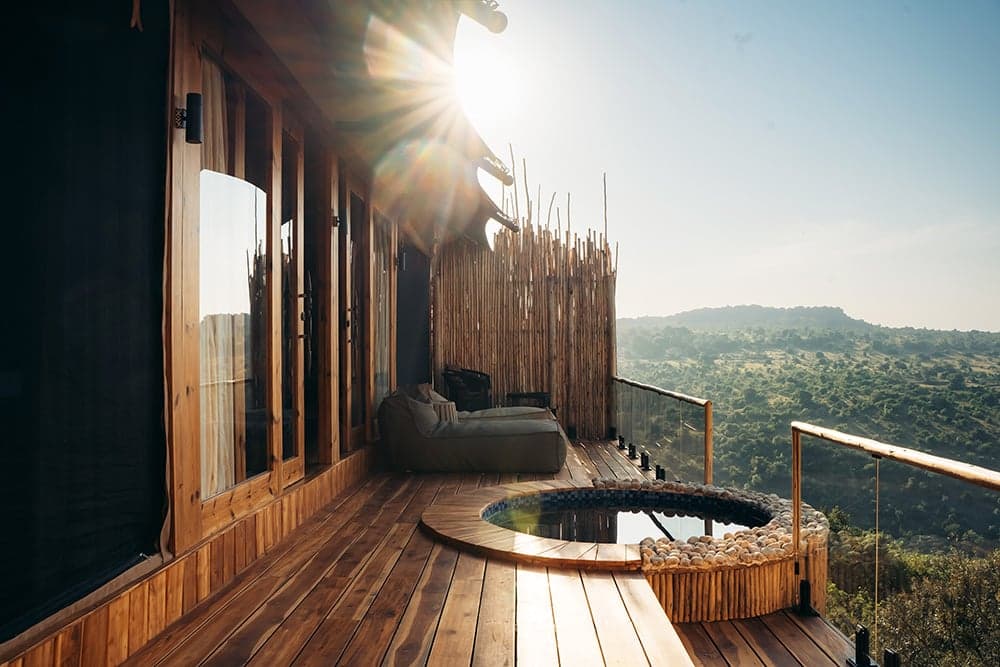 Kenya SafarisBest luxury safari lodges masai mara: 12 top staysBy Lewis Munuhe·23m read·100 views
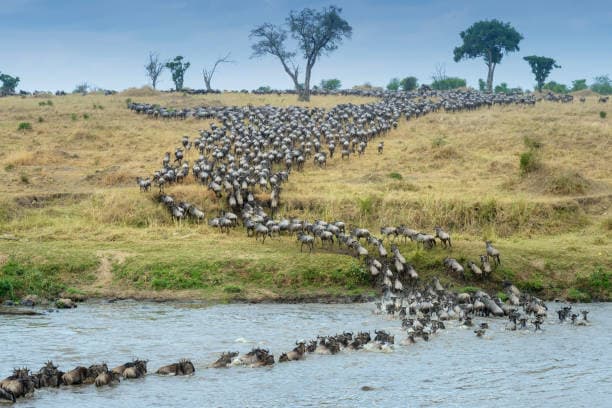 Kenya SafarisMasai Mara Safari: A Complete Migration GuideBy Lewis Munuhe·28m read·32 views
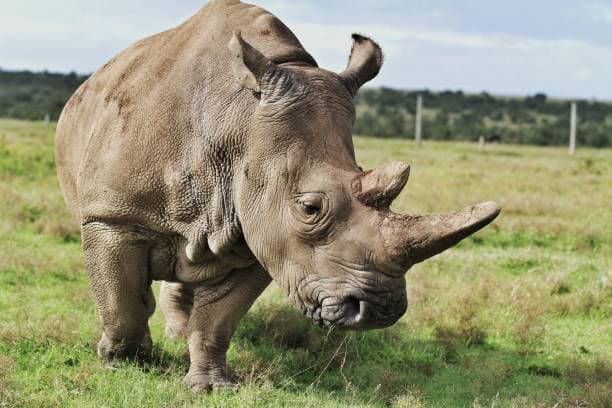 Kenya SafarisKenya Safari Wildlife: What Animals Will You See?By Lewis Munuhe·29m read·63 views
 Kenya SafarisHow Much Does a Masai Mara Safari Cost in 2026/27?By Lewis Munuhe·10m read·60 views
22°C
overcast clouds
Feels like 22° · 64% humidity
🦁Right now in the bush: Head to lodge shade — animals rest in midday heat.


Comments
Loading…