Kenya Cultural Safari Experiences: practical guide 2026/27
A Kenya Cultural Safari can add Maasai homesteads, Samburu beadwork, Nairobi heritage, coastal Swahili cuisine and fair community visits to classic game drives.
23 min read57viewsUpdated Sep 28, 2026
57views
Share
Listen~23 min
In this articleTap to view 14 sectionsTap a section to jump
In mid-June 2026, Kenya is moving from long-rains greenery into the drier safari season, so cultural stops should be booked before July peak demand.
The strongest encounters are small, hosted and pre-agreed, with transparent community fees and time for conversation rather than staged photography.
In the Masai Mara, conservancy stays help travellers understand how Maasai land leases, grazing and wildlife tourism intersect.
Culture can sit naturally beside africa the big five game drives in the Mara, Amboseli, Samburu, Lewa and Ol Pejeta.
An affordable african safari can still be ethical if it protects guide quality, pays hosts fairly and avoids rushed souvenir stops.
Our guides brief guests on dress, photography, gifts, bargaining and sensitive questions before any community visit.
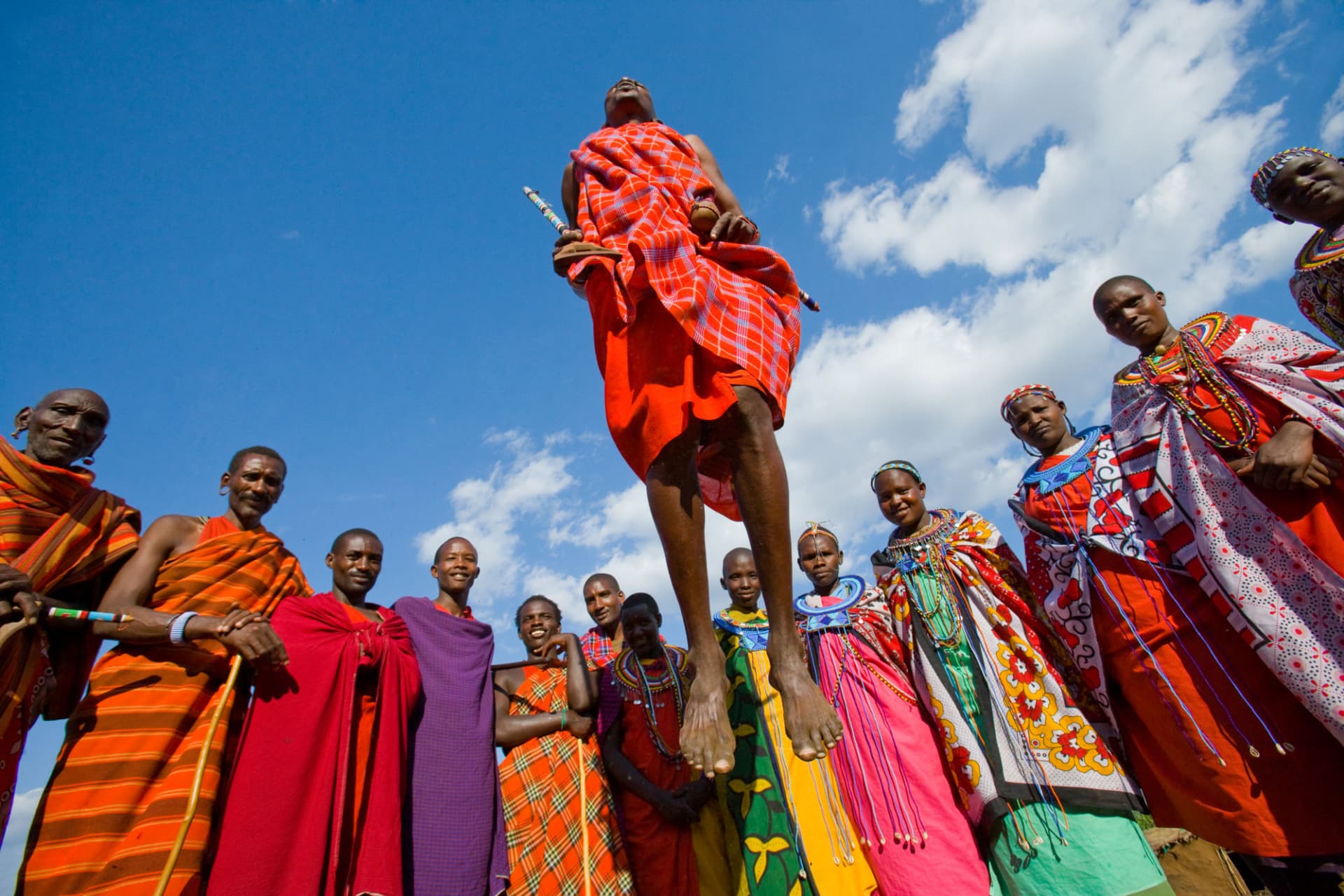
Bomas of Kenya dancers bring Nairobi’s cultural rhythm to life with traditional drums, beadwork and vibrant textiles.
Why add cultural depth to a kenya cultural safari?
A wildlife-only itinerary can show you lion, elephant and plains migration, but it can miss the human geography that makes Kenya’s rangelands work: cattle corridors, seasonal grazing, market towns, family land, conservancy leases and the complex negotiations that keep wildlife habitat open outside formal parks.
Culture is not a decorative pause between game drives. In the Maasai, Samburu, Swahili and Nairobi contexts, it explains why a herd of cattle may be moving at dawn, why a conservancy boundary matters to a cheetah coalition, why beadwork has economic as well as aesthetic value, and why many of the best Kenya safaris now include community and conservation conversations.
Kenya recorded 2,394,376 international tourist arrivals in 2024, a useful demand benchmark for 2026 safari planning. For expert travellers, that number is a reminder to book guides, private vehicles and hosted visits early, especially if you want depth rather than a generic add-on.
“
“A good cultural visit is not theatre; it is the map key that helps you read cattle tracks, lease boundaries, craft income and wildlife corridors.”
2026 timing: what June means for a kenya cultural safari and wildlife
On 16 June 2026, Kenya is moving out of the long-rains feel of April and May. Grass is still attractive in many areas, dust has not yet reached its late-season intensity, and roads into private conservancies and village areas are generally improving as the dry season begins to sharpen wildlife movement.
July to October brings heavier demand in the Masai Mara because of migration-season travel. For 2026, current Masai Mara non-resident adult reserve fees are USD 100 per day through 30 June and USD 200 per day from 1 July to 31 December, so a late-June versus early-July itinerary can affect both cost and availability.
Culture has its own timing. School calendars, livestock movement, market days and ceremonial events are not guaranteed tourist products, and we do not promise spectacles that belong to private community life. Our guides check locally, confirm whether a host is available, and adapt the day rather than forcing a visit into the wrong hour.
The best cultural experiences to add to a safari in Kenya
The strongest kenya cultural safari usually chooses one or two meaningful encounters, not a checklist. One well-hosted afternoon with a Maasai elder, Samburu beadwork group or Swahili guide in Lamu can teach more than three rushed stops arranged only because there is a spare hour between drives.
Vivid Maasai beadwork comes to life through skilled Kenyan hands, celebrating craft, colour and cultural heritage.
Which Kenya cultural safari experience fits your trip?
Our guide-led comparison for 2026 itineraries
Hosted homestead visit
Most personal
Best for
Pastoral life, cattle, beadwork, land and family structure
Time needed
60–90 minutes
Best route fit
Masai Mara, Amboseli, Samburu
What to ask before booking
Who hosts the visit and how the fee is shared
Watch-out
Avoid photography-first visits
Market or craft workshop
Best for provenance
Best for
Buying directly from makers and understanding materials
Time needed
1–3 hours
Best route fit
Nairobi, Narok, Nanyuki, Amboseli gates
What to ask before booking
Whether artisans set prices directly
Watch-out
Avoid hard-sell curio stops
Museum or performance
Best on arrival day
Best for
A broad cultural overview when time is limited
Time needed
2–3 hours
Best route fit
Nairobi arrivals or final day
What to ask before booking
Current show times, guide language and traffic timing
Watch-out
Do not treat it as a substitute for local contact
Swahili coast extension
Best after safari
Best for
Architecture, cuisine, dhow culture and Indian Ocean history
Time needed
2–4 nights
Best route fit
After Tsavo, Amboseli, Mara or a longer Kenya route
What to ask before booking
Whether guides are local and licensed
Watch-out
Respect mosque areas, doorway photography and modest dress
Compare
Most personal
Hosted homestead visit
Best for provenance
Market or craft workshop
Best on arrival day
Museum or performance
Best after safari
Swahili coast extension
Best for
Pastoral life, cattle, beadwork, land and family structure
Buying directly from makers and understanding materials
A broad cultural overview when time is limited
Architecture, cuisine, dhow culture and Indian Ocean history
Time needed
60–90 minutes
1–3 hours
2–3 hours
2–4 nights
Best route fit
Masai Mara, Amboseli, Samburu
Nairobi, Narok, Nanyuki, Amboseli gates
Nairobi arrivals or final day
After Tsavo, Amboseli, Mara or a longer Kenya route
What to ask before booking
Who hosts the visit and how the fee is shared
Whether artisans set prices directly
Current show times, guide language and traffic timing
Whether guides are local and licensed
Watch-out
Avoid photography-first visits
Avoid hard-sell curio stops
Do not treat it as a substitute for local contact
Respect mosque areas, doorway photography and modest dress
Use this table to pick one or two meaningful experiences instead of overfilling a safari with shallow stops.
Experience
Best for
Permission and pacing
Planning budget
Hosted homestead or boma visit
Understanding pastoralist households, livestock, age-set identity and daily rhythms
Needs an agreed host, a small group and respectful timing around game drives
From USD 30–80 pp as a planning range
Beadwork co-operative or craft studio
Families, photographers with consent, craft buyers and guests interested in women-led income
Often arranged in advance; purchases should be optional and fairly priced
From USD 20–60 pp, plus purchases
Guided market walk
Travellers interested in language, food, livestock trade, textiles and local economics
Flexible on market days, but best with a guide who can interpret without intruding
From USD 40–120 pp
Museums and performance spaces in Nairobi
First arrivals, families and guests wanting national context before the bush
Flexible around flights, but check opening times and performance schedules
Bomas performances list non-resident adult access from USD 20 in its service charter.
Walking safari with a local naturalist
Advanced safari travellers who want plants, tracks, grazing and land-use interpretation
Needs advance approval, correct conservancy permissions and suitable weather
From USD 60–150 pp
Coastal Swahili heritage extension
Honeymooners, history lovers and travellers ending with rest after early starts
Plan flights and tides; guided old-town walks work best in cooler hours
From USD 180 pp for a private guided day, excluding flights
If this is your first africa safari, use our first-timer Masai Mara guide to understand how cultural activities sit alongside game drives, park fees, lodge changes and travel time.
Maasai experiences near the Masai Mara
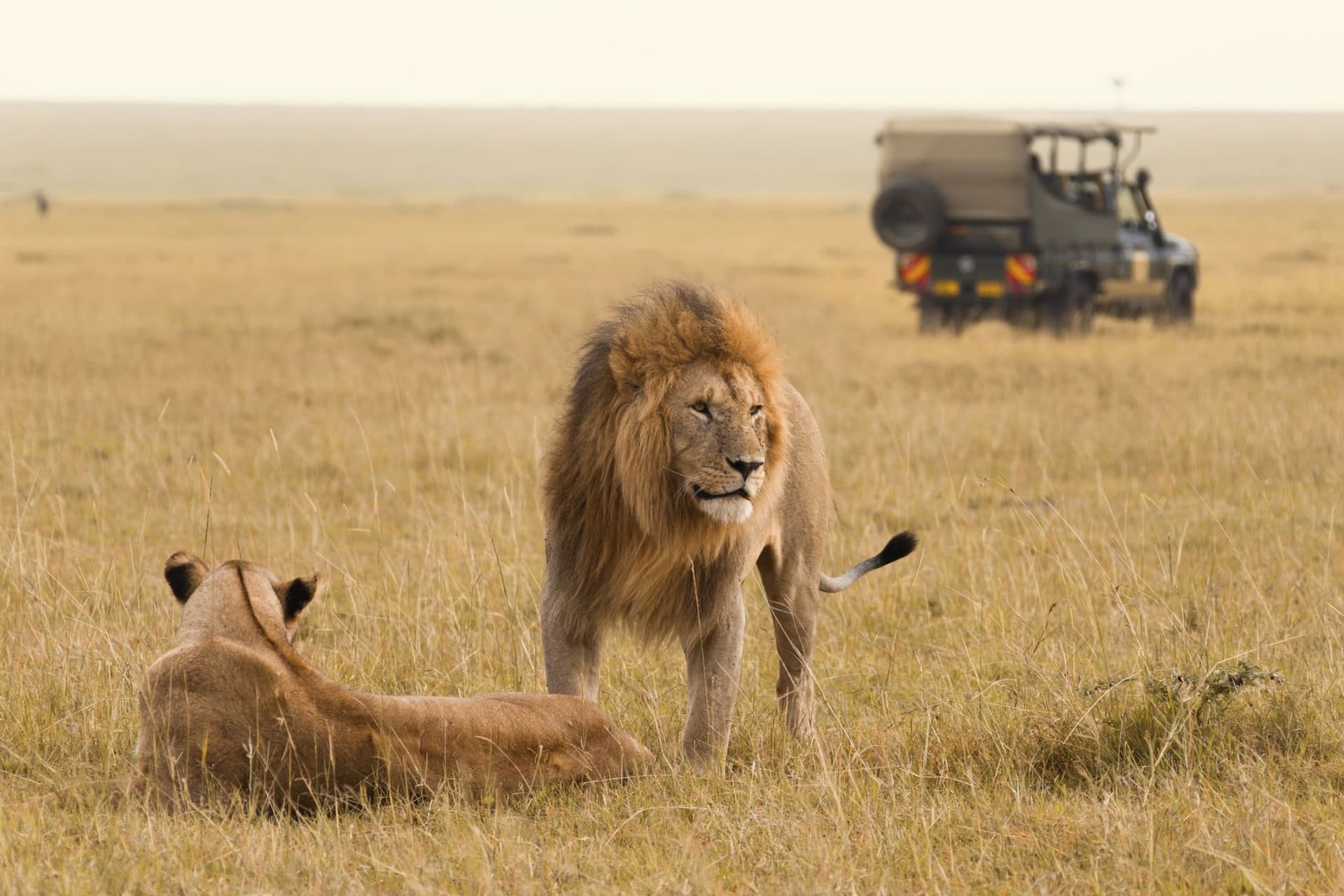
A safari in the masai mara can include a Maasai-hosted visit, a market stop in Narok or Talek, or a conservancy briefing without sacrificing prime lion and cheetah hours. The key is pacing: keep early mornings and late afternoons for wildlife, then place culture in the quieter middle or edge of the day.
A quiet Maasai enkang rests beneath acacia trees, framed by terracotta earth and the open savannah of the Masai Mara.
KE
Featured
Kenya
Masai Mara National Reserve
The Masai Mara National Reserve in southwestern Kenya is a premier 1,510-square-kilometre wildlife sanctuary. Renowned for the annual Great Wildebeest Migration from July to October, it offers exceptional year-round Big Five viewing across open savannahs. The reserve is contiguous with Tanzania's Serengeti, forming a critical, biodiverse transboundary ecosystem.
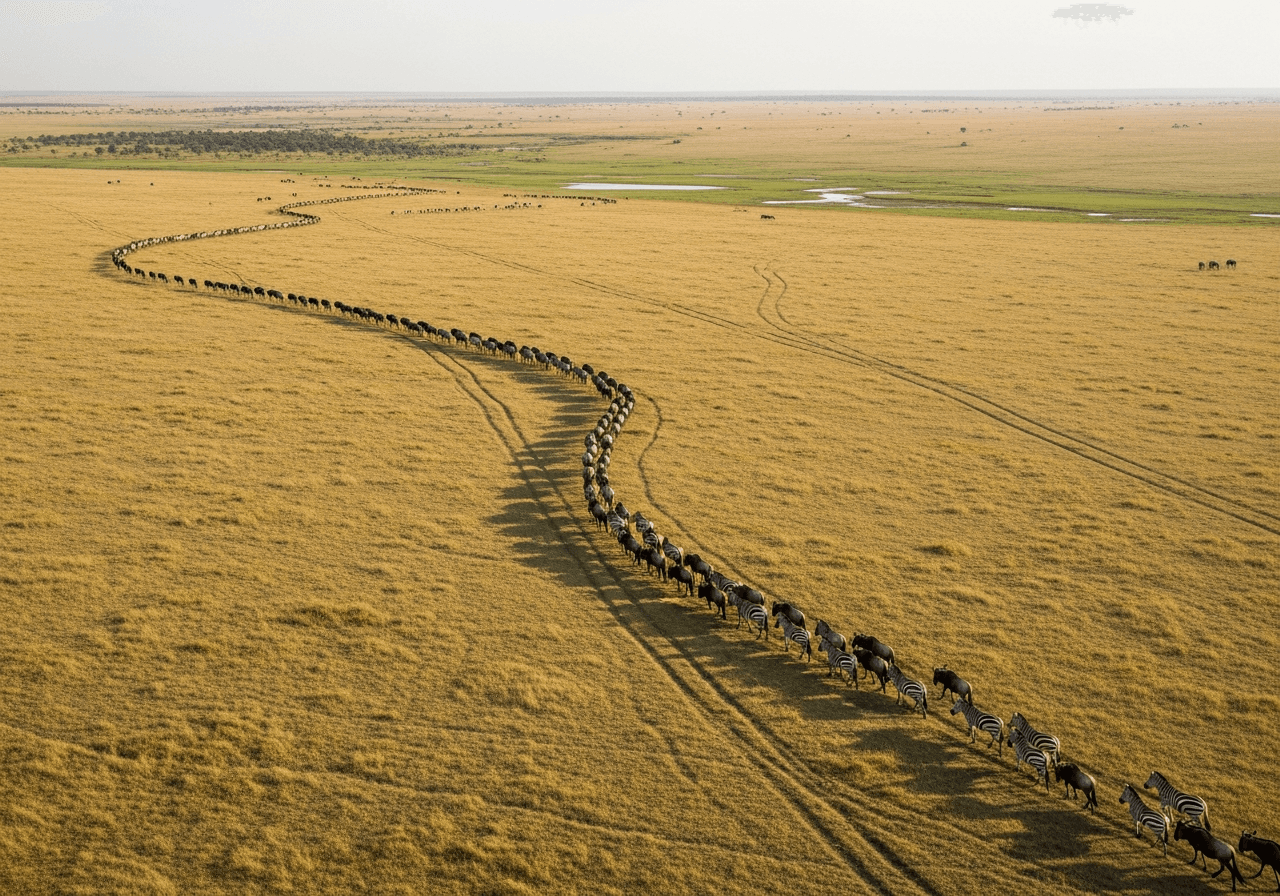
Masai Mara National Reserve's core protected area is about 1,510 km² and lies roughly 230 km from Nairobi. Because the reserve is part of a larger unfenced landscape, a kenya cultural safari here should explain how Maasai community land around the reserve supports dispersal, grazing and conservancy-based tourism revenue.
There is an important difference between a quick boma visit and a more substantial conversation about land. A short visit may introduce house structure, beadwork and greetings; a deeper conservancy briefing can discuss grazing plans, leasing, predator tolerance, livestock loss and why tourism income has to be visible to landowners.
Mara Naboisho Conservancy is a 60,000-acre community-led conservancy involving more than 700 Maasai landowners; its bursary fund supports more than 2,400 children. That is the kind of context that turns “Maasai village visit Kenya” from a photo stop into a more serious conversation about Kenya community conservancies.
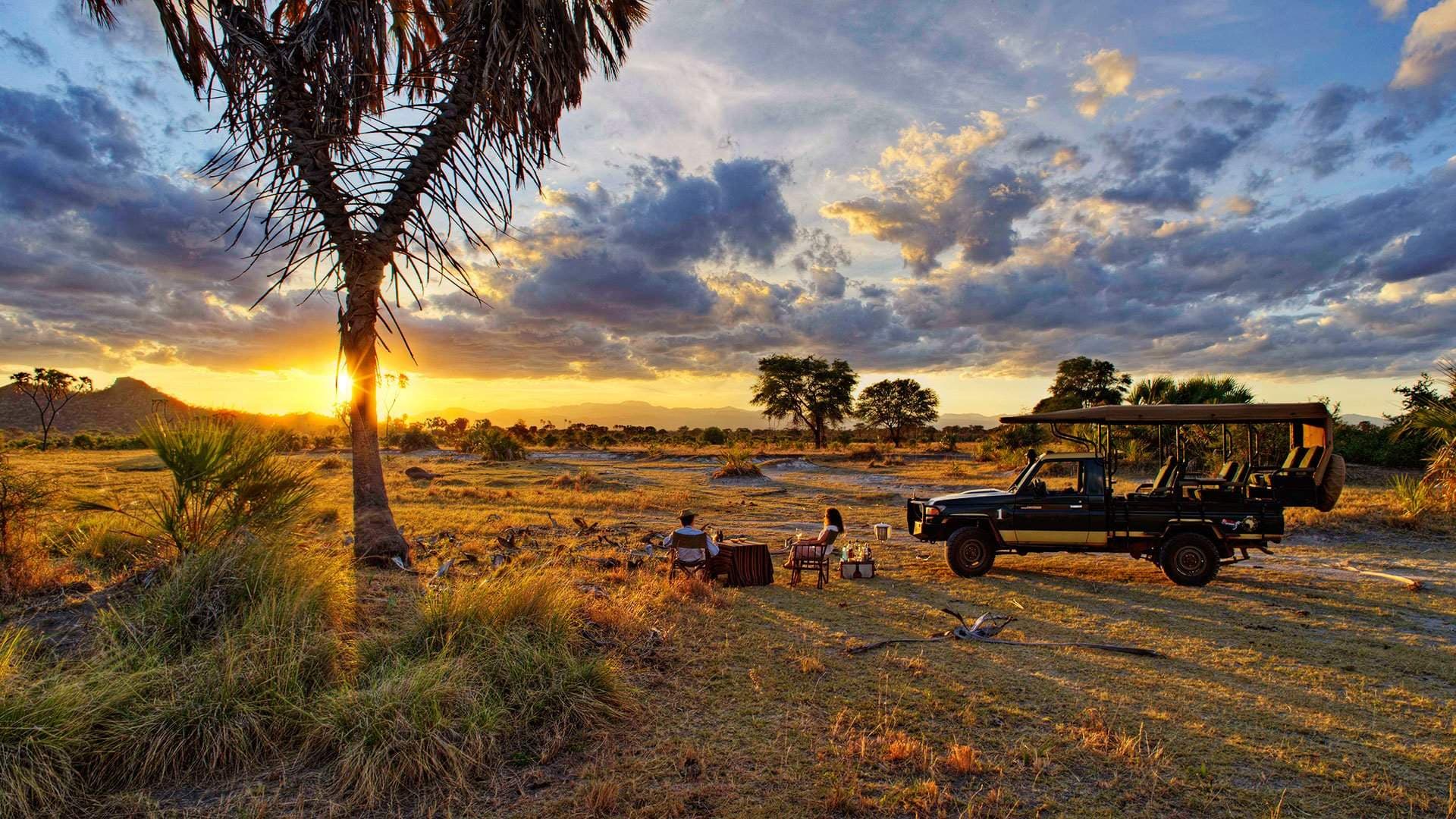
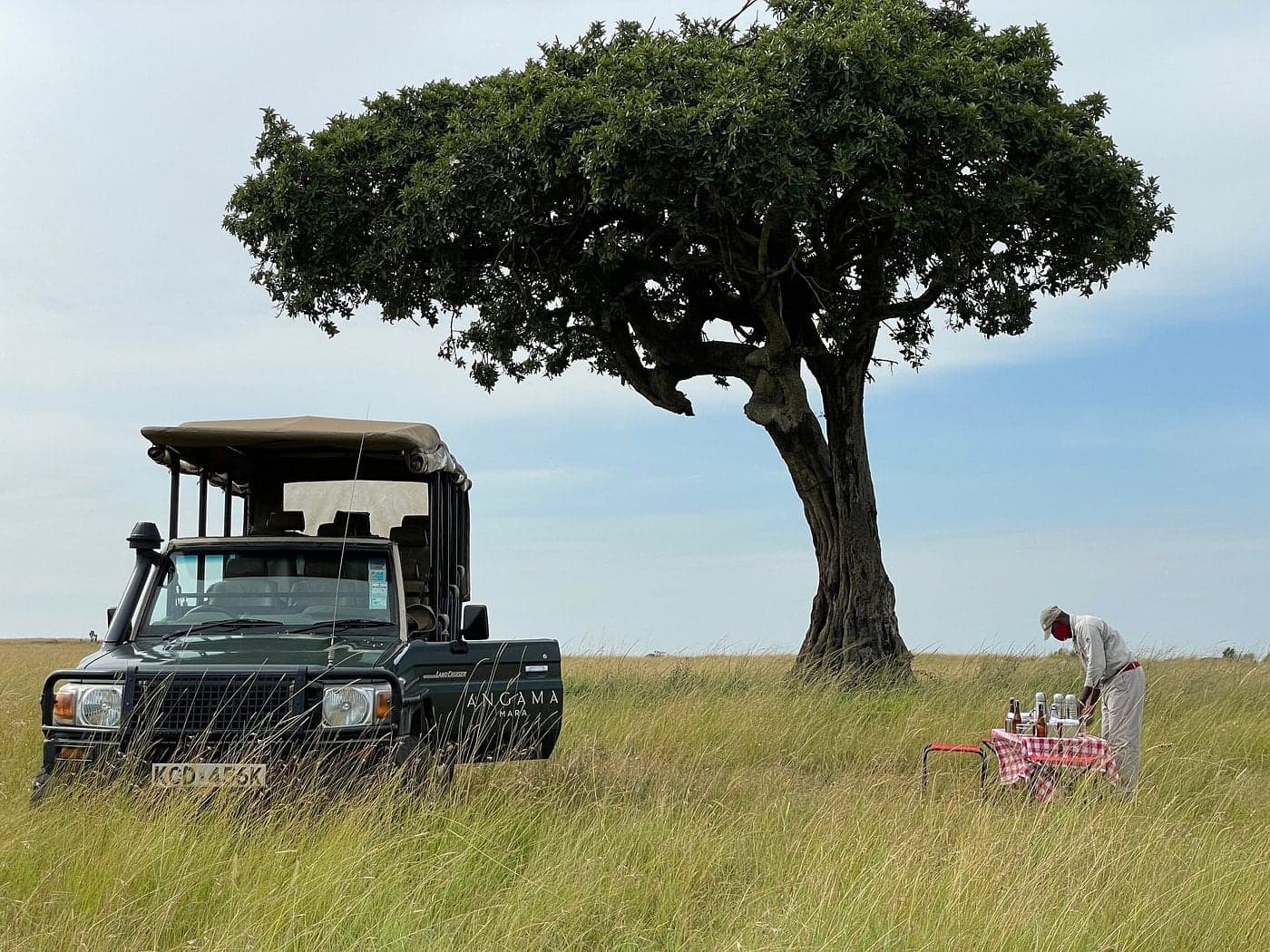
Best pacing: dawn game drive, late breakfast, lodge rest, a hosted late-afternoon cultural visit, then sundowners if you are staying in a conservancy.
Best base: private conservancies such as Naboisho, Olare Motorogi or Mara North if you want lower vehicle density and guided off-reserve context.
Best fit: travellers booking Masai Mara safaris who want both predator viewing and honest land-use interpretation.
Samburu and Laikipia: northern pastoralist culture
A Samburu cultural safari feels different from the Mara. North of Mount Kenya, the light is harder, the country drier, the Ewaso Ng’iro River more central, and the wildlife more visibly adapted to arid-land ecology. Samburu beadwork, age-set identity, singing, livestock traditions and clan relationships give the region its own intellectual weight.
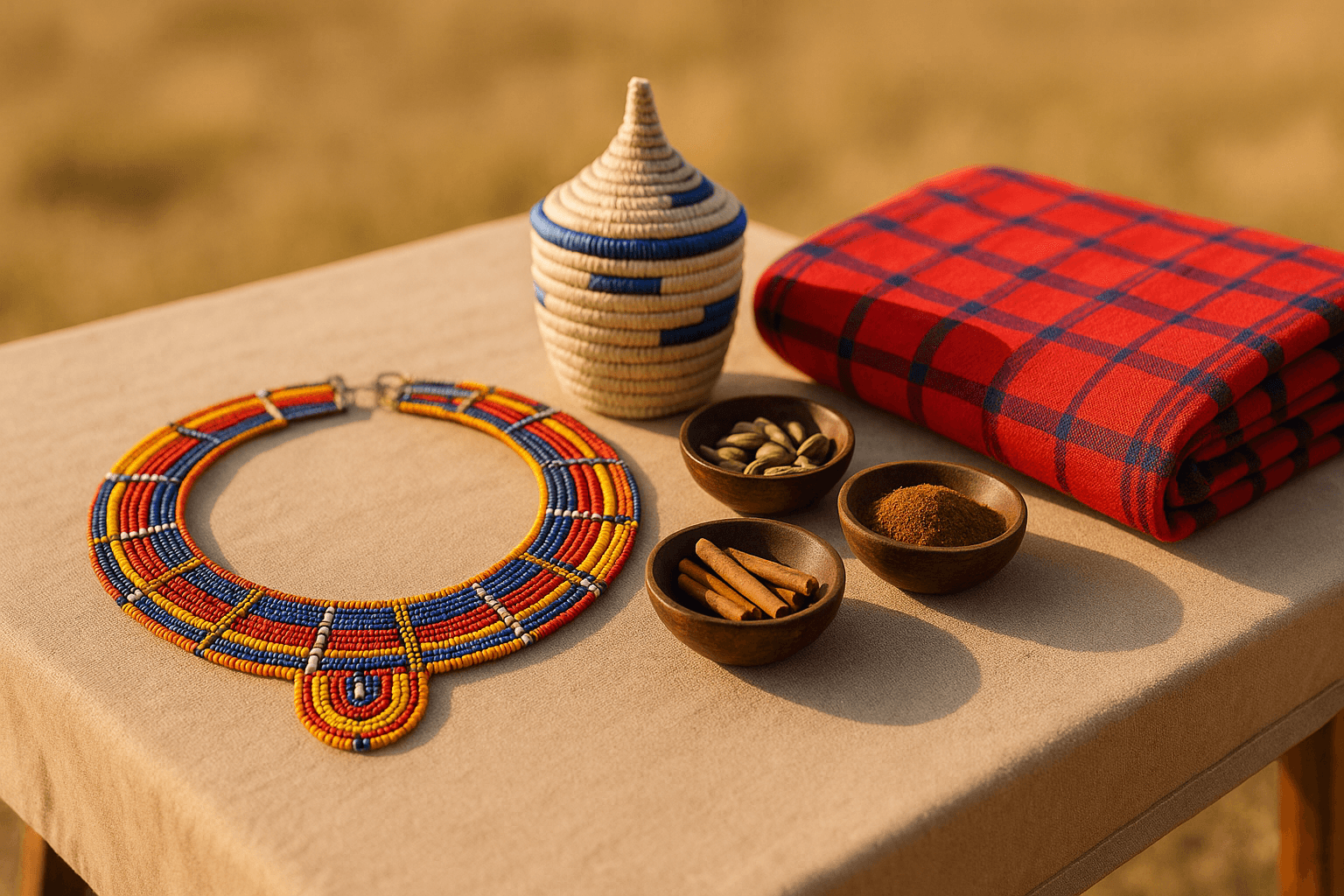
Samburu beadwork and crimson textiles bring vivid colour to the quiet doum palm riverbanks of northern Kenya’s Ewaso Ng’iro.
In and around Samburu National Reserve, cultural context helps guests understand why Grevy’s zebra, reticulated giraffe, gerenuk and elephants move through community lands beyond the reserve boundary. The “Samburu Special Five” are not merely a sightings list; they are part of a northern rangeland system shared by people, livestock and wildlife.
Laikipia works particularly well for travellers who want conservation conversations as well as africa big five safari sightings. Lewa community conservation is strong for rhino, Grevy’s zebra and community partnership discussions, while Ol Pejeta Conservancy offers Big Five potential and close-up conservation interpretation, including rhino and chimpanzee sanctuary context.
Amboseli, Chyulu and Kilimanjaro-border culture
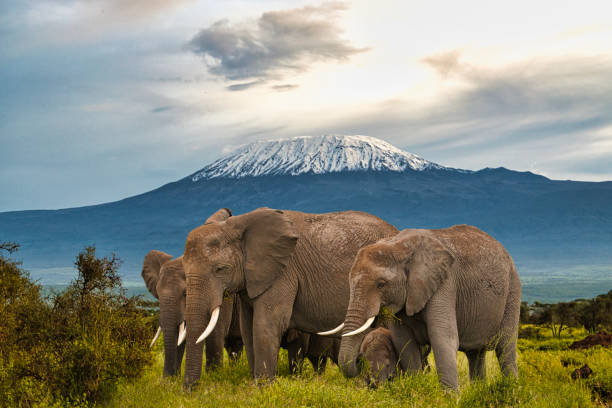
Amboseli National Park Mt Kilimanjaro views are the visual hook: elephants crossing pale dust under Africa’s most famous mountain. Yet the deeper story sits outside the park fence, where Maasai pastoral lands, group ranch history and wildlife corridors sustain the ecosystem far beyond the postcard view.
Camp Top
KE
Satao Elerai Camp
Eco-Luxury Living on a Private Conservancy Under the Shadow of Kilimanjaro
Amboseli National Park
Eco-Friendly
Lounge & Viewing Deck AreasWi‑Fi in Public AreasOutdoor Swimming Pool+1
Experience the beauty of Amboseli National Park, one of Kenya's most famous safari destinations, renowned for its large herds of free-roaming elephants and breathtaking views of Mount Kilimanjaro, Africa's highest peak. Located in southern Kenya near the Tanzania border, Amboseli offers exceptional wildlife viewing, diverse habitats, and unforgettable photographic opportunities. From thrilling game drives and birdwatching adventures to cultural encounters with the Maasai community, Amboseli National Park delivers an authentic African safari experience surrounded by stunning landscapes and abundant wildlife.
Amboseli National Park covers about 392 km² at the core of an 8,000 km² ecosystem influenced by Kilimanjaro hydrology. The springs and swamps that make dry-season elephant viewing so dependable are part of a wider landscape of water, grazing and movement across the Kenya–Tanzania border.
For Amboseli Kilimanjaro views, we protect the best wildlife hours. Early mornings are for elephants, predators and the clearest mountain visibility; cultural visits, beadwork stops and community-guided walks work better after brunch or in the cooler late afternoon outside the park boundary where permitted.
Nairobi cultural stops before the bush
Nairobi is not just a transit point. It gives travellers vocabulary for language, independence history, music, craft, migration, urban food and contemporary Kenyan identity before they interpret rural landscapes from a safari vehicle.
Bomas of Kenya was established in 1971 and stages more than 50 traditional dances from Kenyan ethnic communities. It is particularly useful for jet-lagged families who want an accessible introduction to Kenyan music and homestead architecture without making the first safari day too heavy.
The National Museums of Kenya describes Nairobi National Museum as Kenya’s premier museum for cultural, historical and natural heritage, making it a good first stop for palaeontology, ethnography and biodiversity context. Kazuri Beads, founded in Nairobi in 1975, works with ceramic bead craft, while Kitengela Hot Glass is a recycled-glass studio outside Nairobi that turns scrap glass into hand-blown objects and functional art.
Our practical rule is simple: one focused stop is better than overloading arrival day. After an overnight flight, choose Bomas, the museum, a craft studio or a guided food stop; then sleep well before the bush.
Coastal Swahili heritage after safari
Lamu, Mombasa, Diani and Kisite-Mpunguti add a different layer to africa safaris: coral-stone architecture, dhow culture, taarab-inflected music, spices, seafood, Islamic scholarship, mangroves and ocean wildlife. This is not the same cultural grammar as the savannah, and guests should not treat it as interchangeable.
A carved Swahili doorway opens onto Lamu Old Town’s quiet lanes, where coral stone, white sails and sea-blue light meet.
Lamu Old Town is recognised by UNESCO as the oldest and best-preserved example of Swahili settlement in East Africa, with more than 700 years of continuous habitation and a built environment shaped by African, Arab, Persian, Indian and European influences.
Etiquette changes at the coast. Dress more modestly in old-town lanes, avoid photographing mosque entrances or private doorways without consent, and be especially sensitive around Ramadan, Friday prayers and family spaces. For many travellers, the coast is a refined close to a kenya cultural safari: fewer alarms, warmer water, and a final understanding that Kenya’s identity is both inland and Indian Ocean.
How to choose ethical community visits
Responsible cultural tourism Kenya begins with invitation and control. The host community should know who is coming, when, why, for how long and what fee has been agreed. If those basics are missing, the visit is not ready.
Local invitation: the visit is hosted by an agreed person or group, not improvised by a driver at the roadside.
Transparent fee: payment is clear before arrival, with no awkward collection pressure during the visit.
Small group size: private or small groups allow conversation; large groups often turn homes into stages.
Photography consent: adults and children are asked before photographs, and a “no” is accepted immediately.
No unannounced school visits: schools are learning environments, not safari attractions.
Interpretation: a guide explains context, translates accurately and prevents intrusive questioning.
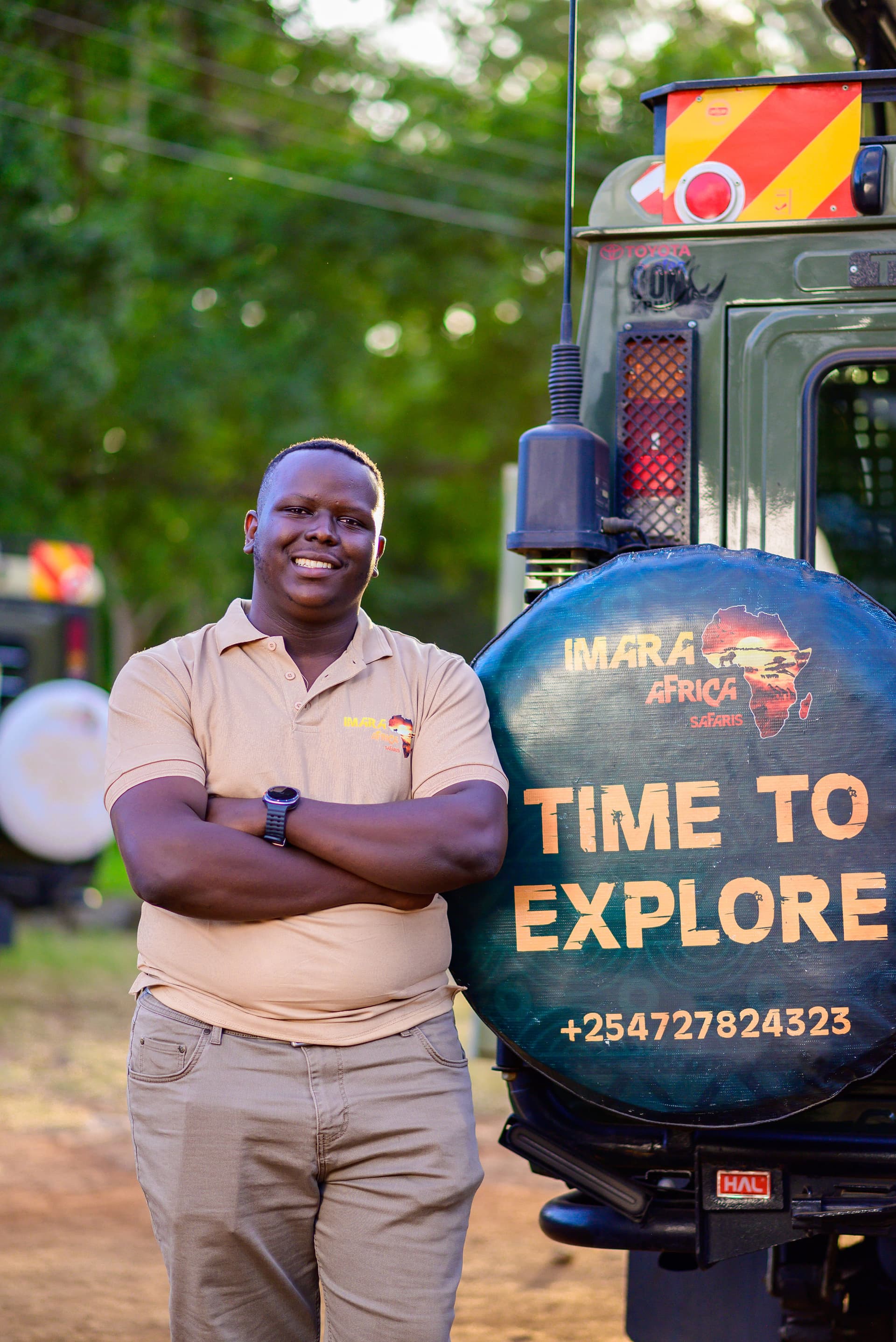
Be cautious with visits sold only as cheap add-ons. If the host community has little control over timing, pricing or interpretation, the guest experience is usually thin and the local experience can be extractive. Imara Africa Safaris works through guides and lodge partners who already have relationships on the ground, and we would rather skip a visit than arrange one badly.
Responsible etiquette: what our guides brief before arrival
Our guides brief guests before every community visit because respect is easier when people know what to expect. Greetings matter; in many settings, a calm handshake, a few Maa, Samburu or Swahili words, and waiting to be invited into a space will set the tone better than a camera raised too quickly.
A Kenyan guide sets the tone for a respectful community visit as guests listen with notebooks and lowered cameras.
1
Arrive as a guest, not an inspector
Let the host and guide lead the introduction. Listen first, then ask questions once the rhythm of the visit is clear.
2
Ask before every photograph
Consent is specific: permission for a group welcome does not automatically include portraits, children, doorways, livestock or private interiors.
3
Dress for respect and heat
Choose light, modest clothing, practical shoes and sun protection; avoid clothing that feels like costume or parody.
4
Keep money transparent
Confirm the visit fee through your guide, buy directly from makers where possible and avoid handing cash randomly to children.
5
Bargain with dignity
In markets, negotiation is normal, but the aim is a fair price, not a victory over the maker.
6
Accept that some things are private
Ceremonies, prayers, family disputes, illness, sacred spaces and school time are not safari content unless hosts explicitly invite observation.
Dress neatly and practically: shoulders covered, neutral colours, comfortable shoes and no overly revealing resort wear in homesteads or markets.
Ask before photographing people, children, livestock, interiors, beadwork or ceremonial items.
Listen before questioning; avoid turning a visit into an interrogation about private family matters.
Do not enter sacred, sleeping, cooking or livestock spaces unless invited.
Ask before touching beadwork, gourds, spears, household objects or animals.
Bargain respectfully at markets, but do not grind down the maker for a token saving after a luxury game drive.
For craft purchases, our guide to African safari souvenirs explains why provenance, maker payment and suitcase practicality matter. Families should also prepare children not to hand out sweets, money or pens randomly; generosity is better channelled through agreed community projects or purchases.
Costs, tips and affordable safari choices in 2026
A kenya cultural safari is shaped by park fees, guide time, vehicle routing, community fees, private conservancy levies and accommodation level. The cultural component is rarely the most expensive line item, but it needs proper budgeting because underpaying hosts damages trust and weakens the visit.
USD 100/day
Masai Mara non-resident adult reserve fee through 30 June 2026.
USD 200/day
Masai Mara non-resident adult reserve fee from 1 July to 31 December 2026.
USD 25–40
Typical locally arranged Maasai village-visit range quoted in 2026 travel guidance; actual host fees vary by location and structure.
60–90 min
Practical minimum for a respectful hosted community visit, allowing introductions, questions and unhurried departure.
Cost factor
What changes the price
Practical guidance
Masai Mara reserve fees
Season and residency category
Non-resident adults are listed at USD 100 per day to 30 June 2026 and USD 200 per day from 1 July to 31 December 2026.
Community-hosted visit
Host fee, guide interpretation, group size and distance from camp
Budget from USD 30–80 pp for many hosted visits; private specialist interpretation can cost more.
Private vehicle
Exclusive use, routing freedom and guide seniority
Worth considering if culture, photography and unhurried wildlife are all priorities.
Conservancy stay
Conservancy levies, lower bed density and activity variety
Often better value for guests who want walking, night drives, off-road rules where allowed and community context.
Nairobi cultural day
Museum tickets, transfers, guide time and craft stops
Budget from USD 80–180 pp privately, depending on transport and how many stops you include.
An affordable safari can still include culture. The saving usually comes from fewer one-night jumps, carefully chosen mid-range camps, sensible domestic-flight use and one meaningful cultural experience rather than several token stops. An affordable african safari should never mean underpaying hosts; fair value protects dignity and improves the guest experience.
How to build culture into popular safari routes
Classic africa kenya safaris can be designed with cultural depth from the start. Nairobi to Amboseli works well for museum or craft context, elephants and Maasai land-use discussions. Amboseli to Lake Naivasha or Nakuru adds Rift Valley ecology and market-town life, then the Masai Mara brings predator viewing, migration-season drama and Maasai conservancy context.
Route
Minimum days
Cultural layer
Wildlife layer
2026 planning note
Nairobi + Masai Mara
4–5 days
Bomas, craft studio or Maasai-hosted visit
Lion, cheetah, leopard, elephant, buffalo and seasonal wildebeest movement
Book early from late June for July to October demand.
Amboseli + Masai Mara
6–7 days
Maasai pastoral-land context in both ecosystems
Elephants with Kilimanjaro views plus Mara predator country
Use mornings for wildlife and place cultural visits after brunch.
Samburu + Laikipia + Mara
8–10 days
Samburu beadwork, conservancy talk, Maasai community visit
Northern specialists, rhino conservation and africa the big five in the Mara
Best for repeat safari travellers and photographers.
Nairobi + Amboseli + Tsavo + Coast
8–11 days
Nairobi heritage, Maasai context, Swahili coast food and architecture
Elephants, plains game, big cats and marine extension possibilities
Good for travellers wanting safari plus culture without only focusing on the Mara.
Grand East Africa route
10–12 days
Kenya cultural stops plus Tanzania, Rwanda or Uganda context
Mara or Serengeti, Ngorongoro, gorillas or primates depending on route
Works best with a specialist operator managing border logistics.
Sample ways to add culture without weakening wildlife time.
Featured Mid Range
KE
Safari
Kenya · Masai Mara National Reserve
8Days
Mid range 8 Days Kenya Safari – Amboseli, Lake Naivasha, Lake Nakuru & Masai Mara
Masai Mara National ReserveNakuru CityNairobi City+1
A northern route from Nairobi to Laikipia and Samburu is excellent for travellers who want conservation governance, rhino protection, Samburu culture and dry-country wildlife before flying or driving to the Mara. This is often better than trying to bolt every cultural option onto one short itinerary.
Our 8-Day Kenya Big Five can be adapted for travellers targeting africa the big five, africa the big 5 or a classic africa big five safari while still including Maasai, Samburu or craft encounters. If you want broader East African context, an East African luxury safari operator can extend the route into Tanzania’s Serengeti or Ngorongoro, Uganda’s Bwindi Impenetrable Forest, or Rwanda’s Volcanoes National Park.
Who each experience suits
Families usually do best with tactile, short and well-framed experiences: beadwork, cooking, music, a gentle homestead visit or a market walk with clear safety and hygiene judgement. Our Kenya family safari can include culture without exhausting children between early starts.
Mid Range
KE
Family Safari
Kenya · Tsavo East National Park
10Days
10-Day Kenya Family Safari Adventure
Tsavo East National ParkNairobi CityAmboseli National Park+1
Photographers often prefer craft detail, hands at work, landscapes, cattle movement and portraits only when consent is explicit. Honeymooners may prefer private guided walks, conservation talks and low-key sundowners over group performances. Advanced safari travellers often ask the best questions: how lease payments work, who owns the land, how grazing is negotiated, and what happens when predators kill livestock.
For guests who have already taken several africa safaris, cultural depth can make Kenya feel new again. The wildlife remains spectacular, but the interpretive centre of gravity shifts from “what did we see?” to “why does this landscape still function?”
How Imara Africa Safaris designs a respectful kenya cultural safari
At Imara Africa Safaris, we start by asking what you want to learn. Some guests want Maasai beadwork and homestead architecture; others want conservancy finance, Swahili coastal history, Nairobi food culture or a serious Samburu cultural safari with northern wildlife. We then match the route to communities, hosts, guide strengths, season and lodge relationships.
We may advise skipping a visit if timing, weather, privacy, road conditions or local circumstances make it inappropriate. That is not a failure of planning; it is part of responsible travel. The best kenya cultural safari balances wildlife ambition, cultural intelligence and comfortable logistics without treating people as attractions.
If you found us while searching for imara africa safaris, africa safari expertise or an affordable safari with substance, speak with our Nairobi team. We will design a kenya cultural safari that pairs the Masai Mara, Amboseli, Samburu, Laikipia or the coast with encounters that feel invited, useful and unhurried.
The best experience is usually a community-approved hosted visit or conservancy conversation that explains land, livestock, wildlife revenue and daily life. In Nairobi, Bomas of Kenya or the National Museums of Kenya can add useful context before the bush.
Yes, a safari in the Masai Mara pairs very well with a Maasai-hosted visit, market stop or conservancy briefing. We normally keep dawn and late afternoon for wildlife, then schedule culture in a way that does not compromise key game-viewing hours.
It can be ethical when the visit is invited, fairly paid, small-scale, well interpreted and based on consent for photography. Avoid unplanned or very cheap visits where the host community has little control over timing or payment.
Allow two to three hours for a meaningful homestead, craft or market visit, plus travel time from camp. One well-hosted afternoon is usually better than several rushed stops.
Yes, an affordable African safari can include culture if the route is efficient and the visit is properly budgeted. Save money through sensible routing and mid-range camps, not by underpaying community hosts.
Wear modest, practical clothing, comfortable shoes and neutral colours; bring water, small notes for agreed purchases, and a camera used only with consent. Do not bring sweets, pens or random gifts for children unless your guide has arranged an appropriate community channel.
Design a Kenya safari with wildlife and culture in balance
Tell us your dates, interests and comfort level. We will pair Big Five game drives with respectful, locally hosted cultural experiences that fit the season and route.
16 June 2026: Kenya is moving from long-rains greenery toward the drier safari season.
Mara peak demand
July to October is the classic high-demand Masai Mara period, so private guides and cultural hosts should be confirmed early.
2026 Mara reserve fee
USD 100 per non-resident adult per day until 30 June; USD 200 from 1 July to 31 December.
Kenya eTA
Most visitors need an approved eTA before travel; standard applications are processed within 3 working days.
eTA validity
The Kenya eTA is valid for travel within 90 days from its issue date.
Best daily rhythm
Use dawn and dusk for wildlife, then place cultural visits in the late morning or cooler late afternoon.
57views
Share
About the author
Lewis Munuhe
Founder & Director
<p>Lewis Munuhe is the Director and Owner of Imara Africa Safaris, a trusted safari company dedicated to creating tailor-made African safari experiences across Kenya, Tanzania, Uganda, and Rwanda. With a strong passion for African travel, wildlife, culture, and conservation, Lewis leads the company’s vision of delivering personalized, seamless, and unforgettable safari journeys for travelers from around the world.</p><p>Through Imara Africa Safaris, Lewis helps guests discover East Africa’s most iconic destinations, from the Masai Mara and Serengeti to Uganda and Rwanda’s gorilla trekking regions. His approach focuses on understanding each traveler’s interests, comfort level, budget, and expectations, then transforming those details into carefully curated safari itineraries that feel personal, meaningful, and well-planned.</p><p>As Director and Owner, Lewis is committed to maintaining high standards in safari planning, guest care, destination expertise, and responsible tourism. Whether arranging a luxury wildlife safari, honeymoon escape, family adventure, cultural journey, gorilla trekking safari, or multi-country East African itinerary, he ensures every experience reflects the quality, authenticity, and attention to detail that define Imara Africa Safaris.</p><p>Under his leadership, Imara Africa Safaris continues to help travelers experience the beauty of Africa through expertly planned safaris that celebrate wildlife, landscapes, local cultures, conservation, and unforgettable adventure.</p>
<p>Lewis Munuhe is the Director and Owner of Imara Africa Safaris, a trusted safari company dedicated to creating tailor-made African safari experiences across Kenya, Tanzania, Uganda, and Rwanda. With a strong passion for African travel, wildlife, culture, and conservation, Lewis leads the company’s vision of delivering personalized, seamless, and unforgettable safari journeys for travelers from around the world.</p><p>Through Imara Africa Safaris, Lewis helps guests discover East Africa’s most iconic destinations, from the Masai Mara and Serengeti to Uganda and Rwanda’s gorilla trekking regions. His approach focuses on understanding each traveler’s interests, comfort level, budget, and expectations, then transforming those details into carefully curated safari itineraries that feel personal, meaningful, and well-planned.</p><p>As Director and Owner, Lewis is committed to maintaining high standards in safari planning, guest care, destination expertise, and responsible tourism. Whether arranging a luxury wildlife safari, honeymoon escape, family adventure, cultural journey, gorilla trekking safari, or multi-country East African itinerary, he ensures every experience reflects the quality, authenticity, and attention to detail that define Imara Africa Safaris.</p><p>Under his leadership, Imara Africa Safaris continues to help travelers experience the beauty of Africa through expertly planned safaris that celebrate wildlife, landscapes, local cultures, conservation, and unforgettable adventure.</p>
<p>Lewis Munuhe is the Director and Owner of Imara Africa Safaris, a trusted safari company dedicated to creating tailor-made African safari experiences across Kenya, Tanzania, Uganda, and Rwanda. With a strong passion for African travel, wildlife, culture, and conservation, Lewis leads the company’s vision of delivering personalized, seamless, and unforgettable safari journeys for travelers from around the world.</p><p>Through Imara Africa Safaris, Lewis helps guests discover East Africa’s most iconic destinations, from the Masai Mara and Serengeti to Uganda and Rwanda’s gorilla trekking regions. His approach focuses on understanding each traveler’s interests, comfort level, budget, and expectations, then transforming those details into carefully curated safari itineraries that feel personal, meaningful, and well-planned.</p><p>As Director and Owner, Lewis is committed to maintaining high standards in safari planning, guest care, destination expertise, and responsible tourism. Whether arranging a luxury wildlife safari, honeymoon escape, family adventure, cultural journey, gorilla trekking safari, or multi-country East African itinerary, he ensures every experience reflects the quality, authenticity, and attention to detail that define Imara Africa Safaris.</p><p>Under his leadership, Imara Africa Safaris continues to help travelers experience the beauty of Africa through expertly planned safaris that celebrate wildlife, landscapes, local cultures, conservation, and unforgettable adventure.</p>






Comments
Loading…