
East African Luxury Safari Operator: Complete Guide
Our guide to choosing an east african luxury safari operator in 2026 covers Kenya, Tanzania, Uganda and Rwanda, with seasons, lodges, costs and route logic.
25 min read41viewsUpdated Sep 28, 2026
“Imara” means strong in Swahili. We build every safari with that same strength — expert knowledge, honest pricing, and relentless attention to detail.
Tell us what you're looking for — we reply within minutes and send a free, no-obligation custom itinerary within 24 hours.
Start PlanningNo spam, ever. Unsubscribe anytime.
Protected by Cloudflare Turnstile & Google reCAPTCHA. Privacy & Terms apply.
Safari deals, travel tips & destination guides — straight to your inbox.
No spam, ever. Unsubscribe anytime.
Protected by Cloudflare Turnstile & Google reCAPTCHA. Privacy & Terms apply.
Our guide to choosing an east african luxury safari operator in 2026 covers Kenya, Tanzania, Uganda and Rwanda, with seasons, lodges, costs and route logic.
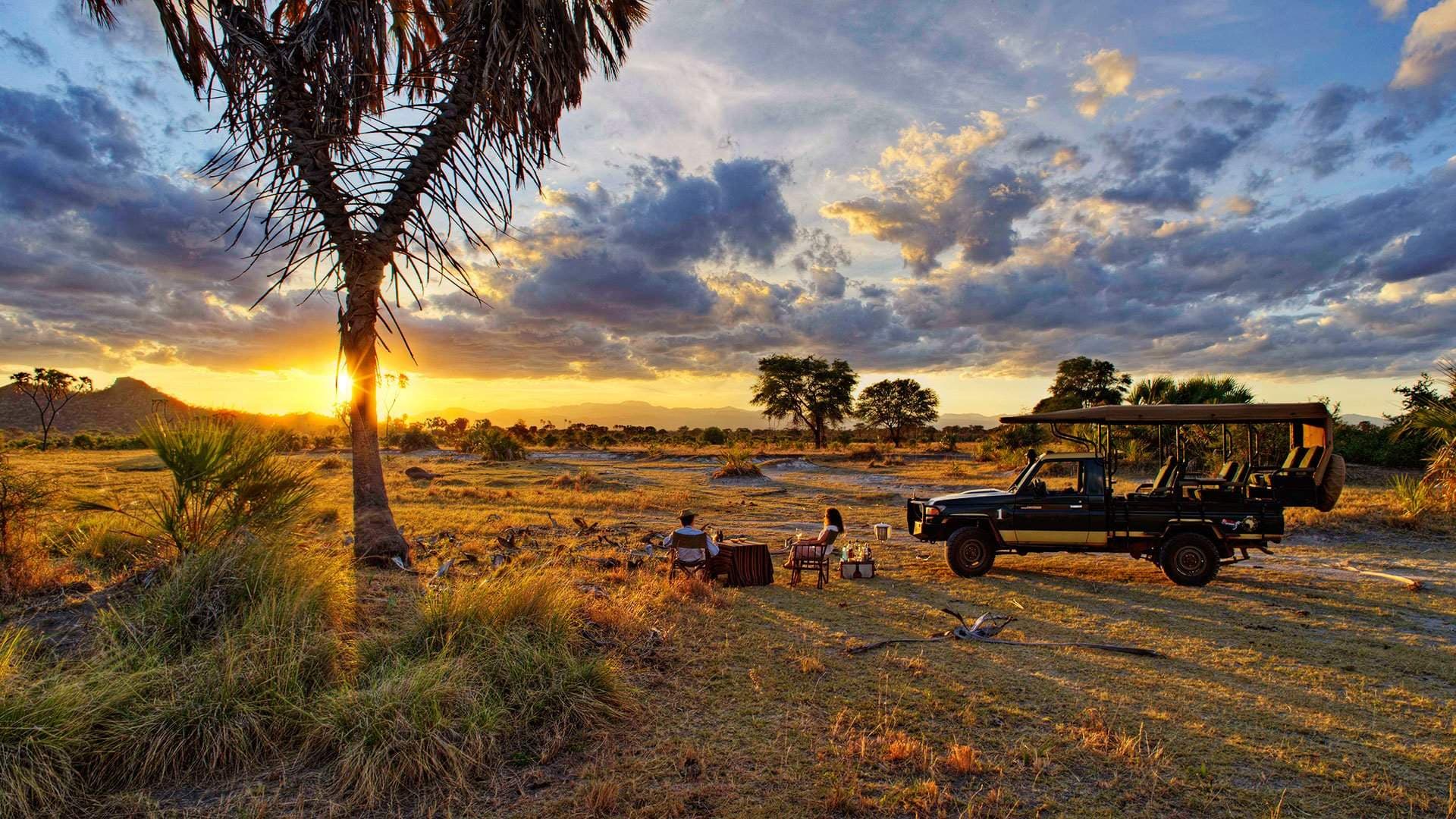
A genuinely local east african luxury safari operator does more than book attractive camps. From Nairobi, we read the region as one living system: Laikipia’s private conservancies, Amboseli’s elephant corridors, the Masai Mara National Reserve, Serengeti National Park, Ngorongoro Crater, Bwindi Impenetrable Forest and Volcanoes National Park all respond differently to rain, grass, road conditions and flight schedules.
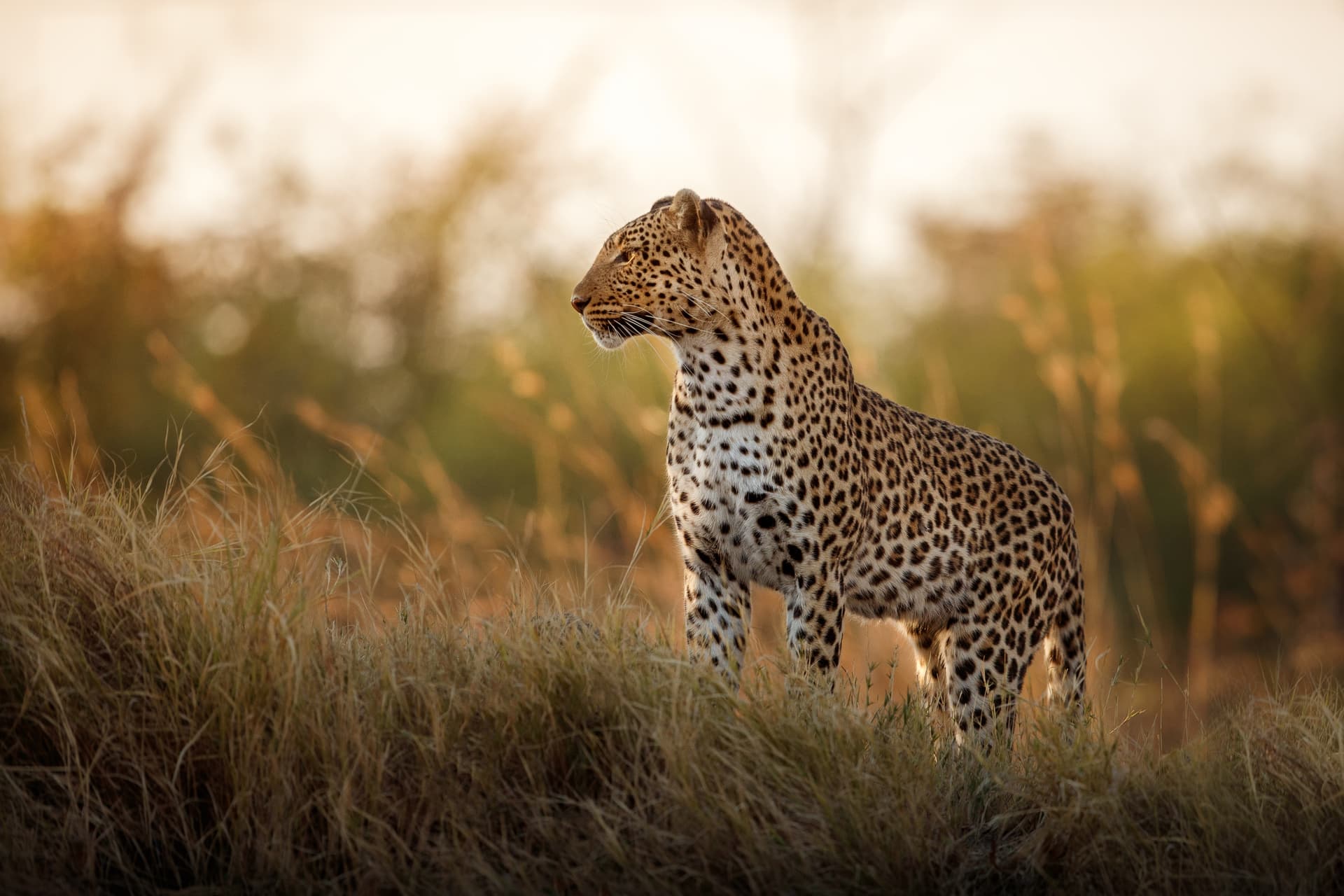
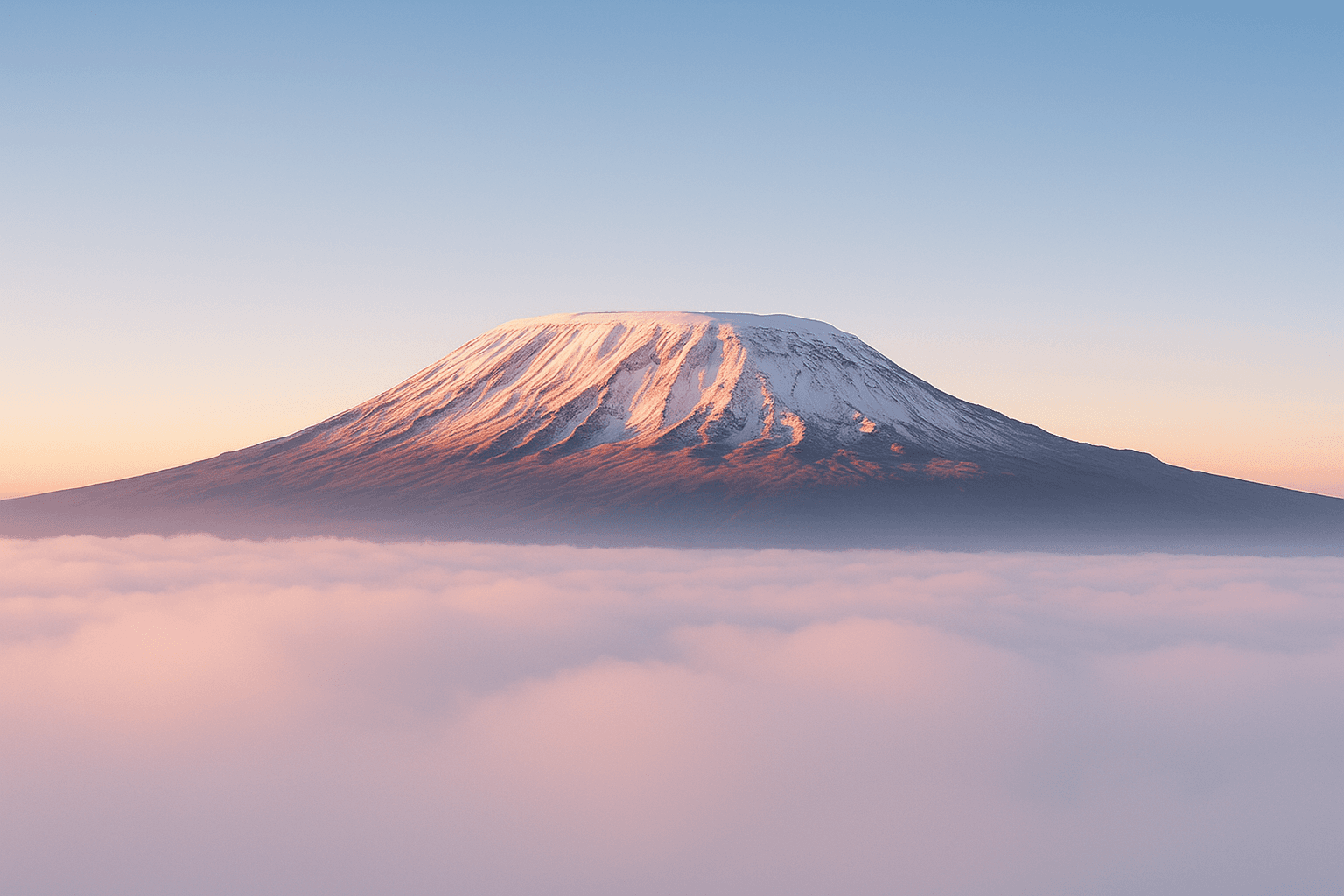
What local planning adds is judgement. Overseas desks may know lodge brands; our guides know when a leopard near Talek has cubs, when Amboseli’s dust gives way to clearer Amboseli Kilimanjaro views, and when a “migration camp” is technically open but not yet in the right place for your dates.
Kenya, Tanzania, Uganda and Rwanda work best when designed as a connected region rather than four separate holidays. Nairobi, Arusha, Kilimanjaro, Kigali and Entebbe can be sequenced to reduce backtracking, protect your best wildlife hours and keep permit dates realistic. That matters particularly for families, photographers, honeymooners and travellers adding gorilla trekking to a classic Africa safari.
Premium price is not the same as genuine safari value. A costly room outside the wildlife zone can be weaker than a simpler tent in a conservancy with superb guiding. In our view, value comes from the right guide, the right location and the right season before thread count, plunge pools or imported wine lists.
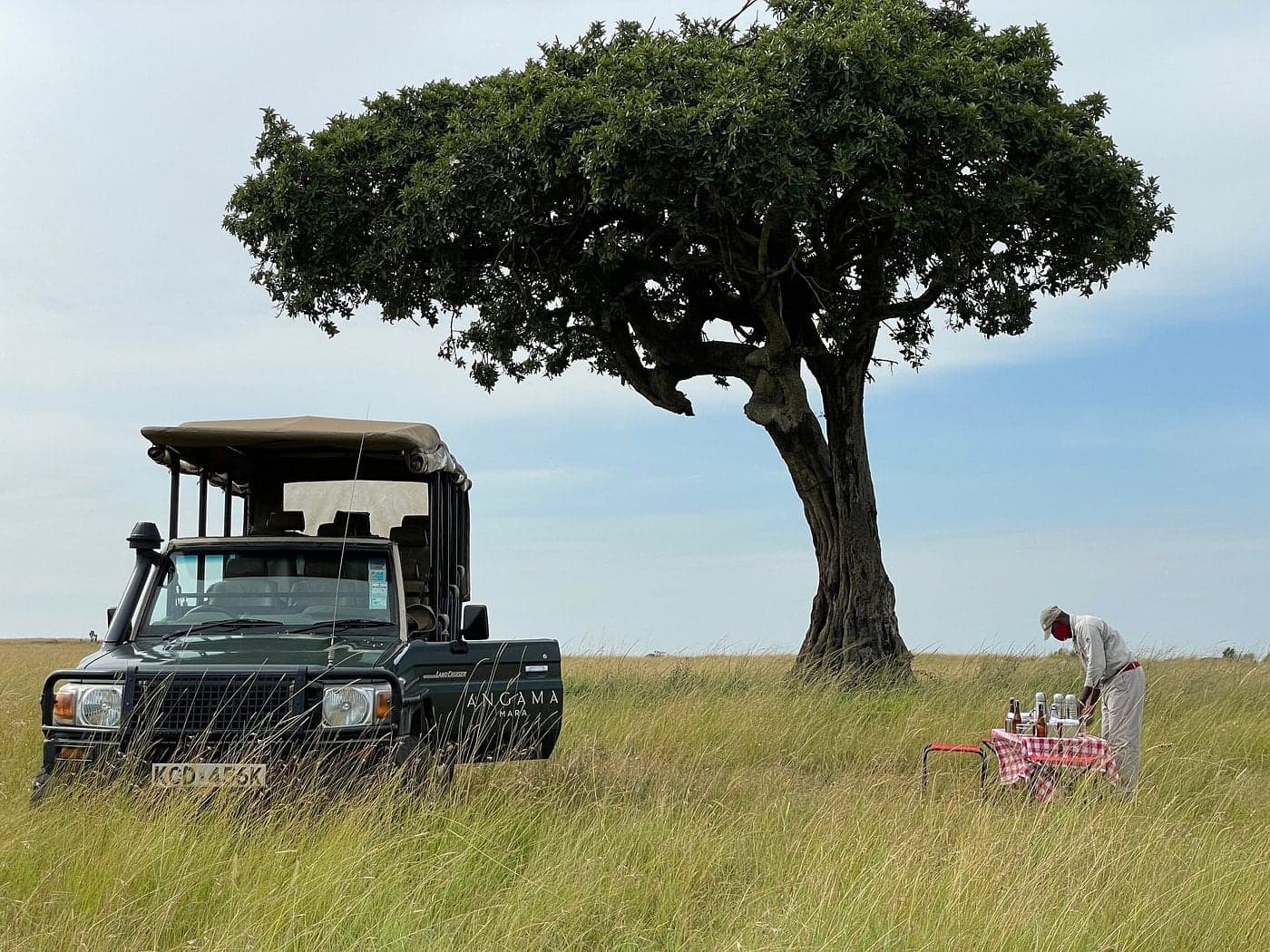
Luxury on East Africa safaris is not formality; it is freedom. It is a private vehicle that can stay with a relaxed cheetah until she begins to hunt. It is leaving camp before sunrise with proper coffee, blankets and a guide who is not rushing back because another group wants breakfast.
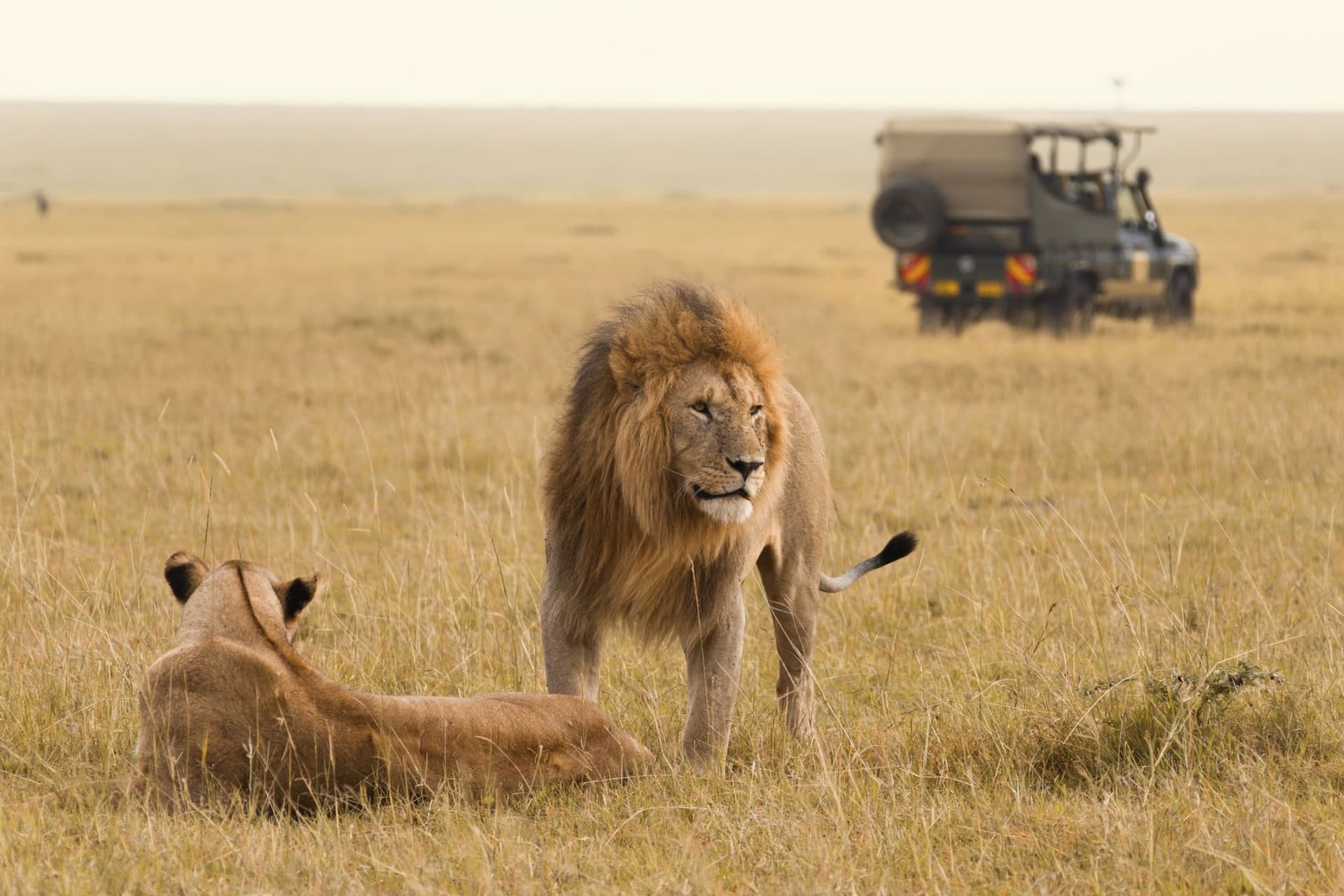
Private guiding changes the entire rhythm of safaris. You can pause for bee-eaters, wait for a lion pride to stir, or spend an hour interpreting elephant behaviour rather than ticking off a sighting and moving on. For expert travellers, this is where a premium safari becomes educational rather than merely comfortable.
Location quality is the first filter. We prioritise camps inside reserves, in private conservancies, beside seasonal migration corridors or in quieter wildlife zones where game drives are productive without becoming crowded. In the Masai Mara, this may mean combining the core reserve with a Mara conservancy. In Tanzania, it may mean splitting Serengeti nights between central, western and northern sectors according to month.
The smaller details protect energy in the bush: short transfers where possible, sensible laundry access, well-timed meals, reliable charging points, quiet rooms, hot water that works, and staff who understand that a 05:30 start needs preparation the night before. Ethical luxury also means fair local partnerships, properly paid guides, low-impact camp operations and honest inclusion of park and conservancy fees.
Kenya safaris are the strongest starting point for first-time travellers wanting efficient Big Five density, varied landscapes and excellent flight access. The Masai Mara remains Kenya’s predator capital; Amboseli National Park is superb for elephant photography beneath Kilimanjaro; Laikipia and Ol Pejeta add rhino conservation, private guiding and walking; Samburu brings dry-country species such as gerenuk, Grevy’s zebra and reticulated giraffe.
Use this as a strategic planning table, not a rigid ranking.
 KE+2
KE+2Kenya · Nakuru City
Tanzania safaris give scale. Serengeti National Park covers 14,763 km² and was established as Tanzania’s first national park in 1951. That size allows the migration to be followed through several habitats, while Ngorongoro Crater delivers intense wildlife viewing in a compact volcanic caldera. Tarangire is excellent for elephants and baobabs, and Zanzibar works well after a dusty northern-circuit safari.
Uganda safaris are ideal for travellers who want primates and ecological variety. Bwindi Impenetrable Forest offers mountain gorillas; Kibale is one of Africa’s finest chimpanzee forests; Queen Elizabeth National Park adds savannah, crater lakes and the Kazinga Channel; Murchison Falls brings the Nile and big landscapes.
Rwanda safaris suit short, polished primate extensions. Kigali is efficient, roads are good, and Volcanoes National Park can be reached in roughly half a day by road. Rwanda is particularly strong for travellers who want a premium gorilla experience without a long internal flight or a complex overland route.
From mid-June, the long dry season begins to sharpen wildlife viewing across much of Kenya and northern Tanzania. Grass lowers, permanent water becomes more important, and predators often conserve energy during the heat before becoming active in the cooler edges of the day.
At a glance
For June 2026, we would look first to the western Serengeti and Grumeti River zone, while keeping an eye on early movement towards the northern Serengeti if rainfall has pulled the herds ahead. Magical Tanzania’s June guidance notes the first wildebeest beginning Grumeti River crossings in the Western Corridor, which is why we prefer flexible Serengeti routing rather than a fixed “one camp fits all” migration promise.
July to October space should be confirmed early, especially for top Masai Mara camps, private guides, family tents and fly-in seats. Masai Mara National Reserve’s core reserve is about 1,510 km² and lies roughly 230 km from Nairobi, but the best-positioned beds during migration season are finite.
June can be a smart value month for travellers who do not need peak Mara River crossings. You can often combine strong resident wildlife, lower vehicle density than August, clearer dry-season light and more attractive lodge availability. For photographers, the first dry weeks can be especially rewarding in Amboseli, Laikipia and the Serengeti’s western corridor.
Choose a Masai Mara safari if you want concentrated predator viewing, excellent guiding infrastructure, short flights from Nairobi and the option to combine the reserve with private conservancies. A safari in the Masai Mara is especially strong from July to October, but resident lions, leopards, cheetahs, elephants, buffalo and plains game make it rewarding in many other months too.
 TZ
TZTanzania · Serengeti National Park
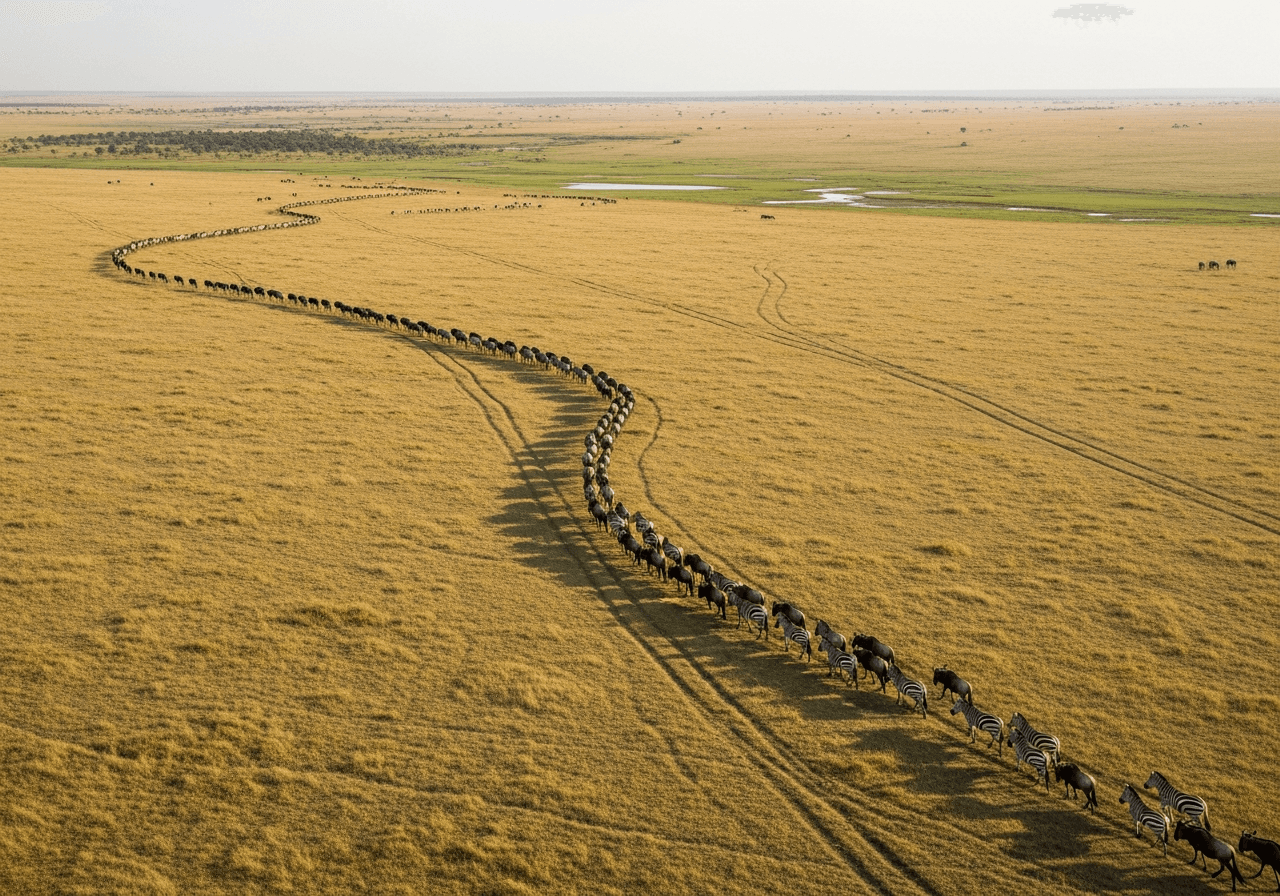
Choose Serengeti National Park if you want scale, longer wilderness immersion and a migration strategy that can shift between Ndutu, central Serengeti, the Western Corridor and the north. The Great Migration is not a fixed-date event; it is a moving ecosystem governed by rain, grass, breeding cycles, pressure from predators and the rivers that interrupt the herds.
Conservancies change the experience. Around the Masai Mara, private conservancies can allow night drives, guided walks, controlled vehicle numbers and off-road access under strict rules. They are not a replacement for the core reserve during peak crossings, but they can make the overall safari quieter, more flexible and more intimate.
The Mara River and Grumeti River deserve careful expectation-setting. Crossings are never scheduled. You may wait for hours while wildebeest gather, retreat, mill about and decide not to cross at all. Our guides read herd pressure, crocodile positions, light, dust and vehicle build-up; they do not chase chaos for the sake of a dramatic photograph.
“Our guide rule is simple: never sell a river crossing as an appointment. Sell the ecosystem, then let the crossing be the privilege if nature grants it.”
The real members of africa the big five are lion, leopard, elephant, buffalo and rhinoceros. The phrase came from old hunting terminology, but on a modern Africa big five safari it should be reframed around observation, conservation and habitat knowledge rather than conquest.
 KE
KEKenya · Masai Mara National Reserve
Africa the big 5 sightings depend on habitat, time of day and guide judgement. Lions may be obvious after a night of hunting, then disappear into croton thickets by mid-morning. Leopards demand patience around riverine woodland and sausage trees. Elephants need respectful distance, especially around calves. Buffalo are often underestimated until a guide explains herd structure and mood. Rhinos require areas where conservation protection is strong.
For Kenya, our most reliable africa big five safari logic links Masai Mara predators with Lake Nakuru or Ol Pejeta rhino habitat, then Amboseli for elephants and landscape photography. The Kenya Big Five Safari is a strong blueprint for travellers who want Africa Kenya safaris with realistic pacing rather than a rushed checklist.
Balance matters. Some of the finest safari moments are not Big Five sightings: a secretary bird stamping through grass, hyena cubs outside a den, wildebeest calves learning to run, or a storm building behind Kilimanjaro. Our guides will help you collect the famous sightings, but they will also slow down for the behaviour that makes Africa safaris memorable.
Bwindi Impenetrable Forest is best for immersive forest trekking and strong safari combinations. A Uganda route can pair Bwindi gorilla trekking with chimpanzees in Kibale, tree-climbing lions in Queen Elizabeth National Park and classic savannah game drives before or after Kenya and Tanzania.
 RW
RWRwanda · Volcanoes National Park
Volcanoes National Park is best for premium short-stay gorilla trekking from Kigali. The drive is efficient, the lodge portfolio is polished, and the experience works well for travellers who want to add gorillas without extending the trip by a full week.
Permit costs must be clear in writing. Uganda’s UWA tariff for July 2024 to June 2026 lists gorilla tracking at US$800 for foreign non-residents. Rwanda Development Board’s current mountain gorilla tracking permit fee for foreigners is US$1,500. The International Gorilla Conservation Programme reports the global wild mountain gorilla population at 1,063 individuals, which is why permit control, ranger work and visitor discipline matter.
The minimum age for gorilla trekking is generally 15. Porter support is strongly recommended, not only for the climb but because porter fees distribute tourism income into nearby communities. Viewing time with a gorilla family is normally limited to one hour; keep voices low, follow ranger instructions, wear a mask if required, and never push forward for a photograph.
We prioritise position before thread-count luxury. A camp beside a productive lugga, marsh, river line or conservancy boundary can outperform a grander property in a weaker wildlife location. The best lodge is not always the most expensive; it is the one that gives you the right wildlife access at the right time of year.
 KE
KEWhere Wildlife, Comfort, and Adventure Meet
Masai Mara, Kenya
Best Location
Classic lodges suit travellers who want larger facilities, pools, family rooms and predictable service. Tented camps create a closer bush atmosphere without sacrificing comfort. Private villas work well for multi-generational groups needing exclusive vehicles and flexible meals. Mobile migration camps are excellent when the purpose of the safari is to follow seasonal movement rather than stay in one permanent lodge.
Examples help explain the trade-offs. Sarova Mara Game Camp offers a classic, accessible Masai Mara base with broad appeal. Mara Serena has a dramatic escarpment position and sweeping reserve views. Ol Tukai Lodge is well placed for Amboseli elephants and Kilimanjaro backdrops. Satao Elerai Camp, outside Amboseli in a quieter community setting, can suit travellers wanting softer vehicle density and strong mountain views. Bwindi Lodge works for guests who value forest atmosphere and proximity to gorilla trekking logistics.
Pay extra for a view when the view changes your day: Kilimanjaro at sunrise, a Mara valley full of plains game, or forest mist rising before a gorilla trek. Pay for a private concession when you want flexibility. Pay for a better guide almost always.
Park fees, conservancy fees, internal flights and private vehicles drive much of the final cost of safaris. In 2026, Masai Mara non-resident adult fees are listed at US$100 per day from January to June and US$200 per day from July to December, so a peak-season Mara itinerary must be budgeted honestly from the start.
An affordable african safari can still be private and well guided if the route is disciplined. We would rather use fewer locations, carefully chosen road transfers and a modest but well-positioned camp than dilute the safari with one-night stops and weak guiding. Affordable safari planning is not about cutting quality everywhere; it is about protecting the parts that determine wildlife success.
As 2026 planning benchmarks, a private 8-day Kenya safari can start from about $4,250 pp in shoulder season, a more affordable safari with careful road routing from about $2,850 pp, a luxury Kenya and Tanzania combination from about $7,800 pp, and a multi-country safari with gorillas from about $11,500 pp depending on permits, flights and lodge level.
We start with wildlife priorities, not a generic list of famous parks. If your main ambition is elephants and photography, Amboseli and private conservancy time may matter more than adding another country. If your priority is the migration, we build around likely herd movement and camp position. If gorillas are non-negotiable, permit dates anchor the whole route.
We ask whether the trip is really about big cats, elephants, migration, gorillas, photography, family time or a first taste of Africa.
We map the month to grass height, water availability, calving, rutting, river crossings and forest trekking conditions rather than relying on generic best-time advice.
We reduce one-night stops, protect the first day after long-haul flights and avoid heroic transfers that look neat on paper but feel punishing on the ground.
We shortlist lodges for access to wildlife zones, guiding standards, vehicle policy, noise, view, family suitability and conservation context.
We separate accommodation, transport, park fees, conservancy fees, permits and optional experiences so travellers can compare like with like.
Our guides adjust game-drive timing, picnic plans and route choices according to tracks, weather, recent sightings and animal behaviour.
Then we choose the right arrival city, internal flights and border sequence. Nairobi works well for Masai Mara, Amboseli, Laikipia and onward regional flights. Kilimanjaro and Arusha are practical for northern Tanzania. Kigali is the cleanest gateway for Volcanoes National Park. Entebbe is the principal entry for Uganda’s primate circuits.
Recovery time is not wasted time. After long-haul flights, we often recommend one gentle Nairobi night, a short first game drive or a relaxed transfer rather than forcing guests straight into a punishing schedule. Safari days are exciting, but they are also early, dusty and sensory-rich.
Every itinerary is pressure-tested against distance, daylight, season and guest profile. A honeymoon can carry a different rhythm from a family safari; a specialist photographer may want longer in fewer places; older travellers may prefer fly-in routing and camps with easier access. The best tailor-made safaris feel calm because the difficult work has been done before arrival.
Nairobi, Arusha, Kilimanjaro, Kigali and Entebbe are the practical safari gateways for the region. Nairobi is especially useful for Kenya-led Big Five routes and regional connections. Kilimanjaro International Airport serves Tanzania’s northern circuit. Kigali is efficient for Rwanda gorillas, while Entebbe is the usual gateway for Uganda.
Regional flights are often on light aircraft, with luggage limits commonly around 15 kg in soft-sided bags, though exact allowances vary by airline and route. We confirm these details before travel because a hard suitcase that works on an international flight may be a problem on a Mara, Serengeti or Bwindi sector.
Visa, eTA, passport and yellow fever requirements should always be verified before travel. Kenya uses an Electronic Travel Authorisation system, Tanzania has visa procedures through its immigration service, and Rwanda and Uganda requirements vary by nationality and routing. If you cross from a yellow fever risk country, proof of vaccination may be required.
Insurance should include medical treatment, trip interruption and emergency evacuation cover suitable for remote safari areas. We also recommend discussing malaria prevention, altitude sensitivity for gorilla trekking, personal medication and mobility constraints with a travel-health professional before departure.
Before booking an east african luxury safari operator, ask for inclusions in writing. Park fees, conservancy fees, gorilla permits, domestic flights, private vehicles, drinks, laundry, tips, medical evacuation cover and airport transfers should be itemised clearly rather than implied.
Also ask who answers the phone when something changes. On a complex Africa safari, the difference between a smooth recovery and a stressful day is often the operator’s ground network.
A first-time classic route might combine Amboseli, Lake Nakuru or Naivasha, and the Masai Mara. This works well for travellers who want Africa Kenya safaris with elephants, rhino opportunities, Rift Valley scenery and a strong safari in the Masai Mara without crossing borders.
A migration-led route might begin in Arusha, continue to Ngorongoro Crater, then split Serengeti nights between the sector most relevant to the month and a second area for resident predators. In July to October, some travellers add the Masai Mara; in June, we may hold more weight in the western Serengeti and Grumeti River area.
A primate-plus-plains route pairs Rwanda or Uganda gorillas with Kenya or Tanzania wildlife. For example, Kigali and Volcanoes National Park can precede a Masai Mara fly-in safari, while Entebbe, Kibale and Bwindi can pair beautifully with Serengeti and Ngorongoro for travellers with two or more weeks.
A family or multi-generational safari should use fewer moves, private vehicles, child-aware pacing and camps with flexible meals. We avoid designing a family trip as an adult itinerary with extra beds added. Children often engage deeply with tracks, dung, birds and guide stories when the pace gives them room.
For travellers wanting a complete regional framework, our Grand East Africa Safari shows how a multi-country route can connect major wildlife areas without turning every day into a transfer.
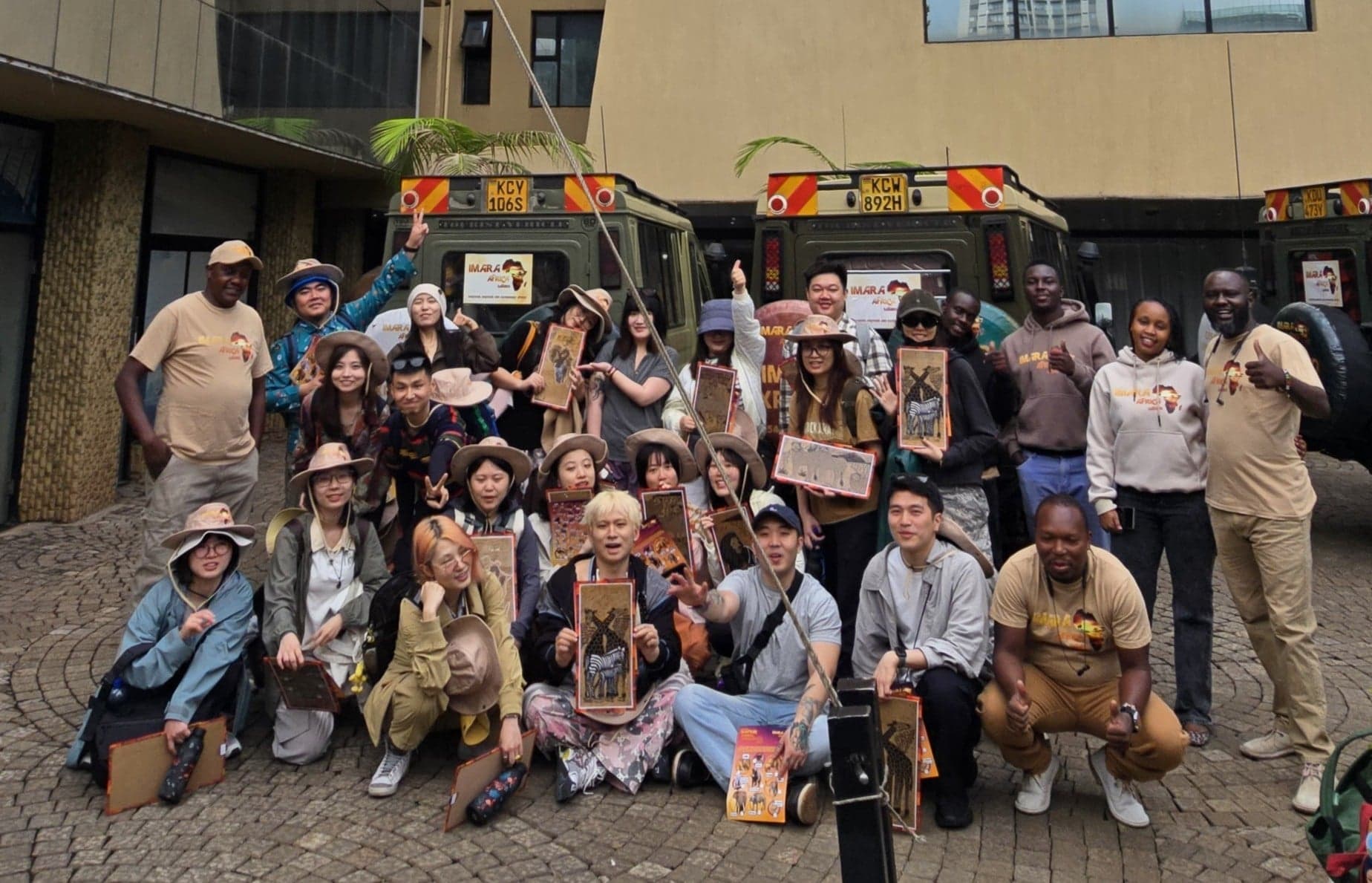
Imara Africa Safaris is Nairobi-based, and we design Africa safaris from lived regional knowledge. We know the difference between a famous name and a well-positioned camp, between a plausible map and a comfortable day, between a migration slogan and what the herds are actually doing.
Tell us your dates, wildlife priorities, comfort level and budget. We will shape a Kenya, Tanzania, Uganda or Rwanda safari that fits the season rather than forcing you into a template.
Our guides balance sightings with patience, safety and respect for wildlife behaviour. That means no crowding a leopard, no pressuring a river crossing, no pushing elephants off their line of travel, and no treating Africa the big five as a race.
We build both luxury safaris and clever affordable safari routes without diluting the fundamentals: strong guiding, sound vehicles, honest fees, good wildlife locations and realistic pacing. Whether you want Sarova Mara Game Camp, a private conservancy tented camp, Satao Elerai Camp for Amboseli National Park Mt Kilimanjaro views, or a gorilla extension through Rwanda Development Board or Uganda Wildlife Authority permit systems, we will explain the trade-offs clearly.
If you are comparing dates, style and budget for 2026 or 2027, send us your preferred travel month, number of travellers, comfort level and must-see wildlife. We will come back with a practical route, transparent inclusions and the decisions that matter most for your safari.
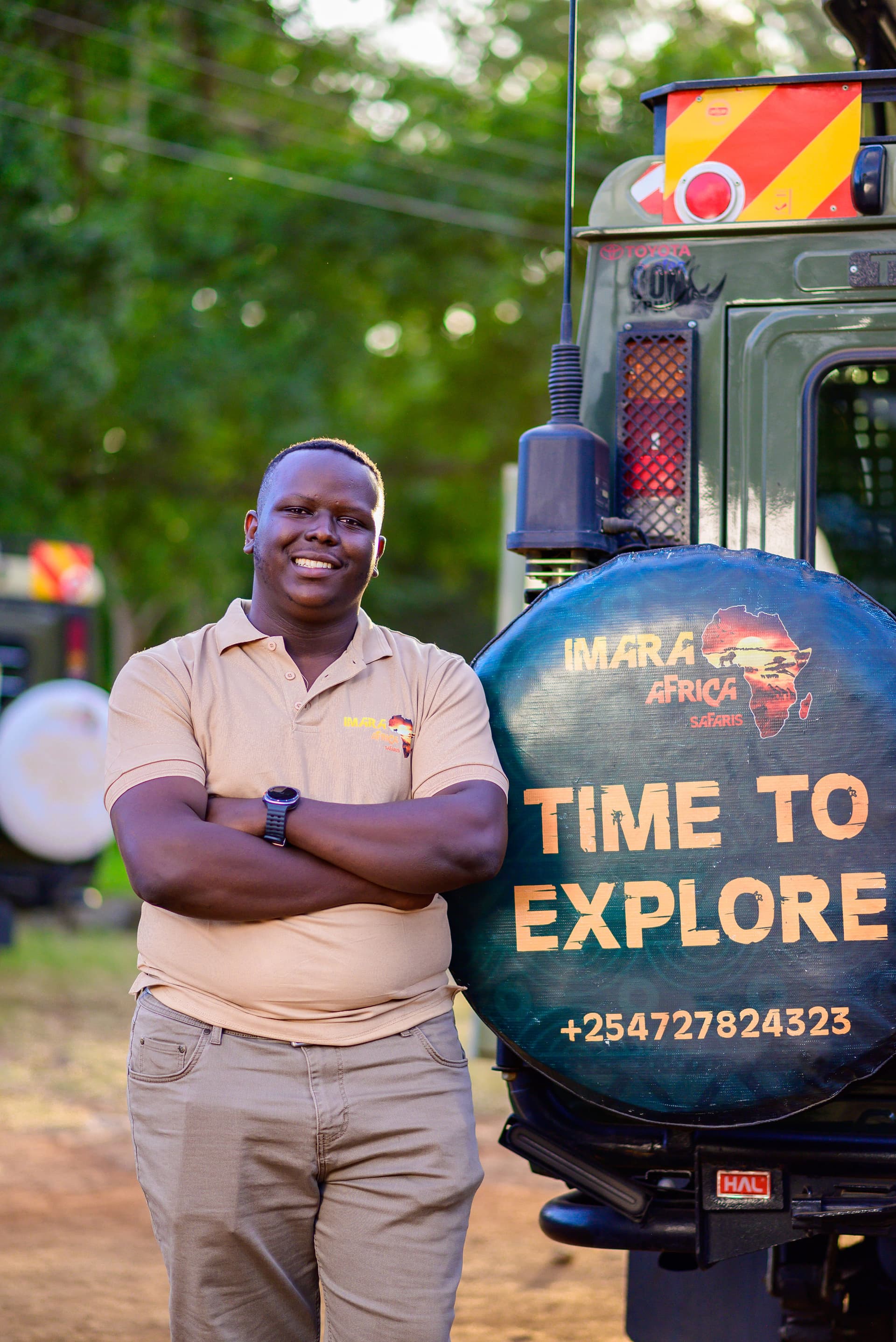
Lewis Munuhe
Founder & Director
<p>Lewis Munuhe is the Director and Owner of Imara Africa Safaris, a trusted safari company dedicated to creating tailor-made African safari experiences across Kenya, Tanzania, Uganda, and Rwanda. With a strong passion for African travel, wildlife, culture, and conservation, Lewis leads the company’s vision of delivering personalized, seamless, and unforgettable safari journeys for travelers from around the world.</p><p>Through Imara Africa Safaris, Lewis helps guests discover East Africa’s most iconic destinations, from the Masai Mara and Serengeti to Uganda and Rwanda’s gorilla trekking regions. His approach focuses on understanding each traveler’s interests, comfort level, budget, and expectations, then transforming those details into carefully curated safari itineraries that feel personal, meaningful, and well-planned.</p><p>As Director and Owner, Lewis is committed to maintaining high standards in safari planning, guest care, destination expertise, and responsible tourism. Whether arranging a luxury wildlife safari, honeymoon escape, family adventure, cultural journey, gorilla trekking safari, or multi-country East African itinerary, he ensures every experience reflects the quality, authenticity, and attention to detail that define Imara Africa Safaris.</p><p>Under his leadership, Imara Africa Safaris continues to help travelers experience the beauty of Africa through expertly planned safaris that celebrate wildlife, landscapes, local cultures, conservation, and unforgettable adventure.</p>
Lewis Munuhe
Founder & Director
<p>Lewis Munuhe is the Director and Owner of Imara Africa Safaris, a trusted safari company dedicated to creating tailor-made African safari experiences across Kenya, Tanzania, Uganda, and Rwanda. With a strong passion for African travel, wildlife, culture, and conservation, Lewis leads the company’s vision of delivering personalized, seamless, and unforgettable safari journeys for travelers from around the world.</p><p>Through Imara Africa Safaris, Lewis helps guests discover East Africa’s most iconic destinations, from the Masai Mara and Serengeti to Uganda and Rwanda’s gorilla trekking regions. His approach focuses on understanding each traveler’s interests, comfort level, budget, and expectations, then transforming those details into carefully curated safari itineraries that feel personal, meaningful, and well-planned.</p><p>As Director and Owner, Lewis is committed to maintaining high standards in safari planning, guest care, destination expertise, and responsible tourism. Whether arranging a luxury wildlife safari, honeymoon escape, family adventure, cultural journey, gorilla trekking safari, or multi-country East African itinerary, he ensures every experience reflects the quality, authenticity, and attention to detail that define Imara Africa Safaris.</p><p>Under his leadership, Imara Africa Safaris continues to help travelers experience the beauty of Africa through expertly planned safaris that celebrate wildlife, landscapes, local cultures, conservation, and unforgettable adventure.</p>
Lewis Munuhe
Founder & Director
<p>Lewis Munuhe is the Director and Owner of Imara Africa Safaris, a trusted safari company dedicated to creating tailor-made African safari experiences across Kenya, Tanzania, Uganda, and Rwanda. With a strong passion for African travel, wildlife, culture, and conservation, Lewis leads the company’s vision of delivering personalized, seamless, and unforgettable safari journeys for travelers from around the world.</p><p>Through Imara Africa Safaris, Lewis helps guests discover East Africa’s most iconic destinations, from the Masai Mara and Serengeti to Uganda and Rwanda’s gorilla trekking regions. His approach focuses on understanding each traveler’s interests, comfort level, budget, and expectations, then transforming those details into carefully curated safari itineraries that feel personal, meaningful, and well-planned.</p><p>As Director and Owner, Lewis is committed to maintaining high standards in safari planning, guest care, destination expertise, and responsible tourism. Whether arranging a luxury wildlife safari, honeymoon escape, family adventure, cultural journey, gorilla trekking safari, or multi-country East African itinerary, he ensures every experience reflects the quality, authenticity, and attention to detail that define Imara Africa Safaris.</p><p>Under his leadership, Imara Africa Safaris continues to help travelers experience the beauty of Africa through expertly planned safaris that celebrate wildlife, landscapes, local cultures, conservation, and unforgettable adventure.</p>
Our trips
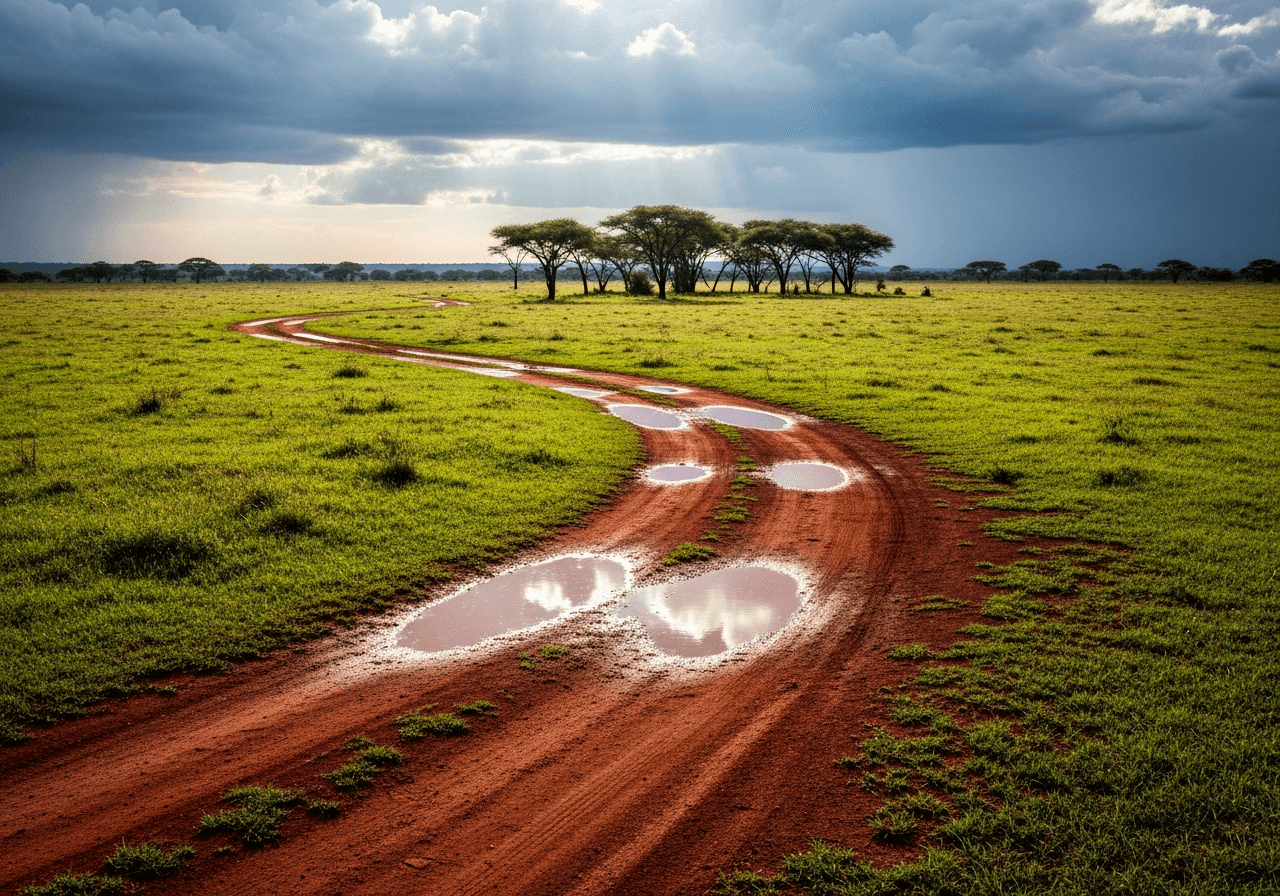 Safari PlanningEl Niño East Africa Safaris: 2026 - 2027 Planning GuideBy Lewis Munuhe·25m read·83 views
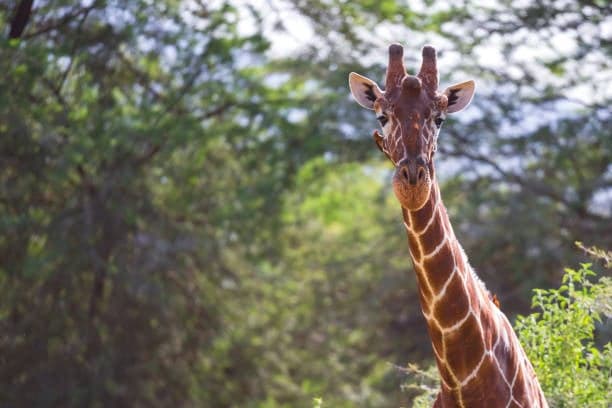 Safari PlanningMasai Mara vs Serengeti: Which Safari Is Better in 2026/27?By Lewis Munuhe·30m read·55 views
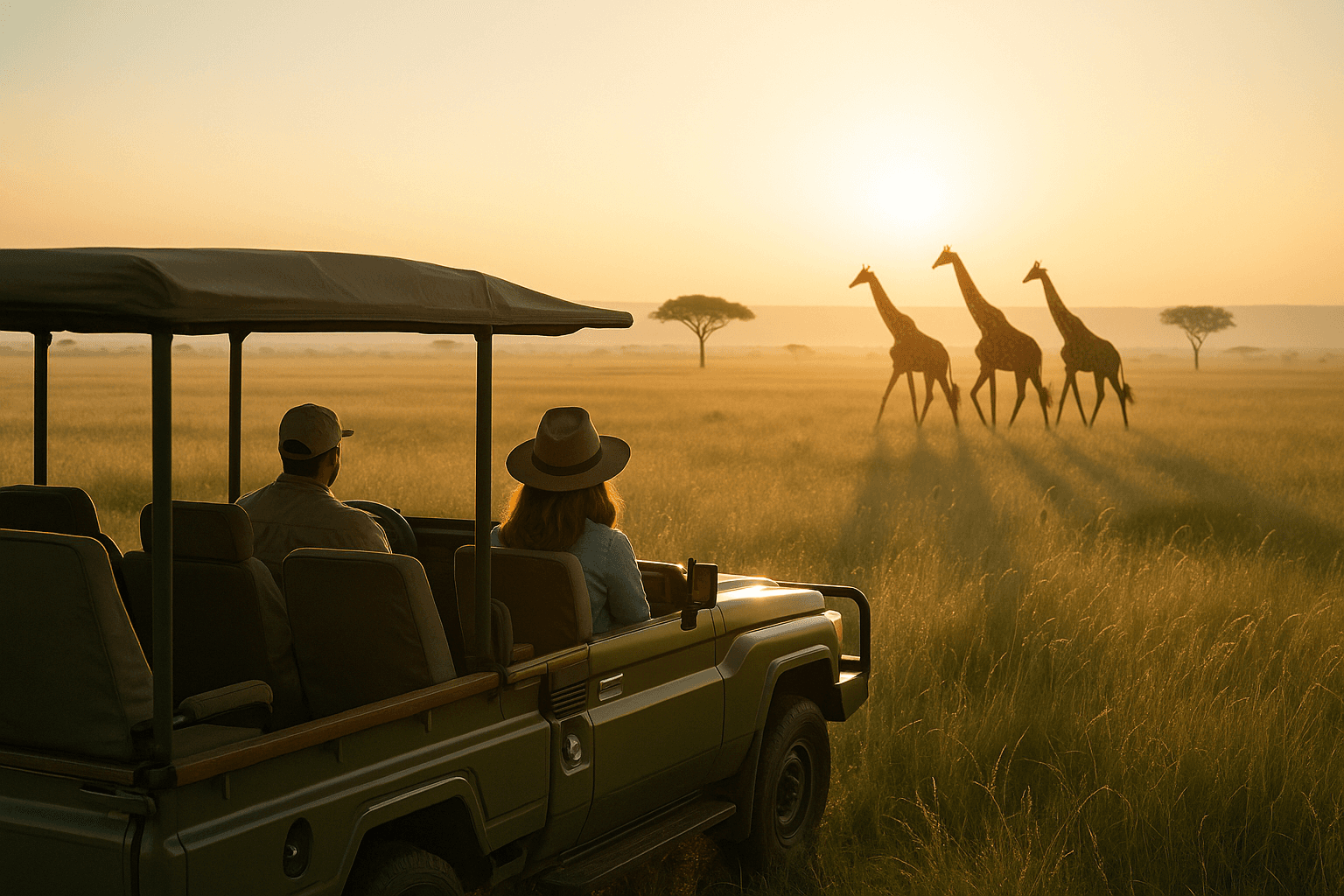 Safari PlanningWhat to Pack for an African Safari: The Complete 2026/27 ChecklistBy Lewis Munuhe·10m read·88 views
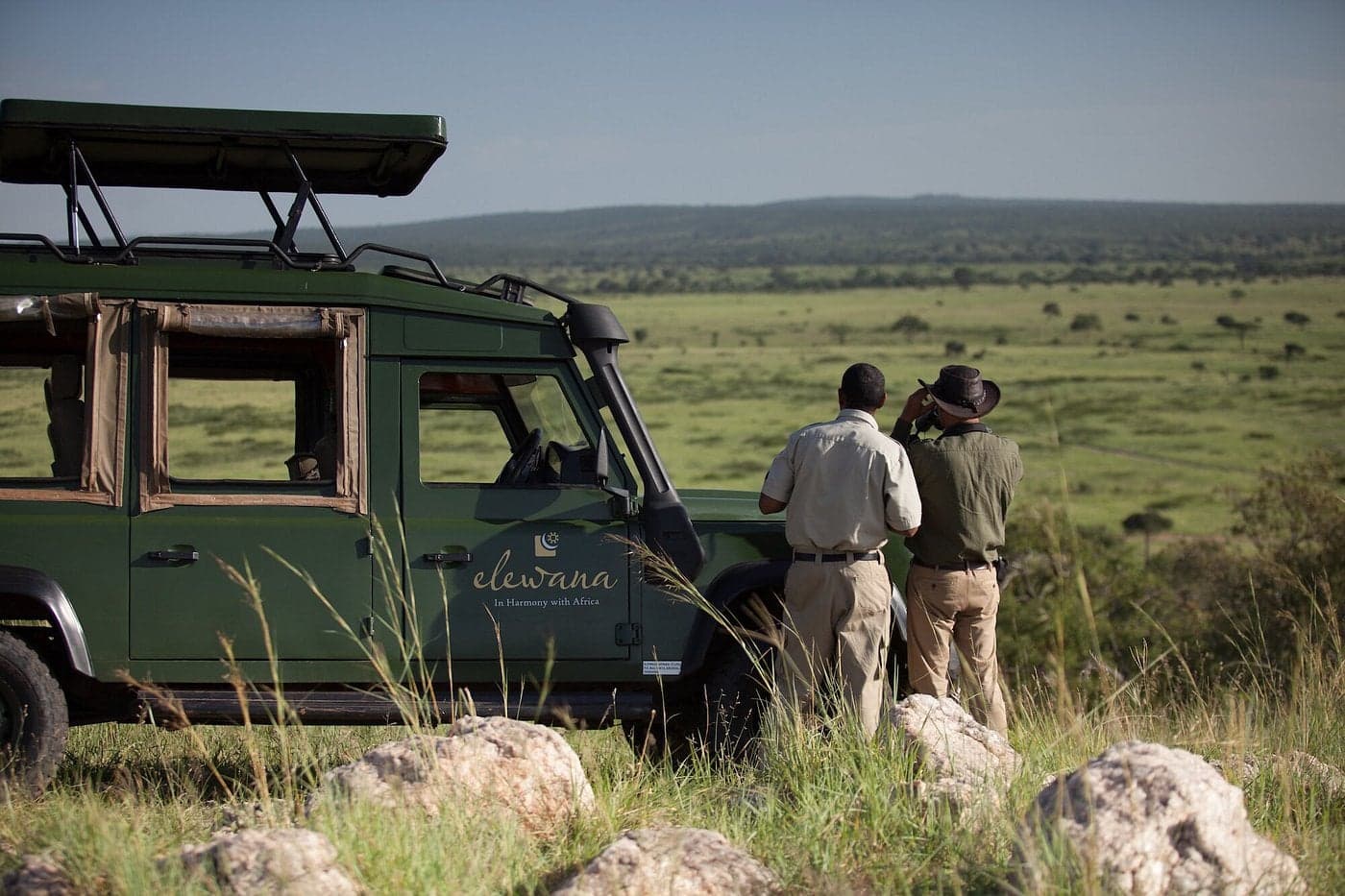 Safari PlanningAfrica Safaris: Everything to Know Before You GoBy Lewis Munuhe·34m read·50 views
22°C
overcast clouds
Feels like 22° · 64% humidity
🦁Right now in the bush: Head to lodge shade — animals rest in midday heat.


Comments
Loading…