
Africa Safari: How the African Leopard Hides Spots
This africa safari guide shows how leopards hide in plain sight, where our guides look first, and how to plan 2026 safaris around their behaviour.
23 min read96viewsUpdated Sep 27, 2026
“Imara” means strong in Swahili. We build every safari with that same strength — expert knowledge, honest pricing, and relentless attention to detail.
Tell us what you're looking for — we reply within minutes and send a free, no-obligation custom itinerary within 24 hours.
Start PlanningNo spam, ever. Unsubscribe anytime.
Protected by Cloudflare Turnstile & Google reCAPTCHA. Privacy & Terms apply.
Safari deals, travel tips & destination guides — straight to your inbox.
No spam, ever. Unsubscribe anytime.
Protected by Cloudflare Turnstile & Google reCAPTCHA. Privacy & Terms apply.
This africa safari guide shows how leopards hide in plain sight, where our guides look first, and how to plan 2026 safaris around their behaviour.
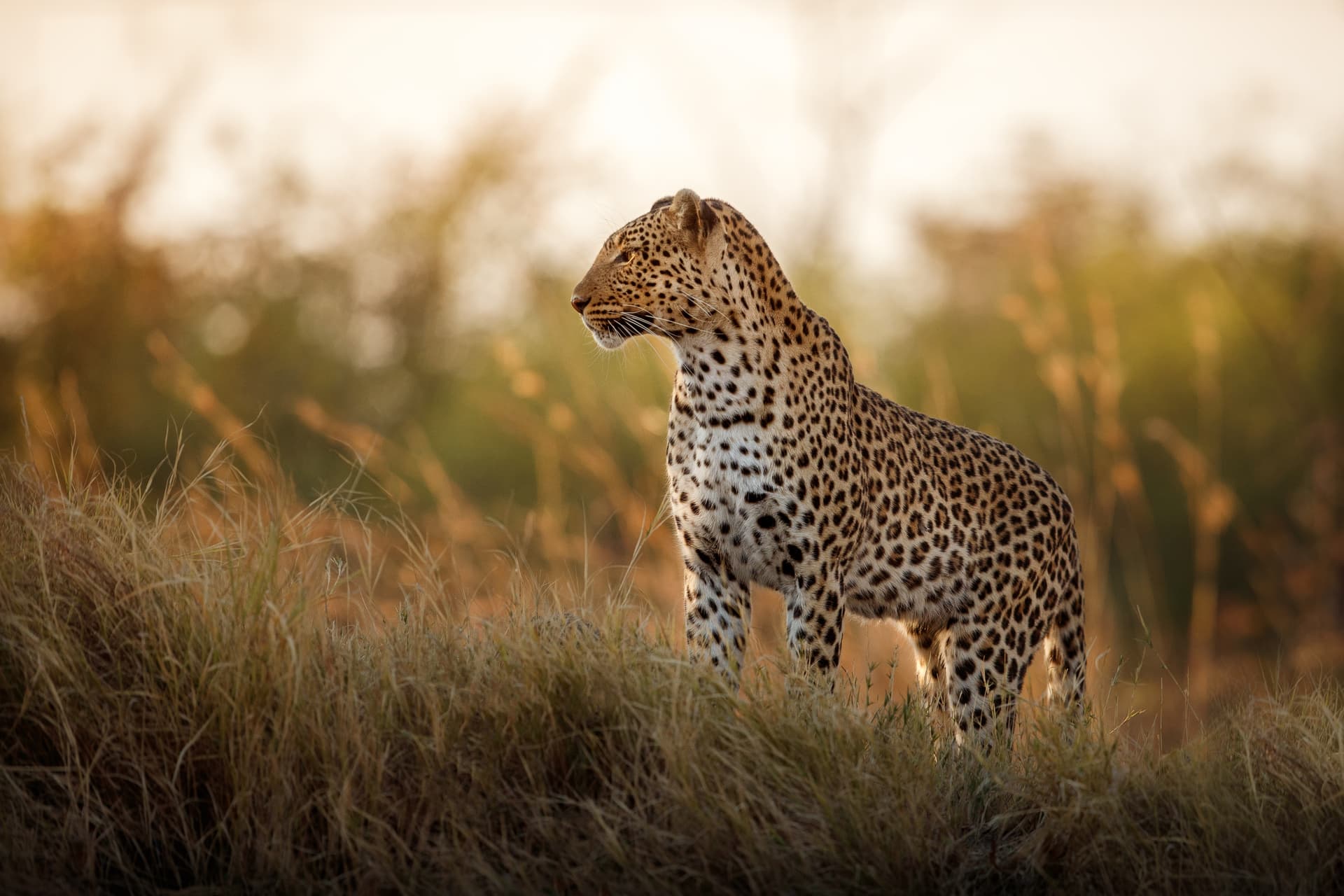
On an africa safari, leopards hide their spots by turning rosettes into disruptive camouflage: in acacia shade, riverine thickets and tawny grass, the pattern breaks the African leopard’s outline. We search edges rather than empty plains — forked trees, drainage lines, termite mounds, kill sites and alarm-calling prey reveal what the eye first misses.
The African leopard, Panthera pardus, is not “spotted” in the simple, decorative sense. Its coat is a working optical system. The dark rosettes vary in size, spacing and intensity, so the animal’s shoulder, flank, spine and tail stop reading as one continuous outline. In broken shade the pattern behaves almost like leaf-litter: the cat becomes pieces of light, shadow and grass.
That is why a guest may stare straight at a leopard in the Masai Mara and still see only a branch, a termite mound and a darker knot in the croton. Our guides slow the scan down. We do not first ask, “Where is the cat?” We ask, “Where would a cat cease to have an edge?” That changes everything.
In acacia woodland, the black rosettes echo thorn-shadow. In dry grass, the gold coat lifts the body into the same tawny spectrum as stems and dust. In riverine forest, especially around figs and sausage trees, the leopard’s belly, chest and tail can disappear behind hanging shade while only a paw or ear-line remains visible.
For a deeper species profile, our African leopard guide explains taxonomy, behaviour and conservation context. African Wildlife Foundation lists African leopards at 17–65 kg, 1.6–2.3 m in length and an average wild lifespan of 10–12 years.
“Our best leopard rule is simple: do not scan the landscape for a whole animal; scan it for one wrong curve in the shade.”
As of late July 2026, East Africa is well into the long dry season. This is an important distinction. June is not yet the crisp, dust-dry theatre of August, but visibility improves week by week as grasses seed, water sources begin to matter and predator movements become more legible.
Tanzania’s official tourism guidance identifies late June to October as the dry-season window with the best wildlife viewing, placing late July 2026 squarely in peak safari conditions. In Kenya, the same broad pattern helps leopard viewing in the Masai Mara National Reserve, Samburu National Reserve, Lake Nakuru National Park and the Tsavo ecosystem: animals still have cover in June, but the country is beginning to open.
For premium Africa safaris in this period, lodge space and the best private guides tighten early. Booking pressure is not only about beds; it is about controlling the leopard hours — the first 90 minutes after sunrise and the cooling edge of evening.
Leopard tracking begins with habitat literacy. Before our guides lift binoculars, they read the structure of the country: where shade touches prey, where a drainage line cuts a safe approach, where a tree can hold a kill, and where a territorial animal could move unseen between two blocks of cover.
Rock changes the puzzle. In Serengeti National Park, kopjes create warm ledges, hunting blinds and cub refuges. In Tsavo West National Park, lava ridges and black basalt make rosettes harder to separate from shadow. In Samburu, riverbank palms can hide a leopard so completely that only a dangling tail gives it away.
Prey behaviour is the most reliable map of risk. Baboons bunch and bark. Impala stare into nothing. Dik-dik freeze, then slip away with tiny, urgent steps. Guineafowl break into metallic alarm. When three species look towards the same thicket, we follow their line of fear.
At Imara Africa Safaris, we prefer evidence before excitement. Radio chatter can help, but it is never our first tool. We look for spoor in soft sand, the scuffed print of a hind foot over a forefoot, drag marks from a carcass, fresh urine spray on a bush, claw scrapes in dust and the abrupt silence that follows alarm calls.
We prioritise known leopard corridors, river bends, rocky shelves and mature trees before following any sighting report.
Baboons barking, impala snorting or guineafowl erupting from cover can mark a predator more accurately than a vehicle cluster.
Fresh tracks, drag marks, disturbed dust and a carcass trail can indicate where a leopard moved after a nocturnal hunt.
We check grass, trunk bases and shaded gullies first, then branches where a tail, paw or kill may hang below the canopy.
A side-on, slow approach keeps the vehicle out of the leopard’s escape path and reduces the chance of pushing it into cover.
Engines, voices and vehicle shuffling are kept low so the cat can rest, feed, patrol or move naturally.
A leopard sighting should not feel like an ambush. We approach from the side where possible, never head-on along the animal’s chosen path. A vehicle angled across an escape route can turn a relaxed sighting into harassment; a vehicle held slightly back can allow grooming, scent-marking, calling, feeding or cub contact to continue naturally.
A relaxed leopard is more valuable than a forced close-up. Guests often remember the quiet moments most clearly: a female pausing to scent-mark, a male descending from a fig at sunset, a cub watching francolins from the roots of a riverbank tree.
A safari in the Masai Mara is famous for open plains, lions, cheetahs and migration drama, yet leopard viewing often belongs to the wooded drainage that cuts through those plains. The Masai Mara National Reserve covers about 1,510 km² and sits roughly 230 km from Nairobi, a practical fly-in or road-safari hub for Kenya leopard viewing.

 KE
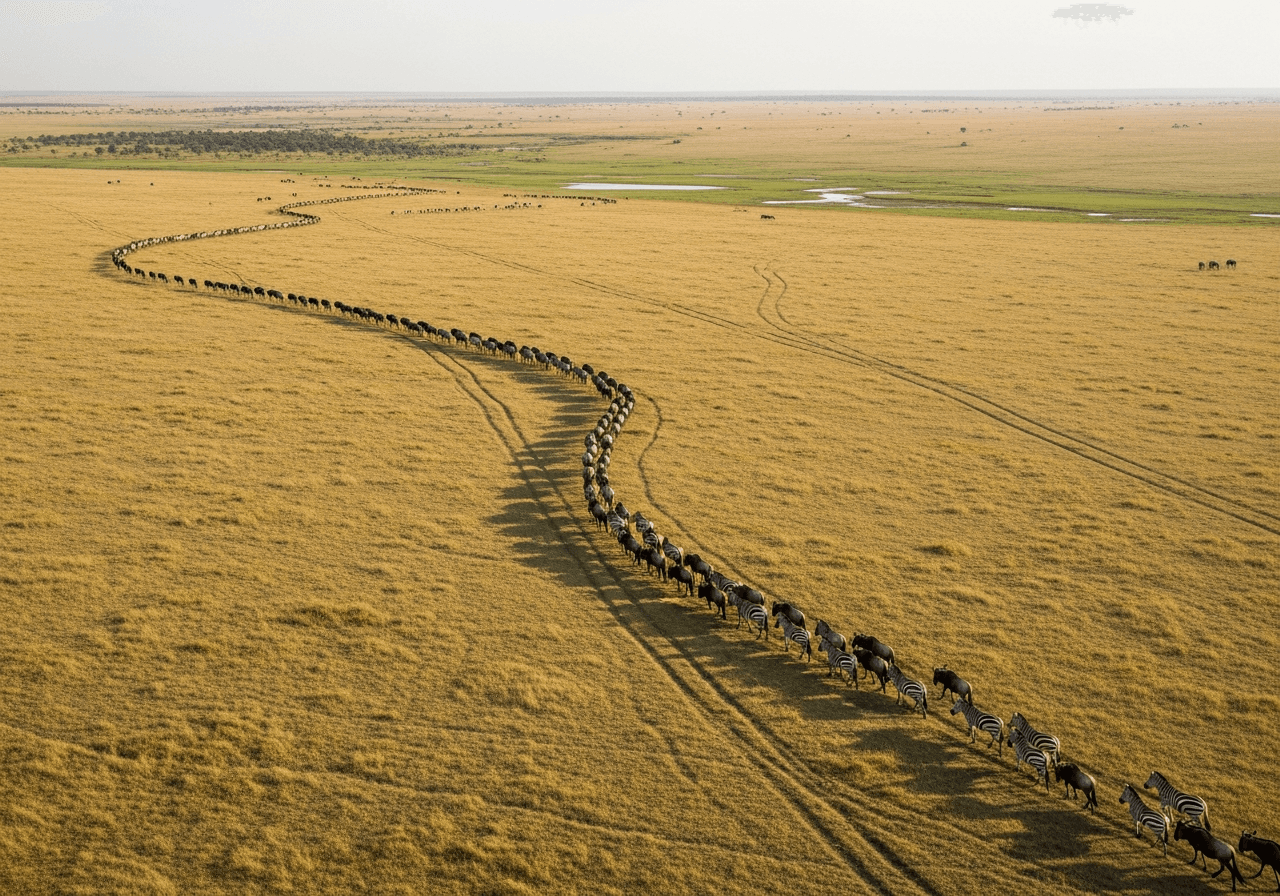
KEThe Masai Mara National Reserve in southwestern Kenya is a premier 1,510-square-kilometre wildlife sanctuary. Renowned for the annual Great Wildebeest Migration from July to October, it offers exceptional year-round Big Five viewing across open savannahs. The reserve is contiguous with Tanzania's Serengeti, forming a critical, biodiverse transboundary ecosystem.
We search the Talek, Mara and Sand River corridors carefully, especially where fig trees, croton thickets and luggas meet open grazing. The plains can deceive first-time visitors: a leopard may be within 80 metres while everyone is watching topi on the skyline.
For travellers planning Masai Mara safaris, conservancies such as Olare Motorogi Conservancy add important advantages. Vehicle density is often lower, guiding can be more flexible, and where regulations permit, after-dark tracking may reveal territorial patrols, hunting attempts and the amber eye-shine of a cat moving along a drainage line.
A good Mara leopard search also builds a rounded africa big five safari. Lion, elephant and buffalo are often woven into the same drives, while rhino can be added elsewhere in Kenya. Cheetah encounters are generally more open-country experiences, so a skilled guide shifts search image constantly: horizon for cheetah, shade-edge for leopard, herd tension for lion.
Kenya’s leopard country is broader than the Mara, and the best africa kenya safaris often combine contrasting habitats. Samburu National Reserve is one of our favourite dry-country leopard landscapes. Along the Ewaso Ng’iro, we scan doum palms, riverbank shade, tamarind trees and rocky hills above the river. Leopards here may move early, then vanish into heat-shadow by mid-morning. Explore the habitat further in our Samburu National Reserve planning page.
Lake Nakuru National Park asks for a different eye. Fever-tree woodland, euphorbia ridges and the forested escarpment edges can hold leopards, while rhino, buffalo and Rothschild’s giraffe make the park valuable for Big Five-style routing. Our Lake Nakuru woodland guide is especially useful for guests who want leopard habitat without relying only on big open plains.
Tsavo West and Tsavo East reward patience rather than speed. Dry riverbeds, lava flows, thickets and waterholes matter more than empty roads. A Tsavo West safari is particularly atmospheric for guests who enjoy tracking: prints in dust, kudu alarm calls, the hush of a waterhole at last light.
Laikipia, Lewa and Ol Pejeta add private conservancy flexibility and rhino conservation strength. These areas can combine leopard searches with black and white rhino, wild dog possibilities in some conservancies, strong guiding and fewer vehicles than busier public circuits.
Serengeti National Park covers 14,763 km², was established in 1951 and is one of East Africa’s most important leopard landscapes. Within that vastness, Seronera Valley is classic leopard country because permanent water, riverine woodland, sausage trees and resident prey create a dependable hunting matrix. Our Serengeti leopard country page helps match camp location to the right sector.
 TZ
TZTanzania · Serengeti National Park
 TZ
TZDiscover the magic of Serengeti National Park, one of Africa’s most celebrated wildlife destinations and home to the spectacular Great Wildebeest Migration. Stretching across the heart of northern Tanzania, the Serengeti offers exceptional game viewing, breathtaking savannah landscapes, and unforgettable encounters with the Big Five. From luxury safari lodges and hot air balloon adventures to year-round wildlife experiences, the park provides the perfect setting for nature lovers, photographers, and safari enthusiasts seeking an authentic and unforgettable African wilderness adventure.
In central Serengeti, a leopard may be draped over a branch above a dry streambed while lions sleep on the open plain nearby. In the Northern Serengeti and along the Mara River, migration-season drama can dominate attention, but patient scanning of riverine shade still pays. Crossings bring crowds; leopards remain specialists of privacy.
The Western Corridor and Grumeti area add gallery forest, rocky outcrops and broad river systems. Here, search zones feel less obvious than Seronera, but the rewards can be superb when the itinerary allows time.
Ngorongoro Crater is excellent for Africa the Big Five density, especially lion, buffalo, elephant and rhino, but leopards are harder than lions or hyenas. The crater has suitable cover, yet sightings are less predictable than in the Serengeti’s riverine systems. A compact Serengeti and Ngorongoro itinerary works best when central Serengeti carries the leopard brief and Ngorongoro completes the wider wildlife picture.
The best leopard hours are cool hours. Dawn is prime because a leopard may still be returning from patrol, dragging a kill or choosing a tree before heat fixes it in shade. Late afternoon is the second window, when the ground begins to release heat and prey relaxes just enough to become vulnerable.
Our guides scan below trees before looking up. That surprises many guests, but it is practical. A leopard with a fresh impala kill may first rest on the ground, panting, listening and judging whether lions or hyenas have noticed. Only then does it hoist the carcass. Drag marks, vultures sitting too low, jackals watching one place and hyena tracks crossing a drainage line all deserve attention.
Territorial patrols have their own grammar. A male may walk low and purposeful along a road edge, spray a bush, scrape with his hind feet, curl his lip in a flehmen response and move on without hurry. Females often use smaller circuits, especially when denning or feeding cubs.
Mothers with cubs are sensitive sightings. We keep longer distances, avoid blocking thickets and do not remain if the female begins to lift her head repeatedly, call nervously or move cubs. The privilege is seeing trust maintained.
The finest leopard photograph is not always a full-frame portrait. Often, it is the image that explains why the cat was invisible: rosettes dissolving into fig shade, a tail curved along a branch, eyes between leaves, a golden shoulder broken by acacia shadow.
Photography should never cost the animal energy, cover or confidence. If a leopard chooses shade, we work with shade. If it chooses distance, we compose distance. A responsible affordable african safari can still produce superb images when the guide understands light, behaviour and positioning.
Guests sometimes use “spots” for all spotted cats, but pattern matters. Leopard rosettes are broken rings or clusters that help disrupt the outline in woodland and thicket. Cheetahs have solid black spots, a lighter racing build and clear dark tear marks running from the inner eyes towards the mouth. Jaguars are not African safari animals, but comparison helps guests learn scale: jaguar rosettes are generally larger and often contain central spots.
Useful pattern clues for safari guests and wildlife photographers.
Melanistic leopards, often called black leopards, still have rosettes; they appear as ghost markings in the right light. We never overpromise them in East Africa. Body shape, habitat and movement style are more reliable than coat pattern alone: a leopard looks powerful in the shoulders, elastic in the spine and deliberate in cover.
An Africa Big Five Safari works best when leopard behaviour shapes the route rather than being treated as a final tick on a list. Place leopard country first or last in the itinerary, when guests are mentally sharp and the best morning hours can be protected. Tired travellers miss small signs; fresh travellers notice alarm calls, shapes and shadows.
KEKenya · Masai Mara National Reserve
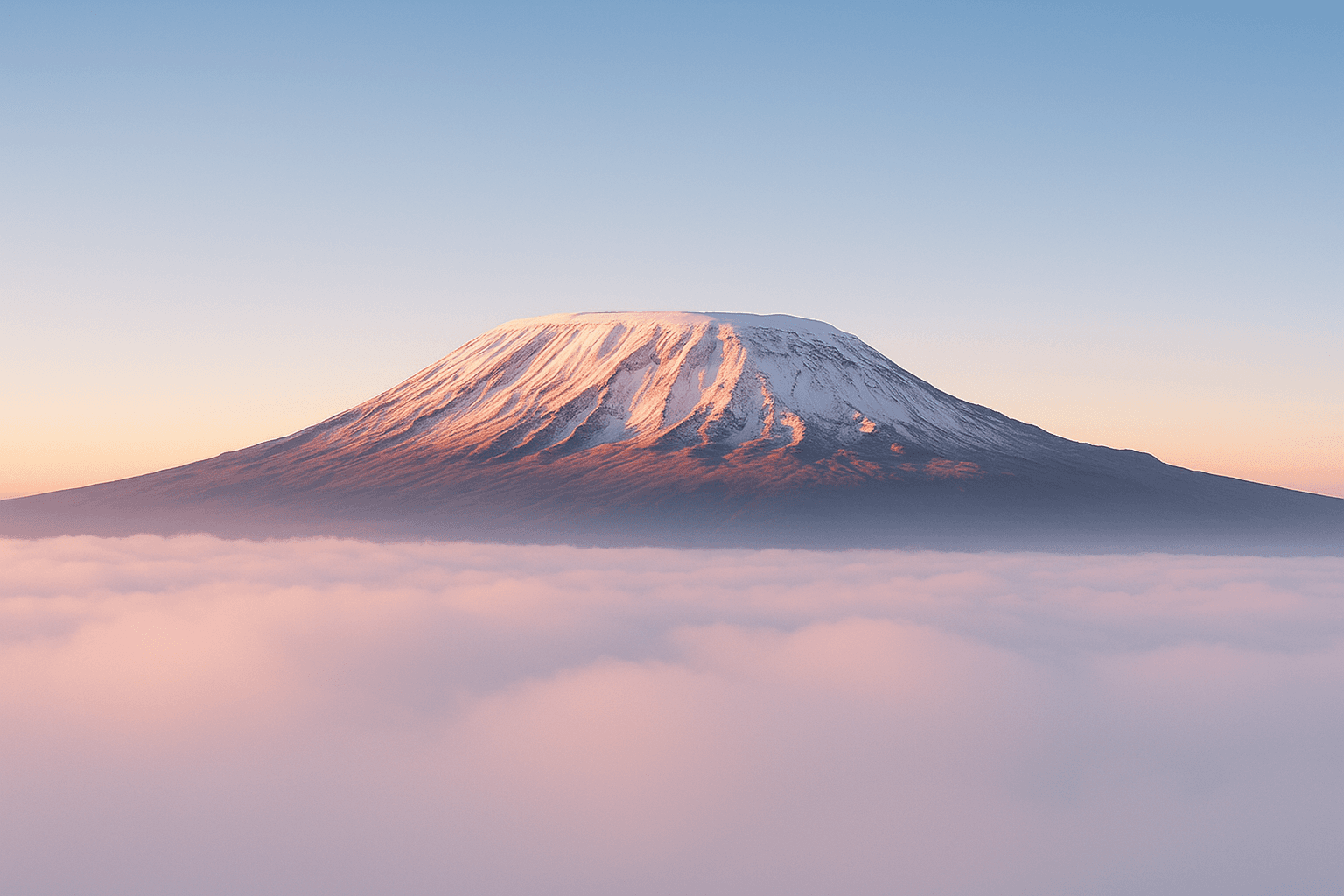
For Kenya, we often pair the Masai Mara with Ol Pejeta, Lewa or Lake Nakuru for rhino strength. For Tanzania, Serengeti leopard searches combine naturally with Ngorongoro Crater for rhino, lion, elephant and buffalo. Amboseli National Park is superb for elephants and Amboseli elephant views, especially those classic Amboseli National Park Mt Kilimanjaro views, but it should not be the primary leopard anchor.
Travellers comparing Africa the Big Five or Africa the Big 5 routes should ask one sharper question: “Where will we spend dawn?” If every dawn is lost to lodge transfers, late breakfasts or long road moves, the itinerary may look good on paper and fail in the field.
For a private Kenya route, our Kenya Big Five Safari is a natural starting point. As indicative 2026 planning guidance, an affordable safari may begin from about $2,450 pp for a compact shared-road itinerary, a private 8-day Kenya Big Five-style safari from about $3,560 pp, and premium fly-in conservancy routing from about $6,500 pp depending on season, camps, park fees and vehicle exclusivity. One current Imara itinerary shows an 8-day Kenya safari from $3,560.
Camp location can matter as much as park choice. A lodge with magnificent views but a long drive to riverine woodland may cost you the first cool hour every morning. When the itinerary is leopard-led, we choose bases near wooded drainage, conservancy boundaries, productive fig-tree lines or known territories rather than scenery alone.
 KE
KEWhere Wildlife, Comfort, and Adventure Meet
Masai Mara, Kenya
Best Location
In the Mara, Mara Serena Safari Lodge suits some travellers for its reserve position and views; Sarova Mara Game Camp gives a classic larger-camp style with practical access; Zebra Plains Mara Camp offers a different, more intimate Mara base depending on the exact routing and season. The best choice is not universal — it depends on whether your priority is migration access, leopard habitat, vehicle flexibility, family comfort or value.
In Tanzania, central Serengeti locations are often strongest for a leopard-led itinerary, especially around Seronera Valley. Northern Serengeti camps become compelling when the Mara River migration season is also part of the brief. A compact Tanzania safari might start from about $2,950 pp in shoulder periods, while higher-spec mobile or river-camp combinations can rise substantially in July to September.
Imara Africa Safaris is a Nairobi-based East African luxury safari operator planning tailor-made safaris across Kenya, Tanzania, Uganda and Rwanda. We build leopard-aware itineraries with experienced local guides, not sighting-chasing shortcuts. That difference matters because leopards are both resilient and vulnerable: they survive by secrecy, and poor viewing behaviour strips that secrecy away.
The IUCN Cat Specialist Group treats the leopard as Vulnerable, citing a past population reduction of more than 30% driven by habitat loss, prey depletion and exploitation. Responsible viewing is therefore not an aesthetic preference; it is part of how modern africa safaris should operate.
Our no-harassment principles are clear: no off-road damage where prohibited, no crowding, no blocked escape routes, no pressure on mothers with cubs and no manipulation for photographs. We would rather leave a leopard resting naturally in shade than force it to move for a guest’s camera.
If you are planning an africa safari, ask for a leopard-aware itinerary rather than a generic checklist. Tell us whether you want a safari in the Masai Mara, a Serengeti-led route, a Kenya rhino-and-leopard combination, or a broader East African journey with gorillas in Uganda or Rwanda. We will shape the route around real behaviour: where the cat hides, when it moves and how to watch without changing the story.
Tell us your season, budget and Big Five priorities, and we will shape a Kenya or Tanzania itinerary around real fieldcraft, ethical viewing and strong guiding.
At a glance
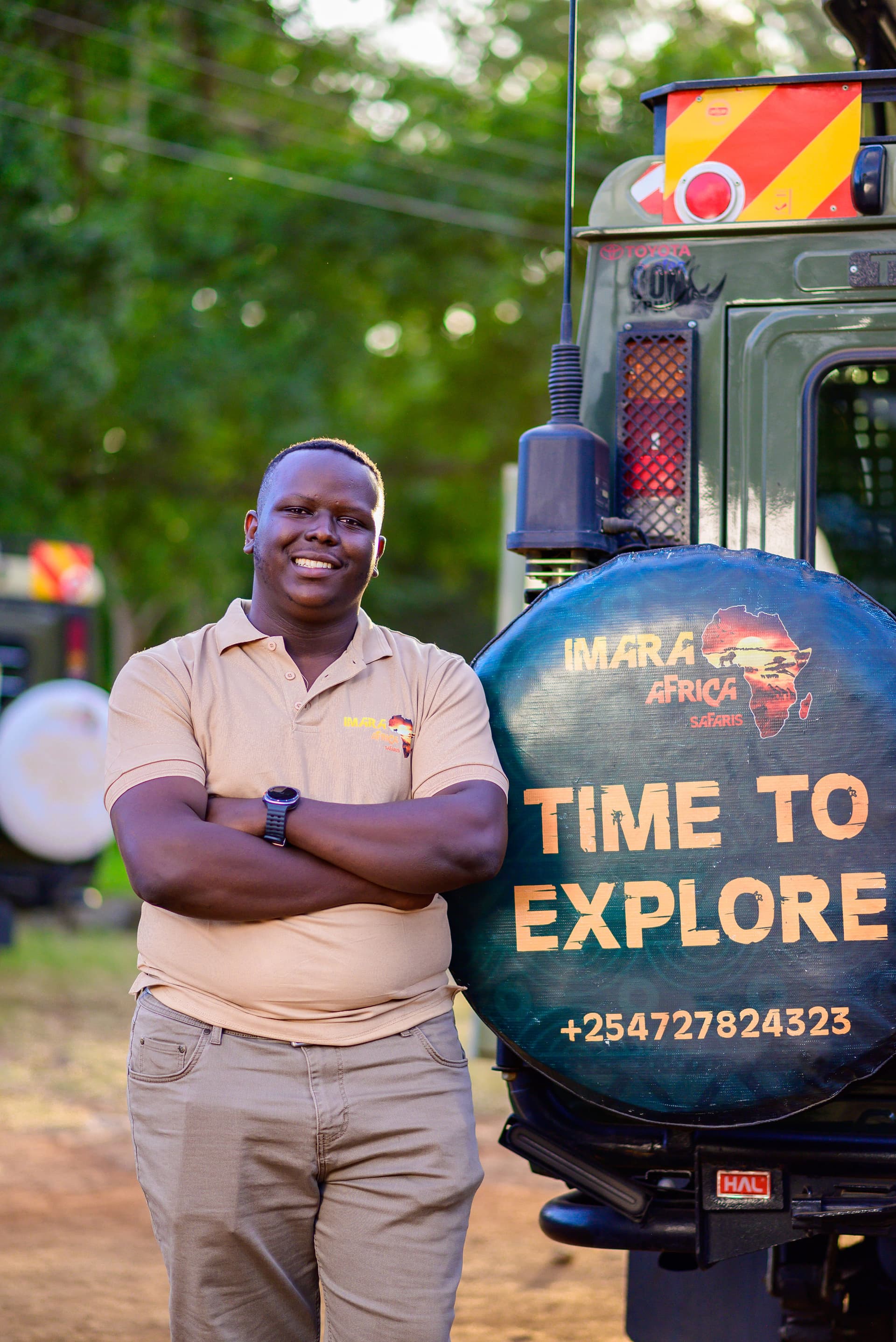
Lewis Munuhe
Founder & Director
<p>Lewis Munuhe is the Director and Owner of Imara Africa Safaris, a trusted safari company dedicated to creating tailor-made African safari experiences across Kenya, Tanzania, Uganda, and Rwanda. With a strong passion for African travel, wildlife, culture, and conservation, Lewis leads the company’s vision of delivering personalized, seamless, and unforgettable safari journeys for travelers from around the world.</p><p>Through Imara Africa Safaris, Lewis helps guests discover East Africa’s most iconic destinations, from the Masai Mara and Serengeti to Uganda and Rwanda’s gorilla trekking regions. His approach focuses on understanding each traveler’s interests, comfort level, budget, and expectations, then transforming those details into carefully curated safari itineraries that feel personal, meaningful, and well-planned.</p><p>As Director and Owner, Lewis is committed to maintaining high standards in safari planning, guest care, destination expertise, and responsible tourism. Whether arranging a luxury wildlife safari, honeymoon escape, family adventure, cultural journey, gorilla trekking safari, or multi-country East African itinerary, he ensures every experience reflects the quality, authenticity, and attention to detail that define Imara Africa Safaris.</p><p>Under his leadership, Imara Africa Safaris continues to help travelers experience the beauty of Africa through expertly planned safaris that celebrate wildlife, landscapes, local cultures, conservation, and unforgettable adventure.</p>
Lewis Munuhe
Founder & Director
<p>Lewis Munuhe is the Director and Owner of Imara Africa Safaris, a trusted safari company dedicated to creating tailor-made African safari experiences across Kenya, Tanzania, Uganda, and Rwanda. With a strong passion for African travel, wildlife, culture, and conservation, Lewis leads the company’s vision of delivering personalized, seamless, and unforgettable safari journeys for travelers from around the world.</p><p>Through Imara Africa Safaris, Lewis helps guests discover East Africa’s most iconic destinations, from the Masai Mara and Serengeti to Uganda and Rwanda’s gorilla trekking regions. His approach focuses on understanding each traveler’s interests, comfort level, budget, and expectations, then transforming those details into carefully curated safari itineraries that feel personal, meaningful, and well-planned.</p><p>As Director and Owner, Lewis is committed to maintaining high standards in safari planning, guest care, destination expertise, and responsible tourism. Whether arranging a luxury wildlife safari, honeymoon escape, family adventure, cultural journey, gorilla trekking safari, or multi-country East African itinerary, he ensures every experience reflects the quality, authenticity, and attention to detail that define Imara Africa Safaris.</p><p>Under his leadership, Imara Africa Safaris continues to help travelers experience the beauty of Africa through expertly planned safaris that celebrate wildlife, landscapes, local cultures, conservation, and unforgettable adventure.</p>
Lewis Munuhe
Founder & Director
<p>Lewis Munuhe is the Director and Owner of Imara Africa Safaris, a trusted safari company dedicated to creating tailor-made African safari experiences across Kenya, Tanzania, Uganda, and Rwanda. With a strong passion for African travel, wildlife, culture, and conservation, Lewis leads the company’s vision of delivering personalized, seamless, and unforgettable safari journeys for travelers from around the world.</p><p>Through Imara Africa Safaris, Lewis helps guests discover East Africa’s most iconic destinations, from the Masai Mara and Serengeti to Uganda and Rwanda’s gorilla trekking regions. His approach focuses on understanding each traveler’s interests, comfort level, budget, and expectations, then transforming those details into carefully curated safari itineraries that feel personal, meaningful, and well-planned.</p><p>As Director and Owner, Lewis is committed to maintaining high standards in safari planning, guest care, destination expertise, and responsible tourism. Whether arranging a luxury wildlife safari, honeymoon escape, family adventure, cultural journey, gorilla trekking safari, or multi-country East African itinerary, he ensures every experience reflects the quality, authenticity, and attention to detail that define Imara Africa Safaris.</p><p>Under his leadership, Imara Africa Safaris continues to help travelers experience the beauty of Africa through expertly planned safaris that celebrate wildlife, landscapes, local cultures, conservation, and unforgettable adventure.</p>
Our trips
 10d
10d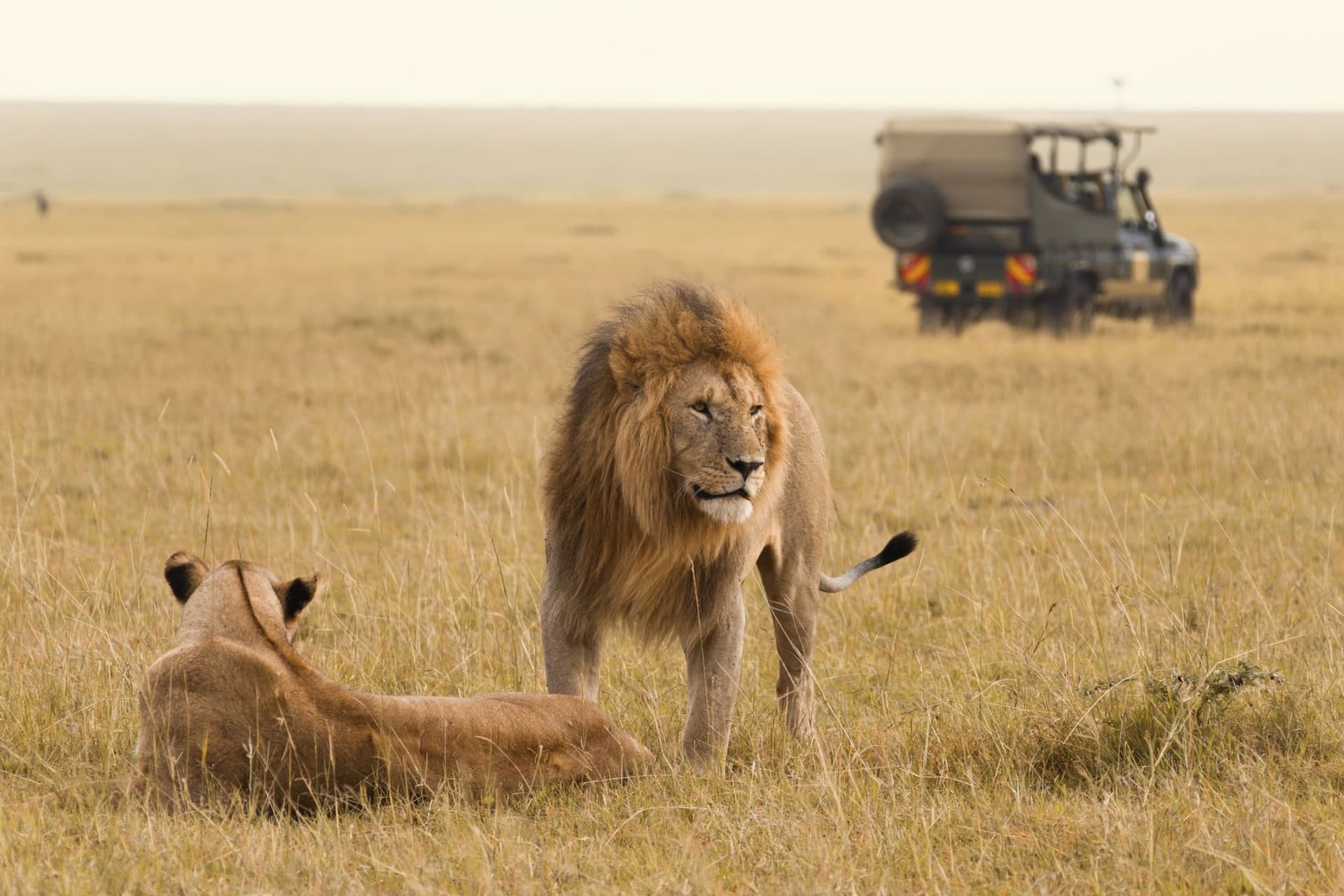 10d
10d 4d
4dStories, sightings & itineraries from the field.
20°C
overcast clouds
Feels like 20° · 77% humidity
🦁Right now in the bush: Great for big cats before the midday heat.


Comments
Loading…