Travel Insurance: Don't Travel to Africa Without It
Planning your dream safari? Discover why specialized travel insurance: don't travel to Africa without it is the ultimate rule for medical evacuation, high-altitude climbs, and wildlife adventures.
18 min read56viewsUpdated Sep 28, 2026
Black Rhinoceros
56views
Share
Listen~18 min
In this articleTap to view 10 sectionsTap a section to jump
Standard travel insurance policies often exclude high-altitude trekking above 3,000 metres and emergency medical evacuation from remote bush strips.
Medical evacuation insurance (like AMREF Flying Doctors) is a non-negotiable addition for any remote East African safari.
Climbing Kilimanjaro or Mount Kenya requires specialized high-altitude rider policies that cover search and rescue up to 6,000 metres.
Comprehensive trip cancellation coverage protects your significant upfront investment in luxury safari lodges and permits.
Why Travel Insurance: Don't Travel to Africa Without It is Our Golden Rule
The allure of the African wilderness is its raw, untouched, and untamed nature. When you are tracking a pride of lions across the savannah or watching the sunset over an acacia-dotted horizon, you are experiencing a world far removed from modern urban infrastructure. This isolation is precisely what makes a safari so magical, yet it is also the primary reason why we insist on our golden rule: travel insurance: don't travel to Africa without it. In the remote bush, a minor medical issue that would be easily resolved in a metropolitan hospital can quickly escalate into a complex logistical challenge requiring specialized transport.
Many sophisticated travelers mistakenly believe that the complimentary travel protection offered by premium credit cards or standard multi-trip annual policies is sufficient. In our decades of operating bespoke safaris, we have analyzed dozens of these policies, and they almost universally fall short. Standard credit card coverages typically impose low caps on emergency medical expenses, exclude adventure activities such as hot air ballooning or walking safaris, and—most critically—do not cover the astronomical costs of private medical evacuation from remote wilderness areas to a level-one trauma center.
When you invest in a luxury safari, you are not just purchasing accommodation and game drives; you are investing in a seamless, highly coordinated experience. Having a dedicated, robust insurance policy provides the ultimate peace of mind. It ensures that if an unexpected flight delay, a sudden illness, or a family emergency disrupts your plans, you are protected from severe financial loss. Knowing that a team of international medical experts and logistical coordinators is standing by to assist you allows you to fully immerse yourself in the wonders of your journey without a shred of anxiety.
Navigating the Map of Africa: Understanding the Logistics
To appreciate the necessity of comprehensive coverage, one must first understand the sheer scale and diversity of the continent. Currently, 54 sovereign countries comprise the continent of Africa, each with its own distinct infrastructure, medical facilities, entry requirements, and geographical challenges. Looking at a standard map of Africa can be deceptive; the distances between major cities and the remote national parks where safaris take place are vast, often requiring multiple regional flights on light aircraft to traverse.
At a glance
Africa Travel Quick Facts
Total Countries
54 sovereign nations
Highest Point
Mount Kilimanjaro (5,895m)
Signature Wildlife
The Big Five
Key Safari Hub
Nairobi, Kenya (EAT)
In East Africa, where we specialize, the contrast between urban centers and the deep wilderness is stark. While Nairobi and Kigali boast modern, world-class private hospitals capable of handling complex medical procedures, the national parks are located hundreds of miles away. If you are trekking for mountain gorillas in the Bwindi Impenetrable Forest of Uganda or Volcanoes National Park in Rwanda, you are operating in dense, high-altitude rainforests where roads can be rough and travel times by land are measured in hours, not miles.
Furthermore, managing international flight connections and time zones requires careful planning. East Africa operates on East Africa Time (EAT), which is three hours ahead of Greenwich Mean Time (GMT+3). Coordinating long-haul flights from North America or Europe with regional bush hops leaves little room for error. A single delayed international flight can trigger a domino effect, causing you to miss your scheduled charter flight to the bush, your luxury lodge booking, and your non-refundable gorilla trekking permits. A tailored insurance policy with robust trip interruption and delay benefits is the only way to safeguard your itinerary against these regional logistical idiosyncrasies.
Insuring Your Big 5 Safari Africa Experience
Embarking on a 8-Day Kenya Big Five Safari is a bucket-list dream for many. Tracking the lion, leopard, rhinoceros, elephant, and Cape buffalo across their natural habitats is an exhilarating experience. However, an africa big five safari inherently involves entering the domain of wild, unpredictable animals. While our professional guides are highly trained in animal behavior and adhere to strict safety protocols, the natural world remains delightfully untamable.
A magnificent leopard rests gracefully on a tree branch, bathed in the natural sunlight of the East African savannah.
Should an emergency arise—whether it is an encounter with a defensive animal, a slip on a rocky trail during a guided walking safari, or a sudden flare-up of a pre-existing medical condition—the logistics of emergency medical evacuation from the bush become paramount. In the remote corners of the Serengeti National Park or other conservation areas, there are no ambulances. Evacuation must be conducted by air, utilizing specialized medical aircraft equipped with intensive care units and staffed by flight physicians. Without dedicated insurance, organizing such an evacuation independently is incredibly difficult and prohibitively expensive.
Beyond medical emergencies, a big 5 safari africa expedition often involves carrying highly valuable equipment. Photographers bring high-end DSLR or mirrorless cameras, heavy telephoto lenses, binoculars, and drones (where permitted). These sensitive optics are subject to the harsh realities of the African bush: fine volcanic dust, bumpy rides in open-sided 4x4 safari vehicles, and the occasional sudden downpour. Standard travel policies often cap baggage and personal effects coverage at a few hundred dollars per item. A premium safari insurance policy will offer specialized riders to cover the full replacement value of your expensive camera gear and electronics against theft, loss, or accidental damage in the field.
“
“"The true luxury of a modern safari is not just the thread count of your tent's linens, but the invisible safety net that travels with you into the wild."”
The Specifics of a Kenya African Safari and Masai Mara Coverage
Kenya is the historic birthplace of the modern safari, and a Kenya safaris itinerary remains one of our most requested experiences. At the heart of this destination lies the world-renowned Masai Mara National Reserve, a vast savannah wilderness that hosts the spectacular Great Wildebeest Migration. Navigating the Masai Mara National Reserve kenya requires an understanding of both the terrain and the specific administrative landscape of East African conservation areas.
Featured Mid Range
KE
Safari
Kenya · Masai Mara National Reserve
8Days
Mid range 8 Days Kenya Safari – Amboseli, Lake Naivasha, Lake Nakuru & Masai Mara
Masai Mara National ReserveNakuru CityNairobi City+1
A common point of confusion among first-time travelers relates to the geography of the region. Because the ecosystem is contiguous, some travelers confuse the Masai Mara in Tanzania, assuming it is a single national park managed by one authority. In reality, the ecosystem is divided by the international border: the northern portion is the Masai Mara National Reserve in Kenya, while the southern portion is the Serengeti National Park in Tanzania. Crossing this border during a game drive is not permitted; you must clear customs and immigration at official border posts, which can complicate emergency logistics if your insurance policy does not explicitly cover multi-country itineraries.
To mitigate the risks of operating in these remote borderlands, we partner with AMREF Flying Doctors. This legendary organization has been providing air ambulance services across East Africa for over sixty years. Having an AMREF Flying Doctors evacuation cover integrated into your safari planning ensures that, in the event of a critical medical emergency, a fully equipped medical aircraft will be dispatched immediately to evacuate you from a bush airstrip directly to a premier hospital in Nairobi. When arranging your kenya african safari, verifying that your travel insurance policy integrates seamlessly with or covers the costs of AMREF services is an essential checklist item.
Conquering the Highest Mountains in Africa: Trekking Insurance Rules
For those seeking a physical challenge alongside their wildlife viewing, the continent offers some of the most dramatic high-altitude trekking on Earth. But what are the highest mountains in africa, and why do they require such stringent insurance considerations? The tallest peaks in africa demand respect, careful acclimatization, and specialized insurance coverage that goes far beyond standard travel policies.
Two climbers ascend the scenic volcanic slopes of Mount Kilimanjaro, trekking high above a breathtaking sea of clouds in Tanzania.
Climbing Mount Kenya vs Kilimanjaro
Comparing Africa's two highest peaks for trekkers
Mount Kilimanjaro
Highest Peak
Maximum Altitude
5,895m
Technical Climbing Required
No (Trek only)
Standard Insurance Altitude Limit
Requires 6,000m Rider
Recommended Evacuation Cover
Helicopter & Flying Doctors
Mount Kenya
Most Technical
Maximum Altitude
5,199m (Batian Peak)
Technical Climbing Required
Yes (For true summits; Point Lenana is a trek)
Standard Insurance Altitude Limit
Requires 5,200m Rider
Recommended Evacuation Cover
Helicopter & Flying Doctors
Compare
Highest Peak
Mount Kilimanjaro
Most Technical
Mount Kenya
Maximum Altitude
5,895m
5,199m (Batian Peak)
Technical Climbing Required
No (Trek only)
Yes (For true summits; Point Lenana is a trek)
Standard Insurance Altitude Limit
Requires 6,000m Rider
Requires 5,200m Rider
Recommended Evacuation Cover
Helicopter & Flying Doctors
Helicopter & Flying Doctors
TZ
Featured
Tanzania
Kilimanjaro
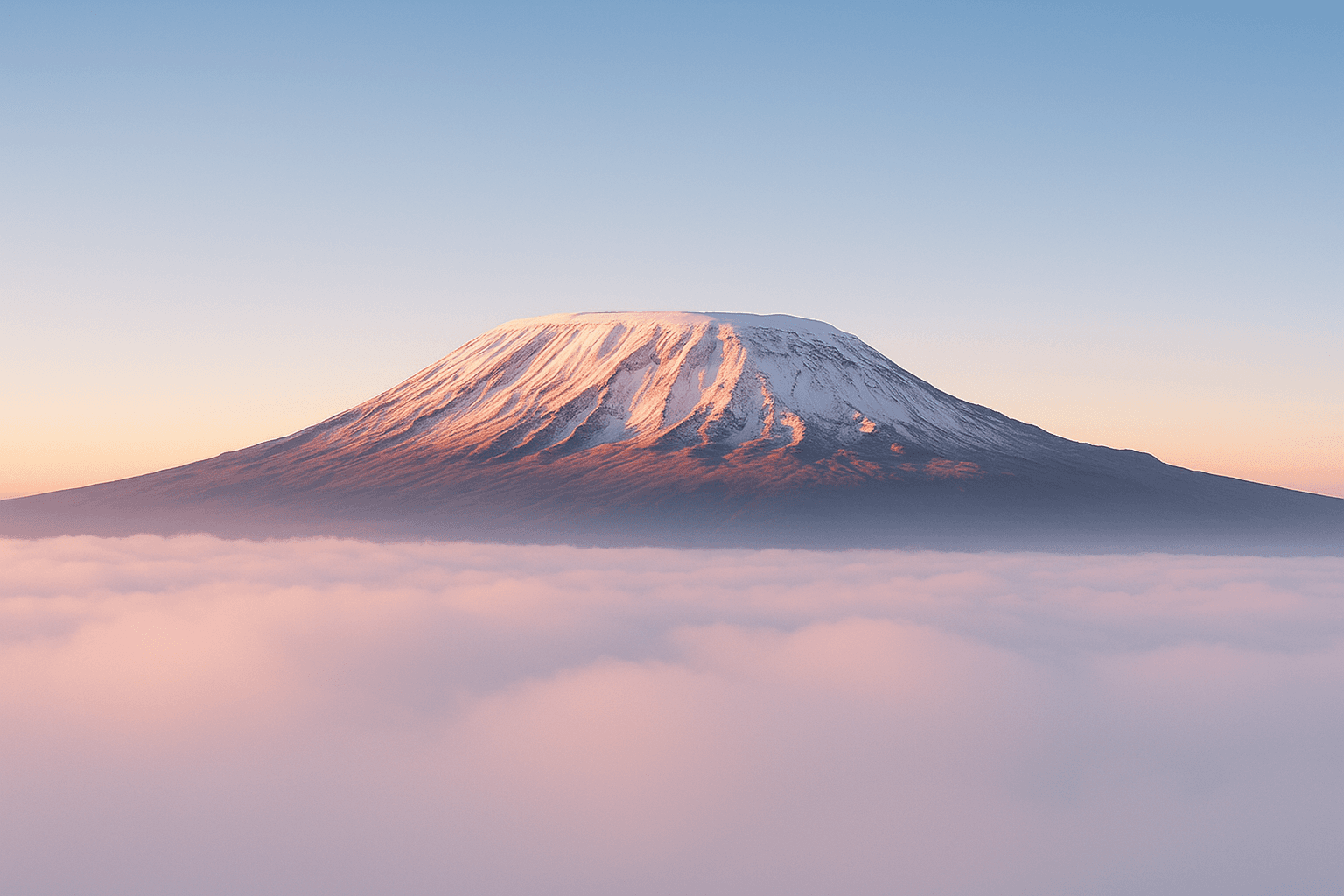
Discover Mount Kilimanjaro, Africa's highest mountain and one of the world's most iconic adventure travel destinations. Rising majestically above the plains of northern Tanzania, Kilimanjaro attracts climbers, nature enthusiasts, and photographers from around the globe. With its snow-capped summit, diverse ecosystems, and breathtaking landscapes, the mountain offers an unforgettable trekking experience through rainforests, moorlands, alpine deserts, and glaciers. Whether you're seeking a life-changing summit adventure or spectacular scenery, Mount Kilimanjaro delivers one of Africa's most extraordinary travel experiences.
As detailed in the table, 5895 metres is the elevation of Mount Kilimanjaro, the highest peak in Africa. Climbing Kilimanjaro is an extraordinary endeavor that transitions through five distinct ecological zones. Just across the border in Kenya, 5199 metres is the elevation of Mount Kenya, the second tallest mountain in Africa. Trekking in Mount Kenya National Park offers a quieter, more rugged experience, but both mountains present severe physiological challenges, primarily Acute Mountain Sickness (AMS), High Altitude Pulmonary Edema (HAPE), and High Altitude Cerebral Edema (HACE).
When comparing climbing Mount Kenya vs Kilimanjaro, the insurance requirements are similarly strict but vary based on the route and altitude. Most standard travel insurance policies cap their coverage for trekking at 3,000 metres. If you ascend beyond this threshold without a specific high-altitude mountaineering rider, your medical and evacuation coverage becomes entirely void. Furthermore, search and rescue protocols on these peaks are highly specialized. If a climber must be evacuated from the upper slopes of Kilimanjaro or Mount Kenya, it requires a coordinated effort involving local park rangers, stretchers, and occasionally helicopter evacuation. Your policy must explicitly cover search and rescue costs, helicopter evacuation, and medical repatriation.
Are Mount Kenya treks covered at high altitude?
When booking mount kenya trekking packages, adventurers are presented with several route options, such as the Sirimon, Chogoria, or Naro Moru routes. A typical mount kenya safari itinerary will detail a rapid ascent over four to six days, starting at around 2,600 metres and peaking at Point Lenana (4,985 metres) for trekkers, or the technical peaks of Batian (5,199 metres) and Nelion (5,188 metres) for experienced rock climbers.
Understanding critical altitude thresholds is vital for selecting the correct travel insurance policy:
Below 3,000 metres: Covered by most standard travel insurance policies. This covers basic forest walks and low-altitude game reserves.
3,000 to 4,500 metres: Requires an "Adventure Sports" or "Trekking" rider. This is the zone where symptoms of altitude sickness commonly manifest.
Above 4,500 metres: Requires an "Extreme Activity" or "High-Altitude Mountaineering" rider. Standard policies will absolutely not cover medical events occurring at this height without this specific extension.
Because of the rapid rate of ascent on many Mount Kenya itineraries, the risk of developing altitude-related illnesses is high. If a trekker develops HAPE or HACE on the mountain, immediate descent is the only cure. If they are unable to walk, a helicopter evacuation is the fastest way to save their life. These helicopter operations are weather-dependent and highly complex, requiring pre-authorization from the insurance provider or a substantial financial guarantee. This is why we mandate that all guests booking our alpine packages provide proof of a comprehensive high-altitude medical evacuation rider before setting foot on the mountain.
Does insurance cover trip cancellation and interruption?
A luxury African safari is a significant financial investment. The high upfront costs are driven by several factors, including exclusive-use boutique lodges, private 4x4 vehicles, and highly regulated conservation fees. For instance, gorilla trekking permits in Rwanda's Volcanoes National Park or Uganda's Bwindi Impenetrable Forest are strictly limited, non-refundable, and cost upwards of $1,500 and $800 per person respectively. These permits must be secured months in advance, and if you are unable to travel, the national parks authorities will not issue a refund.
To protect this investment, we strongly advise purchasing a Cancel For Any Reason (CFAR) travel insurance policy. While standard trip cancellation insurance covers specific unforeseen events such as severe illness, injury, or the death of a close family member, CFAR policies provide an unparalleled layer of flexibility. With a CFAR policy, if you decide for any reason—ranging from professional obligations to generalized travel anxiety—that you cannot go on your safari, you can recover a significant portion (usually 50% to 75%) of your non-refundable prepaid trip costs.
Additionally, regional flights within East Africa can occasionally experience delays due to weather, maintenance, or air traffic control. If a delayed flight causes you to miss a connection, resulting in a missed night at a luxury lodge, a robust trip interruption policy will cover the cost of the missed accommodation, local transfers, and the expenses incurred to catch up with your scheduled itinerary. Without this protection, you would be forced to absorb these substantial costs out of pocket.
A Brief History of Safaris and Modern Safety Standards
The history of safaris has undergone a dramatic evolution over the past century. The word "safari" itself is derived from the Swahili word for "journey" or "to travel," which in turn originates from the Arabic safara. In the late 19th and early 20th centuries, safaris were massive, months-long hunting expeditions undertaken by wealthy European and American explorers. These historical journeys were fraught with extreme peril, lacking any form of modern communication, antibiotics, or organized rescue protocols. A medical emergency in the bush during this era was frequently fatal.
Thankfully, the modern safari industry has shifted entirely toward conservation, photographic tourism, and rigorous safety standards. Today, the role of professional guiding companies is central to guest safety. Our guides undergo years of intensive training in wildlife biology, first aid, defensive driving, and bushcraft. Modern safari vehicles are equipped with first aid kits, satellite communication devices, and GPS tracking systems, ensuring constant contact with our base of operations in Nairobi.
Despite these exceptional modern safety standards, the unpredictability of travel remains. The transition from rugged, unmanaged expeditions to highly structured, luxury experiences has not eliminated the inherent forces of nature. Having a comprehensive insurance policy is the final, modern piece of safety equipment—an intellectual first aid kit that guarantees access to the finest medical minds and logistical networks in the world, matching the sophisticated standards of 21st-century travel.
What should you look for in safari travel insurance?
When shopping for a policy that aligns with our core recommendation—travel insurance: don't travel to Africa without it—you must look past the marketing brochures and carefully read the policy wording. Not all travel insurance policies are created equal, and a cheap policy can prove to be an expensive mistake if it fails to perform in a crisis.
At a minimum, we advise looking for the following key specifications in a safari travel insurance policy:
Emergency Medical Limit: Ensure your policy provides at least $250,000 (and ideally $500,000 or more) in emergency medical coverage. Medical care in private African hospitals is excellent but expensive, and complex cases can quickly deplete lower limits.
Emergency Evacuation and Repatriation: This is the most critical element. Your policy should have a limit of at least $500,000 for emergency medical evacuation. Remember that 100000 dollars is the average starting cost for a private long-range medical evacuation flight back to Europe or North America without insurance if you require specialized care that cannot be provided locally.
Adventure Activity Inclusions: Verify that the policy covers the specific activities on your itinerary. This includes hot air balloon safaris over the Masai Mara, guided walking safaris, white-water rafting on the Nile, and high-altitude trekking if you plan to climb Kilimanjaro or Mount Kenya.
Pre-Existing Medical Condition Waiver: If you have any chronic health conditions, purchase your policy within the required window (usually 14 to 21 days of making your initial trip deposit) to secure a pre-existing medical condition waiver. This ensures that any flare-up of an existing condition while on safari is fully covered.
How do you file an insurance claim from the bush?
In the unfortunate event that you must use your travel insurance while in Africa, knowing how to navigate the claims process is essential. The success of a claim often depends on the documentation you collect at the time of the incident. If you fall ill or sustain an injury, ensure you request comprehensive medical reports, itemized receipts for all treatments, and official diagnoses from the treating physicians before leaving the medical facility.
Ready to Plan Your Worry-Free East African Safari?
Let our expert team craft a bespoke, fully supported itinerary with built-in emergency evacuation support.
If your luggage is lost or stolen, or if you are the victim of a crime, you must file a report with the local police or park authorities within 24 hours of the incident. Obtain a physical copy of the police report or a reference number, as insurance adjusters will require this official documentation to process any claims for lost or stolen property. Similarly, if your flights are delayed, request a written statement from the airline detailing the exact reason for the delay and the duration of the disruption.
Always keep your insurance provider’s 24-hour emergency assistance phone number and your policy number stored in multiple places: on your phone, in your email, and printed on a physical card in your wallet. As your tour operator, Imara Africa Safaris will stand by you during any emergency, coordinating with the medical teams and your insurance provider to facilitate a smooth response. However, having direct, immediate communication with your insurance company’s emergency assistance team is the catalyst that activates your coverage and ensures that payments and guarantees of care are issued without delay.
Yes, we automatically include AMREF Flying Doctors tourist evacuation cover in all our bespoke safari itineraries across Kenya and East Africa to ensure immediate air ambulance access in an emergency.
No, standard policies typically exclude trekking above 3,000 metres, meaning you must purchase a specific high-altitude mountaineering rider to cover your climb on Kilimanjaro.
Yes, you can purchase travel insurance after booking, but buying it within 14 to 21 days of your initial deposit is highly recommended to qualify for pre-existing condition waivers and Cancel For Any Reason coverage.
No, gorilla trekking permits are strictly non-refundable by park authorities, making trip cancellation and interruption insurance vital to recover these high upfront costs if you fall ill.
56views
Share
About the author
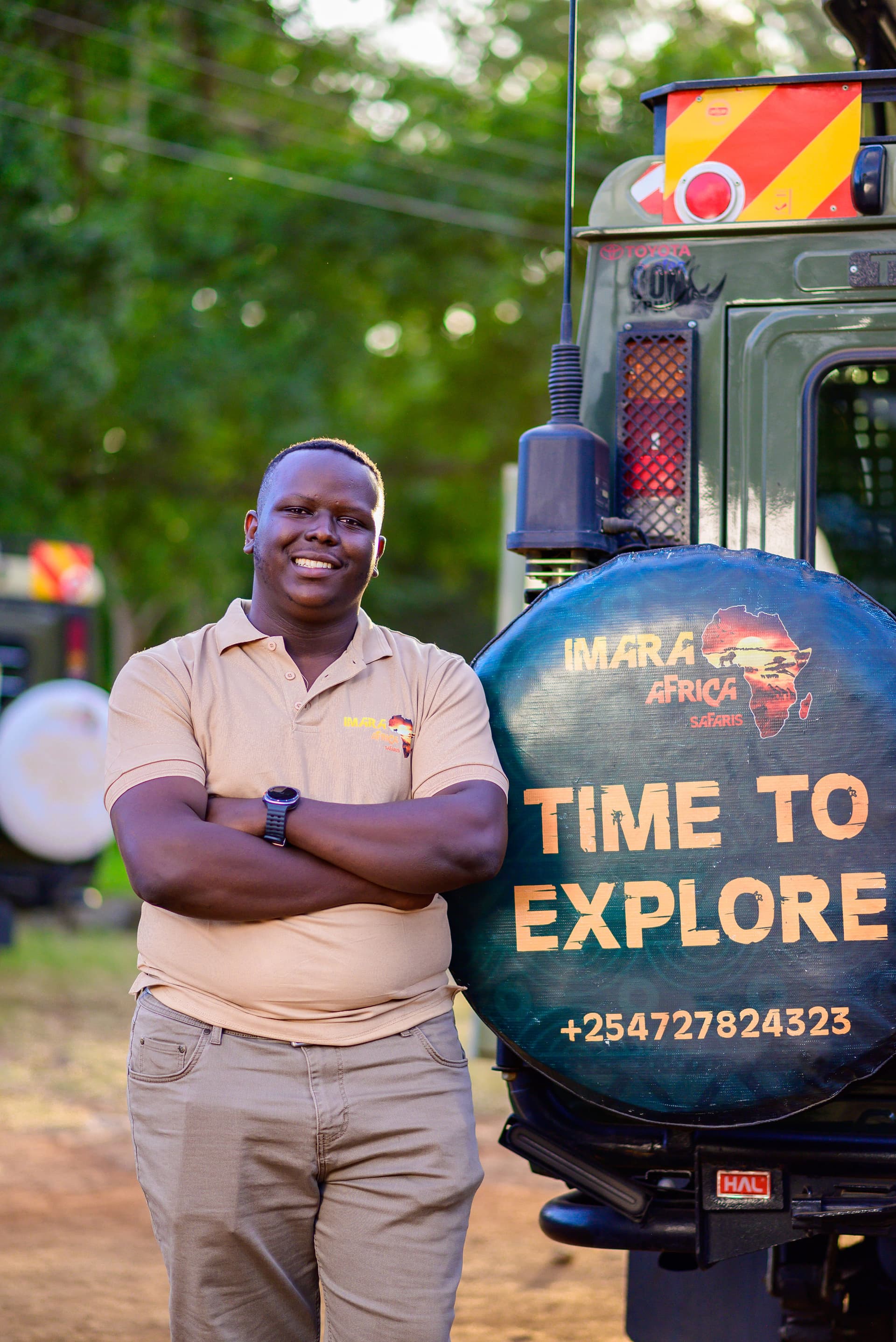
Lewis Munuhe
Founder & Director
<p>Lewis Munuhe is the Director and Owner of Imara Africa Safaris, a trusted safari company dedicated to creating tailor-made African safari experiences across Kenya, Tanzania, Uganda, and Rwanda. With a strong passion for African travel, wildlife, culture, and conservation, Lewis leads the company’s vision of delivering personalized, seamless, and unforgettable safari journeys for travelers from around the world.</p><p>Through Imara Africa Safaris, Lewis helps guests discover East Africa’s most iconic destinations, from the Masai Mara and Serengeti to Uganda and Rwanda’s gorilla trekking regions. His approach focuses on understanding each traveler’s interests, comfort level, budget, and expectations, then transforming those details into carefully curated safari itineraries that feel personal, meaningful, and well-planned.</p><p>As Director and Owner, Lewis is committed to maintaining high standards in safari planning, guest care, destination expertise, and responsible tourism. Whether arranging a luxury wildlife safari, honeymoon escape, family adventure, cultural journey, gorilla trekking safari, or multi-country East African itinerary, he ensures every experience reflects the quality, authenticity, and attention to detail that define Imara Africa Safaris.</p><p>Under his leadership, Imara Africa Safaris continues to help travelers experience the beauty of Africa through expertly planned safaris that celebrate wildlife, landscapes, local cultures, conservation, and unforgettable adventure.</p>
<p>Lewis Munuhe is the Director and Owner of Imara Africa Safaris, a trusted safari company dedicated to creating tailor-made African safari experiences across Kenya, Tanzania, Uganda, and Rwanda. With a strong passion for African travel, wildlife, culture, and conservation, Lewis leads the company’s vision of delivering personalized, seamless, and unforgettable safari journeys for travelers from around the world.</p><p>Through Imara Africa Safaris, Lewis helps guests discover East Africa’s most iconic destinations, from the Masai Mara and Serengeti to Uganda and Rwanda’s gorilla trekking regions. His approach focuses on understanding each traveler’s interests, comfort level, budget, and expectations, then transforming those details into carefully curated safari itineraries that feel personal, meaningful, and well-planned.</p><p>As Director and Owner, Lewis is committed to maintaining high standards in safari planning, guest care, destination expertise, and responsible tourism. Whether arranging a luxury wildlife safari, honeymoon escape, family adventure, cultural journey, gorilla trekking safari, or multi-country East African itinerary, he ensures every experience reflects the quality, authenticity, and attention to detail that define Imara Africa Safaris.</p><p>Under his leadership, Imara Africa Safaris continues to help travelers experience the beauty of Africa through expertly planned safaris that celebrate wildlife, landscapes, local cultures, conservation, and unforgettable adventure.</p>
<p>Lewis Munuhe is the Director and Owner of Imara Africa Safaris, a trusted safari company dedicated to creating tailor-made African safari experiences across Kenya, Tanzania, Uganda, and Rwanda. With a strong passion for African travel, wildlife, culture, and conservation, Lewis leads the company’s vision of delivering personalized, seamless, and unforgettable safari journeys for travelers from around the world.</p><p>Through Imara Africa Safaris, Lewis helps guests discover East Africa’s most iconic destinations, from the Masai Mara and Serengeti to Uganda and Rwanda’s gorilla trekking regions. His approach focuses on understanding each traveler’s interests, comfort level, budget, and expectations, then transforming those details into carefully curated safari itineraries that feel personal, meaningful, and well-planned.</p><p>As Director and Owner, Lewis is committed to maintaining high standards in safari planning, guest care, destination expertise, and responsible tourism. Whether arranging a luxury wildlife safari, honeymoon escape, family adventure, cultural journey, gorilla trekking safari, or multi-country East African itinerary, he ensures every experience reflects the quality, authenticity, and attention to detail that define Imara Africa Safaris.</p><p>Under his leadership, Imara Africa Safaris continues to help travelers experience the beauty of Africa through expertly planned safaris that celebrate wildlife, landscapes, local cultures, conservation, and unforgettable adventure.</p>






Comments
Loading…