
Amboseli National Park Mt Kilimanjaro views explained
Amboseli National Park Mt Kilimanjaro views depend on cloud, wind, light and vehicle position. We explain the fieldcraft behind the famous backdrop.
24 min read94viewsUpdated Sep 27, 2026
“Imara” means strong in Swahili. We build every safari with that same strength — expert knowledge, honest pricing, and relentless attention to detail.
Tell us what you're looking for — we reply within minutes and send a free, no-obligation custom itinerary within 24 hours.
Start PlanningNo spam, ever. Unsubscribe anytime.
Protected by Cloudflare Turnstile & Google reCAPTCHA. Privacy & Terms apply.
Safari deals, travel tips & destination guides — straight to your inbox.
No spam, ever. Unsubscribe anytime.
Protected by Cloudflare Turnstile & Google reCAPTCHA. Privacy & Terms apply.
Amboseli National Park Mt Kilimanjaro views depend on cloud, wind, light and vehicle position. We explain the fieldcraft behind the famous backdrop.
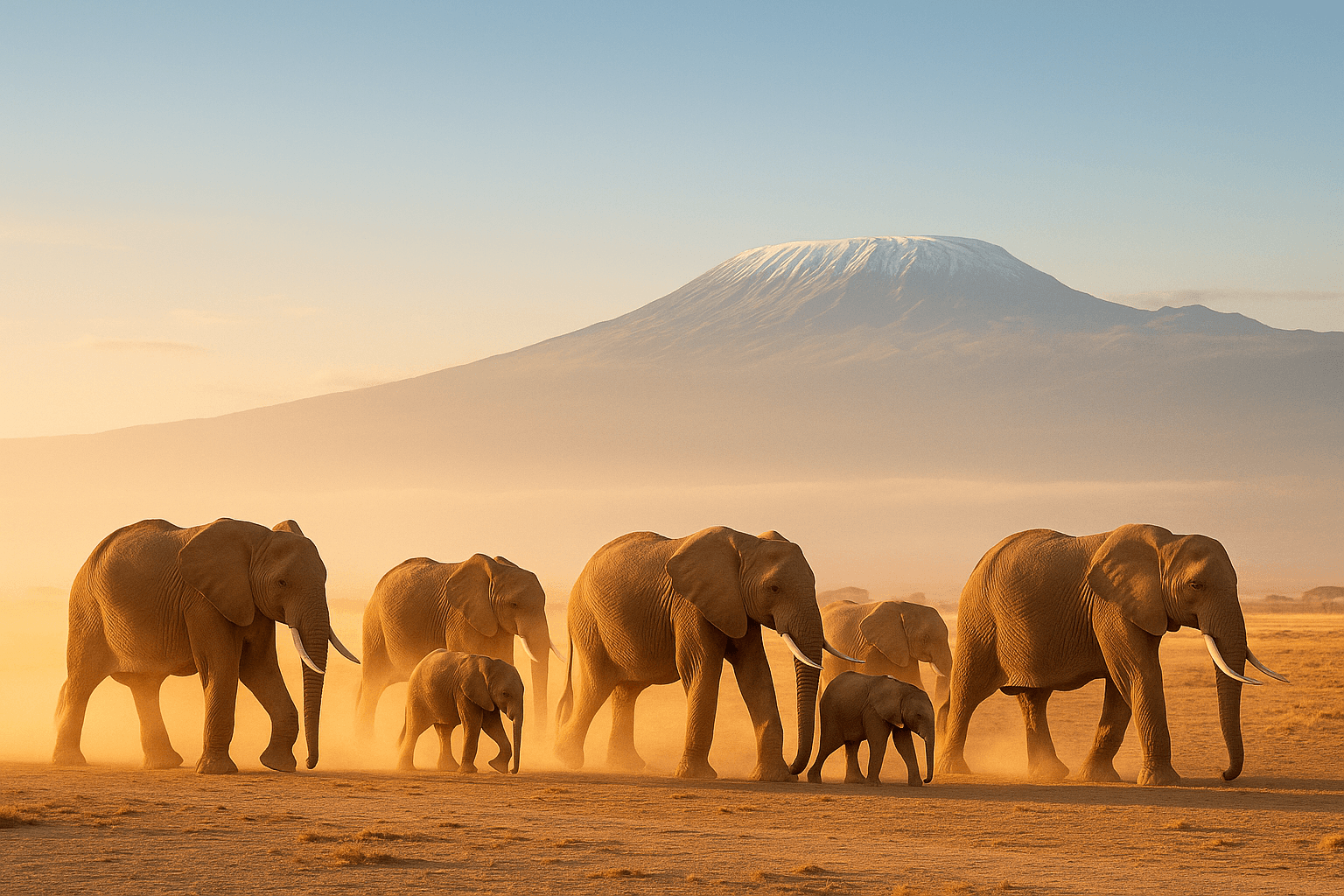
For amboseli national park mt kilimanjaro views, dawn is best, with late afternoon second, because cool air suppresses cloud before Kilimanjaro builds its daytime cap. In mid-June 2026, our guides prioritise early starts, western light and swamp-edge elephant routes as Amboseli moves into its dry-season viewing pattern. ([kws.go.ke](https://www.kws.go.ke/index.php/amboseli-national-park))
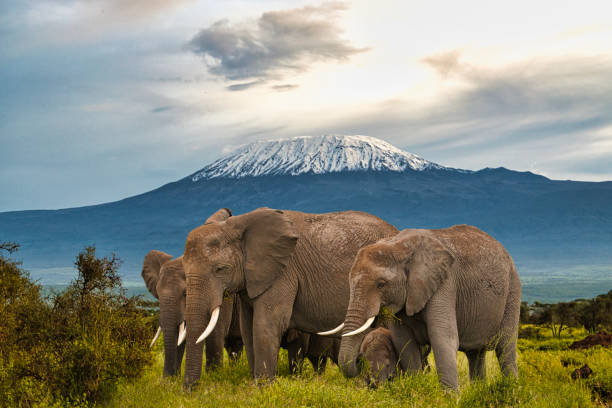
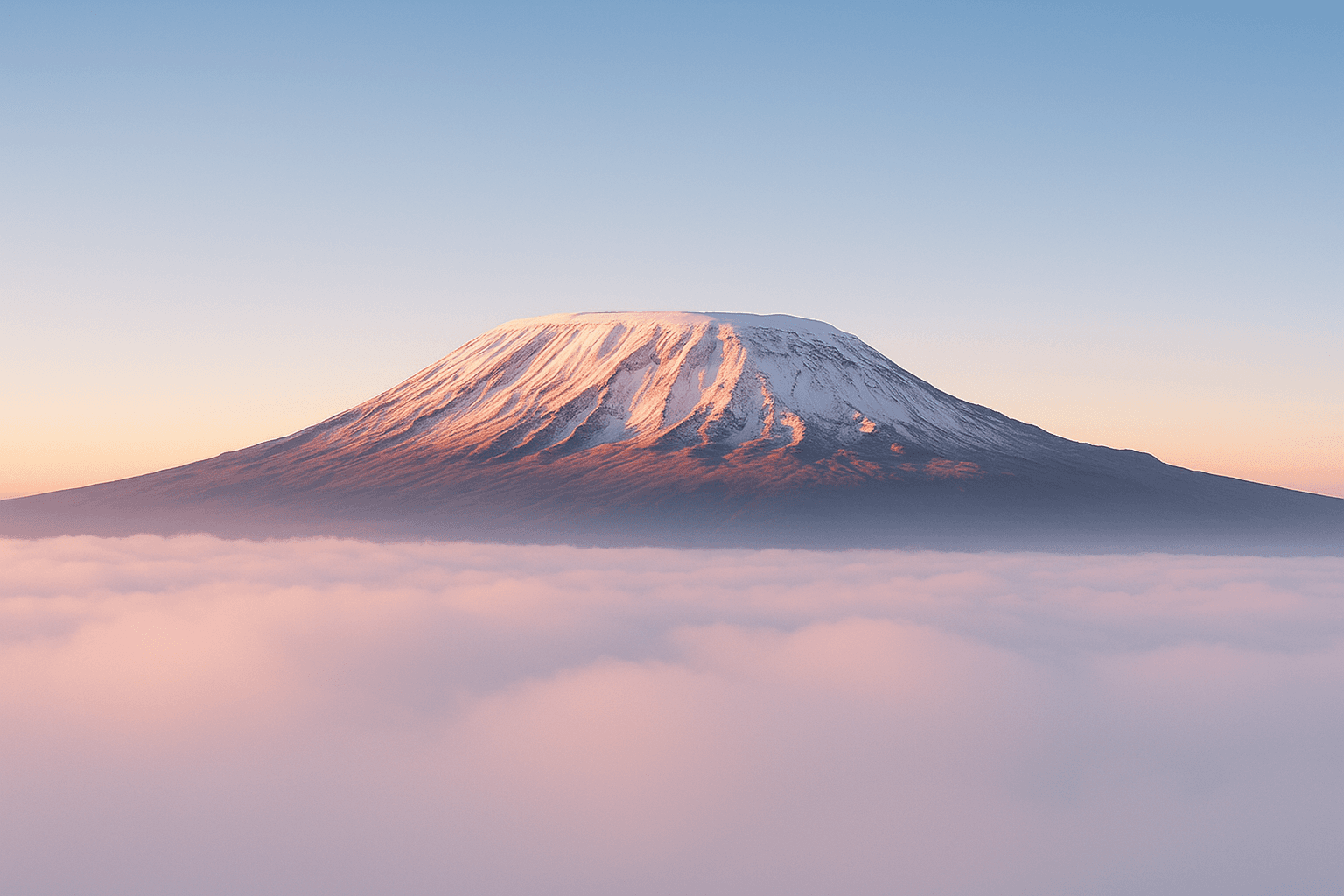
The view is famous because Kilimanjaro is huge, isolated and close enough to dominate the southern horizon, while Amboseli’s basin gives you the low, open foreground that makes the mountain look theatrical rather than distant. Mount Kilimanjaro is in Tanzania, but the broadest classic savannah view — elephant herds, pale lakebed, green swamp edge and white summit — is from Kenya’s Amboseli basin.
Mount Kilimanjaro reaches 5,895 m at its peak and is the highest point in Africa. Mount Kilimanjaro rises alone above the plains, so even when you are not climbing it, its height shapes the safari experience across the border.
Amboseli National Park is 39,206 ha (392.06 km²) at the core of an 8,000 km² Kenya–Tanzania ecosystem. That scale matters: the park is compact enough for strategic game drives, but it sits inside a much larger wildlife landscape of corridors, community lands, swamps and dry-season dispersal routes.
The important expectation is simple: do not assume Kilimanjaro will wait for you. On many days it is visible early, veiled by late morning, then partly revealed again before sunset. Good guiding is not only about finding wildlife; in Amboseli, it is about reading the mountain.
Mid-June is a hinge period in Amboseli. The long rains have usually eased, grass is beginning to cure, and high safari season is gathering pace. The park is not yet at the dustiest stage of August or September, but the wildlife rhythm is already turning towards water: elephant families, zebras, wildebeest and buffalo increasingly orbit the swamp systems as the surrounding plains dry.
For 16–22 June 2026, Amboseli’s forecast shows daytime highs of 25–31°C and lows of 12–16°C. That means a fleece or light insulated layer for the first hour, a sun hat by breakfast, and a careful plan for camera gear because lenses can fog briefly when you leave a cool room for the morning air.
June mornings can feel surprisingly chilly; by midday the light is harder, the lakebed can shimmer, and pale dust reduces contrast. We therefore treat dawn as the serious photographic session and the late afternoon as a bonus, not the other way round.
Kilimanjaro is not merely a background object; it is a weather engine. Its height forces air upwards, and as the day warms, moisture rises through forest, heath and alpine zones. The uplifted air cools, condenses and often forms the familiar cloud cap that hides Kibo just when many travellers are finishing a late breakfast.
Amboseli itself sits in a semi-arid basin within Kilimanjaro’s rain shadow. UNESCO notes that lower elevations in the watershed average about 340 mm of rainfall each year, which helps explain the dusty lakebed, short grass and stark open light that make the mountain backdrop so graphic.
The paradox is that a dry-looking basin still has permanent water. Kenya Wildlife Service notes that springs associated with Mt Kilimanjaro give rise to swamps including Enkong Narok, making these wetlands critical to wildlife in the Amboseli ecosystem.
That is why a simple “best month” answer is never enough. Visibility depends on the last rain, overnight temperature, wind direction, humidity and how quickly the plains heat after sunrise. A dry month with strong haze can disappoint; a wetter month with a clean dawn can produce one of the finest mountain-and-elephant mornings in Africa.
The most reliable window for Amboseli National Park Mt Kilimanjaro views is 06:00–08:30. At this hour, the mountain has had the night to shed heat, the air is cooler, and the sun begins to rake across the plains from the east. If the summit is visible, we do not waste time: we move to the correct side of the basin and build the morning around the mountain.
Late afternoon is the second chance. Cloud sometimes thins as convection weakens, shadows lengthen across the lakebed, and elephants begin to leave swamp feeding areas. The light is warmer and more emotional, though usually less crisp than first light.
Lunch is the least reliable time for mountain photography. Haze, heat shimmer and high cloud usually peak between late morning and mid-afternoon. This does not make the safari poor — the swamps may be full of elephants, egrets, jacanas and buffalo — but it is rarely the hour to plan the hero Kilimanjaro frame.
The classic Amboseli photograph is not accidental. It requires four things to align: elephant direction, road angle, sun position and a clean mountain background. Our guides prefer patience at crossings, swamp exits and open approaches over chasing every herd. The best image often comes when you wait where animals already want to move.
Our guides choose positions dynamically according to wind, elephant movement, light angle and road access.
The ethical rule is firm: we never pressure wildlife into a frame. A vehicle should not block a matriarch’s path to water, split a family, or force young calves to hurry because a photographer wants Kilimanjaro behind them. The mountain will be there tomorrow; the animals’ trust is earned slowly.
“Local guide tip: if Kilimanjaro is clear and elephants are feeding calmly, stop before the perfect frame and let the herd walk into it.”
Amboseli’s signature is elephant behaviour at scale. Families leave woodland or night-feeding areas, cross the open plains, then spend long hours feeding in swamp vegetation. As forage dries outside the wetlands, the swamps become more important, especially for calves, lactating females and older elephants conserving energy.
The Amboseli Trust for Elephants recorded 1,903 living elephants in its study population at the end of 2024, up from 1,878 at end-2023. For guests, that number translates into a rare chance to watch known families, matriarch decisions, calf play, greeting ceremonies and bulls moving independently across the ecosystem.
For a deeper reading of behaviour, our African elephant guide explains family structure, musth, communication and the subtle ways elephants negotiate space around vehicles.
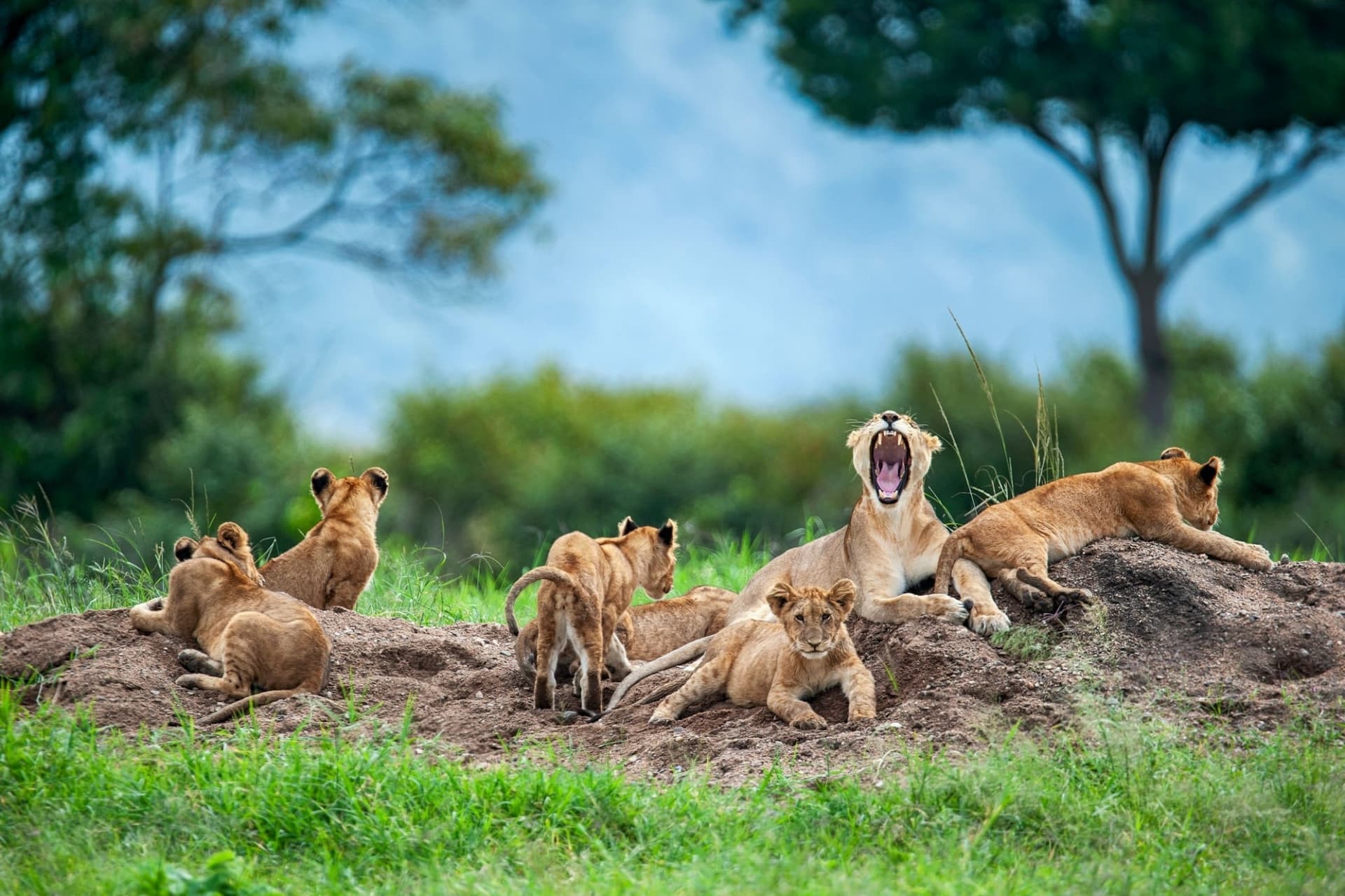
Beyond elephants, the lakebed and woodland fringes carry much of the park’s plains game. Zebras and wildebeest graze the short grass; buffalo favour water and shade; giraffe browse acacia edges; Grant’s and Thomson’s gazelles use open country where visibility reduces predator risk. Lions and cheetahs occur, and leopards are possible but elusive. Amboseli hosts four of Africa the Big Five, yet its defining gift is not a checklist — it is elephants moving under a mountain. KWS describes the park as home to four members of the Big Five and a rich birdlife associated with its swamps and wetlands.
If you want the wider species picture before travelling, our Amboseli wildlife guide pairs well with this mountain-view plan.
Amboseli rewards photographers who think in layers: animal, dust, grass, swamp, mountain, sky. A phone can capture the feeling, but serious kilimanjaro photography benefits from two bodies or a quick lens strategy because elephant movement can change faster than you can safely swap lenses in a dusty vehicle.
Expose carefully for the white summit. If you expose only for dark elephants, the snow can burn out; if you protect the snow too aggressively, elephants may become heavy silhouettes. We usually advise a small negative exposure compensation when the summit is bright, then recovery of shadows in editing.
Low-angle composition from a safari vehicle is about restraint. Rest the lens on a beanbag, avoid standing suddenly when elephants are close, and ask the guide to angle the vehicle rather than edge forward repeatedly. Dust is part of the Amboseli mood, but keep a blower, sealed bag and microfibre cloth ready; do not change lenses in a dust plume.
Heat haze is the silent spoiler. Long telephoto frames across the lakebed can look painterly by 09:30 and unusable by 11:00. If you want crisp detail, shoot early, reduce distance to your subject where ethical, and avoid trying to photograph across a long strip of sun-baked ground.
The best months for Amboseli views are not simply the driest months. Dry weather often improves access and wildlife concentration, but wet-season mornings can produce luminous grass, reflective pools and dramatic clouds. The right choice depends on whether you are a photographer, a family, a first-time safari guest or a repeat traveller seeking mood over certainty.
Warm, often dusty months with good morning visibility and lower grass. Excellent for travellers who want strong Kilimanjaro chances outside the July–October peak.
Cloud risk increases, tracks can be muddy and Kilimanjaro may hide for longer. When the mountain does clear, the foreground can be lush and unusually beautiful.
The current season moves into the classic dry window: cooler mornings, stronger wildlife concentration around swamps and better dawn photography discipline.
Expect more cloud variability, greener landscapes and occasional storm light. This can suit repeat safari guests who prefer atmosphere over guaranteed clarity.
For most travellers, June to October gives the most straightforward safari logic: reliable wildlife, drier roads and stronger swamp dependence. For photographers, January, February, June and early July can be excellent; November can be superb when the short rains wash dust from the air without settling into all-day cloud.
A Nairobi day trip is possible, but it is risky for serious Amboseli National Park Mt Kilimanjaro views. KWS road guidance gives 204 km from Nairobi via Emali–Iremito Gate and 220 km via Namanga–Meshanani Gate, which means you may arrive after the best mountain window unless you leave extremely early.
 KE
KEKenya · Nairobi City
Two nights is the sweet spot for most guests: one arrival drive, two dawns, one full day and two late-afternoon chances. Three nights suits photographers, elephant specialists and travellers who dislike rushing. It also gives our guides freedom to hold position when a herd is building into a great crossing rather than abandoning it for a transfer schedule.
Amboseli is an ideal short safari from Nairobi and a strong opening chapter in longer Kenya safaris. If your wider wish list includes a safari in the Masai Mara, Lake Naivasha, Laikipia or the coast, we normally protect at least two Amboseli nights rather than treating the park as a quick photo stop.
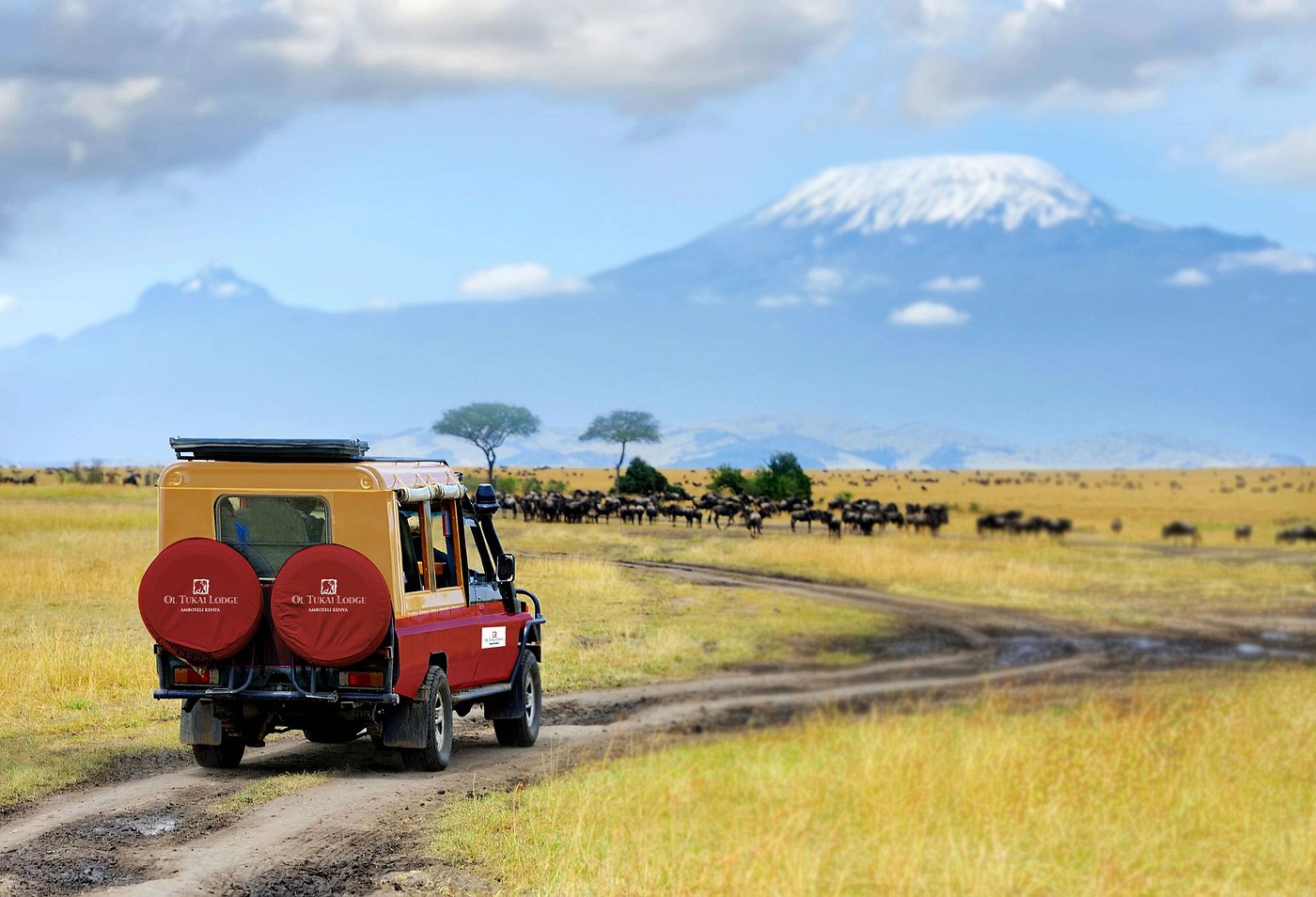
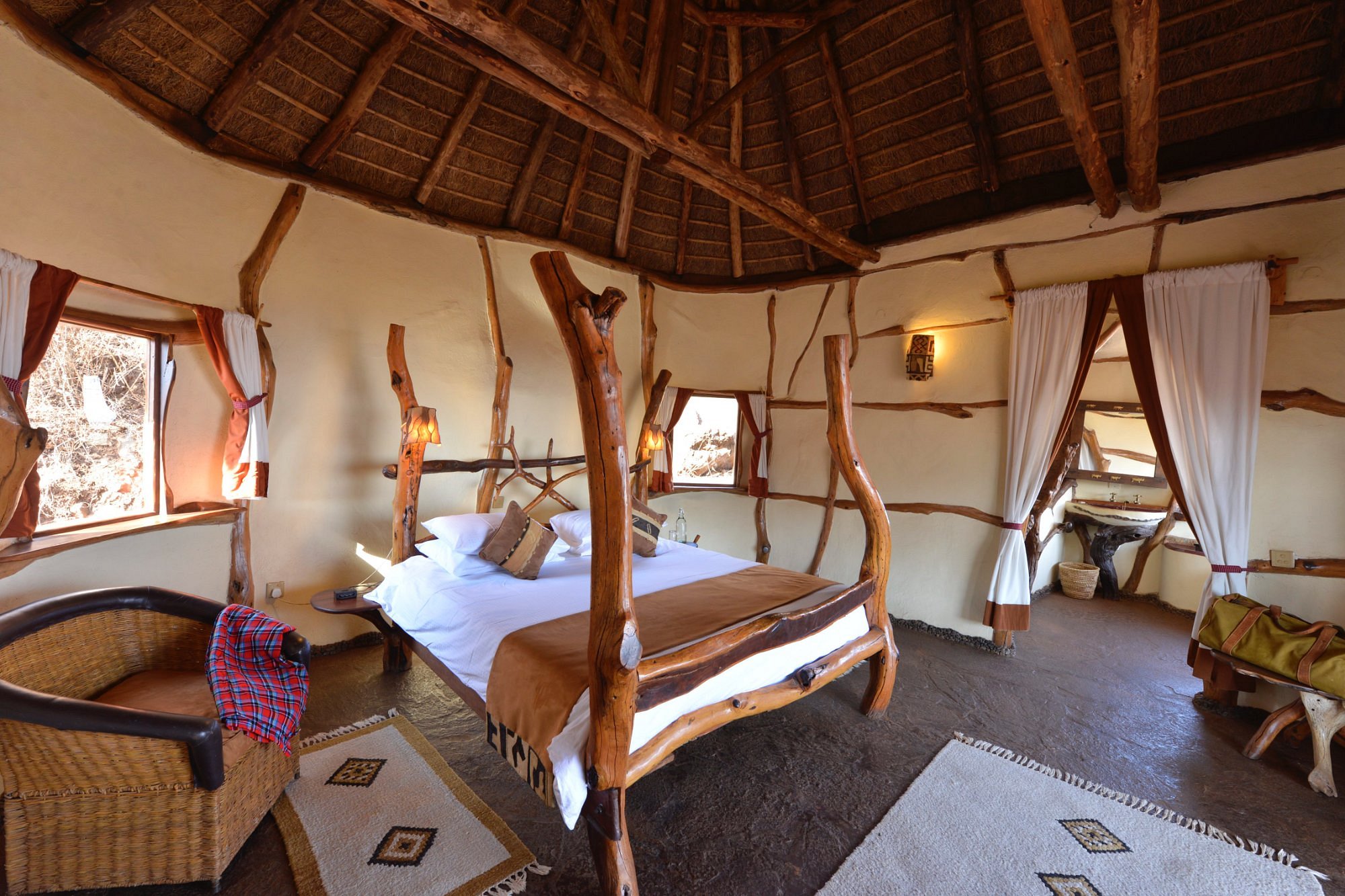
Accommodation choice affects your first hour. Inside-park lodges such as Ol Tukai Lodge give fast access to central routes, woodland edges and swamp approaches. That matters when the summit is clear at 06:20 and the first elephant lines are already forming.
 KE
KEAn Eco-Luxury Safari Oasis Situated Directly Inside Amboseli’s Elephant Heartlands
Amboseli National Park
Best Location
 KE
KEEco-Luxury Living on a Private Conservancy Under the Shadow of Kilimanjaro
Amboseli National Park
Eco-Friendly
Camps on the Kimana side or Satao Elerai side may offer quieter approaches, conservancy ambience and beautiful private views towards Kilimanjaro. Satao Elerai Camp, for example, sits outside the national park in a position that can feel more spacious and less busy, though exact game-drive routing depends on gate access, road condition and your day plan.
As an East African luxury safari operator, we match the lodge to the guest rather than simply ranking properties. A honeymooner may want a tented suite with space and view orientation; a family may need adjoining rooms and predictable meals; an affordable safari may work best with a simpler camp, excellent guiding and disciplined routing.
Amboseli plus Masai Mara National Reserve is Kenya’s classic elephants-and-cats pairing. Amboseli gives scale, Kilimanjaro and elephant society; the Masai Mara adds open grasslands, big-cat density, river systems and, in season, migration drama. It is one of the strongest combinations for travellers searching africa safaris with both scenery and predator action.
 KE
KEKenya · Masai Mara National Reserve
Tsavo West adds a different texture: lava flows, Chyulu views, rhino sanctuaries in some itineraries and Mzima Springs. It also creates a practical road link from Amboseli towards the coast. If you prefer landscapes as much as sightings, Tsavo West National Park gives your safari a wilder, more volcanic rhythm.
For guests building wider africa kenya safaris or cross-border journeys, Amboseli can connect with Kilimanjaro, Arusha, Serengeti National Park or Ngorongoro Crater. The choice depends on border logistics, flight routes, available nights and whether you want to climb, photograph or simply admire the mountain. If you are still comparing Kenya, Tanzania, Uganda and Rwanda, our first-timer’s East Africa guide will help you frame the bigger decision.
Kenya Wildlife Service lists 2026 Amboseli non-resident conservation fees at USD 90 per adult and USD 45 per child, payable via eCitizen. Vehicle charges, accommodation, guiding time and transport then determine the real safari cost, so compare inclusions carefully before accepting the cheapest headline.
An affordable african safari is not the same as the cheapest affordable safari. We reduce cost intelligently through season, routing, lodge choice and shared logistics where appropriate; we do not cut the dawn drive, guide quality or time in the field. Those are precisely the things that make Amboseli work.
If your goal is an africa big five safari or you are comparing searches for africa the big 5 and africa the big five, extend beyond Amboseli. Our Kenya Big Five Safari pairs Amboseli’s elephants with stronger rhino and big-cat country for a more complete wildlife list.
The most common mistake is sleeping through the only clean hour. A relaxed breakfast feels pleasant until you step outside at 08:45 and see a cloud cap where the summit had been sharp an hour earlier. In Amboseli, the best mornings begin in darkness.
Another mistake is judging Amboseli only by mountain visibility. If cloud hides Kilimanjaro, the park still offers elephants feeding chest-deep in swamp, buffalo in papyrus, raptors over the lakebed and Maasai giraffe along the woodland fringe. A flexible guide turns a cloudy mountain morning into a rich wildlife morning.
When the summit is visible, our ideal day starts before sunrise. We leave the lodge or camp with cameras ready, not buried in bags, and move first to an open position where Kilimanjaro is clean. If elephants are already crossing, we stop early, switch off, and let the line develop.
Tell us your dates, budget and photography priorities, and our Nairobi team will shape the right Amboseli routing around current weather, lodge position and wildlife movement.
Our guides read the overnight sky, local wind, humidity and the mountain outline before committing to a Kilimanjaro-first route.
We aim to be moving at first usable light, with warm layers on and cameras ready before the cloud cap forms.
A clear summit alone is not the photograph; we look for elephant paths, dust, acacia shapes, grass height and sun angle.
We stop where animals can continue naturally, avoiding pressure on elephant families or blocking a swamp approach.
If Kilimanjaro disappears, we work elephant behaviour, birds, lions, hyenas, zebra movement and swamp ecology rather than wasting the morning.
When heat drops and cloud thins, we try a second mountain window, often with warmer light and calmer vehicle traffic.
If cloud hides Kilimanjaro at dawn, we do not sit mournfully staring at grey sky. We switch to elephant behaviour, birds, tracks, predator signs and swamp ecology, while keeping one eye on the southern horizon. The mountain often rewards patience, but Amboseli should never be reduced to a backdrop.
Ask Imara Africa Safaris to tailor a Kenya or wider East Africa safari around current weather, wildlife movement, lodge position and your photographic priorities. We plan safaris for travellers who want the famous frame, but we guide for the living system behind it.
 KE
KEExperience the beauty of Amboseli National Park, one of Kenya's most famous safari destinations, renowned for its large herds of free-roaming elephants and breathtaking views of Mount Kilimanjaro, Africa's highest peak. Located in southern Kenya near the Tanzania border, Amboseli offers exceptional wildlife viewing, diverse habitats, and unforgettable photographic opportunities. From thrilling game drives and birdwatching adventures to cultural encounters with the Maasai community, Amboseli National Park delivers an authentic African safari experience surrounded by stunning landscapes and abundant wildlife.
At a glance
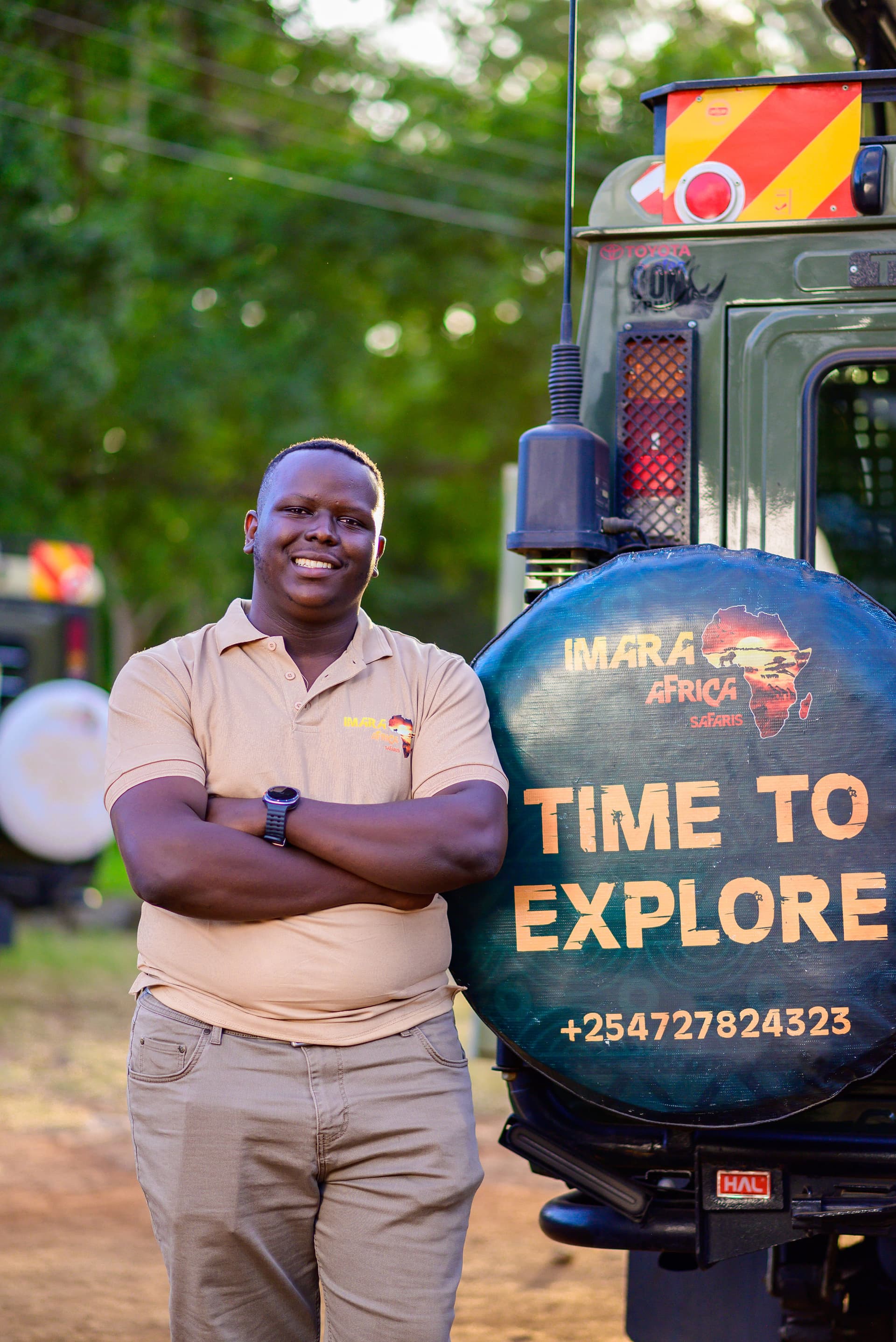
Lewis Munuhe
Founder & Director
<p>Lewis Munuhe is the Director and Owner of Imara Africa Safaris, a trusted safari company dedicated to creating tailor-made African safari experiences across Kenya, Tanzania, Uganda, and Rwanda. With a strong passion for African travel, wildlife, culture, and conservation, Lewis leads the company’s vision of delivering personalized, seamless, and unforgettable safari journeys for travelers from around the world.</p><p>Through Imara Africa Safaris, Lewis helps guests discover East Africa’s most iconic destinations, from the Masai Mara and Serengeti to Uganda and Rwanda’s gorilla trekking regions. His approach focuses on understanding each traveler’s interests, comfort level, budget, and expectations, then transforming those details into carefully curated safari itineraries that feel personal, meaningful, and well-planned.</p><p>As Director and Owner, Lewis is committed to maintaining high standards in safari planning, guest care, destination expertise, and responsible tourism. Whether arranging a luxury wildlife safari, honeymoon escape, family adventure, cultural journey, gorilla trekking safari, or multi-country East African itinerary, he ensures every experience reflects the quality, authenticity, and attention to detail that define Imara Africa Safaris.</p><p>Under his leadership, Imara Africa Safaris continues to help travelers experience the beauty of Africa through expertly planned safaris that celebrate wildlife, landscapes, local cultures, conservation, and unforgettable adventure.</p>
Lewis Munuhe
Founder & Director
<p>Lewis Munuhe is the Director and Owner of Imara Africa Safaris, a trusted safari company dedicated to creating tailor-made African safari experiences across Kenya, Tanzania, Uganda, and Rwanda. With a strong passion for African travel, wildlife, culture, and conservation, Lewis leads the company’s vision of delivering personalized, seamless, and unforgettable safari journeys for travelers from around the world.</p><p>Through Imara Africa Safaris, Lewis helps guests discover East Africa’s most iconic destinations, from the Masai Mara and Serengeti to Uganda and Rwanda’s gorilla trekking regions. His approach focuses on understanding each traveler’s interests, comfort level, budget, and expectations, then transforming those details into carefully curated safari itineraries that feel personal, meaningful, and well-planned.</p><p>As Director and Owner, Lewis is committed to maintaining high standards in safari planning, guest care, destination expertise, and responsible tourism. Whether arranging a luxury wildlife safari, honeymoon escape, family adventure, cultural journey, gorilla trekking safari, or multi-country East African itinerary, he ensures every experience reflects the quality, authenticity, and attention to detail that define Imara Africa Safaris.</p><p>Under his leadership, Imara Africa Safaris continues to help travelers experience the beauty of Africa through expertly planned safaris that celebrate wildlife, landscapes, local cultures, conservation, and unforgettable adventure.</p>
Lewis Munuhe
Founder & Director
<p>Lewis Munuhe is the Director and Owner of Imara Africa Safaris, a trusted safari company dedicated to creating tailor-made African safari experiences across Kenya, Tanzania, Uganda, and Rwanda. With a strong passion for African travel, wildlife, culture, and conservation, Lewis leads the company’s vision of delivering personalized, seamless, and unforgettable safari journeys for travelers from around the world.</p><p>Through Imara Africa Safaris, Lewis helps guests discover East Africa’s most iconic destinations, from the Masai Mara and Serengeti to Uganda and Rwanda’s gorilla trekking regions. His approach focuses on understanding each traveler’s interests, comfort level, budget, and expectations, then transforming those details into carefully curated safari itineraries that feel personal, meaningful, and well-planned.</p><p>As Director and Owner, Lewis is committed to maintaining high standards in safari planning, guest care, destination expertise, and responsible tourism. Whether arranging a luxury wildlife safari, honeymoon escape, family adventure, cultural journey, gorilla trekking safari, or multi-country East African itinerary, he ensures every experience reflects the quality, authenticity, and attention to detail that define Imara Africa Safaris.</p><p>Under his leadership, Imara Africa Safaris continues to help travelers experience the beauty of Africa through expertly planned safaris that celebrate wildlife, landscapes, local cultures, conservation, and unforgettable adventure.</p>
Our trips
Stories, sightings & itineraries from the field.
22°C
overcast clouds
Feels like 22° · 64% humidity
🦁Right now in the bush: Head to lodge shade — animals rest in midday heat.


Comments
Loading…