
Kenya Green Season Safari: January to March Guide
Our Kenya Green Season Safari Guide explains how January to March delivers resident Big Five wildlife, calving, birding, softer light and better-value lodges.
26 min read73viewsUpdated Sep 27, 2026
“Imara” means strong in Swahili. We build every safari with that same strength — expert knowledge, honest pricing, and relentless attention to detail.
Tell us what you're looking for — we reply within minutes and send a free, no-obligation custom itinerary within 24 hours.
Start PlanningNo spam, ever. Unsubscribe anytime.
Protected by Cloudflare Turnstile & Google reCAPTCHA. Privacy & Terms apply.
Safari deals, travel tips & destination guides — straight to your inbox.
No spam, ever. Unsubscribe anytime.
Protected by Cloudflare Turnstile & Google reCAPTCHA. Privacy & Terms apply.
Our Kenya Green Season Safari Guide explains how January to March delivers resident Big Five wildlife, calving, birding, softer light and better-value lodges.
The phrase “green season” needs careful handling. World Bank CCKP’s Kenya profile lists January to March as the warm dry season and April to June as the long wet season; Kenya’s 1901-2020 mean annual temperature is 24.3°C and precipitation is 668.6 mm. For safari planning, January to March is green because the November and December short rains have flushed the plains, not because it behaves like April or May.
January and February are usually the safest green-season months for most travellers: warm mornings, clear dawns, open grass, and only occasional showers in many safari areas. March is more transitional. It can be glorious, with thunderheads building over the escarpments and intense colour after rain, but it asks for more patience, better vehicles and a route that does not depend on fragile black-cotton-soil tracks.
Compared with peak-season africa safaris in July, August and September, the January to March window gives you more room to breathe. Sightings are calmer, picnic spots are quieter, and a good guide can spend forty minutes reading a hunt rather than negotiating a traffic jam. This is not the season for dramatic Mara River crossings; it is the season for resident predators, elephant family behaviour, young antelope, birding and subtle fieldcraft.
As of 16 June 2026, the January to March 2026 window has passed. The next full planning window is 1 January to 31 March 2027, and we would treat the 2026 fee structure as a practical benchmark rather than a guarantee. Narok County Government and Kenya Wildlife Service tariffs should always be reconfirmed before ticketing, because park and conservation fees can materially change the final safari cost.
At a glance
Narok County has confirmed the 2026 Masai Mara park fees for non-resident adults at USD 100 per person per day from 1 January to 30 June, and USD 200 per person per day from 1 July to 31 December. The county’s published fee schedule follows the same low-season and high-season structure for Masai Mara National Reserve fees. The October 2025 KWS tariff lists Amboseli and Lake Nakuru National Parks at USD 90 per non-resident adult and USD 45 per child or student, while Tsavo East and Tsavo West are listed at USD 80 per non-resident adult and USD 40 per child or student.
If you want a particular guide, a small tented camp, interconnecting family rooms or a honeymoon tent with the best outlook, start enquiring in mid-2026 for January and February 2027. The best green-season value is not last-minute discounting; it is choosing the right room, guide and route while the portfolio is still open. Our wider Kenya safaris page is a useful starting point if you are comparing safari styles before we design the route.
Kenya Immigration states that all visitors, including infants and children, need an approved eTA before travel, with processing within three working days; Kenya Civil Aviation Authority guidance lists the standard eTA fee at USD 30 excluding payment charges. We still advise applying earlier than the minimum window, especially when travelling with children, multiple passports or regional extensions to Tanzania, Uganda or Rwanda.
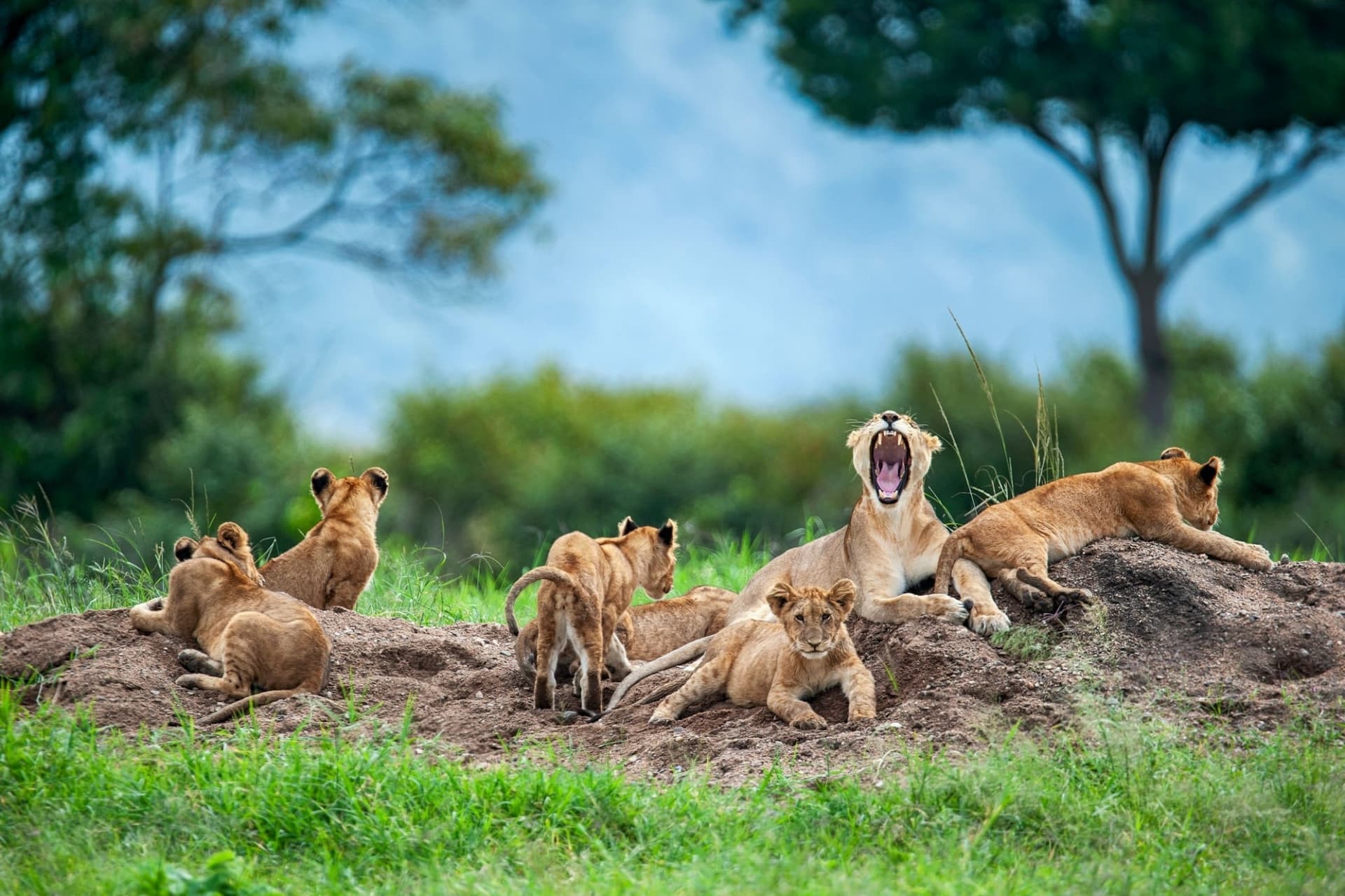
The Masai Mara green season is one of the most underrated safari experiences in Africa. After the short rains, the plains around Talek, Musiara, the Mara Triangle and the eastern grasslands look freshly lit. Grass is green but still low enough in many areas for cats to hunt visibly, and dawn often breaks with clean horizons, low mist in the riverine strips and golden light on the open plains.

 KE
KEThe Masai Mara National Reserve in southwestern Kenya is a premier 1,510-square-kilometre wildlife sanctuary. Renowned for the annual Great Wildebeest Migration from July to October, it offers exceptional year-round Big Five viewing across open savannahs. The reserve is contiguous with Tanzania's Serengeti, forming a critical, biodiverse transboundary ecosystem.
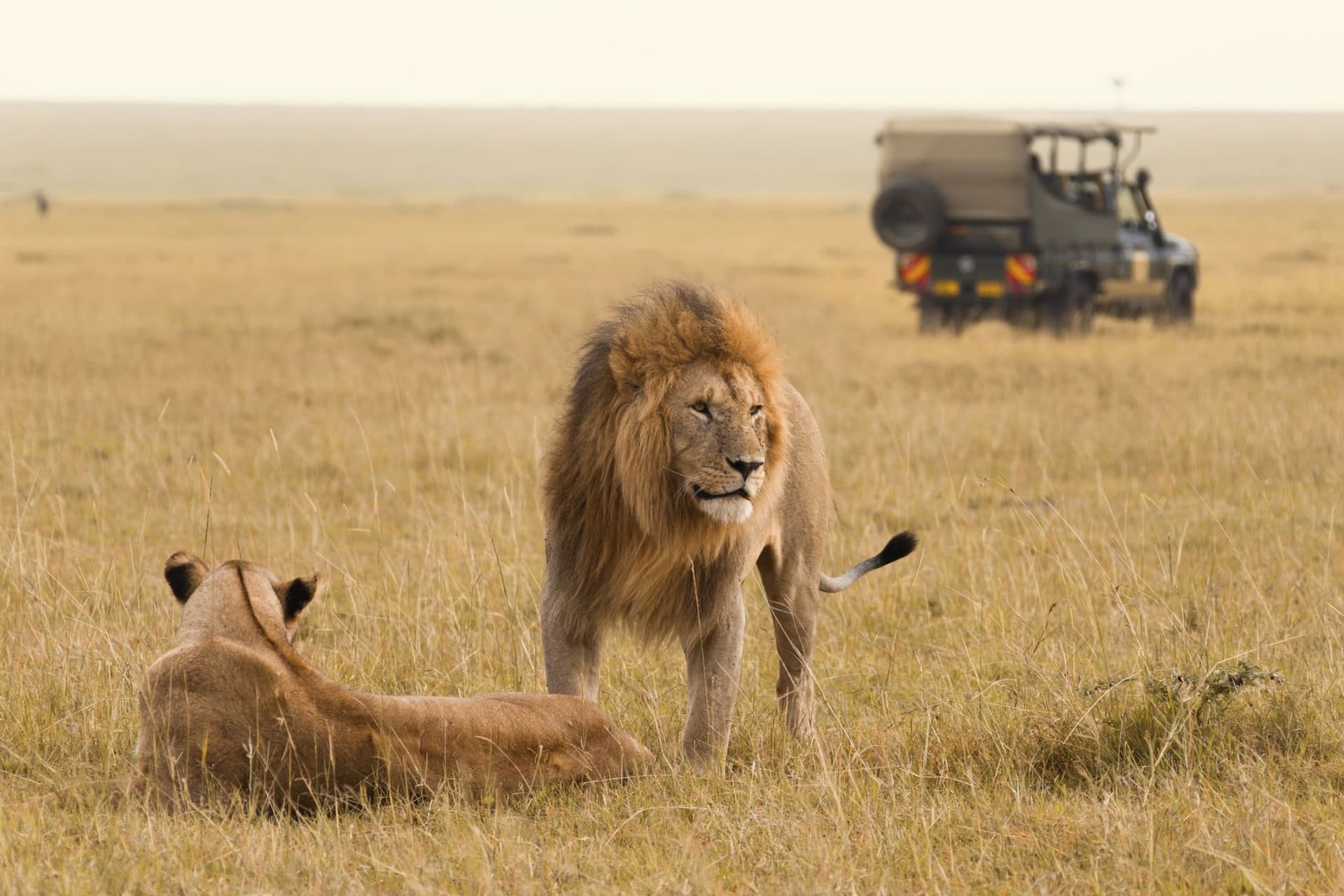
Masai Mara National Reserve’s core area is about 1,510 km², roughly 230 km from Nairobi, with around 2,000 km² of surrounding community conservancies. That scale matters: in January to March, resident wildlife is not waiting for migration herds. African lion prides, cheetahs, leopards, African elephant, buffalo, giraffe, zebra, topi, impala and Thomson’s gazelle remain in the ecosystem year-round, shifting with grass height, water, prey pressure and territory.
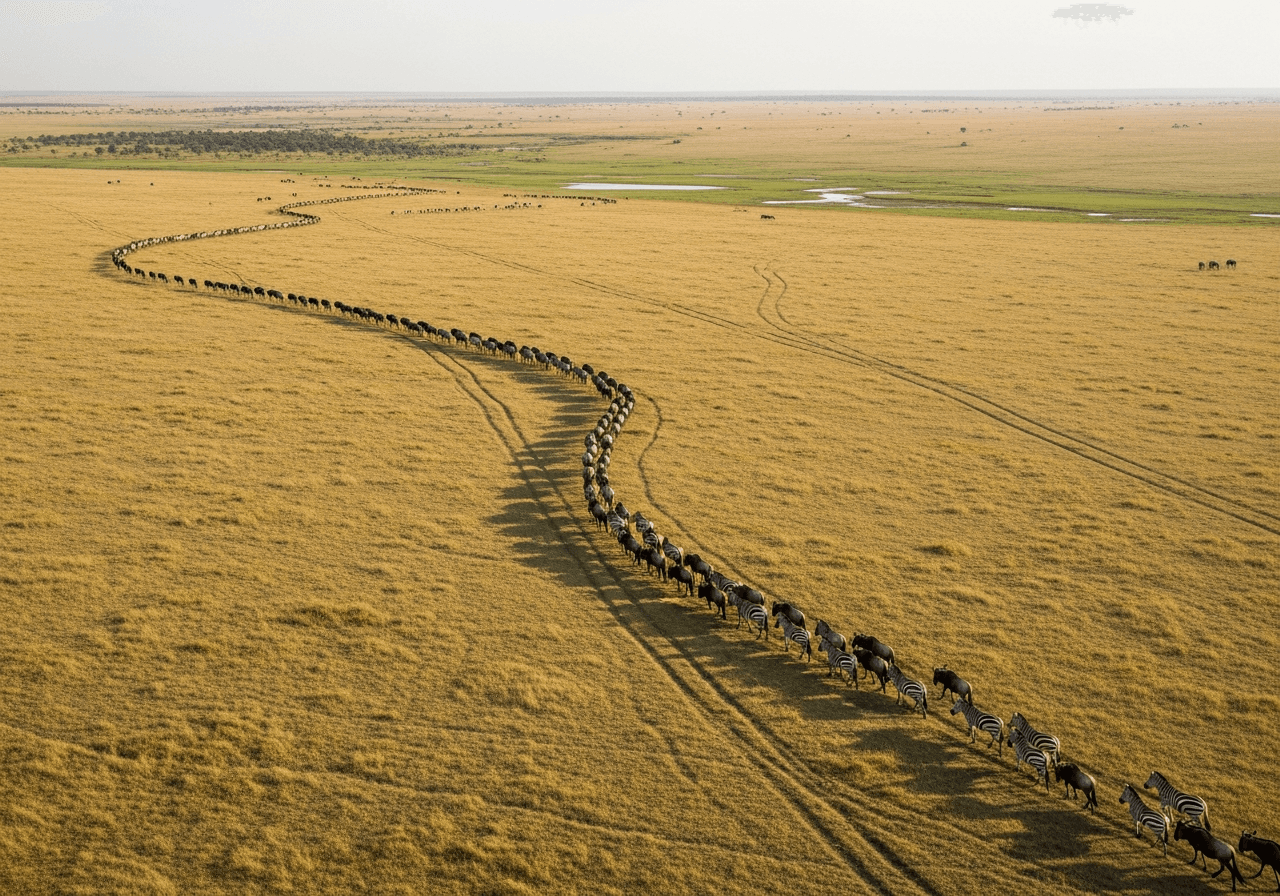
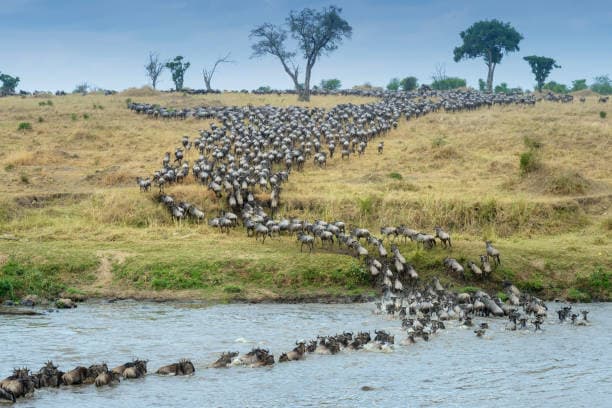
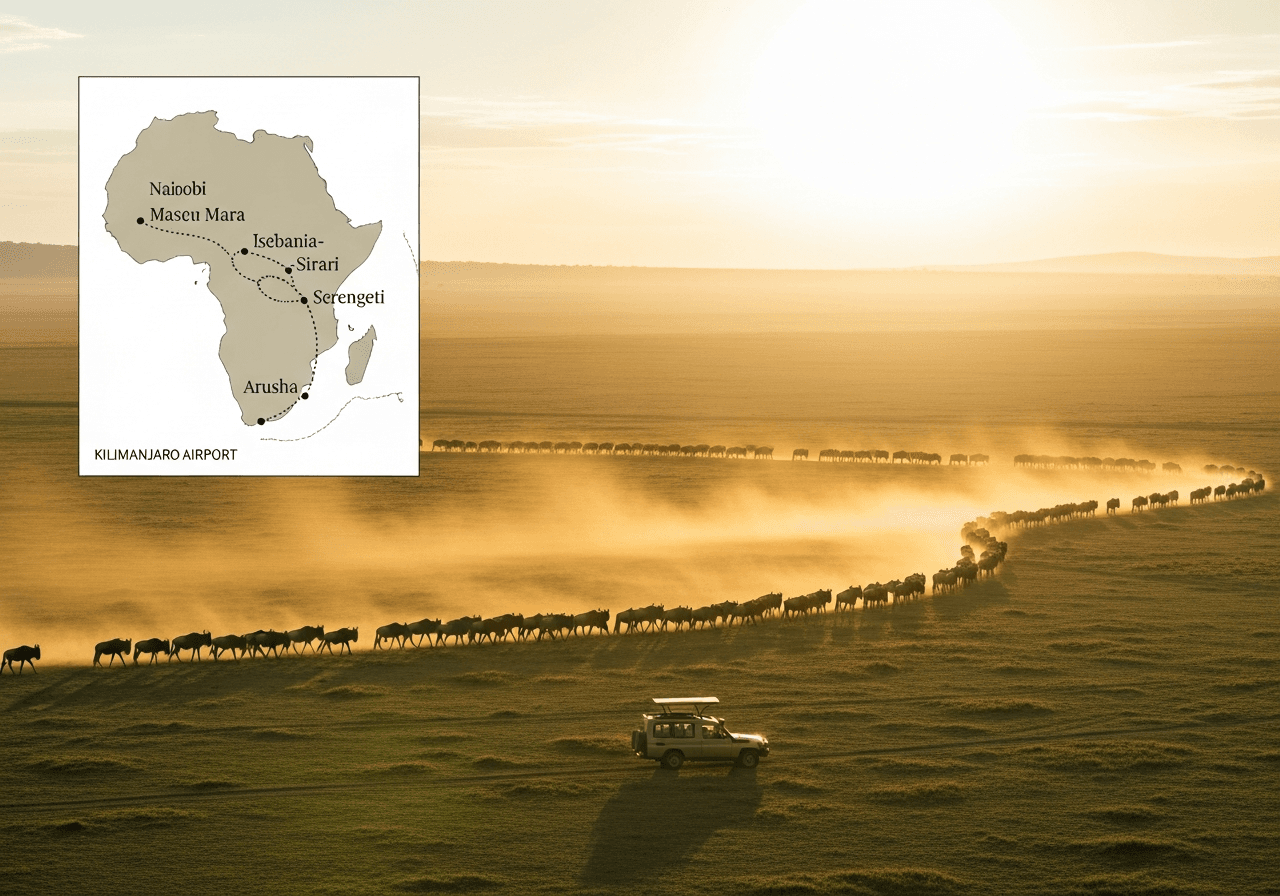
The Great Migration distinction is important. The famous Mara River crossings usually belong to the July to October period, when herds move between Serengeti National Park and the Kenyan Mara depending on rain and grazing. January to March is different: the southern Serengeti and Ndutu plains are the classic calving theatre, while Kenya’s Mara rewards travellers with predators, young resident antelope, quieter drives and more interpretive guiding.
For a deeper destination overview, our Masai Mara guide explains the reserve, the Mara Triangle and the surrounding conservancies in more detail. In a January to March itinerary, we often combine reserve time with private conservancy nights where budget allows. Conservancies can add walking, night drives, off-road access under strict rules and lower vehicle density, all of which can transform a safari for guests who want behaviour rather than a checklist.
Cat sightings are rarely accidental. Our guides read shade lines, termite mounds, vulture posture, hyena direction and the alarm calls of impala and guinea fowl. If you are particularly interested in predators, our notes on African lion behaviour will help you understand why early starts, patience and silence around a pride are so valuable in the green season.
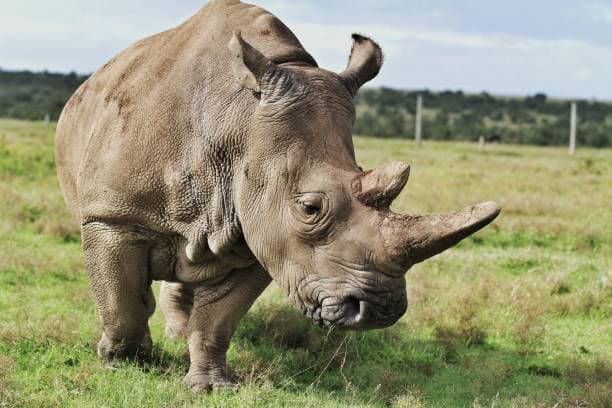
Many travellers arrive with “africa the big five” or “africa the big 5” in mind, and there is nothing wrong with that aspiration. The mistake is treating the Big Five as a shopping list. A proper africa big five safari is built around probability, habitat and timing: lion, elephant and buffalo are often straightforward in Kenya’s key areas; leopard demands patience and intelligent positioning; rhino is the hardest and usually benefits from adding a dedicated rhino stronghold.
In the Mara, lion and buffalo are strong possibilities, leopard is best pursued along riverine woodland, and elephant herds move through both reserve and conservancy country. For rhino, we usually strengthen the route with Lake Nakuru National Park or another carefully chosen sanctuary, because ethical Big Five planning should not rely on hope alone. The aim is not to race between parks; it is to give each species enough habitat-specific time.
“Green-season guiding is not about finding the most vehicles; it is about finding the first clue, switching off the engine, and letting the animal decide the story.”
Ethical spacing matters more than ever around predators. The Mara Triangle rules, for example, require vehicles waiting for a sighting to hold back at distance, and they restrict viewing time when more than five vehicles are waiting. ([maratriangle.org](https://www.maratriangle.org/visit/park-rules/?utm_source=openai)) Our guides avoid crowded predator scrums, keep engines off whenever practical, and refuse off-road pressure where it damages habitat or changes animal behaviour. That discipline is not merely polite; it protects the quality of the sighting and the welfare of the animal.
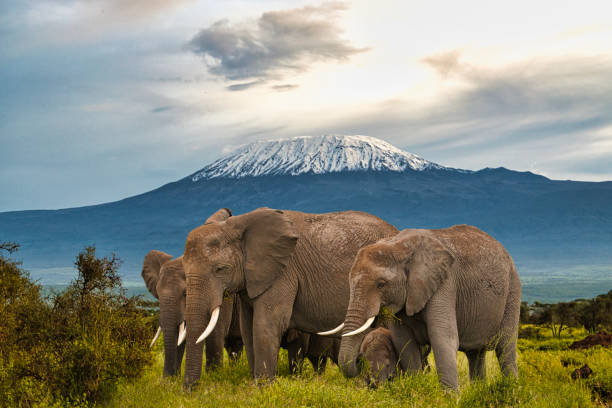
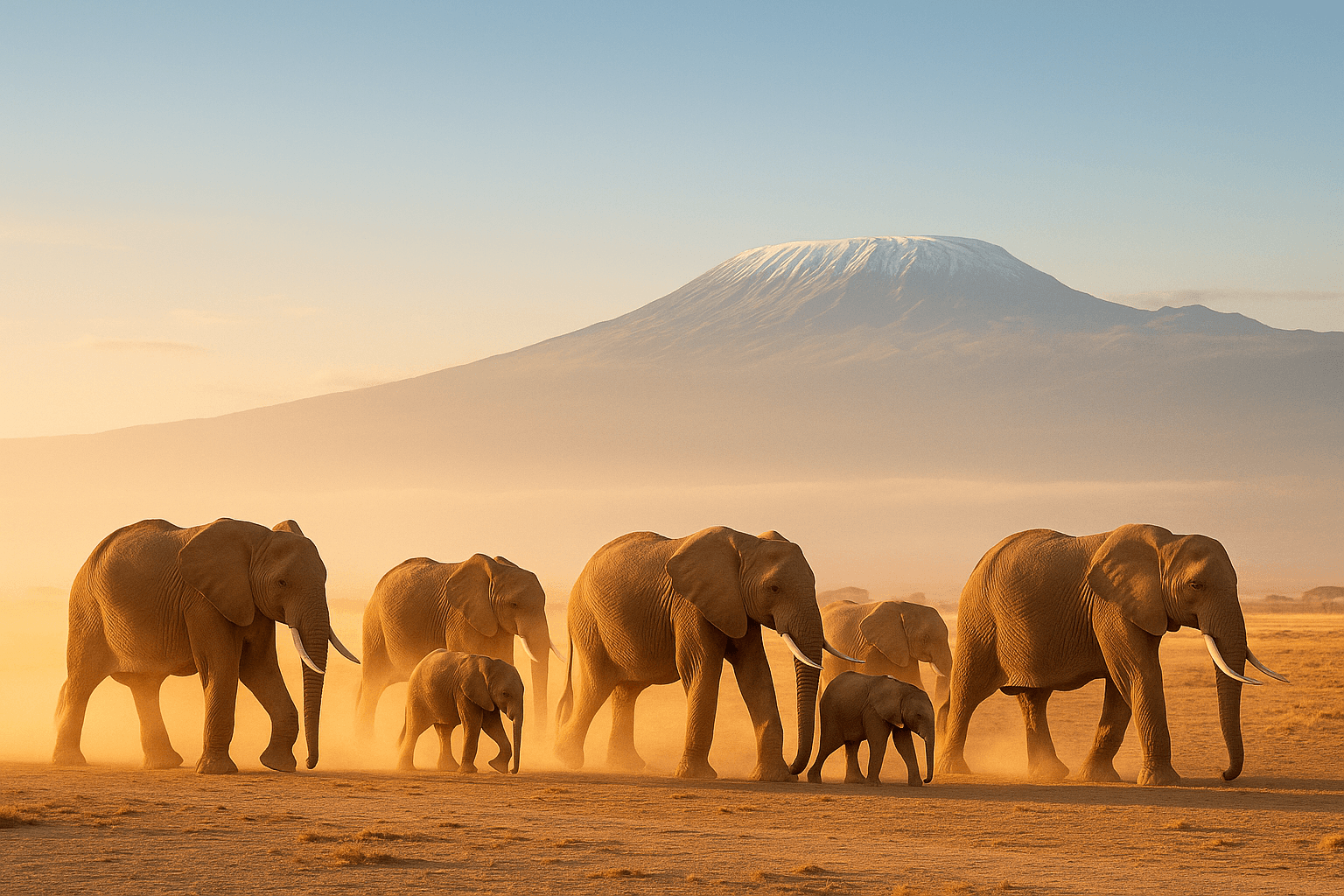
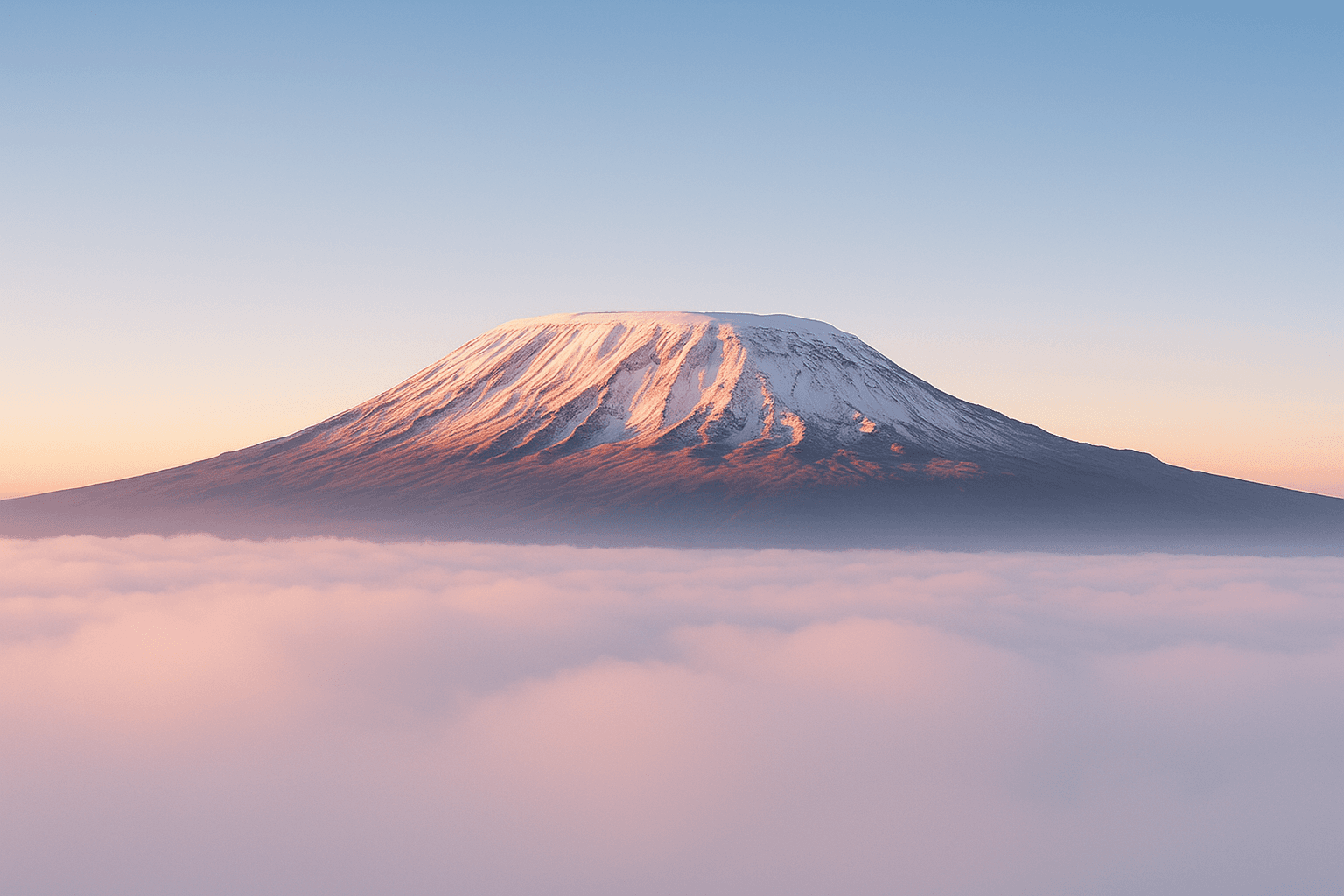
Amboseli is the strongest January to March pairing with the Mara for guests who love elephants, open horizons and mountain light. For travellers searching for Amboseli National Park Mt Kilimanjaro views, the best chance is usually at dawn, before cloud gathers around Mount Kilimanjaro. The park’s permanent swamps concentrate wildlife even when surrounding plains are dry, making it a reliable foil to the Mara’s predator-rich grasslands.
 KE
KEExperience the beauty of Amboseli National Park, one of Kenya's most famous safari destinations, renowned for its large herds of free-roaming elephants and breathtaking views of Mount Kilimanjaro, Africa's highest peak. Located in southern Kenya near the Tanzania border, Amboseli offers exceptional wildlife viewing, diverse habitats, and unforgettable photographic opportunities. From thrilling game drives and birdwatching adventures to cultural encounters with the Maasai community, Amboseli National Park delivers an authentic African safari experience surrounded by stunning landscapes and abundant wildlife.
UNESCO’s Amboseli tentative listing gives the park as 39,206 ha, or 392.06 km², within an 8,000 km² ecosystem, with 400 bird species and about 1,800 elephants. ([whc.unesco.org](https://whc.unesco.org/en/tentativelists/6656/?utm_source=openai)) Those numbers explain why Amboseli is not merely an “add-on”; it is one of Africa’s great elephant classrooms. Our Amboseli National Park page covers the park’s swamps, lakebed, Tortilis woodland and seasonal access in more detail, while our field notes on African elephant herds are useful for guests interested in matriarchal behaviour.
Lake Nakuru National Park adds a compact Rift Valley contrast: rhino country, acacia woodland, euphorbia forest, cliff-top viewpoints and waterbird habitat. We use Lake Nakuru rhino country when Big Five probability matters, or when a family route needs shorter drives and a change of pace between the Mara and Amboseli.
Lake Naivasha is softer and more restorative. It is not a Big Five park, but it works beautifully as a Lake Naivasha stopover between longer drives, with boat trips among hippos and fish eagles, gardens full of birds and optional walking on Crescent Island. For travellers wanting something wilder and more red-earth, Tsavo East wilderness can replace or extend the classic circuit, especially if the coast or a quieter Kenya safari January to March route appeals.
January and February safari days usually reward early discipline. We prefer to leave camp before sunrise, when lions are still moving, hyenas are returning to dens, leopards may be using roads before heat builds, and elephants are beginning to drift towards water. By late morning the light hardens, thermals rise and many animals settle into shade.
The country emerges from the short rains with vivid grass, good visibility and generally workable tracks. New Year demand can be firm, then the bush feels calmer.
Often the most balanced month: warm, relatively dry, lower dust, excellent light and strong predator activity around plains game and young herbivores.
Rain risk rises as the long-rains pattern approaches. For flexible travellers, the reward is richer colour, dramatic clouds and very quiet camps.
March needs a more tactical plan. Rain can be photographically magnificent, washing dust from the air and turning skies almost architectural, but it can also slow black-cotton-soil tracks in parts of the Mara, Amboseli and the Rift Valley. This is where a private 4x4 Land Cruiser, proper tyres, recovery gear and an experienced guide matter more than a glossy lodge brochure.
Our preferred daily rhythm for a kenya green season safari is simple:
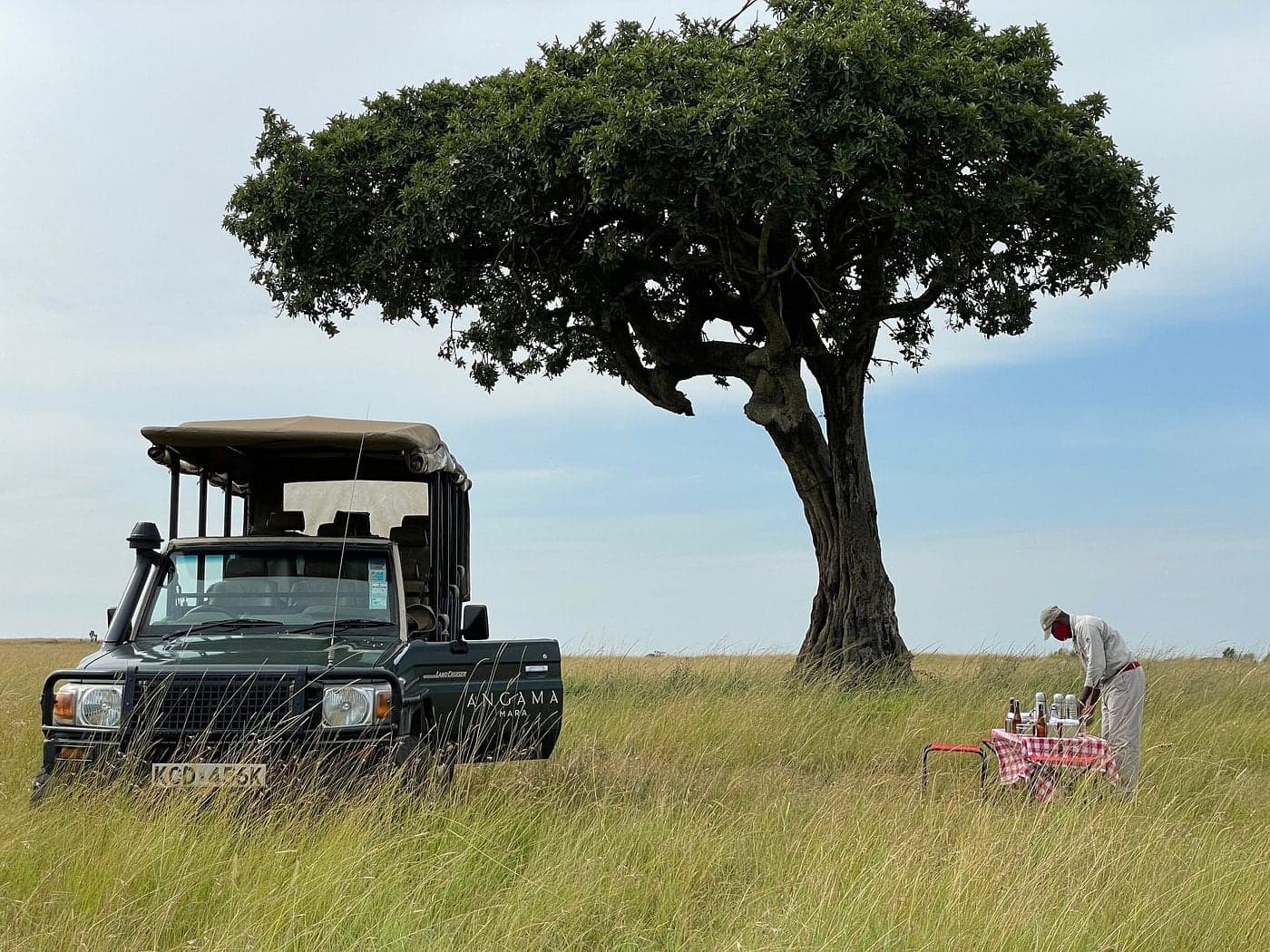
Shoulder weather rewards private guiding. Shared vehicles can work well in peak dry months when many guests have similar expectations, but January to March often benefits from flexible timing: one family may want birds and a relaxed breakfast, while a photographer may want to sit for ninety minutes with a leopard in a croton thicket.
Green-season photography is less dusty, more atmospheric and more forgiving than many travellers expect. The backgrounds are richer, the grasses have colour, and showers create clean air, reflective puddles and dramatic cloud structures. A tawny African lion on fresh grass photographs very differently from the same lion on dry August stubble; both are beautiful, but the January image often has more depth and tonal separation.
Rain can wash dust from the air, giving sharper backgrounds and richer colour than late dry-season months.
Green grass, flowering plants and active insects create ecological context around every sighting.
Fewer vehicles mean our guides can sit, wait and let behaviour unfold without pressure.
Dispersed game rewards guides who understand wind, tracks, alarm calls and overnight movement.
Wetlands, migrants and breeding plumage make the season especially rewarding for bird-aware travellers.
With quieter drives, guides can explain ecology, Maasai landscapes and conservation trade-offs in depth.
Birding is also stronger than the casual safari market realises. Wetlands are active, many resident birds are breeding, and Palearctic migrants can still be present in the early months. Amboseli’s swamps, Lake Nakuru’s woodland and lakeshore, Lake Naivasha’s papyrus edges and the Mara’s riverine corridors give a specialist guide plenty to work with between mammal sightings.
For equipment, we recommend a practical rather than excessive kit:
The real advantage is not just glass; it is fieldcraft. Our guides are interpreters of tracks, alarm calls, wind, light and animal movement. They understand when to wait at water, when to anticipate a leopard’s route through riverine cover, when to reposition for backlight, and when to back away because the animal has given enough.
The best kenya green season safari route starts with wildlife priorities, not map symmetry. For first-time africa kenya safaris, we usually build around the Masai Mara, then add Amboseli and one Rift Valley stop if time allows. For repeat travellers, we may go deeper into private conservancies, Tsavo, Laikipia or even connect Kenya with Tanzania, Uganda or Rwanda.
KEKenya · Masai Mara National Reserve
Our Kenya Big Five safari is the most commercially logical template for travellers who want an africa big five safari without forcing every sighting into one park. If your available time is shorter and elephants are the priority, the Amboseli quick escape can work as a focused extension before or after the Mara.
Flying is worthwhile for honeymooners, photographers with heavy equipment, older travellers, and anyone who values more time on game drives than on transfer roads. Driving is better when budget matters, when you want to see the Rift Valley unfold, or when the route includes Lake Naivasha and Lake Nakuru as meaningful stops rather than rushed transit points.
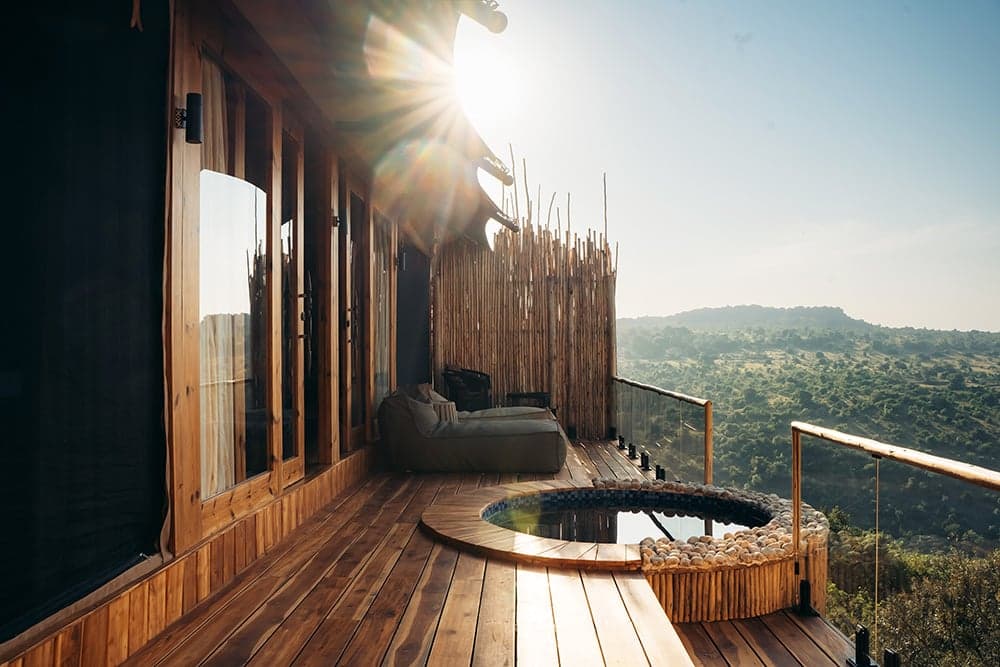
Accommodation choice changes the whole safari. In January to March, we look for reliable access, intelligent guide deployment, strong vehicle maintenance and camp positions that match the season. A lodge that is perfect in August may be less compelling in March if its access road is vulnerable or if it relies heavily on migration traffic rather than resident wildlife.
 KE
KEWhere Wildlife, Comfort, and Adventure Meet
Masai Mara, Kenya
Best Location
 KE
KEDiscover Authentic African Luxury in the Maasai Mara
Masai Mara, Kenya
Zebra Plains Mara Camp offers a selection of luxury tents that combine comfort with the raw beauty of the Masai Mara. Each tent is spacious and elegantly furnished, with a blend of African-inspired décor and modern amenities. The camp’s tented accommodations include:
 KE
KEA Luxury Riverside Safari Base in the Heart of the Masai Mara
Masai Mara, Kenya
Best Location

 TZ
TZImmersive Wildlife Experiences in Africa's Most Iconic Wilderness
Serengeti National Park
Best Value
We recommend at least three nights in the Mara during a kenya green season safari. The extra night buffers weather, increases predator-tracking success and allows you to work different habitats: open cheetah plains one day, riverine leopard country the next, and lion territories around prey concentrations on another.
Green-season lodge value is not only price. Quieter dining rooms, more flexible guiding, better room availability and calmer service can matter as much as a reduced rate. For families, we prioritise interconnecting rooms, child-friendly guides, swimming pools and realistic drive lengths. For honeymooners, we look at privacy, outlook, food, guiding depth and whether the camp can deliver romance without isolating you from the wildlife.
An affordable african safari is designed, not discounted into shape. We reduce unnecessary relocations, pair parks intelligently, avoid dead mileage and protect private guiding where it matters most. A genuinely affordable safari should still include a capable guide, a proper 4x4 vehicle, realistic time in the field and full conservation-fee compliance.
Low-cost and good value are not the same thing. The cheapest quote may hide park fees, use a crowded minivan, sleep far outside the reserve, rush long transfers or allocate too little time for sightings. Good-value Africa safaris balance comfort, safety, route logic, guiding calibre and transparent fees. That is especially important in January to March, when flexibility and vehicle quality directly affect the experience.
For a private kenya green season safari, the biggest cost variables are camp level, flying versus driving, reserve versus conservancy nights, the number of travellers sharing the vehicle, and park-fee exposure. Families can often improve value by using two-night stays, choosing lodges with proper family rooms and avoiding one-night hops that add transfer cost without adding wildlife depth.
January to March is excellent for photographers, repeat travellers, birders, families avoiding the school-holiday crush, and guests who prefer space at sightings. It is also a strong fit for travellers who want an Africa safari with serious wildlife but do not need the drama or congestion of migration river crossings.
KEKenya · Nairobi City
It is less suitable for travellers who dislike heat, want guaranteed dry roads, or are fixed on seeing vast wildebeest herds crossing the Mara River. If your dream image is a crocodile-filled crossing in the Masai Mara, July to October is the better target. If your dream is a quiet leopard sighting, elephant calves in soft light, lions on green grass and a guide with time to interpret behaviour, January to March is compelling.
For luxury guests, we use the season to secure better rooms, quieter camps and specialist guides. For adventurous guests, we may push into conservancies, Tsavo or longer drives with a strong vehicle. For value-conscious guests, we keep the route tight, avoid unnecessary flights and choose camps where green-season pricing improves the experience rather than simply lowering the bill.
At Imara Africa Safaris, we start with wildlife priorities and then build the route. If leopard is central, camp position near riverine habitat matters. If cheetah is important, we want open plains and enough time to follow hunting behaviour without rushing. If elephants are the emotional core of the trip, Amboseli’s swamps and family herds become non-negotiable.
Tell us your dates, wildlife priorities and comfort level. We will shape a green-season route with the right guides, camps and pace.
We avoid checklist itineraries. Two nights is our usual minimum in any serious safari area, and three nights in the Mara is strongly preferred. That pacing gives the guide time to understand local movement, recover from a storm-disrupted drive and return to promising areas without turning the safari into a race across Kenya.
Seasonal camp matching is where a Nairobi-based operator adds real value. We consider whether a camp sits near riverine leopard habitat, whether its access road is reliable in March, whether its guides are strong enough for specialist travellers, whether its family rooms genuinely work, and whether its conservancy access justifies the additional cost.
If you are considering a Kenya safari January to March for 2027, speak to us while the best rooms and guides are still available. Imara Africa Safaris is an East African luxury safari operator based in Nairobi, planning tailor-made safaris across Kenya, Tanzania, Uganda and Rwanda; we will help you decide whether the green season is the right fit, then design the route around the wildlife you most want to understand.
How our guides think about Kenya safari timing.
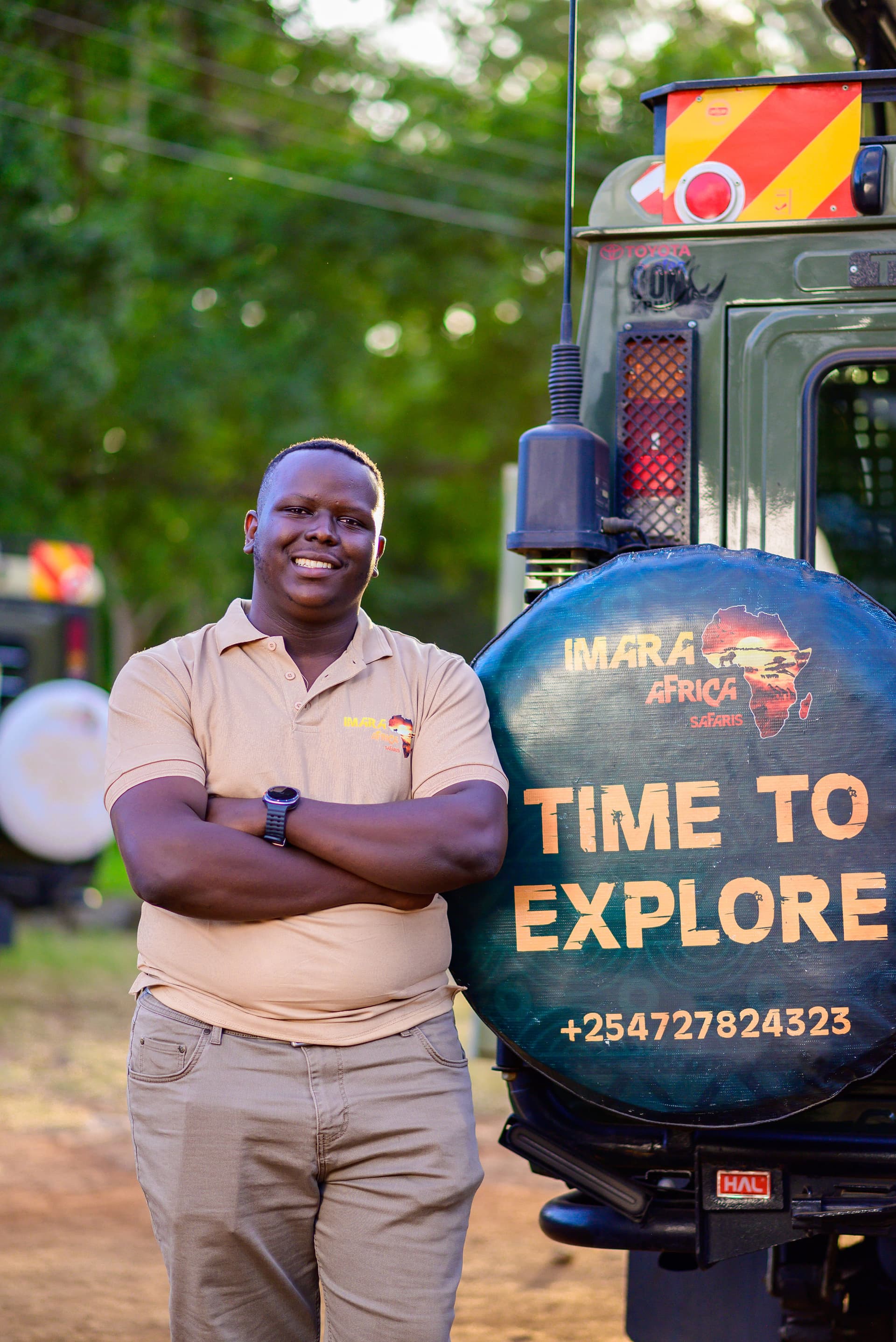
Lewis Munuhe
Founder & Director
<p>Lewis Munuhe is the Director and Owner of Imara Africa Safaris, a trusted safari company dedicated to creating tailor-made African safari experiences across Kenya, Tanzania, Uganda, and Rwanda. With a strong passion for African travel, wildlife, culture, and conservation, Lewis leads the company’s vision of delivering personalized, seamless, and unforgettable safari journeys for travelers from around the world.</p><p>Through Imara Africa Safaris, Lewis helps guests discover East Africa’s most iconic destinations, from the Masai Mara and Serengeti to Uganda and Rwanda’s gorilla trekking regions. His approach focuses on understanding each traveler’s interests, comfort level, budget, and expectations, then transforming those details into carefully curated safari itineraries that feel personal, meaningful, and well-planned.</p><p>As Director and Owner, Lewis is committed to maintaining high standards in safari planning, guest care, destination expertise, and responsible tourism. Whether arranging a luxury wildlife safari, honeymoon escape, family adventure, cultural journey, gorilla trekking safari, or multi-country East African itinerary, he ensures every experience reflects the quality, authenticity, and attention to detail that define Imara Africa Safaris.</p><p>Under his leadership, Imara Africa Safaris continues to help travelers experience the beauty of Africa through expertly planned safaris that celebrate wildlife, landscapes, local cultures, conservation, and unforgettable adventure.</p>
Lewis Munuhe
Founder & Director
<p>Lewis Munuhe is the Director and Owner of Imara Africa Safaris, a trusted safari company dedicated to creating tailor-made African safari experiences across Kenya, Tanzania, Uganda, and Rwanda. With a strong passion for African travel, wildlife, culture, and conservation, Lewis leads the company’s vision of delivering personalized, seamless, and unforgettable safari journeys for travelers from around the world.</p><p>Through Imara Africa Safaris, Lewis helps guests discover East Africa’s most iconic destinations, from the Masai Mara and Serengeti to Uganda and Rwanda’s gorilla trekking regions. His approach focuses on understanding each traveler’s interests, comfort level, budget, and expectations, then transforming those details into carefully curated safari itineraries that feel personal, meaningful, and well-planned.</p><p>As Director and Owner, Lewis is committed to maintaining high standards in safari planning, guest care, destination expertise, and responsible tourism. Whether arranging a luxury wildlife safari, honeymoon escape, family adventure, cultural journey, gorilla trekking safari, or multi-country East African itinerary, he ensures every experience reflects the quality, authenticity, and attention to detail that define Imara Africa Safaris.</p><p>Under his leadership, Imara Africa Safaris continues to help travelers experience the beauty of Africa through expertly planned safaris that celebrate wildlife, landscapes, local cultures, conservation, and unforgettable adventure.</p>
Lewis Munuhe
Founder & Director
<p>Lewis Munuhe is the Director and Owner of Imara Africa Safaris, a trusted safari company dedicated to creating tailor-made African safari experiences across Kenya, Tanzania, Uganda, and Rwanda. With a strong passion for African travel, wildlife, culture, and conservation, Lewis leads the company’s vision of delivering personalized, seamless, and unforgettable safari journeys for travelers from around the world.</p><p>Through Imara Africa Safaris, Lewis helps guests discover East Africa’s most iconic destinations, from the Masai Mara and Serengeti to Uganda and Rwanda’s gorilla trekking regions. His approach focuses on understanding each traveler’s interests, comfort level, budget, and expectations, then transforming those details into carefully curated safari itineraries that feel personal, meaningful, and well-planned.</p><p>As Director and Owner, Lewis is committed to maintaining high standards in safari planning, guest care, destination expertise, and responsible tourism. Whether arranging a luxury wildlife safari, honeymoon escape, family adventure, cultural journey, gorilla trekking safari, or multi-country East African itinerary, he ensures every experience reflects the quality, authenticity, and attention to detail that define Imara Africa Safaris.</p><p>Under his leadership, Imara Africa Safaris continues to help travelers experience the beauty of Africa through expertly planned safaris that celebrate wildlife, landscapes, local cultures, conservation, and unforgettable adventure.</p>
Our trips
Stories, sightings & itineraries from the field.
22°C
overcast clouds
Feels like 22° · 64% humidity
🦁Right now in the bush: Head to lodge shade — animals rest in midday heat.


Comments
Loading…