Tallest Mountains in Kenya: A Complete Climber's Guide
Planning to summit the tallest mountains in Kenya? Our expert guide covers peak elevations, route maps, and how to pair your climb with an unforgettable Big Five safari.
18 min read59viewsUpdated Sep 28, 2026
59views
Share
Listen~18 min
In this articleTap to view 17 sectionsTap a section to jump
Mount Kenya is the second-highest peak in Africa, topped only by Mount Kilimanjaro.
Point Lenana (4,985m) is the highest trekking peak on Mount Kenya, accessible without technical climbing gear.
Kenya's high-altitude peaks provide exceptional acclimatisation before attempting Kilimanjaro.
Combining a mountain trek with a Big Five safari in the Masai Mara offers the ultimate East African contrast.
Introduction to the Tallest Mountains in Kenya and High-Altitude Wonders
East Africa is globally renowned for its sweeping savannahs and dramatic wildlife migrations, yet its high-altitude topography is equally magnificent. The dramatic rift-cutting forces that formed the Great Rift Valley millions of years ago left behind a legacy of towering stratovolcanoes, jagged tectonic ranges, and vast caldera shields. These geological upheavals created some of the highest peaks in africa, turning Kenya into a premier destination for mountain trekking and wilderness expeditions.
While many travellers associate African mountaineering solely with Tanzania, the diverse kenya mountains offer distinct advantages. Here, you will find fewer crowds, highly varied ecosystems ranging from dense bamboo forests to afro-alpine moorlands, and some of the most technically rewarding climbing routes on the continent. Climbing the tallest mountains in kenya provides not only a physical challenge but also a profound journey through highly specialized ecological zones where endemic plants like giant groundsels and lobelias thrive. Whether you are an experienced mountaineer aiming for a technical rock climb or a passionate hiker seeking a scenic trek, Kenya’s highlands deliver an unmatched alpine experience.
Mount Kenya: The Undisputed Crown of the Tallest Mountains in Kenya
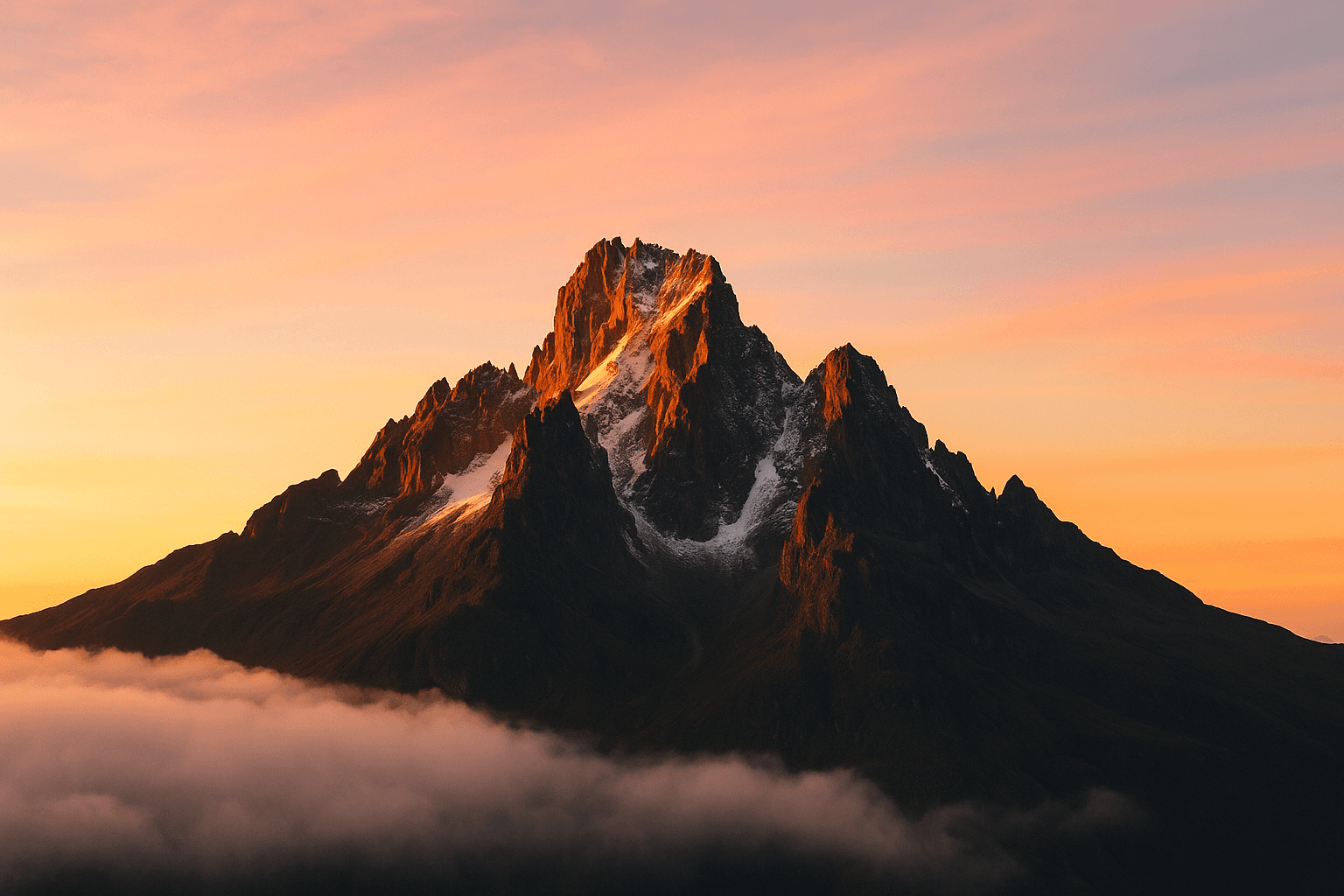
Dominating the central highlands, Mount Kenya stands as the ultimate symbol of the country's high-altitude grandeur. As an ancient, extinct stratovolcano that was once significantly taller than its current height, it has been sculpted by millennia of glacial erosion into a dramatic fortress of spires, ridges, and deep-cut U-shaped valleys. The entire massif is protected within Mount Kenya National Park, a UNESCO World Heritage site celebrated for its outstanding ecological value and striking natural beauty.
A lone trekker stands in silhouette on Point Lenana, Mount Kenya, taking in the breathtaking morning views of dramatic glacial valleys.
At a glance
Mount Kenya Fast Facts
Elevation
5,199m (17,057 ft)
Location
Central Kenya, on the Equator
First Ascent
Halford Mackinder (1899)
Difficulty
Trekker to Technical Climber
Mount Kenya stands at 5,199 metres (17,057 feet) above sea level. This towering elevation is divided among three primary peaks, each offering a distinct challenge to climbers:
Batian (5,199m): The absolute summit, requiring high-calibre technical rock climbing skills. Climbers must navigate multi-pitch routes of Grade IV and V, typically ascending via the North Face Standard Route or the Nelion-to-Batian traverse.
Nelion (5,188m): The second-highest peak, also requiring technical rock climbing. It is separated from Batian by a sharp, icy notch known as the Gates of Mist, demanding exceptional stamina and experience.
Point Lenana (4,985m): The trekking summit. While non-technical, reaching this point requires excellent physical fitness, mental resilience, and proper acclimatisation. Over 15,000 trekkers attempt Mount Kenya's Point Lenana annually, making it one of the most popular trekking challenges in East Africa.
The geological history of this extinct stratovolcano dates back approximately 3 million years. Its slow cooling and subsequent glaciation created the dramatic basalt and phonolite formations that define its rugged profile today. For nature lovers, the mountain is a living museum. As you ascend, you pass through a sequence of distinct vegetation zones: rich montane forest, dense bamboo belts, and the ethereal afro-alpine zone. Here, the landscape is populated by otherworldly giant senecios (Dendrosenecio) and endemic lobelias, adapted beautifully to survive the extreme "summer every day, winter every night" climate of the equator.
“
“"Standing on the frozen crest of Point Lenana as the sun rises over the Indian Ocean is an experience that rivals any summit on earth. It is wild, raw, and intimately quiet." — Guide Tip, Imara Africa Safaris”
Mount Elgon: The Ancient Caldera on the Border
Straddling the international border between Kenya and Uganda, Mount Elgon is one of the oldest and largest extinct shield volcanoes in the world. It possesses a massive base that covers an area of approximately 4,000 square kilometres, making its footprint larger than that of many other major mountains in africa. This ancient giant offers a wild, off-the-beaten-path trekking experience characterized by vast moorlands, dramatic waterfalls, and deep gorges.
Mount Elgon's highest point on the Kenyan side, Koitobos, reaches 4,222 metres, while the absolute highest peak of the caldera, Wagagai (4,321m), lies on the Ugandan side. Trekking on the Kenyan slopes provides an incredibly diverse journey. One of the most famous features of Mount Elgon National Park is its remarkable network of caves. Over centuries, herds of forest elephants have ventured deep into the pitch-black chambers of Kitum Cave to lick salt from the rich mineral walls, leaving behind distinct tusk marks—a phenomenon unique to this mountain.
Trekking routes on Kenya's second-tallest peak are generally gentler and less steep than those of Mount Kenya, making Mount Elgon an excellent option for hikers who prefer solitude and slow-paced exploration. The trail to Koitobos Peak winds through spectacular fields of giant heather, lobelias, and open moorlands, offering panoramic views of the surrounding plains and the massive caldera rim stretching out across the horizon.
The Aberdare Range: Misty Moorlands and Waterfalls
Running parallel to the Great Rift Valley, the Aberdare Range is a majestic, 160-kilometre-long volcanic range characterized by deep valleys, dense rainforests, and misty, wind-swept moorlands. Known locally as Nyandarua (the drying hide, due to its undulating shape), the Aberdares present a dramatic contrast to the isolated volcanic cones found elsewhere in East Africa. It is a vital water catchment area, feeding several of Kenya's major rivers and providing spectacular waterfall displays.
The Aberdare Range peaks at Lesatima at 3,999 metres, with its second-highest peak, Kinangop, reaching 3,906 metres. These twin giants dominate the northern and southern sectors of the range respectively. The high-altitude moorlands are often shrouded in mist, creating an atmospheric, almost Scottish Highlands-like environment, punctuated by giant lobelias and tussock grasses. This park is a critical sanctuary for rare and endangered wildlife, most notably the elusive Bongo antelope, giant forest hogs, melanistic leopards, and black rhinos.
For outdoor enthusiasts, the Aberdares offer superb high-altitude day hikes, trout fishing in crystal-clear mountain streams, and multi-day trekking expeditions across the undulating plateau. Hiking to the summit of Mount Satima (Lesatima) is particularly rewarding, taking you past the "Dragon's Teeth"—an extraordinary collection of volcanic rock monoliths that rise dramatically from the moorland floor.
Mount Kipipiri and the Rift Valley Volcanoes
Beyond the primary massifs, the Great Rift Valley floor and its eastern flanks are dotted with smaller but highly scenic volcanic formations. These peaks are perfect for acclimatisation climbs, weekend excursions from Nairobi, or short day-hiking additions to a broader safari itinerary.
Mount Kipipiri is an isolated, forested volcanic dome situated in the Wanjohi Valley, just west of the main Aberdare Range. Rising to 3,349 metres, Kipipiri is a hidden gem for hikers seeking peaceful solitude. The mountain is home to colobus monkeys, diverse birdlife, and small herds of buffaloes, with trails winding through beautiful montane forests and open ridges that offer sweeping views of Lake Kipipiri and the surrounding agricultural farmlands.
Closer to the Rift Valley floor lie two iconic volcanic craters:
Mount Longonot (2,776m): A young, dormant stratovolcano located just a short drive from Nairobi. Hiking the steep trail to the crater rim and completing the full 7.2-kilometre loop around the caldera offers an exhilarating day hike, featuring dramatic views of the forested crater floor and Lake Naivasha.
Mount Suswa (2,356m): A highly unique double-crater volcano. Suswa is famous for its intricate network of lava tube caves, inhabited by large colonies of bats, and its inner caldera, which is still grazed by local Maasai livestock. It offers some of the most geologically fascinating hiking in East Africa.
Should you climb Mount Kenya or Kilimanjaro?
When planning an alpine expedition in East Africa, adventurers frequently debate the merits of climbing Mount Kenya versus scaling its southern neighbour in Tanzania. While Kilimanjaro holds the crown as the tallest mountain in Africa, Mount Kenya is widely considered by mountain guides and seasoned climbers to be the more scenic, diverse, and rewarding climb.
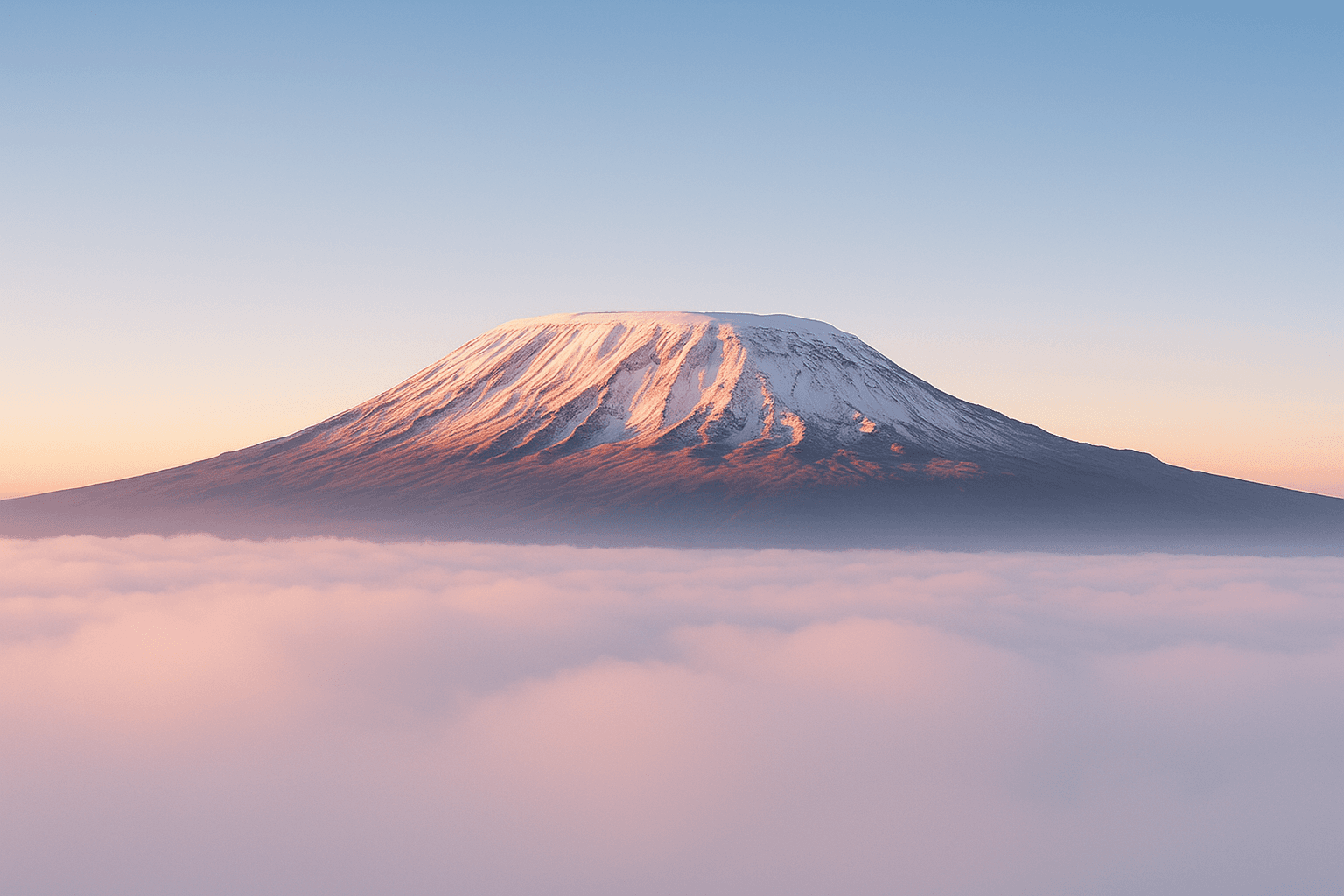
The majestic snow-capped peak of Mount Kilimanjaro towers over the golden savannah of Amboseli National Park in Kenya.
Mount Kenya vs. Mount Kilimanjaro
How the two giants of East Africa compare
Mount Kenya
More Scenic
Maximum Trekking Altitude
4,985m (Point Lenana)
Technical Climbing Required?
No for Lenana; Yes for Batian/Nelion
Crowd Levels
Low to Moderate
Average Trek Duration
4-6 Days
Wildlife Opportunities
High (forest & moorland zones)
Mount Kilimanjaro
Highest Peak
Maximum Trekking Altitude
5,895m (Uhuru Peak)
Technical Climbing Required?
No (pure walk-up)
Crowd Levels
High
Average Trek Duration
6-8 Days
Wildlife Opportunities
Low
Compare
More Scenic
Mount Kenya
Highest Peak
Mount Kilimanjaro
Maximum Trekking Altitude
4,985m (Point Lenana)
5,895m (Uhuru Peak)
Technical Climbing Required?
No for Lenana; Yes for Batian/Nelion
No (pure walk-up)
Crowd Levels
Low to Moderate
High
Average Trek Duration
4-6 Days
6-8 Days
Wildlife Opportunities
High (forest & moorland zones)
Low
TZ
Featured
Tanzania
Kilimanjaro
Discover Mount Kilimanjaro, Africa's highest mountain and one of the world's most iconic adventure travel destinations. Rising majestically above the plains of northern Tanzania, Kilimanjaro attracts climbers, nature enthusiasts, and photographers from around the globe. With its snow-capped summit, diverse ecosystems, and breathtaking landscapes, the mountain offers an unforgettable trekking experience through rainforests, moorlands, alpine deserts, and glaciers. Whether you're seeking a life-changing summit adventure or spectacular scenery, Mount Kilimanjaro delivers one of Africa's most extraordinary travel experiences.
The table below provides a direct comparison of these two iconic giants to help you decide which peak suits your adventure style:
Feature
Mount Kenya (Point Lenana)
Mount Kilimanjaro (Uhuru Peak)
Elevation
4,985 metres (Trekking peak) / 5,199m (Technical)
5,895 metres (Uhuru Peak)
Difficulty
Moderate to challenging; steeper gradients but shorter distances.
Challenging to extreme; high risk of altitude sickness due to extreme height.
Crowds
Low to moderate; highly serene and intimate wilderness experience.
High; very busy during peak dry seasons.
Scenery & Lakes
Exceptional; dramatic tarns, jagged spires, and rich endemic flora.
Impressive; vast volcanic scree slopes, crater rim, and shrinking glaciers.
Wildlife
High chance of spotting wildlife (rock hyrax, duikers, colobus monkeys).
Low; wildlife is rarely seen on the main climbing routes.
Technical Climbing
Yes, Batian and Nelion require advanced rock climbing skills.
No, Uhuru Peak is entirely a non-technical walk-up.
For those prioritizing wilderness authenticity, dramatic geological scenery, and a budget-friendly but highly rewarding trek, Mount Kenya is often the superior choice. If your sole goal is to stand on the highest point of the continent, Kilimanjaro remains the ultimate target. Many of our guests choose to climb Mount Kenya first as a spectacular acclimatisation run before tackling Kilimanjaro's extreme altitude.
Selecting the Best Mount Kenya Trekking Packages
Choosing the right route is critical to your enjoyment and success on Mount Kenya. The mountain is served by several well-established trails, each offering a unique balance of scenery, steepness, and acclimatisation profiles. When booking mount kenya trekking packages, we recommend matching the route to your previous hiking experience and physical fitness.
Day 1Sirimon Gate
Nairobi to Sirimon Gate to Old Moses Camp
Drive from Nairobi to Nanyuki, complete park registrations, and walk up through the montane forest to Old Moses Camp (3,300m).
Day 2Shipton's Camp
Old Moses to Shipton's Camp
Trek through the spectacular Mackinder's Valley, marveling at giant lobelias, to arrive at Shipton's Camp (4,200m) below the steep peaks.
Day 3Shipton's Camp
Acclimatisation Day at Shipton's
A gentle walk to high tarns to aid acclimatisation. Crucial preparation for the summit push tomorrow.
Day 4Point Lenana
Summit Point Lenana & Descend to Mount Kenya Bandas
A 3:00 AM start to reach Point Lenana (4,985m) for sunrise. Descend via the stunning Chogoria route to the Bandas.
Day 5Nairobi
Chogoria Gate to Nairobi
Walk down through the bamboo forest zone, meet our private 4x4 vehicles, and transfer back to Nairobi or onward to your safari.
The three most popular and reliable routes on Mount Kenya are:
The Sirimon Route: Gentle Slopes and Scenic Valleys
The Sirimon Route approaches the mountain from the dry north-western side, making it one of the most popular paths. Because it lies in the rain shadow of the mountain, it remains relatively dry even during the shoulder seasons. The gradient is steady and gradual, winding through beautiful yellowwood forests and the spectacular Mackinder's Valley. It is widely considered the best route for acclimatisation and is highly recommended for first-time high-altitude trekkers.
The Chogoria Route: The Most Dramatic and Beautiful Approach
For sheer aesthetic beauty, the Chogoria Route is unmatched. Approaching from the wet eastern side of the mountain, this trail takes you through lush rainforests before emerging onto a high-altitude plateau with breathtaking views. Highlights of this route include the spectacular Gorges Valley, the plunging sheer cliffs of the Temple, and pristine alpine lakes such as Lake Michaelson and Lake Ellis. It is slightly longer and more physically demanding, but the visual rewards are extraordinary.
The Naro Moru Route: The Fastest but Steepest Path
The Naro Moru Route is the most direct trail to Point Lenana from the west. While it is the fastest way to reach the summit, its rapid ascent profile increases the risk of altitude-related challenges if not properly managed. This route is famous for the "Vertical Bog"—a steep, muddy section that tests a hiker's resolve, especially during wet weather. It is commonly used as a descent route due to its speed and direct access to the park gate.
The Ultimate Mount Kenya Safari Itinerary
To experience the absolute best of East Africa’s high-altitude wilderness and classic savannah plains, we recommend a cohesive 10-day mount kenya safari itinerary. This carefully structured journey balances the physical demands of a mountain climb with the pure relaxation and wildlife viewing of a luxury safari.
KE
Safari
Kenya · Masai Mara National Reserve
10Days
10-Day East Africa Explorer
Masai Mara National ReserveNakuru CitySerengeti National Park+1
A grand East African expedition spanning Kenya, Tanzania, and Uganda. From the Serengeti plains to Bwindi's gorilla forests — the definitive safari experience.
Arrival in Nairobi: Arrive at Jomo Kenyatta International Airport, transfer to your hotel, and meet your Imara Africa Safaris guide for an expedition briefing and gear check.
2
Day 2
Nairobi to Mount Kenya National Park: Drive north through lush agricultural highlands to the Sirimon Gate (2,650m). Complete park registration and enjoy an easy 3-hour walk to Judmier Camp (3,300m) for your first night under the stars.
3
Day 3
Trek to Shipton’s Camp (4,200m): Hike through the expansive Mackinder's Valley, crossing glacial streams and admiring the towering peaks of Batian and Nelion ahead. This 6-to-7-hour trek is crucial for steady acclimatisation.
4
Day 4
Acclimatisation Day at Shipton’s Camp: Spend the day taking short hikes to high-altitude tarns (such as Kami Tarn) or resting. This rest day significantly increases your chances of a successful summit attempt.
5
Day 5
Summit Point Lenana (4,985m) & Descent: Wake up at 3:00 AM. Climb the steep scree slopes under a canopy of stars to reach Point Lenana by sunrise. After enjoying the breathtaking views, descend via the spectacular Chogoria Route to Lake Michaelson Camp for a celebratory night.
6
Day 6
Complete the Descent to Chogoria Gate: Hike down past the Nithi Falls to the Chogoria park gate. Transfer to a comfortable lodge on the foothills of the mountain for a hot shower and well-deserved rest.
7
Day 7
Drive to Lake Nakuru National Park: Descend into the Great Rift Valley, keeping an eye out for rhinos and Rothschild's giraffes along the shores of Lake Nakuru.
8
Day 8
Travel to the Masai Mara: Drive to the world-famous Masai Mara National Reserve . Arrive in time for an afternoon game drive across the golden savannahs.
9
Day 9
Full Day in the Masai Mara: Spend the day track-finding with our expert guides, spotting lions, leopards, cheetahs, and massive herds of elephants.
10
Day 10
Return to Nairobi & Departure: Enjoy a final morning game drive before returning to Nairobi for your onward flight home.
Can you combine a climb with a Big Five safari?
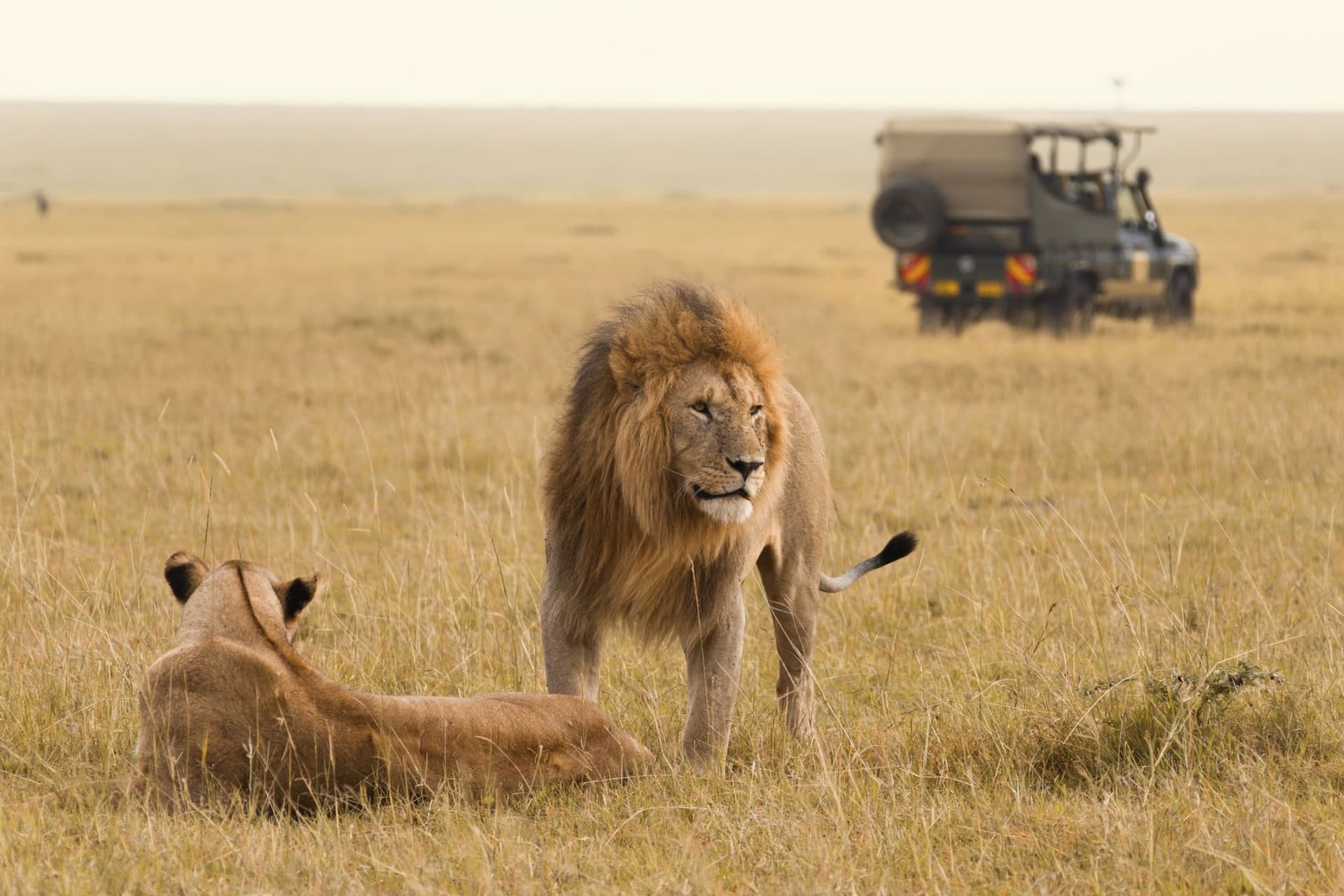
There is no greater contrast in travel than standing amidst glaciers at sunrise and watching a pride of lions stalk their prey on the warm savannah by afternoon. Combining a high-altitude climb with a classic Big Five safari is the ultimate way to experience Kenya’s diverse ecosystems. It allows you to transition seamlessly from the quiet, thin air of the peaks to the vibrant, life-filled plains of the lowlands.
Featured Mid Range
KE
Safari
Kenya · Masai Mara National Reserve
8Days
Mid range 8 Days Kenya Safari – Amboseli, Lake Naivasha, Lake Nakuru & Masai Mara
Masai Mara National ReserveNakuru CityNairobi City+1
After completing your trek on the tallest mountains in kenya, your body will appreciate the warmer temperatures and richer oxygen levels of the lower plains. A popular option is to pair your climb with our signature 8-Day Kenya Big Five Safari. This allows you to explore premier conservation areas like Samburu, Ol Pejeta Conservancy (home to the world's last remaining northern white rhinos), and the Masai Mara.
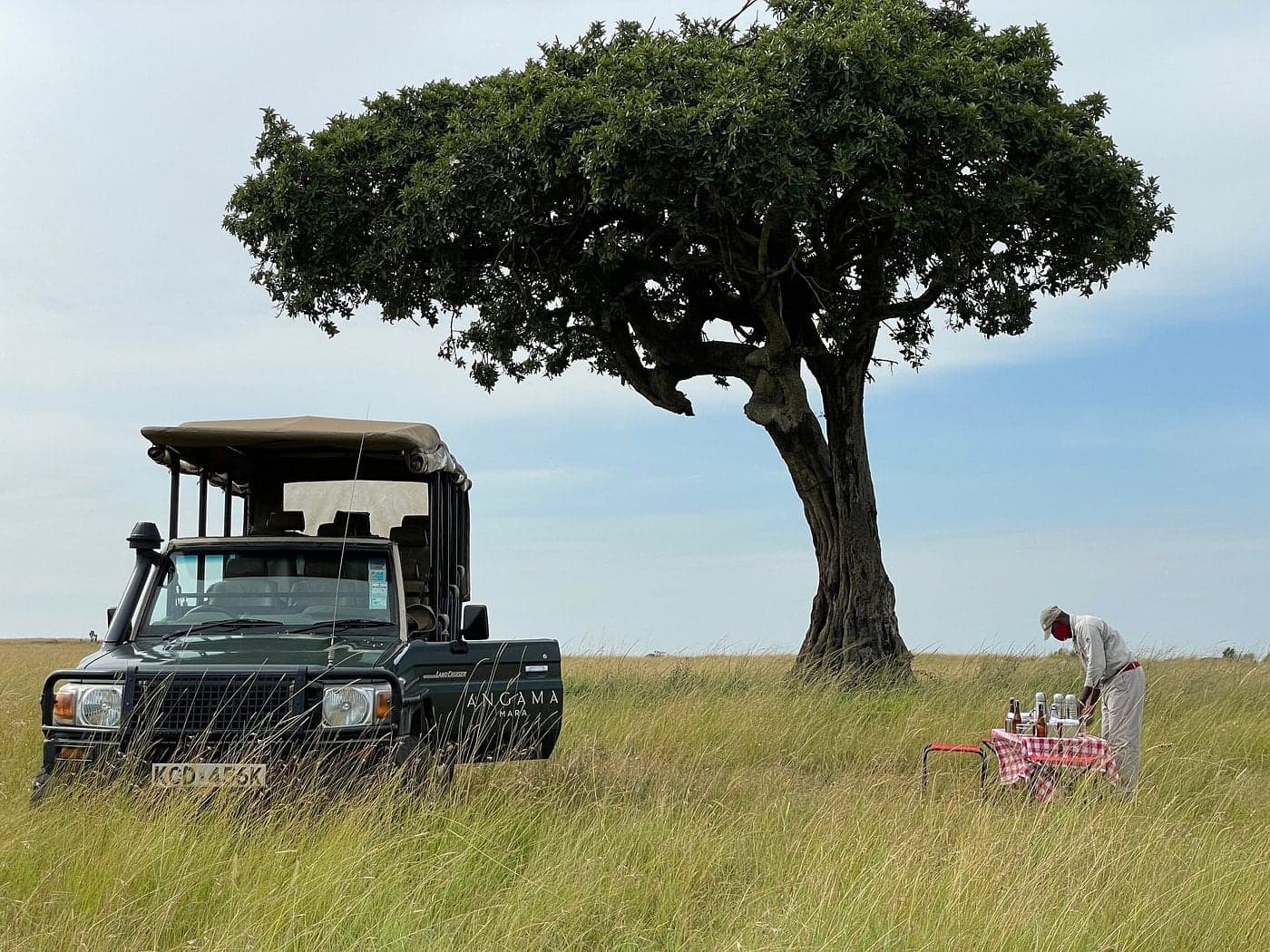
Logistically, coordinating these two distinct styles of travel requires expert planning. At Imara Africa Safaris, we handle all transitions seamlessly. We arrange private, 4x4 safari vehicles to meet you directly at the mountain gates, transport your heavy mountaineering gear safely, and coordinate domestic flights from bush airstrips back to Nairobi, ensuring you spend your valuable time exploring rather than coordinating logistics.
Practical Preparation: Altitude, Gear, and Seasons
Climbing to nearly 5,000 metres requires careful physical preparation, appropriate gear, and an understanding of high-altitude environments. Even on equatorial peaks, temperatures at night regularly drop well below freezing, and weather conditions can change rapidly from warm sunshine to freezing rain or snow.
Hikers navigate the rugged alpine moorland of Mount Kenya, surrounded by unique giant groundsel flora under a clear sky.
When is the best time of year to climb?
While hiking is possible year-round, the dry seasons offer the safest and most enjoyable climbing conditions. The primary climbing seasons in Kenya are:
January to February: The warmest and driest window, offering exceptionally clear skies and excellent trail conditions. This is the peak season for both trekking and technical climbing.
June to September: A long dry season with cool, pleasant daytime temperatures, though clouds can occasionally roll in during the afternoons.
Avoid the Wet Seasons: The "long rains" from late March to May and the "short rains" from November to mid-December can make mountain trails muddy, slippery, and exceptionally cold.
What gear should you pack?
To ensure your comfort and safety during sub-zero alpine nights, your packing list must include high-quality, technical layers. Avoid cotton clothing, which retains moisture and leads to rapid cooling. Focus on the following essentials:
Layering System: Moisture-wicking base layers, insulating fleece mid-layers, and a heavy down jacket for camp evenings and summit night.
Outer Shell: A fully waterproof and windproof Gore-Tex jacket and trousers.
Footwear: Broken-in, waterproof hiking boots with excellent ankle support, paired with thick merino wool socks.
Sleeping Gear: A high-quality four-season sleeping bag rated to at least -10°C.
Accessories: A warm beanie, thermal gloves, polarized sunglasses (to prevent snow blindness), trekking poles, and a reliable headlamp with spare batteries.
Understanding Acute Mountain Sickness (AMS)
Acute Mountain Sickness is a common concern when ascending above 3,000 metres. AMS is caused by the body's inability to adapt quickly to the lower oxygen levels at high altitudes. Symptoms include headaches, nausea, dizziness, and mild fatigue. The key to preventing AMS is a slow, gradual ascent ("pole pole" in Swahili, meaning slowly, slowly), staying exceptionally well-hydrated, and choosing an itinerary with built-in acclimatisation days. Our guides are trained to monitor your oxygen saturation levels daily and are fully equipped with emergency protocols should a rapid descent be required.
Planning Your East African Mountain Expedition
Embarking on an expedition to climb the tallest mountains in kenya is a life-changing adventure, but its success relies heavily on the professionalism, safety standards, and local knowledge of your operator. Booking your climb with a licensed local operator like Imara Africa Safaris ensures that your trek is managed with the highest regard for safety, environmental sustainability, and ethical porter treatment.
Our mountain crews are the heartbeat of every expedition. Led by highly experienced, certified wilderness guides, our teams include dedicated porters who carry the heavy camp gear and talented mountain chefs who prepare hot, nutritious, high-calorie meals designed to fuel your body for the physical challenges of high-altitude trekking. We pride ourselves on creating bespoke, tailor-made Kenya safaris and mountain expeditions that match your exact pacing, comfort preferences, and sense of adventure.
Mount Kenya is the tallest mountain in Kenya and the second-highest peak in Africa, standing at 5,199 metres (17,057 feet) above sea level at its highest point, Batian.
No, you do not need technical climbing gear to reach Point Lenana (4,985m), which is the standard trekking summit; however, the two highest peaks, Batian and Nelion, require advanced rock climbing gear, ropes, and technical experience.
Yes, combining a Mount Kenya climb with a luxury wildlife safari to parks like the Masai Mara or Samburu is highly popular and easily coordinated with private transfers or domestic flights.
The best times of year to climb are during the dry seasons, which run from January to February and from June to September, offering the clearest skies and safest trail conditions.
59views
Share
About the author
Lewis Munuhe
Founder & Director
<p>Lewis Munuhe is the Director and Owner of Imara Africa Safaris, a trusted safari company dedicated to creating tailor-made African safari experiences across Kenya, Tanzania, Uganda, and Rwanda. With a strong passion for African travel, wildlife, culture, and conservation, Lewis leads the company’s vision of delivering personalized, seamless, and unforgettable safari journeys for travelers from around the world.</p><p>Through Imara Africa Safaris, Lewis helps guests discover East Africa’s most iconic destinations, from the Masai Mara and Serengeti to Uganda and Rwanda’s gorilla trekking regions. His approach focuses on understanding each traveler’s interests, comfort level, budget, and expectations, then transforming those details into carefully curated safari itineraries that feel personal, meaningful, and well-planned.</p><p>As Director and Owner, Lewis is committed to maintaining high standards in safari planning, guest care, destination expertise, and responsible tourism. Whether arranging a luxury wildlife safari, honeymoon escape, family adventure, cultural journey, gorilla trekking safari, or multi-country East African itinerary, he ensures every experience reflects the quality, authenticity, and attention to detail that define Imara Africa Safaris.</p><p>Under his leadership, Imara Africa Safaris continues to help travelers experience the beauty of Africa through expertly planned safaris that celebrate wildlife, landscapes, local cultures, conservation, and unforgettable adventure.</p>
<p>Lewis Munuhe is the Director and Owner of Imara Africa Safaris, a trusted safari company dedicated to creating tailor-made African safari experiences across Kenya, Tanzania, Uganda, and Rwanda. With a strong passion for African travel, wildlife, culture, and conservation, Lewis leads the company’s vision of delivering personalized, seamless, and unforgettable safari journeys for travelers from around the world.</p><p>Through Imara Africa Safaris, Lewis helps guests discover East Africa’s most iconic destinations, from the Masai Mara and Serengeti to Uganda and Rwanda’s gorilla trekking regions. His approach focuses on understanding each traveler’s interests, comfort level, budget, and expectations, then transforming those details into carefully curated safari itineraries that feel personal, meaningful, and well-planned.</p><p>As Director and Owner, Lewis is committed to maintaining high standards in safari planning, guest care, destination expertise, and responsible tourism. Whether arranging a luxury wildlife safari, honeymoon escape, family adventure, cultural journey, gorilla trekking safari, or multi-country East African itinerary, he ensures every experience reflects the quality, authenticity, and attention to detail that define Imara Africa Safaris.</p><p>Under his leadership, Imara Africa Safaris continues to help travelers experience the beauty of Africa through expertly planned safaris that celebrate wildlife, landscapes, local cultures, conservation, and unforgettable adventure.</p>
<p>Lewis Munuhe is the Director and Owner of Imara Africa Safaris, a trusted safari company dedicated to creating tailor-made African safari experiences across Kenya, Tanzania, Uganda, and Rwanda. With a strong passion for African travel, wildlife, culture, and conservation, Lewis leads the company’s vision of delivering personalized, seamless, and unforgettable safari journeys for travelers from around the world.</p><p>Through Imara Africa Safaris, Lewis helps guests discover East Africa’s most iconic destinations, from the Masai Mara and Serengeti to Uganda and Rwanda’s gorilla trekking regions. His approach focuses on understanding each traveler’s interests, comfort level, budget, and expectations, then transforming those details into carefully curated safari itineraries that feel personal, meaningful, and well-planned.</p><p>As Director and Owner, Lewis is committed to maintaining high standards in safari planning, guest care, destination expertise, and responsible tourism. Whether arranging a luxury wildlife safari, honeymoon escape, family adventure, cultural journey, gorilla trekking safari, or multi-country East African itinerary, he ensures every experience reflects the quality, authenticity, and attention to detail that define Imara Africa Safaris.</p><p>Under his leadership, Imara Africa Safaris continues to help travelers experience the beauty of Africa through expertly planned safaris that celebrate wildlife, landscapes, local cultures, conservation, and unforgettable adventure.</p>






Comments
Loading…