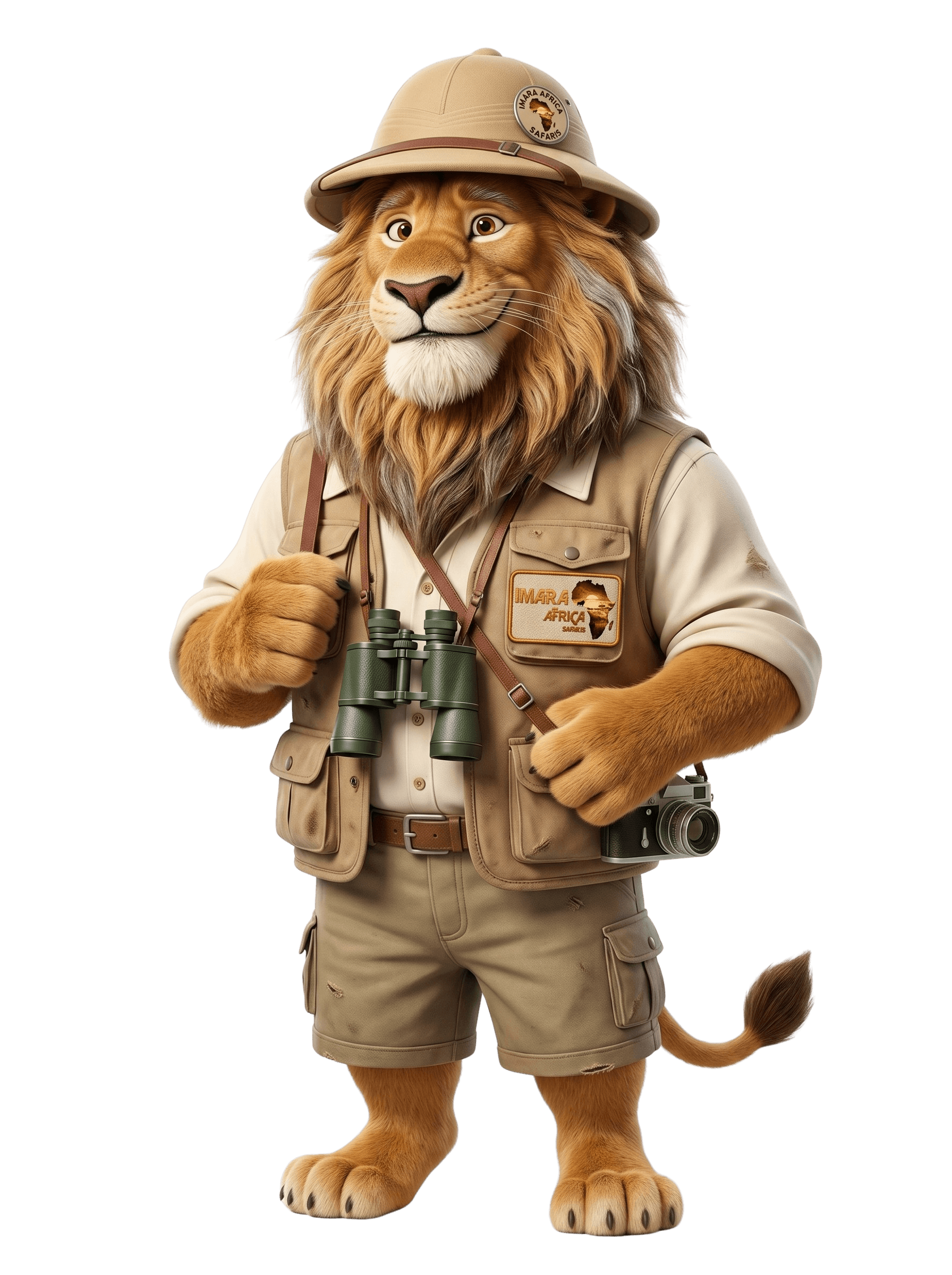
Lake Manyara National Park is a compact but exceptionally scenic park in northern Tanzania, wedged between the Great Rift Valley escarpment and the alkaline waters of Lake Manyara. It is world-famous for tree-climbing lions, large elephant herds and more than 400 recorded bird species, including seasonal flamingo gatherings.
Though one of Tanzania's smaller parks, Manyara packs extraordinary variety into its footprint: a lush groundwater forest fed by springs at the escarpment's base, open grassland, acacia woodland, hot springs and the shimmering soda lake itself. Few places on the Northern Safari Circuit change character so completely within a single game drive.
What Is Lake Manyara Known For?
- Tree-climbing lions, a behaviour seen in only a handful of places in Africa
- Large herds of African elephants moving through the groundwater forest
- Thousands of flamingos on the alkaline lake when water levels are favourable
- Over 400 bird species, from pelicans and storks to raptors and forest hornbills
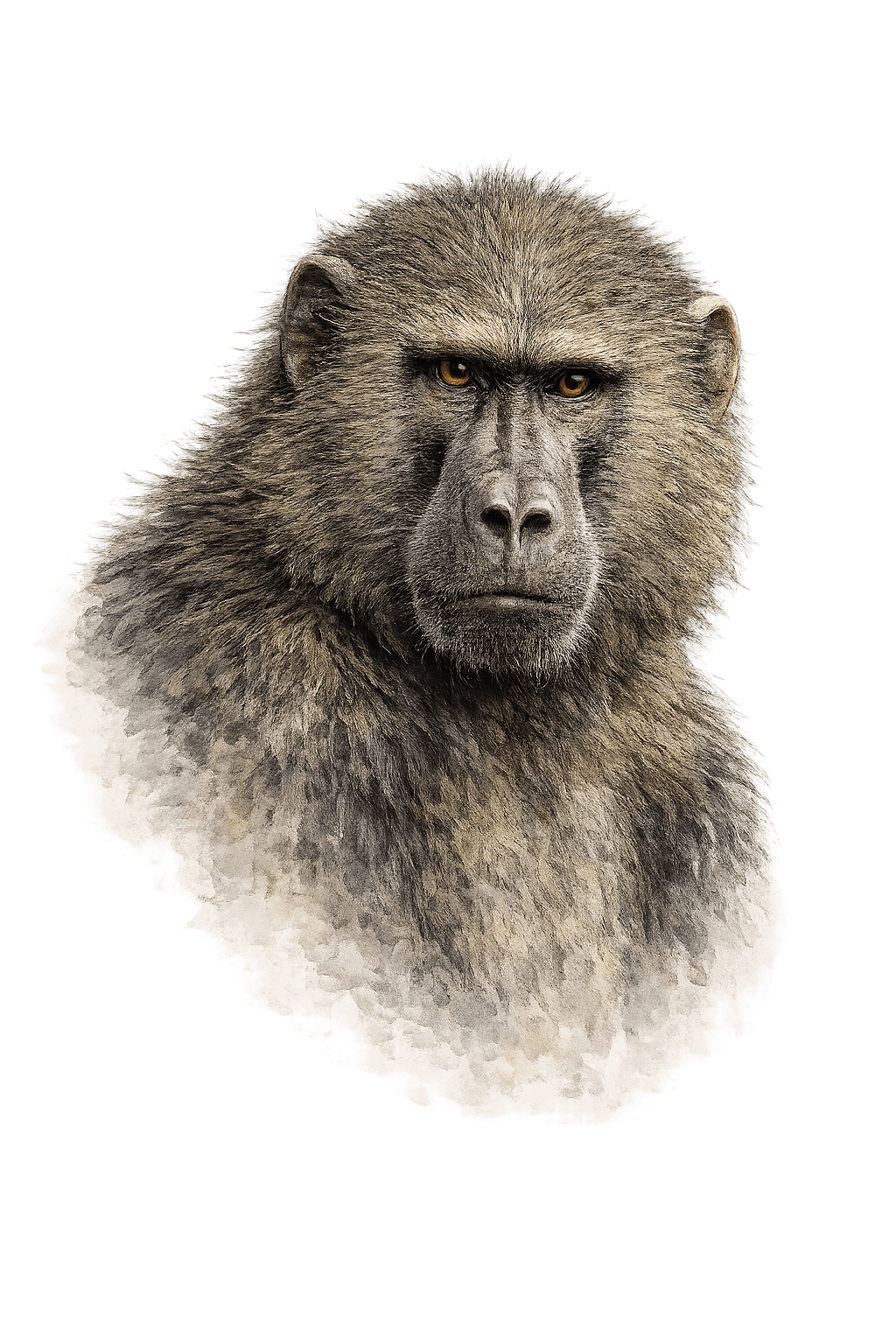
- Huge baboon troops — among the largest and most habituated in Tanzania
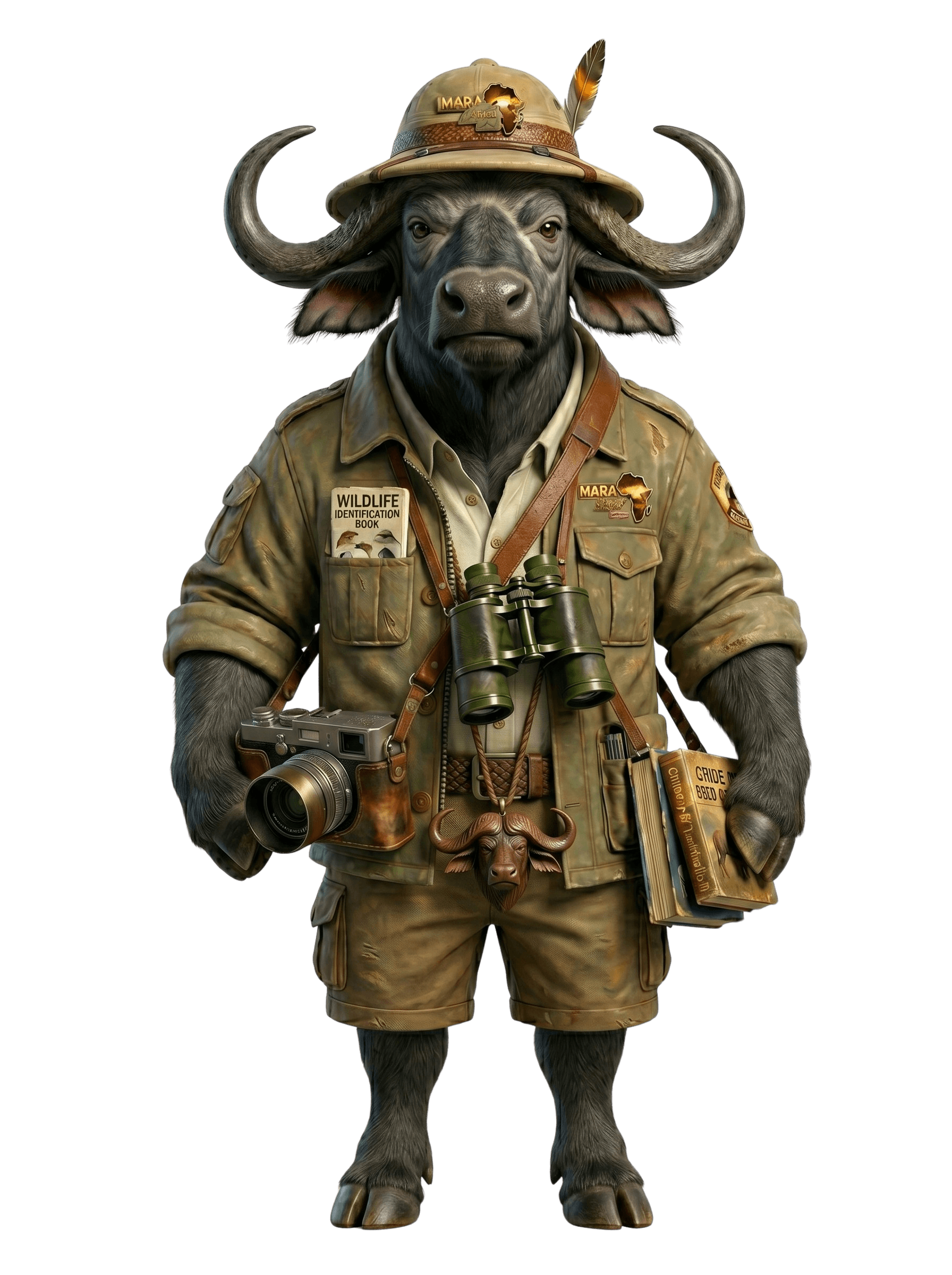
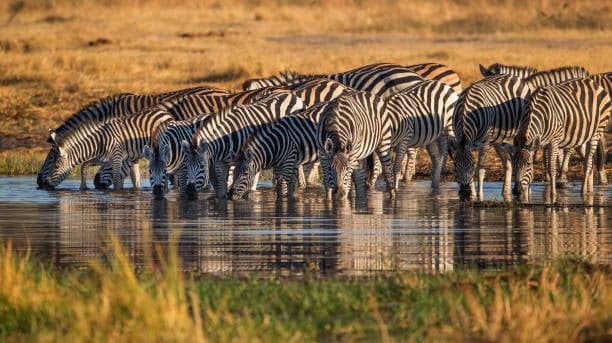
- Hippos, giraffes, buffalo, zebras and wildebeest against the Rift Valley wall
The park's game viewing rewards patience and sharp eyes: leopards haunt the forest edges, elephants browse within metres of the track, and the lakeshore hosts one of the most concentrated waterbird spectacles in East Africa. Photographers prize the low afternoon light against the 600-metre escarpment, and the elevated treetop walkway and canoe trips (in high-water years) offer perspectives unavailable in most Tanzanian parks.
Manyara's position makes it the natural first or last stop on the Northern Circuit, pairing seamlessly with Tarangire, the Ngorongoro Crater and the Serengeti on the same overland route.
The park's defining feature is water underground: streams percolating through the porous volcanic rock of the escarpment emerge at its base as permanent springs, sustaining the lush groundwater forest of mahogany and fig trees that greets visitors at the gate — an entrance more reminiscent of a jungle than a savannah park. Further south the forest opens onto floodplain and acacia woodland before reaching the hot springs of Maji Moto on the lakeshore, where steaming water bubbles up beside the soda lake. Manyara is also one of the few Tanzanian parks where licensed night game drives are available, adding genets, civets, porcupines and hunting lions to the possibilities after dark. The combination of habitats in so small an area means a morning drive can move from blue monkeys in the forest canopy to hippos wallowing offshore within an hour — a density of variety that few larger parks can match. Ernest Hemingway famously called this corner of Tanzania the loveliest he had seen in Africa, and the view over the lake from the Rift wall above the park remains one of the Northern Circuit's defining panoramas.
When Is the Best Time to Visit Lake Manyara?
June to October offers the best wildlife viewing, with dry weather and thinner vegetation. November to February is prime birdwatching, when migratory species arrive and flamingo numbers can peak, while the green season of March to May brings dramatic skies and the fewest visitors.
How Do You Get to Lake Manyara?
The park entrance is approximately 2 to 2.5 hours by road from Arusha and around 3 hours from Kilimanjaro International Airport (JRO). Scheduled and charter flights also serve Lake Manyara Airstrip just outside the gate, connecting to Arusha, the Serengeti and Zanzibar.
How Many Days Do You Need?
One night — or even a well-timed half-day game drive en route to Ngorongoro — captures Manyara's highlights, given the park's compact size. Birdwatchers and photographers may prefer two nights to work the forest and lakeshore in different light.
Lake Manyara is typically woven into Northern Circuit itineraries alongside Tarangire and the Ngorongoro Crater, serving as a gentle, forested introduction to Tanzanian safari life before the bigger landscapes further west take over. Travellers on tight schedules sometimes trade Manyara for extra Serengeti time, but those who keep it rarely regret the decision — the forest, the escarpment and the birdlife offer textures the open plains cannot.